



For families or travelers seeking interactive fun, there are plenty of indoor activity centers, including science museums, aquariums like Perlan’s Wonders of Iceland, and immersive exhibits about Iceland’s glaciers and volcanoes. You can also experience the dramatic power of eruptions firsthand at the LAVA Show or soar over the country’s iconic landscapes through the FlyOver Iceland virtual flight ride. Even on rainy days, Iceland’s indoor offerings let you explore the nation’s culture, cuisine, and natural wonders without stepping into a storm.
Iceland in January – Weather, Tips & Top Things to Do
- Iceland by Month
- 9 Dec 2025
Discover what to expect when visiting Iceland in January—winter weather, holiday events, Northern Lights, top activities, and essential travel tips.
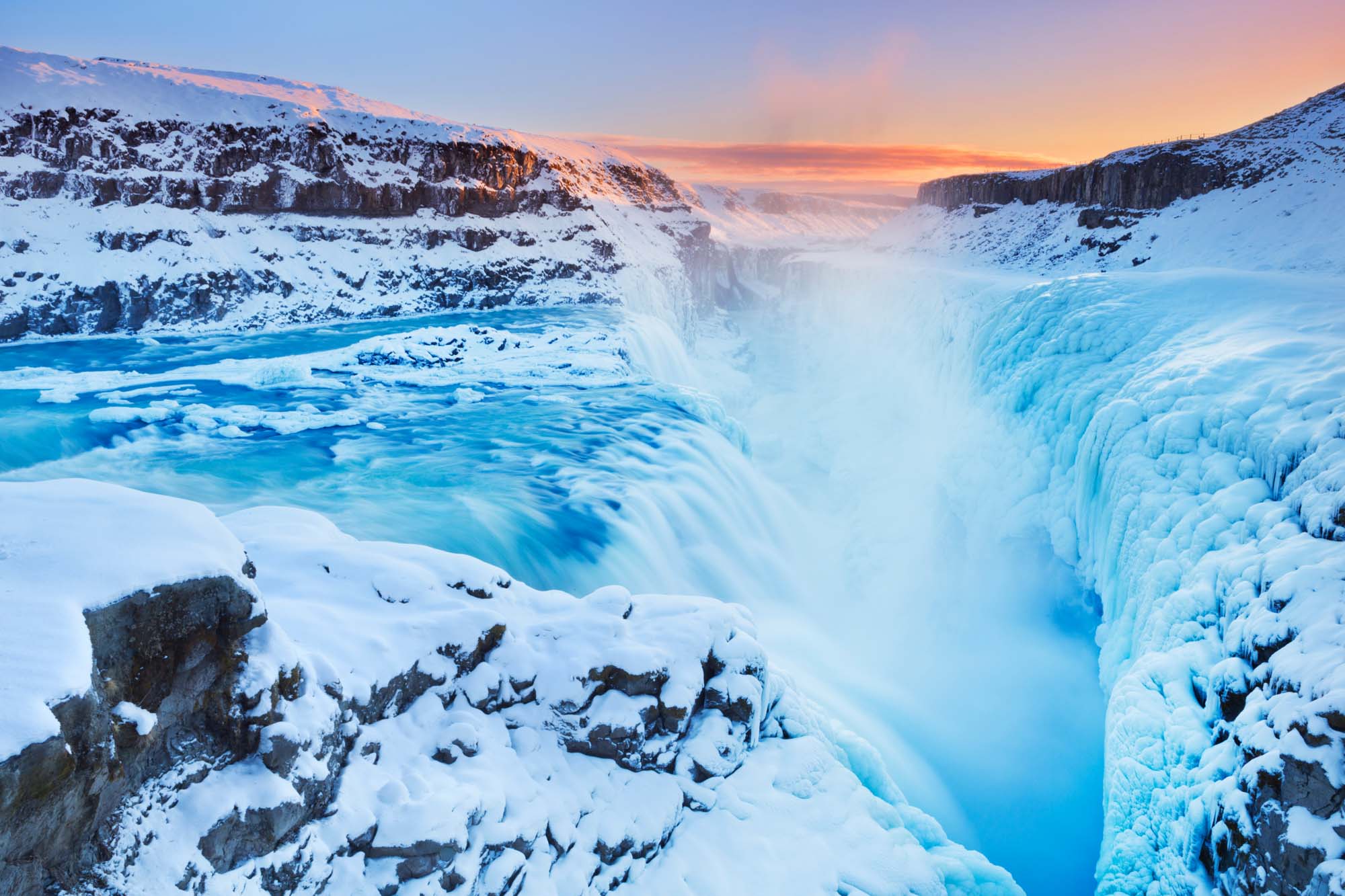
The Gullfoss Falls in Iceland in winter when the falls are partially frozen. Photographed at sunset.
Thinking of visiting Iceland in January? Wondering what the weather is like, if it’s too dark, or what to pack for the cold? You’re not alone—those are some of the most searched questions by travelers dreaming of Iceland’s winter wonderland. January might be the heart of winter, but it’s also one of the most magical times to experience this otherworldly island.
In this post, I’ll cover everything you need to know about weather & daylight in Iceland, the top things to do in January, what to pack to stay warm and dry, and a few essential travel tips to make the most of your trip. Whether you’re chasing the Northern Lights or soaking in a steaming hot spring, Iceland in January is a kind of wild beauty you’ll never forget.

The Weather in Iceland in January
January is one of Iceland’s coldest and darkest months, but it’s also one of the most atmospheric. Understanding Iceland weather in January helps travelers prepare for the conditions, as temperatures typically range from -1°C to 3°C (30–37°F), though wind chill can make it feel colder—especially along the coasts and open plains. Snow, sleet, rain, and sudden shifts between them are common, and storms can roll in quickly. Limited daylight—about 4–5 hours of sunlight in early January, gradually increasing toward the end of the month—adds to the winter ambiance. For those curious about Iceland in January weather, despite the cold and storms, roads and major attractions generally remain accessible, and the combination of snow-covered landscapes and long nights creates ideal conditions for Northern Lights hunting.

Weather in Reykjavik in January
January in Reykjavík delivers the kind of winter weather that defines Iceland’s reputation for unpredictability. Average temperatures in Iceland in January hover around 0°C (32°F), but frequent wind gusts can make conditions feel significantly colder. Snowfall is common, though it often alternates with rain or sleet as mild Atlantic air moves across the capital. As a coastal city, Reykjavík tends to be slightly warmer than inland regions, but also more exposed to shifting weather fronts, resulting in rapid changes throughout the day.
Daylight is limited to roughly 4 to 5 hours at the start of the month, with slow but noticeable increases as January progresses. Despite the short days, the city remains active, with well-maintained roads, walkable streets, and reliable public services that continue to operate through most winter conditions. Cloud cover is frequent, but on clearer nights, Reykjavík and its surrounding areas offer good opportunities for Northern Lights sightings, especially when stepping just outside the city’s light pollution.
![Winter scene of downtown Reykjavik. [Photo credit to Yanshu Li]](https://bustravel.is/wp-content/uploads/2020/12/Reykjavik-downtown-view-from-Hallgrimskirkja-church-tower.jpg "Reykjavik downtown view from Hallgrimskirkja church tower")
January sunset in Reykjavik, 2015. [Photo credit to Yanshu Li]
Weather in Akureryi in January
January in Akureyri, the capital of North Iceland, brings some of the country’s most traditional winter conditions. Temperatures typically range from -3°C to -1°C (27–30°F), making it slightly colder than Reykjavík, and the inland location means the air feels crisper and more stable. Snow is frequent and often lingers longer, creating the classic winter landscapes that North Iceland is known for—white-covered mountains, frozen shorelines, and frosty mornings.
Unlike the rapidly shifting coastal weather patterns in the south, Akureyri often experiences more consistent winter conditions. Storms do occur, but clear, bright days are more common here than in other regions of the country. January still offers only about 3 to 4 hours of daylight in early month, gradually increasing as the weeks go on. Many locals and visitors make the most of the long twilight glow that softens the sky even outside of direct daylight hours.
Because of the colder temperatures and frequent snowfall, North Iceland becomes a prime destination for winter activities in January, from skiing in the nearby mountains to exploring snow-covered geothermal areas. On clear nights, Akureyri and its surroundings offer excellent viewing conditions for the Northern Lights, thanks to lower light pollution and darker skies.

The Temperature in Iceland in January
January is one of Iceland’s coldest months, and understanding the Iceland temperature in January is key for planning your trip. Temperatures generally range from -3°C to 3°C (27–37°F). Coastal areas like Reykjavík stay near freezing, with alternating snow, sleet, and rain, while wind chill can make it feel colder.
In Akureyri and North Iceland, temperatures are slightly lower, and snow often lingers, offering classic winter landscapes of frozen mountains and icy shores. The East Fjords are calm and crisp, with sheltered valleys, frequent snow, and serene winter scenery. The Westfjords experience harsher conditions, with strong winds, heavy snowfall, and some impassable roads, but the region rewards visitors with dramatic, untouched landscapes.

────────────────────────────────────────
Please read Iceland in December to learn more about Iceland.
────────────────────────────────────────
Things To Do in Iceland in January
Even in the heart of winter, Iceland is anything but sleepy. In fact, January brings its own kind of magic—frozen waterfalls, glowing ice caves, and long nights perfect for chasing the Northern Lights. Whether you’re here for adventure, relaxation, or just to stand in awe of nature, there’s no shortage of unforgettable experiences. Here are some of the top things to do in Iceland in January that will make you fall in love with the cold.
Chasing the Northern Lights in Iceland in January
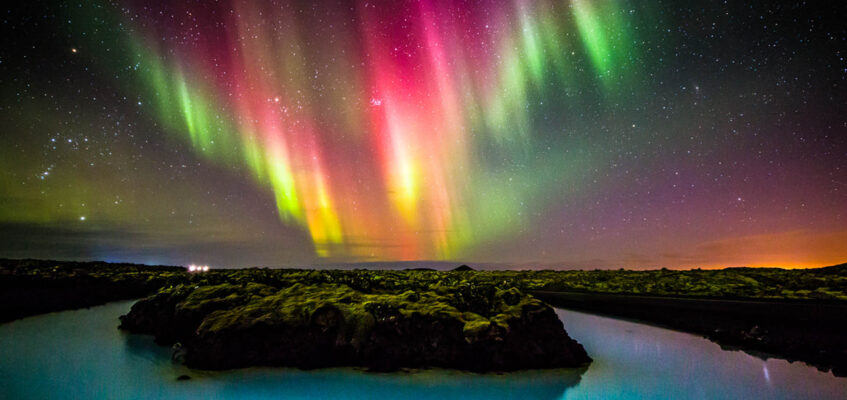
Seeing the Northern Lights—or Aurora Borealis—in Iceland is one of those surreal, once-in-a-lifetime experiences that draws travelers from around the world. And if you’re visiting in January, you’re in luck: this is one of the best months to witness this natural light show.
With over 16 hours of darkness and cold, clear nights, January gives you ideal conditions for aurora spotting. The lights are most active between 9 PM and 2 AM, but they can appear as early as 6 PM if the skies are clear and the solar activity is strong (which is very rare). You’ll want to check the official aurora forecast on vedur.is, which shows both the strength of aurora activity (on a scale from 0 to 9) and the cloud cover across the country. Look for a night with a KP index of 3 or higher and minimal clouds in the region you’re in.
There are two main ways to go Northern Lights hunting: on your own, or with a guided tour. If it’s your first trip or you’re not confident driving in icy conditions, a guided tour is the easiest and safest option. BusTravel Iceland’s guided Northern Lights tours operation monitors the forecasts in real time, takes you to the best spots away from city lights, and will reschedule your tour for free if no Northern Lights was shown. In our coach tours, we include hot chocolate to keep you warm, and our mini-bus tours include hot chocolate, and Icelandic chocolate snacks.
If you’re feeling adventurous and have a 4WD rental car with winter tires, self-driving is a fantastic option. You get more flexibility, and if you’re into photography, you can take your time and find your perfect composition. Just be sure to head at least 30 to 60 minutes outside Reykjavík to escape the light pollution. Popular spots for aurora viewing include Thingvellir National Park, Grotta Lighthouse, and the dark coastal stretches along Hvalfjörður fjord.

Bathing in a Hot Spring or Geothermal Pool in Iceland
Few things feel more magical—or more Icelandic—than soaking in a steamy hot spring while snow swirls around you. In the heart of January, when the air is crisp and daylight short, bathing in geothermal water becomes more than just relaxation—it’s a way to connect with nature, tradition, and that deep, volcanic pulse running beneath Iceland’s surface.
The country sits atop a hotbed of geothermal activity, and Icelanders have been harnessing it for centuries—not just for electricity and heating, but for something much simpler: hot water, in beautiful places. From luxury spas to wild, natural pools tucked into valleys, there are countless ways to enjoy this uniquely Icelandic ritual.

Blue Lagoon and Beyond: Choosing Where to Soak
The Blue Lagoon is the most famous spot, and for good reason. Its milky-blue waters, rich in minerals like silica and sulfur, are set against a lava field backdrop that looks like another planet. It’s just 20 minutes from Keflavík Airport, making it a popular stop either after landing or before departure. Yes, it’s touristy—but also genuinely beautiful. Book in advance, especially in winter.
If you’re looking for something quieter or more rustic, Iceland has plenty of alternative geothermal pools:
Sky Lagoon near Reykjavík: A modern oceanside spa designed to feel both luxurious and authentically Icelandic. Its geothermal infinity edge overlooks the North Atlantic, and the famous “7-Step Ritual” combines hot–cold therapy, saunas, steam, and relaxation for a uniquely rejuvenating experience—perfect on a cold January day.
Laugarás Lagoon in the Golden Circle: A newer, boutique-style geothermal lagoon surrounded by quiet countryside. It offers warm, milky-blue water, peaceful views, and a more intimate atmosphere compared to Iceland’s larger lagoons—ideal for travelers seeking serenity without the crowds.
Secret Lagoon (Gamla Laugin): One of the oldest swimming pools in Iceland, located in the Golden Circle. It’s simple, warm, and surrounded by steaming geothermal vents.
Earth Lagoon Mývatn (Mývatn Nature Baths): Northern Iceland’s answer to the Blue Lagoon. Less crowded, more remote, and equally gorgeous.
Local Swimming Pools (Sundlaugar): Don’t underestimate these! Every town has one, and they’re clean, affordable, and loved by locals. Many include hot pots, steam rooms, and even cold plunges.
What to Expect (and What to Bring)
So, what’s it actually like to bathe in a hot spring in January?
Picture this: You’re standing in the freezing air, wrapped in a towel, trying to pep-talk yourself into making a run for it. Then—relief. You sink into warm, mineral-rich water, and the cold disappears. Snow is falling softly. Steam rises around you. The outside world fades, and all you feel is warmth.
Most geothermal pools are well-maintained, with changing rooms and showers. In Iceland, showering naked (with soap!) before entering the pool is expected—this is a cultural norm and a hygiene rule, not negotiable. Don’t worry—everyone’s doing it, and privacy is respected.
Here’s what you’ll want to bring:
- Swimsuit (some places rent them, but it’s better to have your own)
- Towel (also rentable at big spas, but not always available at local pools)
- Flip-flops or sandals (helpful for icy walkways!)
- Hair tie or cap if you don’t want your hair soaking in minerals like sulfur
- Waterproof bag or dry sack for wet clothes afterward
Winter Hot Spring Tips
- Dry off quickly after getting out—the cold bites fast. Having your towel and clothes ready to grab helps.
- Keep your phone or camera warm and dry—cold air can drain batteries fast.
- Go early or late if you want quieter moments. Night bathing under the stars (or even the Northern Lights) is unforgettable.
- Mind the roads if you’re heading to rural springs—check weather and road conditions, especially after snow.
Why It’s Worth It
Bathing in a geothermal pool isn’t just relaxing—it’s deeply calming, grounding, and surprisingly emotional. In January, when the landscape is still and snow-covered, the contrast of hot water and cold air feels almost sacred. Whether you’re in a famous lagoon or a tiny pool in a small town, it’s a pause in the middle of the wild. A moment to soak, reflect, and just be.
In a place as raw and rugged as Iceland, these pockets of warmth are part of the magic. Don’t leave without experiencing it—your body and your soul will thank you.
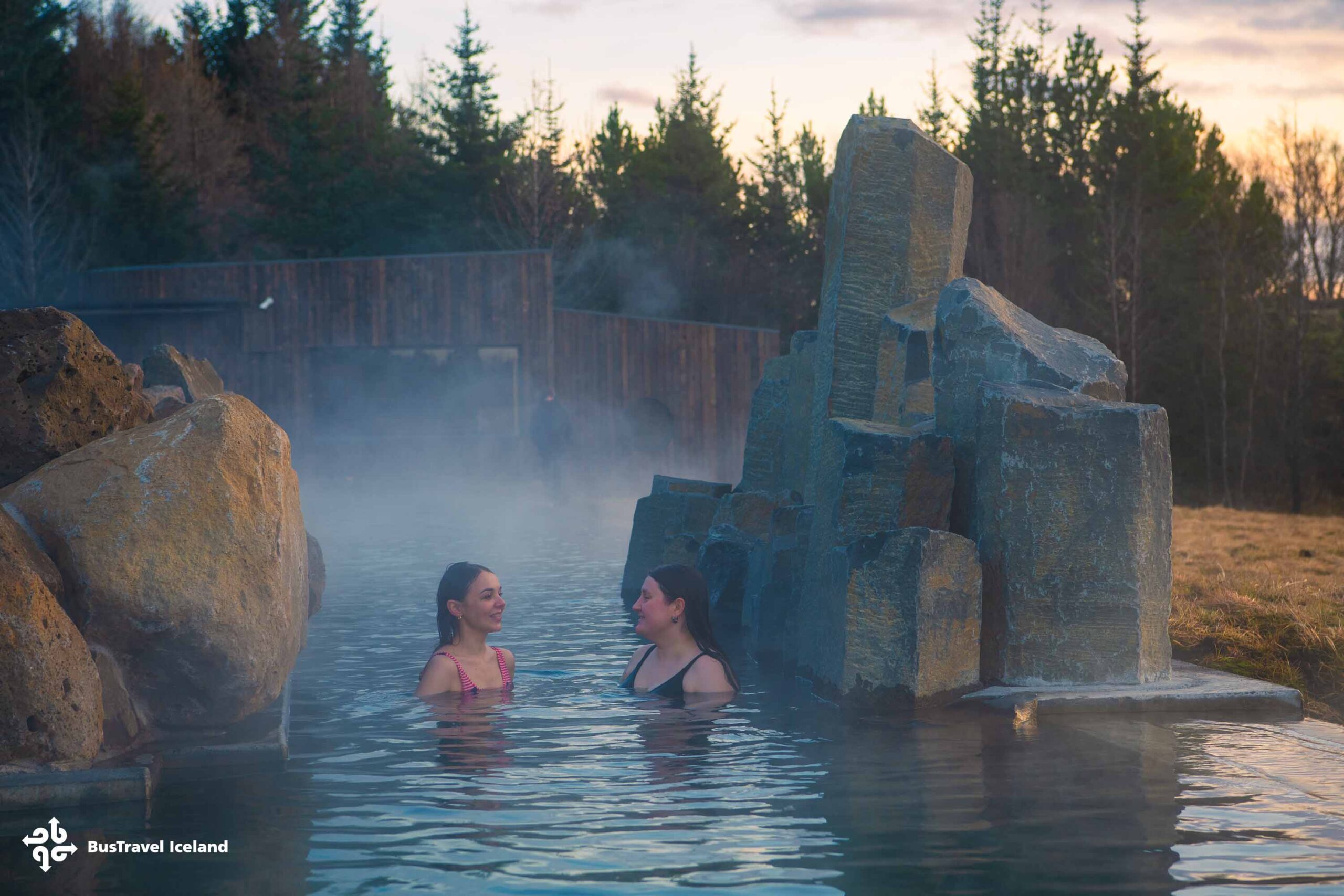
Laugaras Lagoon is a new place for an amazing expereince. [Photo by Yanshu Li]
Exploring an Ice Cave in Iceland in January
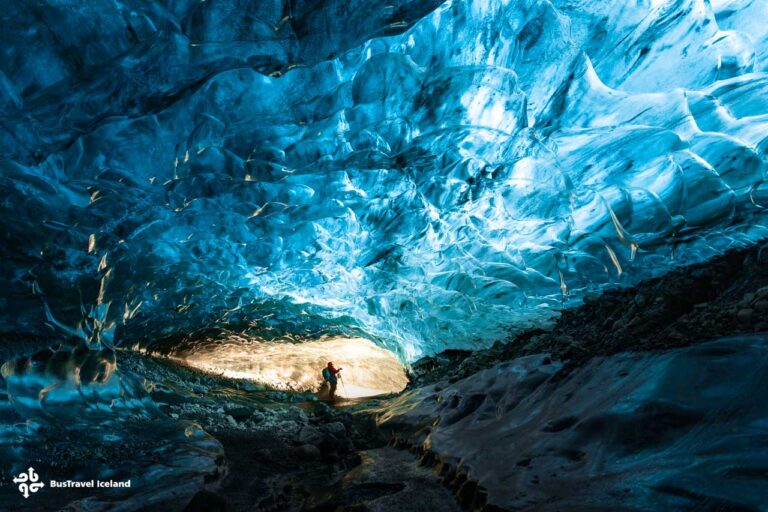
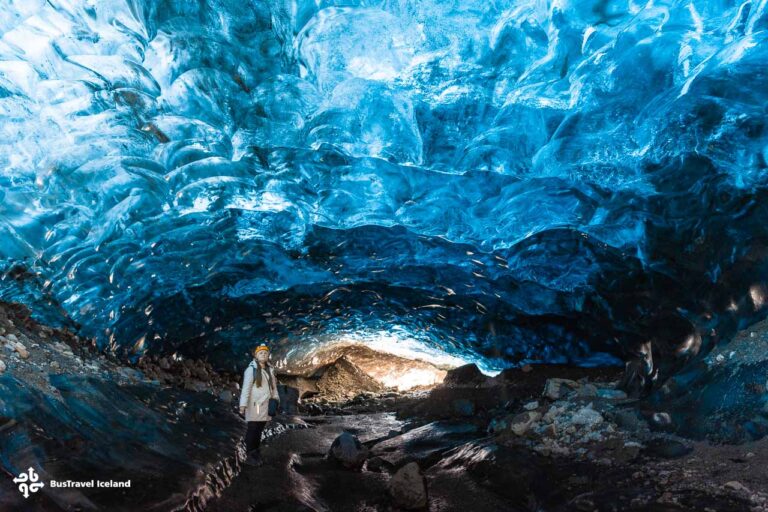
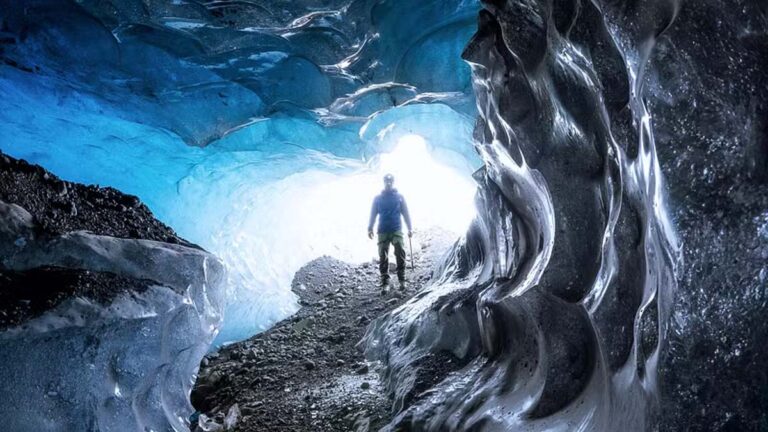
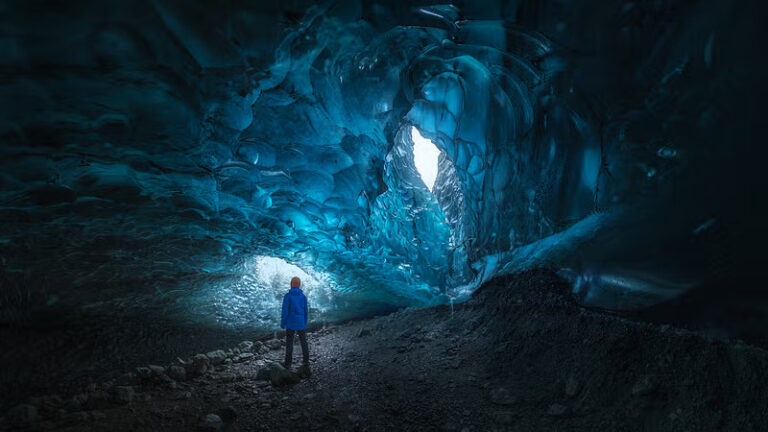
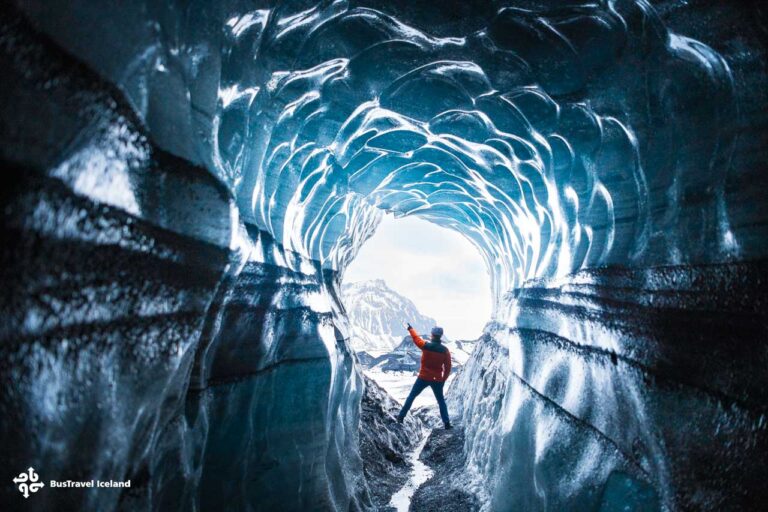
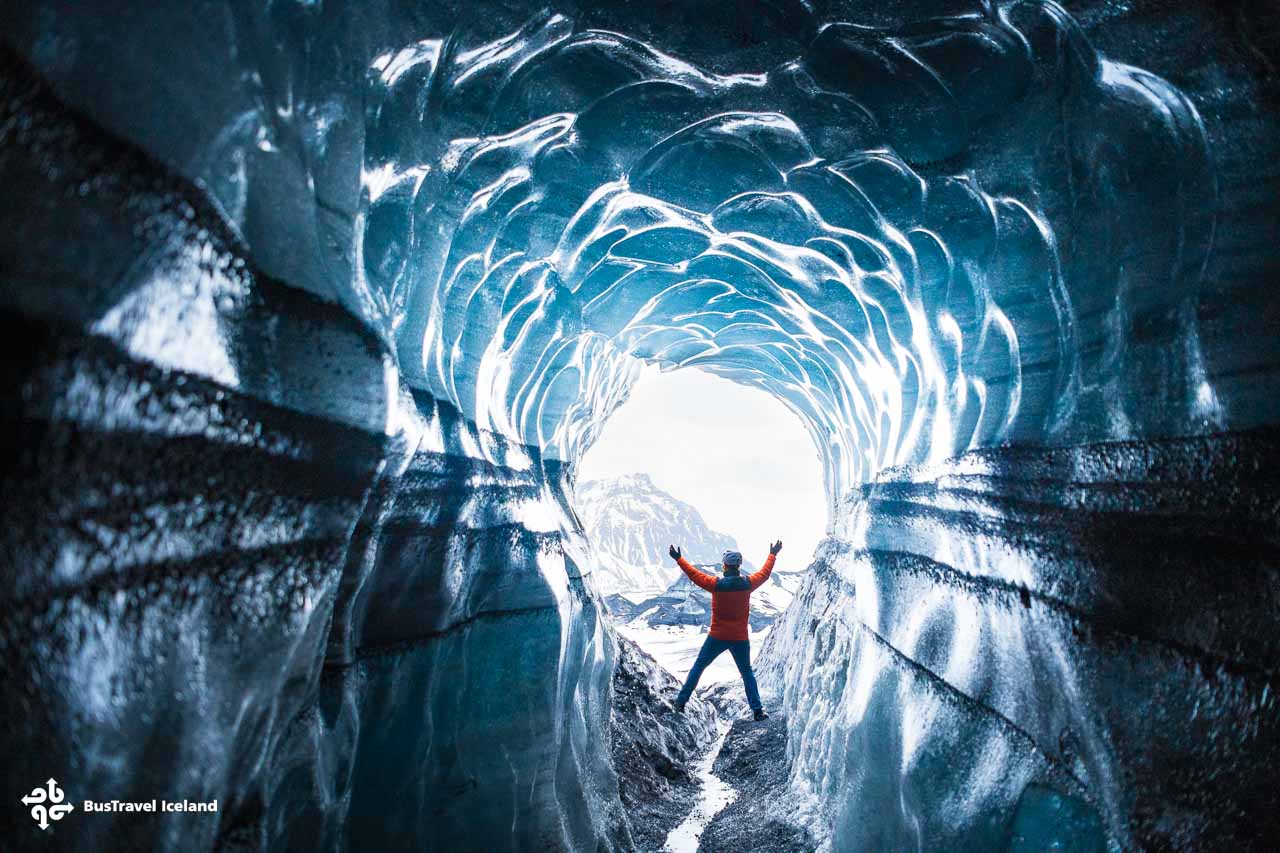
Visiting an ice cave is one of the most unforgettable experiences you can have in Iceland, especially in January. These natural formations are created inside glaciers and are only accessible during the coldest months of the year. January is one of the best times to go because the ice is stable and the conditions are just right for exploring. Inside the caves, you’ll see bright blue ice, fascinating textures, and shapes that look like something from another planet. It’s a rare opportunity to see the beauty and power of nature up close.
The most popular ice caves in Iceland—the famous Blue or Crystal Ice Caves—are formed each winter deep inside Vatnajökull, Europe’s largest glacier. These naturally carved chambers glow in remarkable shades of electric blue, with smooth, translucent walls shaped by centuries of compressed ice. January is the prime time to visit Iceland for this reason, when the cold weather makes the caves clearer and more stable, and guided tours from Jökulsárlón or Skaftafell lead travelers safely inside. Each cave is completely unique to its season, offering a short but unforgettable journey through shimmering ice tunnels and cathedral-like chambers where light dances across ancient glacial textures.
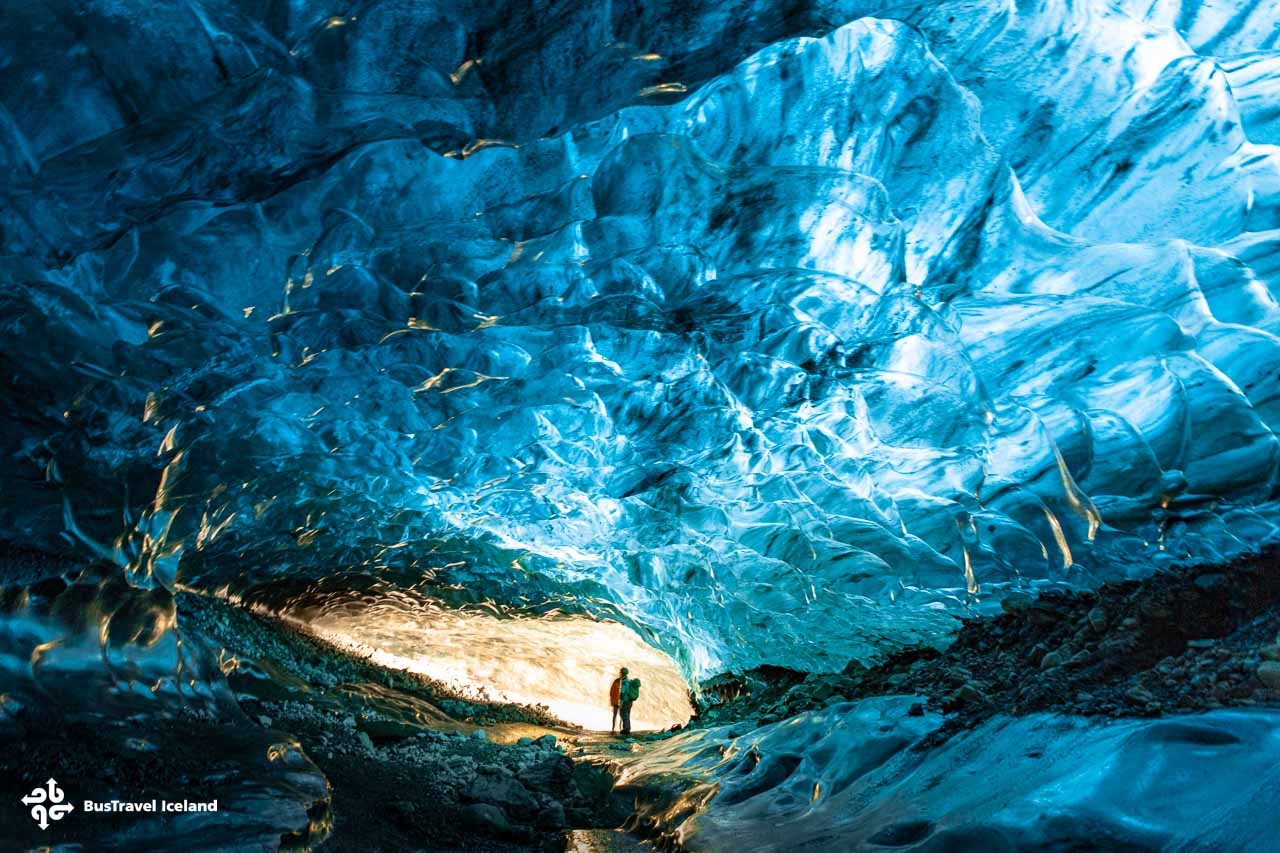
These caves, however, are not something to discover on your own. Access is only possible via a certified glacier guide—both for safety and legality. Conditions inside glaciers can be dangerous without proper knowledge and equipment. Guided tours are the only way to experience this safely, and most depart from southeast Iceland, near the Vatnajökull glacier.
Getting to the ice caves requires planning. The area is a 4.5–6 hour drive from Reykjavík, and in January, winter road conditions are a serious consideration.
Many travelers choose to spend a night near Jökulsárlón or Skaftafell to avoid a rushed day trip and enjoy nearby sights like Diamond Beach or the Glacier Lagoon. A more popular option, especially in winter when road conditions can be tricky, is booking a 2-day or 3-day South Iceland tour that includes an ice cave adventure as an optional add-on. These guided tours take care of the driving, timing, and safety—and often include hidden gems you might miss on your own.
Having a glacier hiking tour in Iceland in January
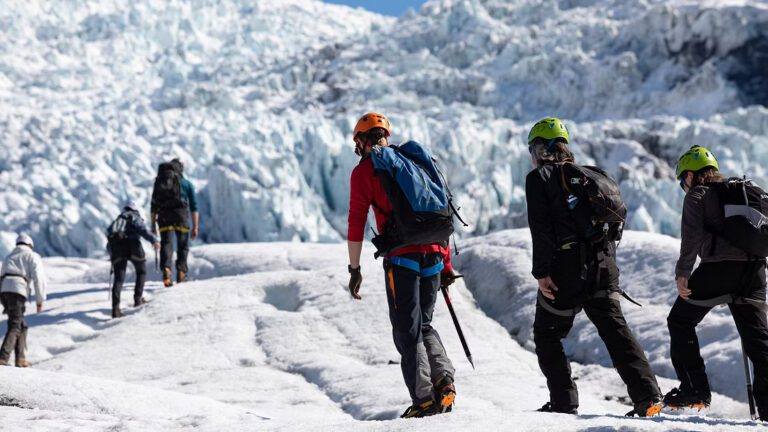
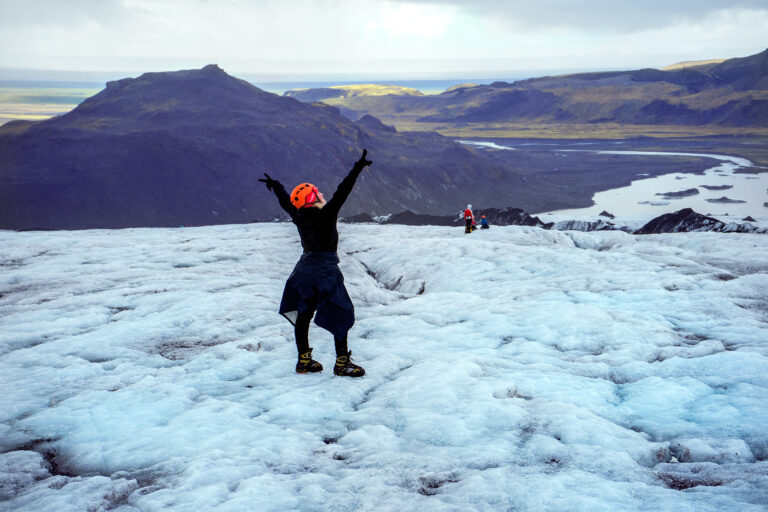
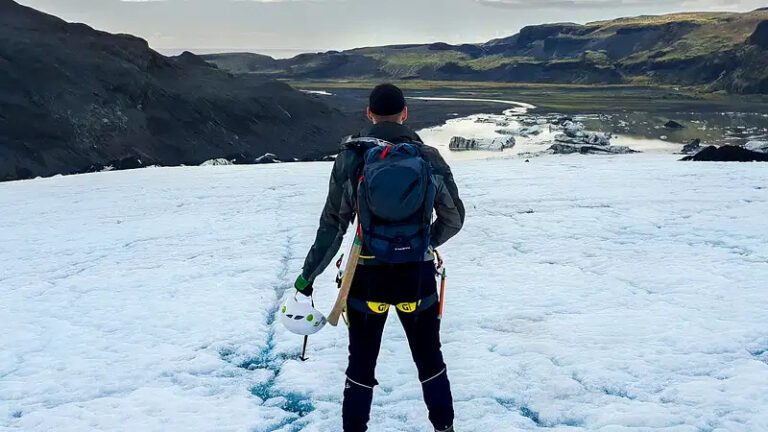
Glacier hiking in Iceland is a true winter highlight, and January offers some of the most dramatic conditions of the year, with deep blue ice, fresh snow, and striking formations you won’t see in summer. The most popular spot is Sólheimajökull on the South Coast, where certified guides lead you safely across ancient ice, through crevasses, and into some of Iceland’s most powerful landscapes. It’s absolutely doable as a day trip from Reykjavík, even in midwinter, with tours leaving early and returning by evening. Still, many travelers opt for a 2–3 day South Iceland tour, which pairs glacier hiking with ice caves, waterfalls, and Northern Lights opportunities—ideal when daylight is limited.
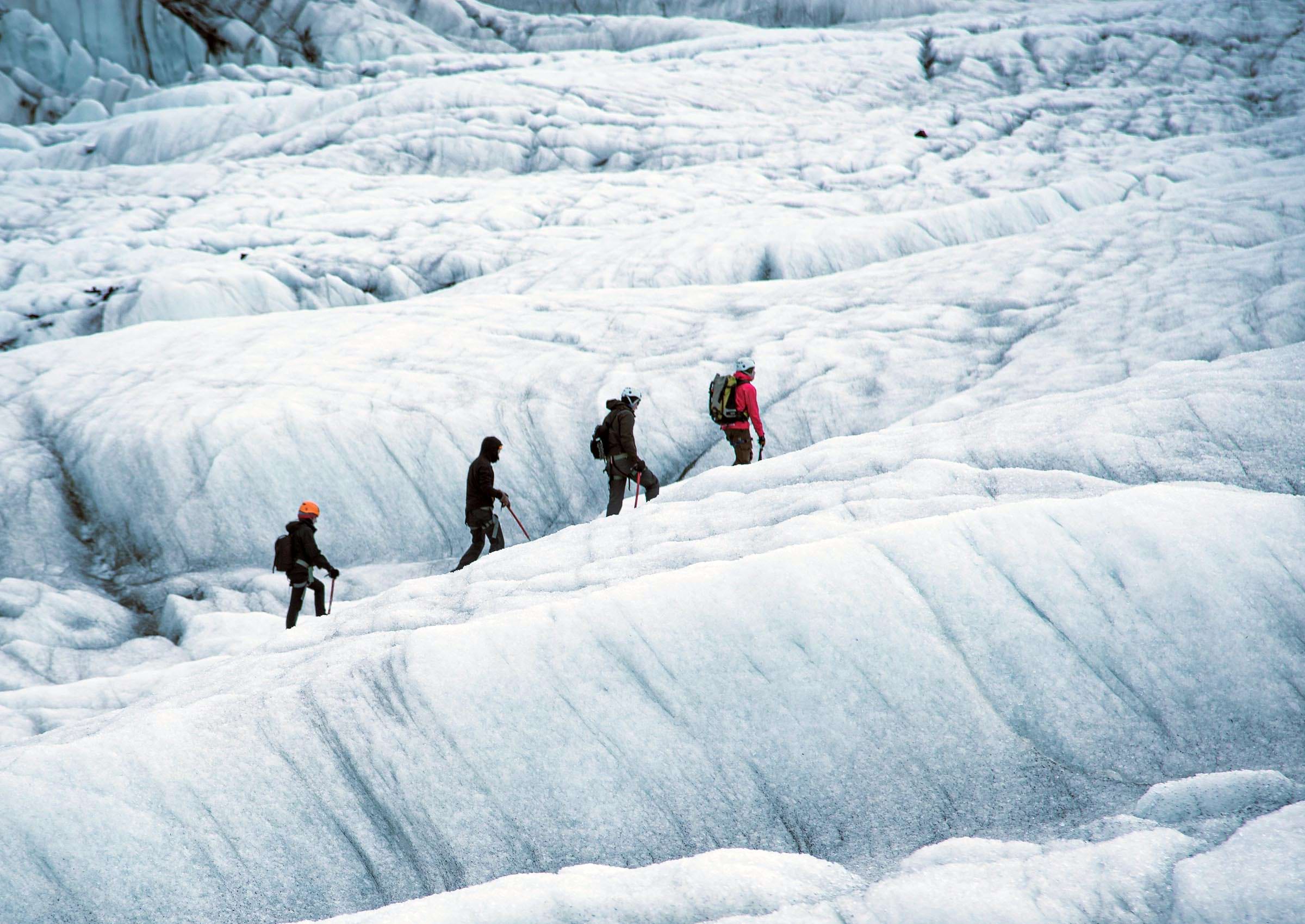
For clothing, think the same as an ice-caving setup: warm, moisture-wicking layers, a waterproof outer shell, thermal gloves, a hat that covers your ears, and sturdy hiking boots. Most operators provide crampons and a helmet, but it’s worth confirming when you book. Stay warm, stay dry, and you’ll have an unforgettable journey across Iceland’s winter ice.
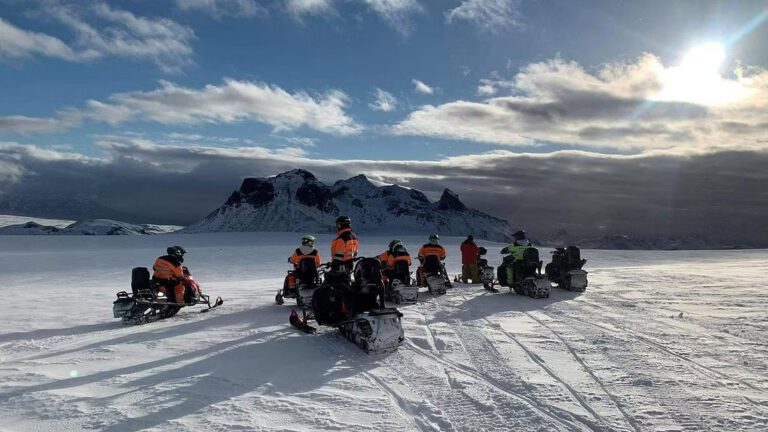
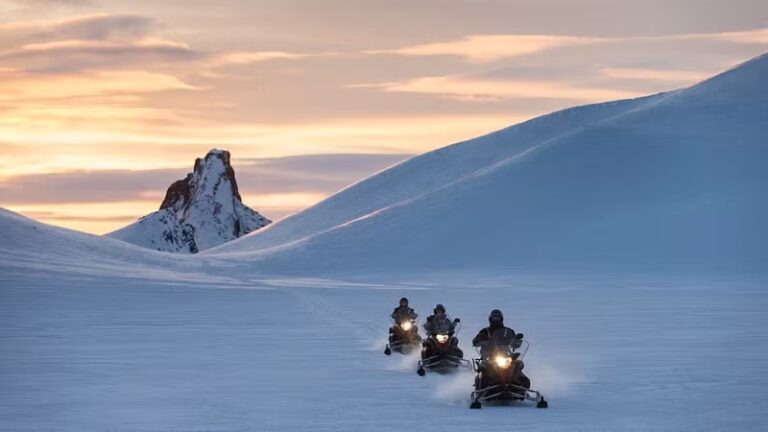
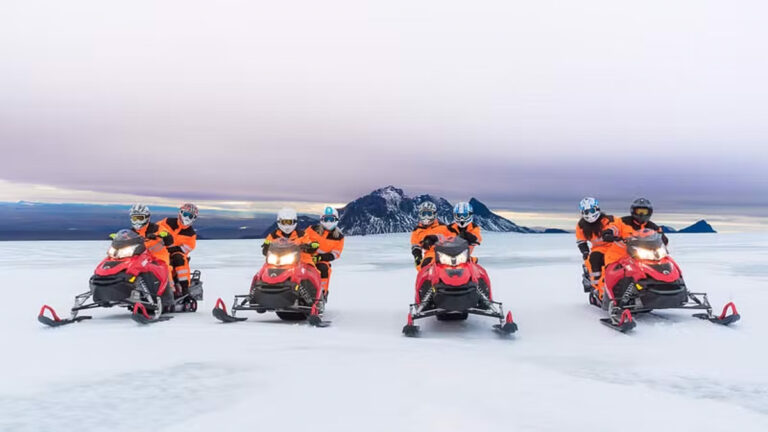
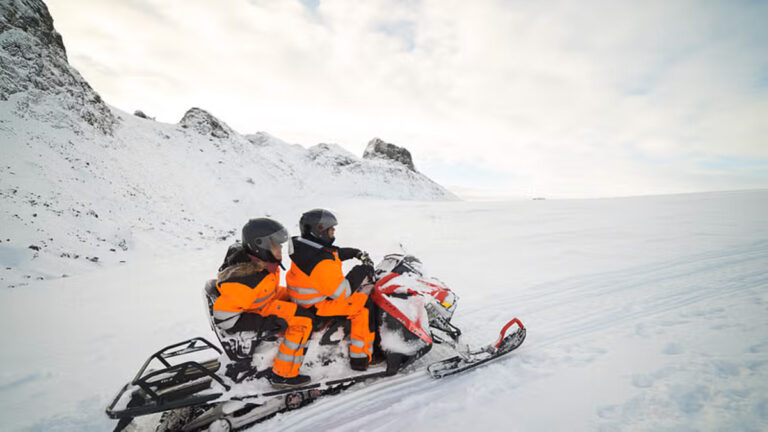
Driving a Snowmobile in Iceland in January
If you’re craving a burst of adrenaline in Iceland’s icy wilderness, snowmobiling in Iceland in January is the perfect way to feel both tiny and thrillingly alive. Vast white landscapes, glacier-covered plateaus, and the sound of nothing but your engine and the wind—it’s like riding across another planet.
One of the most popular spots for snowmobiling is Langjökull, Iceland’s second-largest glacier. Tours often depart from Gullfoss or Reykjavík and include a Super Jeep transfer up to the glacier, making it a great add-on to a Golden Circle day trip.

Dress for your snowmobiling tour just like you would for an ice caving or glacier hike: thermal base layers, a warm mid-layer (like fleece or wool), waterproof outerwear, insulated gloves, and a windproof hat. Most tours provide a snowsuit, helmet, and sometimes boots, but always confirm what’s included before heading out.
Important to know: To drive a snowmobile, you must have a valid driver’s license. If you don’t have one (or don’t feel comfortable driving), you can still join the tour as a passenger riding with a licensed driver.
Horseback Riding in Iceland in January
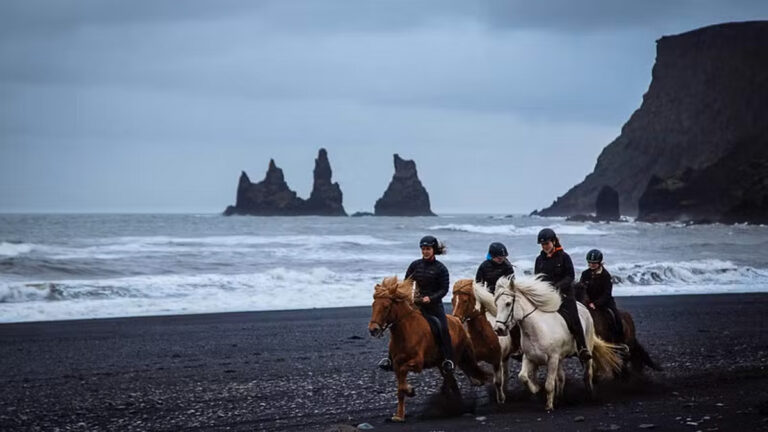
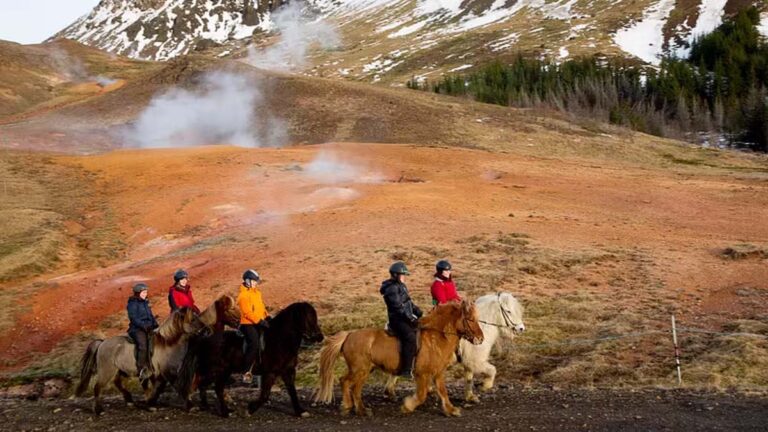
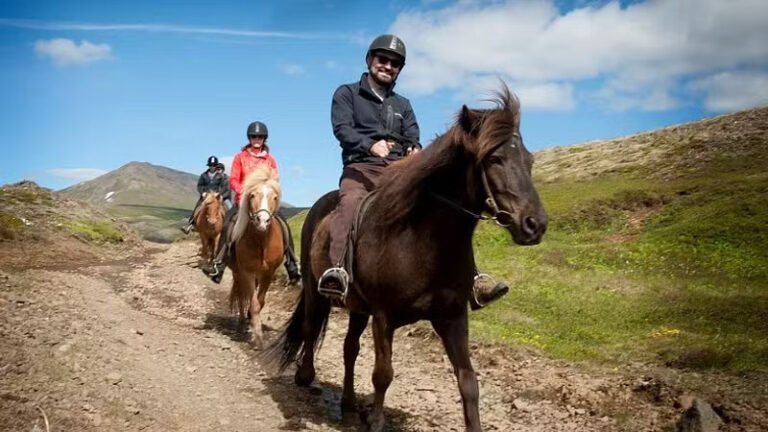
Yes, you can absolutely go horseback riding in Iceland in January. Many stables near Reykjavík, such as those in Mosfellsdalur or South Iceland, operate year-round and offer short, guided tours designed specifically for winter conditions.
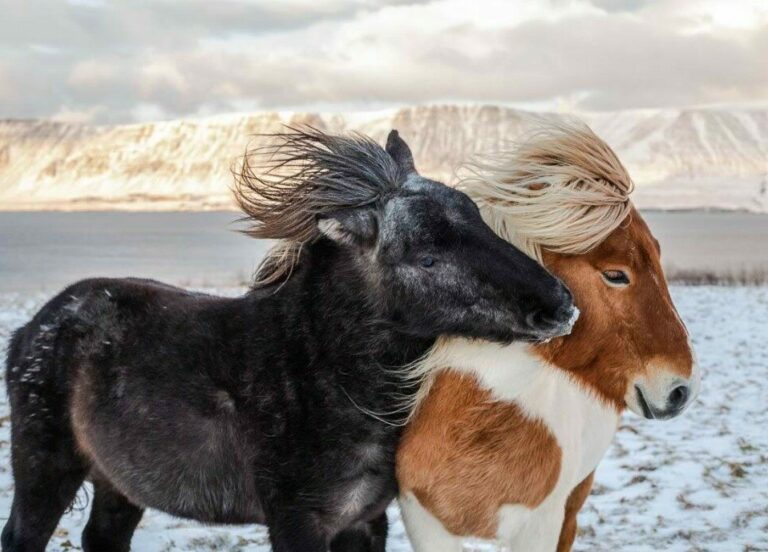
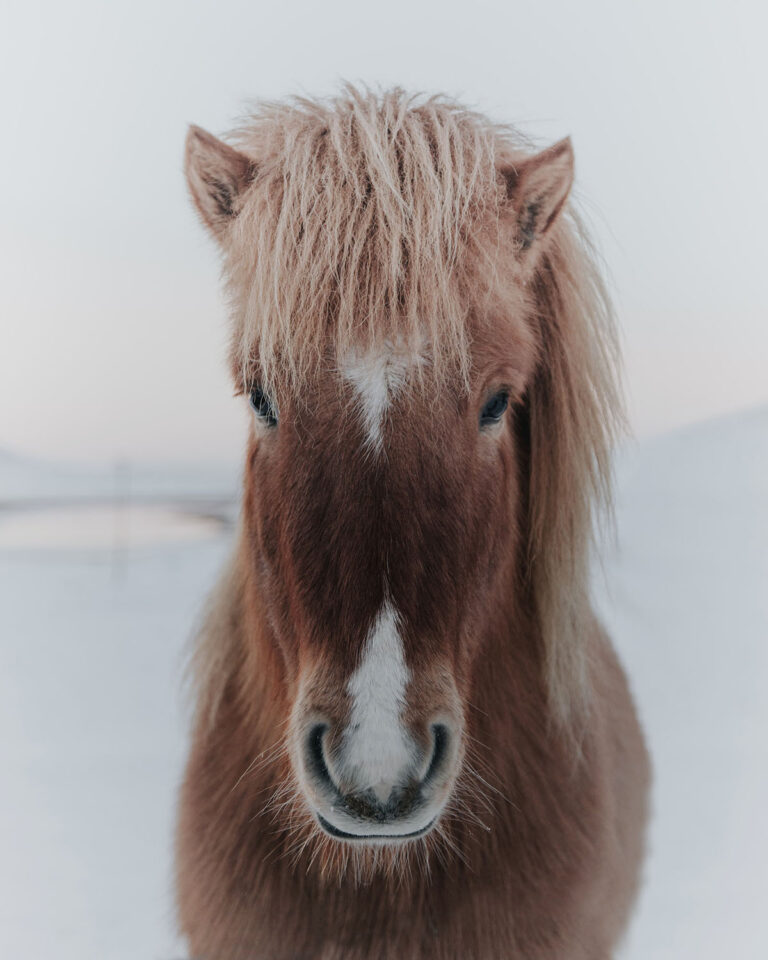
Riding an Icelandic horse through snowy fields or along a frost-covered lava trail in January is like stepping into a scene from a storybook. These small, sturdy horses are famous for their friendly nature and unique tölt gait—a smooth ride even on uneven terrain, which makes them perfect for beginners and experienced riders alike.
Expect crisp air, peaceful silence, and wide-open winter landscapes—with the occasional puff of steam from a nearby hot spring or a herd of horses dotting the hills. The scenery is serene, and the horses are incredibly sure-footed, even on icy paths.

Dress warmly and in layers, just like you would for glacier hiking or snowmobiling. Most stables will provide insulated overalls, helmets, and sometimes even boots, but wear:
- Thermal base layers
- A warm sweater or fleece
- Waterproof outerwear
- Gloves and a hat that fits under a helmet
- Thick socks and sturdy boots (if not provided)
Good to know: No previous riding experience is necessary—just let your guide know your comfort level, and they’ll match you with the right horse.
Snorkeling and Diving in Iceland in January
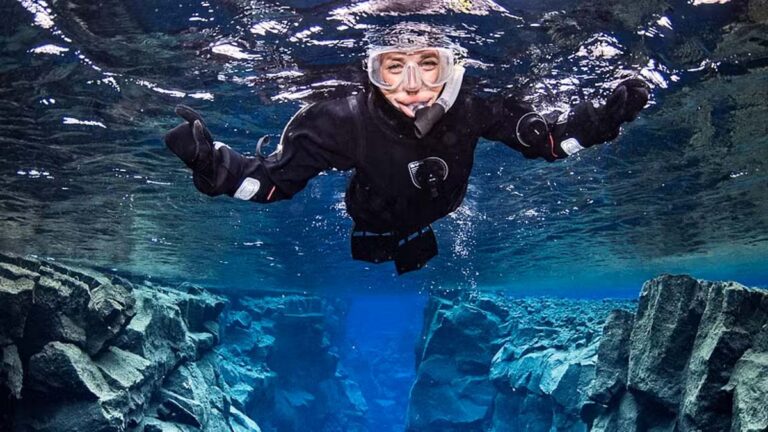
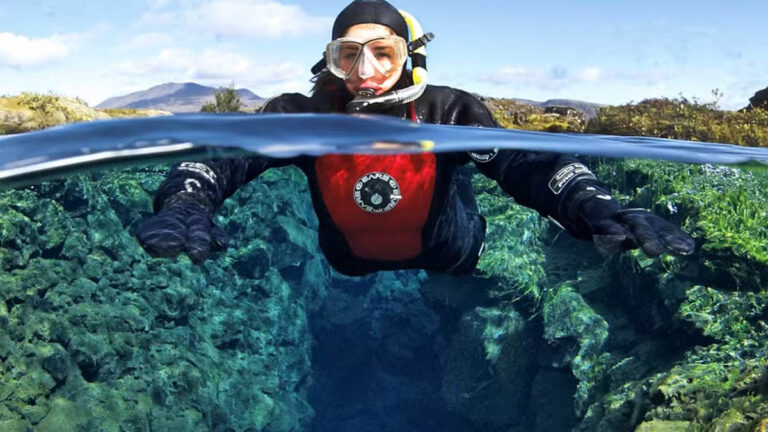
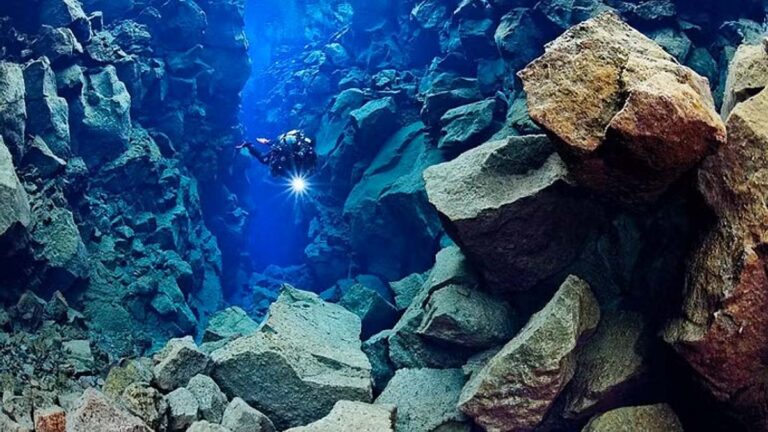
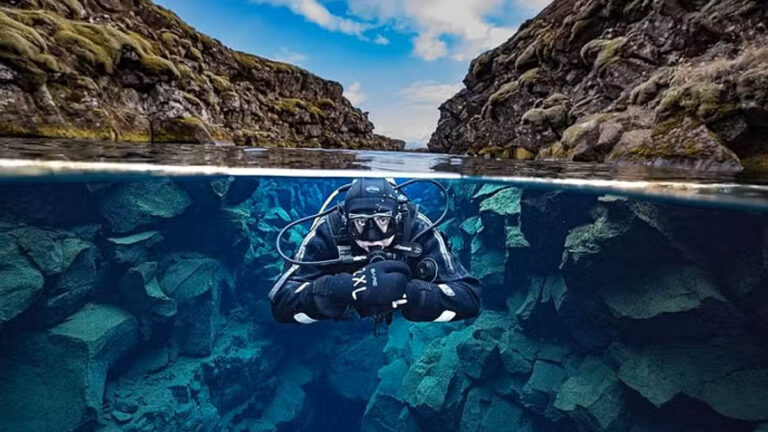
Snorkeling or diving in Iceland in January offers a truly unique experience at Silfra, a crystal-clear fissure between the North American and Eurasian tectonic plates in Þingvellir National Park. Drifting between continents in water with over 100 meters of visibility—often described as “liquid glass”—is unforgettable. Despite the winter air, the water temperature remains a consistent 2–4°C (35–39°F) year-round, and snowy surroundings make the scenery even more dramatic.
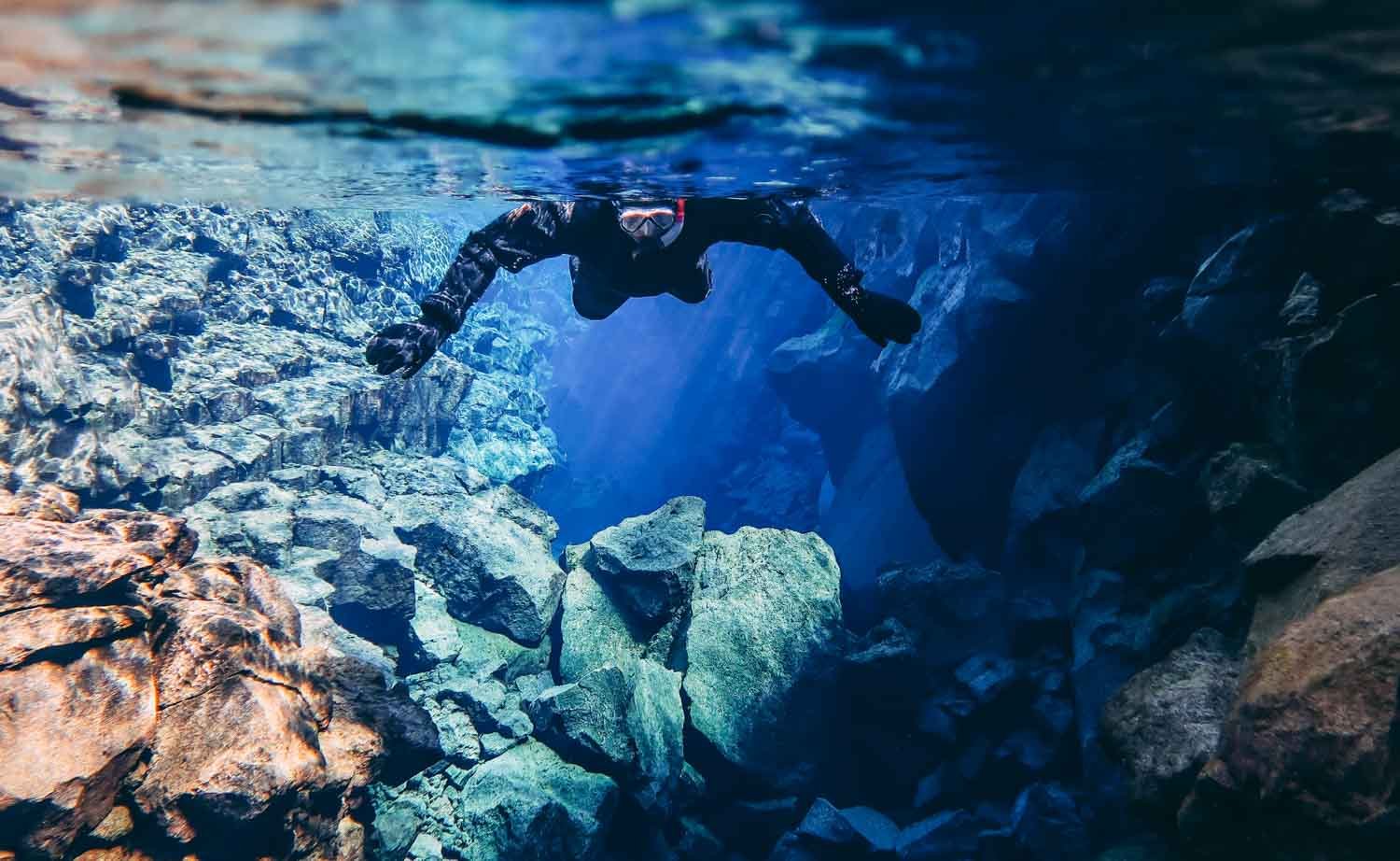
High-quality drysuits provided by certified tour operators, combined with thermal base layers, keep you comfortable, and while you may feel the cold on your face and hands, the water itself is surprisingly manageable. Certified divers can explore Silfra’s submerged canyon and massive rock formations, experiencing a heightened sense of focus and wonder. The only chilly moments are the transitions in and out of the water; once submerged, the peaceful silence and surreal clarity make the cold fade away. Proper preparation—warm layers, thick socks, and cozy clothing for before and after the tour—ensures a safe, comfortable, and unforgettable adventure.
Wildlife Watching in Iceland in January
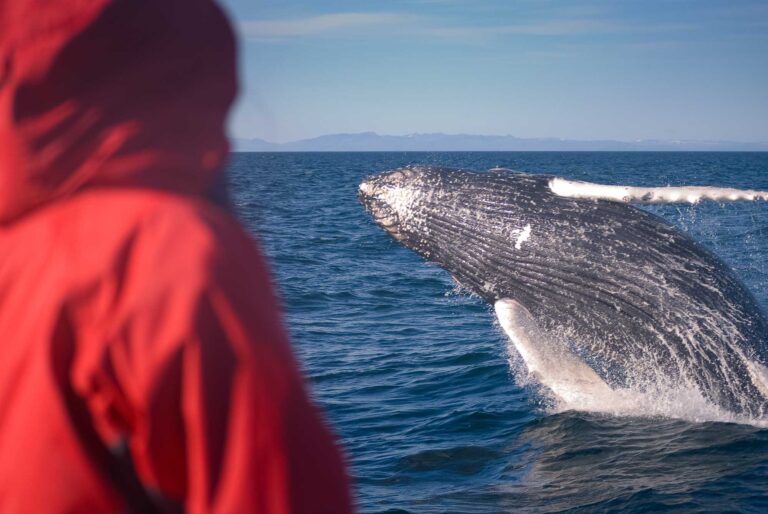
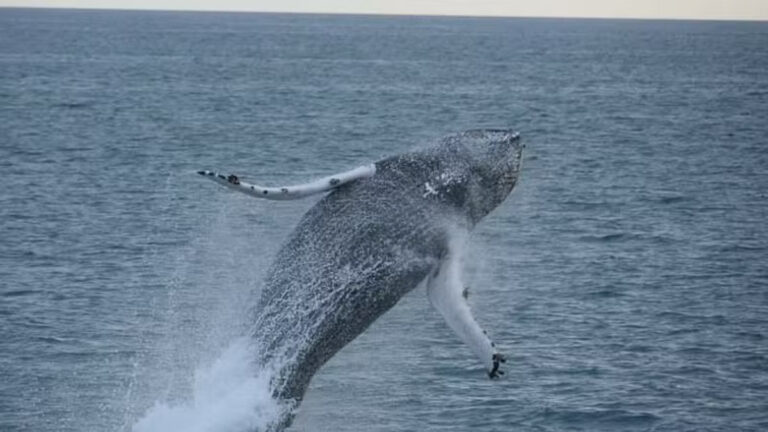
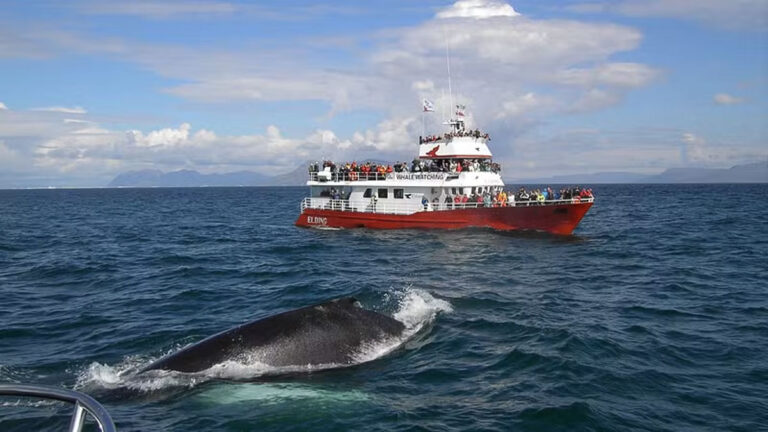
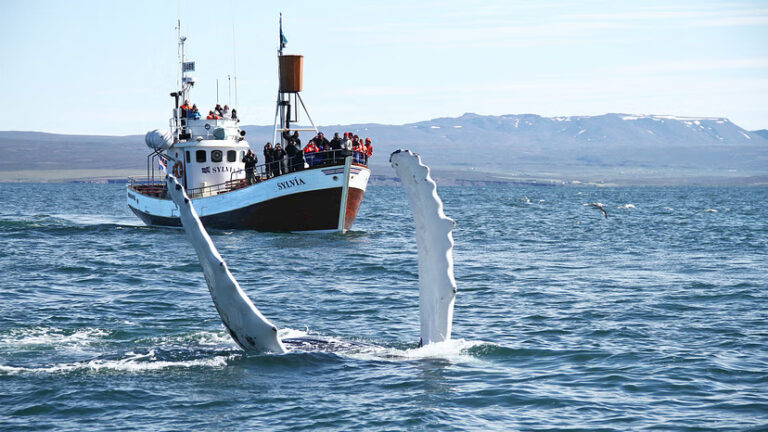
While January isn’t the peak season for wildlife in Iceland, winter still offers unique and rewarding encounters for nature enthusiasts. Whale watching tours operate from Reykjavík’s Old Harbor, venturing into the icy waters of Faxaflói Bay. Although the variety of whales is more limited than in summer, visitors can often spot minke whales, white-beaked dolphins, and harbor porpoises, with occasional sightings of orcas or humpbacks. Tours are subject to weather conditions—cold, wind, and rough seas are common—so dressing in warm layers and using insulated overalls provided by operators is essential, and flexibility is key.
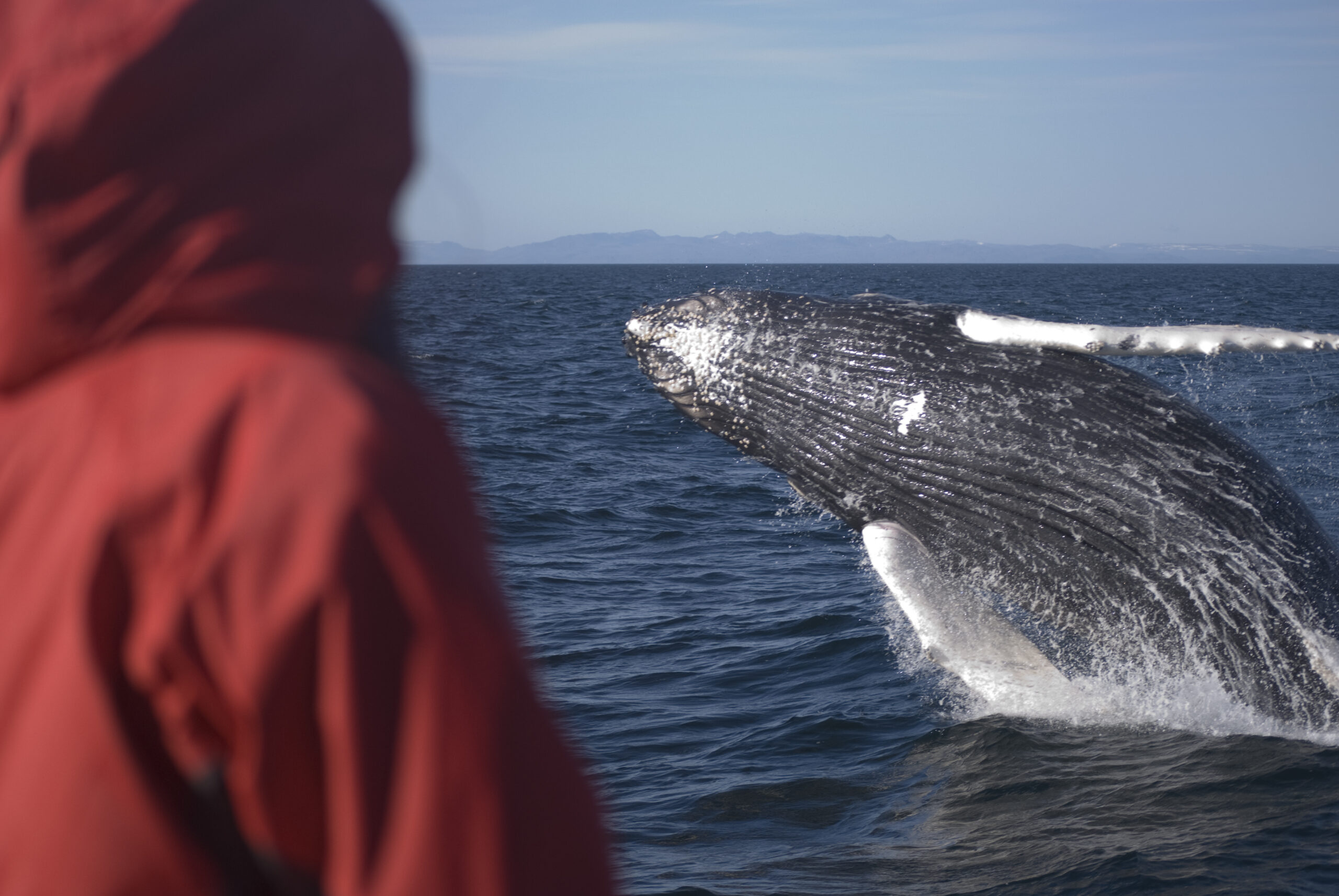
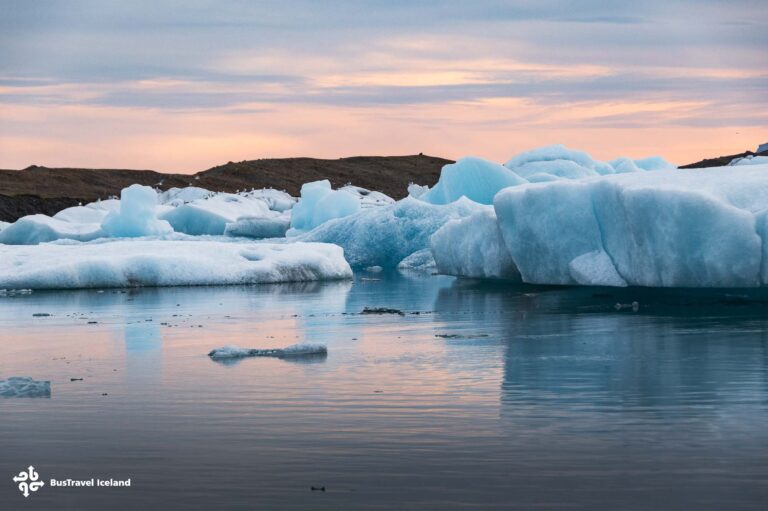
Beyond the whales, Iceland’s winter wildlife reveals its own quiet magic. In the Eastfjords, wild reindeer descend from the mountains, roaming snowy valleys, while seals can be seen lounging among the icebergs at coastal spots like Jökulsárlón Glacier Lagoon. Though migratory birds like puffins are absent, hardy species such as ptarmigans in winter plumage, ravens, and seabirds navigating the coastal winds provide memorable encounters. In January, wildlife watching is quieter and more intimate than in other seasons, allowing travelers to experience Iceland’s stark, snowy landscapes with moments of serene and often surprising connection to its resilient inhabitants.
Holiday and Events in January in Iceland
January in Iceland is a quiet yet festive month, marked by cozy winter traditions and local celebrations. While the holiday rush of Christmas and New Year winds down, Icelanders embrace the season with cultural events, music, and community gatherings that showcase the country’s unique winter spirit. From sparkling fireworks to intimate festivals, January offers a glimpse of Icelandic life at its most atmospheric and authentic.
The Thirteenth of Christmas (Þrettándinn): Iceland’s Magical Farewell to the Holidays
While most countries wind down the holiday season after New Year’s, Iceland keeps the festive spirit alive a little longer. January 6th marks Þrettándinn, or “The Thirteenth of Christmas,” a day steeped in folklore and quiet magic. According to Icelandic tradition, this is the night when the last of the 13 Yule Lads—Iceland’s mischievous Santa-like figures—return to the mountains, and the hidden world of elves and trolls stirs once more.
In towns and villages across the country, Þrettándinn is celebrated with bonfires, fireworks, and community gatherings. People light up the dark winter night one last time before packing away the decorations, saying farewell to Christmas with warmth and wonder. Children often dress up as elves or magical creatures, and stories of mythical beings are shared around the fire.
It’s a beautiful blend of old Norse belief and modern festivity—a night that feels both cozy and otherworldly. If you’re in Iceland during the first week of January, it’s a quiet but magical way to witness the country’s deep connection to tradition and storytelling.
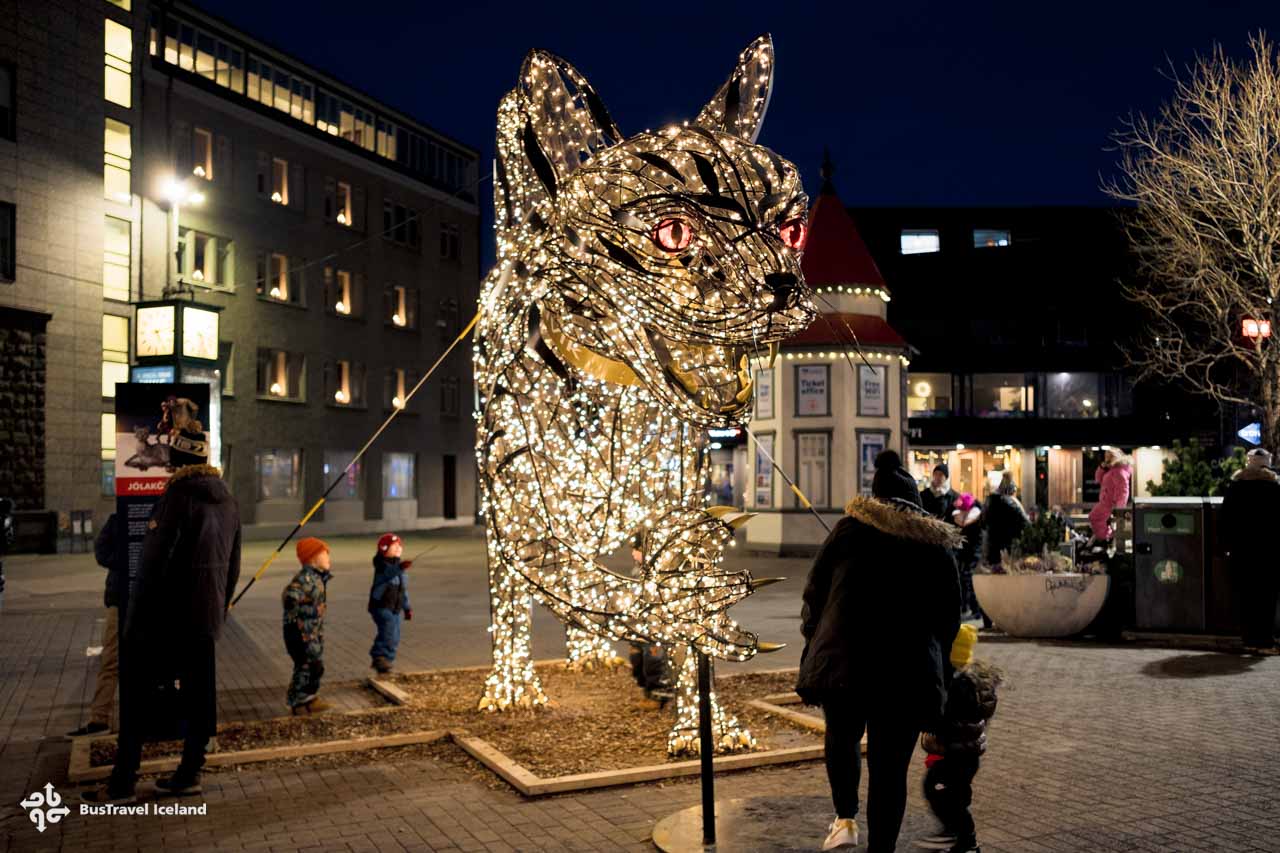
Dark Music Days: Iceland’s Bold Midwinter Soundscape
In the heart of Iceland’s darkest season, when daylight is fleeting and the landscape feels almost otherworldly, Reykjavík comes alive with sound during Dark Music Days (Myrkir Músíkdagar). Held in late January, this annual festival transforms the long nights into a stage for experimental, contemporary, and boundary-pushing music. Founded in 1980 by the Icelandic Composers Society, the event has become a platform for both Icelandic and international composers to explore bold sonic ideas—often inspired by the dramatic natural surroundings.
Concerts are hosted in stunning venues like Harpa Concert Hall, where icy glass architecture reflects the wintry mood, creating an immersive setting for everything from avant-garde orchestral works to intimate solo performances. The lineup changes each year, but it always leans into the unexpected: think electronic compositions, new classical pieces, sound installations, and collaborations across art forms.
The Reykjavík International Games: Winter Sports with a Global Spirit
While Iceland in January might conjure images of snowy hikes and cozy hot springs, it’s also home to one of the country’s biggest multi-sport events: The Reykjavík International Games (RIG). Held each year in late January, this dynamic festival of sport brings together athletes from around the world to compete in a wide range of disciplines—from athletics, swimming, and judo to figure skating, gymnastics, and powerlifting.
Hosted mainly in Reykjavík’s modern sports venues like Laugardalshöll and the city’s Olympic-size pools, RIG blends high-level competition with an inclusive, celebratory spirit. It’s not just for elite athletes—amateurs and youth divisions often take part too, making the event feel lively, community-driven, and internationally welcoming.
Food Culture in Iceland in January: Cozy, Bold, and Deeply Local
January in Iceland is the perfect time of year to experience the country’s rich food traditions—hearty, warming meals that reflect the cold season and Iceland’s deep connection to land and sea. Think slow-cooked lamb, creamy seafood soups, and rye bread baked in geothermal heat.
The month also leads into Þorrablót, a midwinter feast rooted in survival and heritage. Some restaurants begin serving Þorramatur, a platter of fermented and preserved delicacies like hákarl (fermented shark), smoked lamb, and pickled herring. It’s bold, historic, and usually paired with a shot of Brennivín.
Meanwhile, Reykjavík’s food scene brings a modern twist—creative tasting menus, fresh fish dishes, and cozy cafés offering pastries and rich hot chocolate. Whether you’re trying traditional fare or contemporary Icelandic cuisine, eating in January is a delicious way to connect with the season and the culture.

What to See in Iceland in January
Iceland in January is a land of contrasts—snow-draped landscapes, steaming geothermal springs, and long nights lit by the Northern Lights. While some areas are quieter in winter, the country’s most iconic sights are still accessible and often even more magical under a blanket of snow. Whether you stay near Reykjavík or venture into more remote regions, January offers a unique, peaceful way to experience Iceland’s raw beauty.
The Golden Circle in Iceland in January
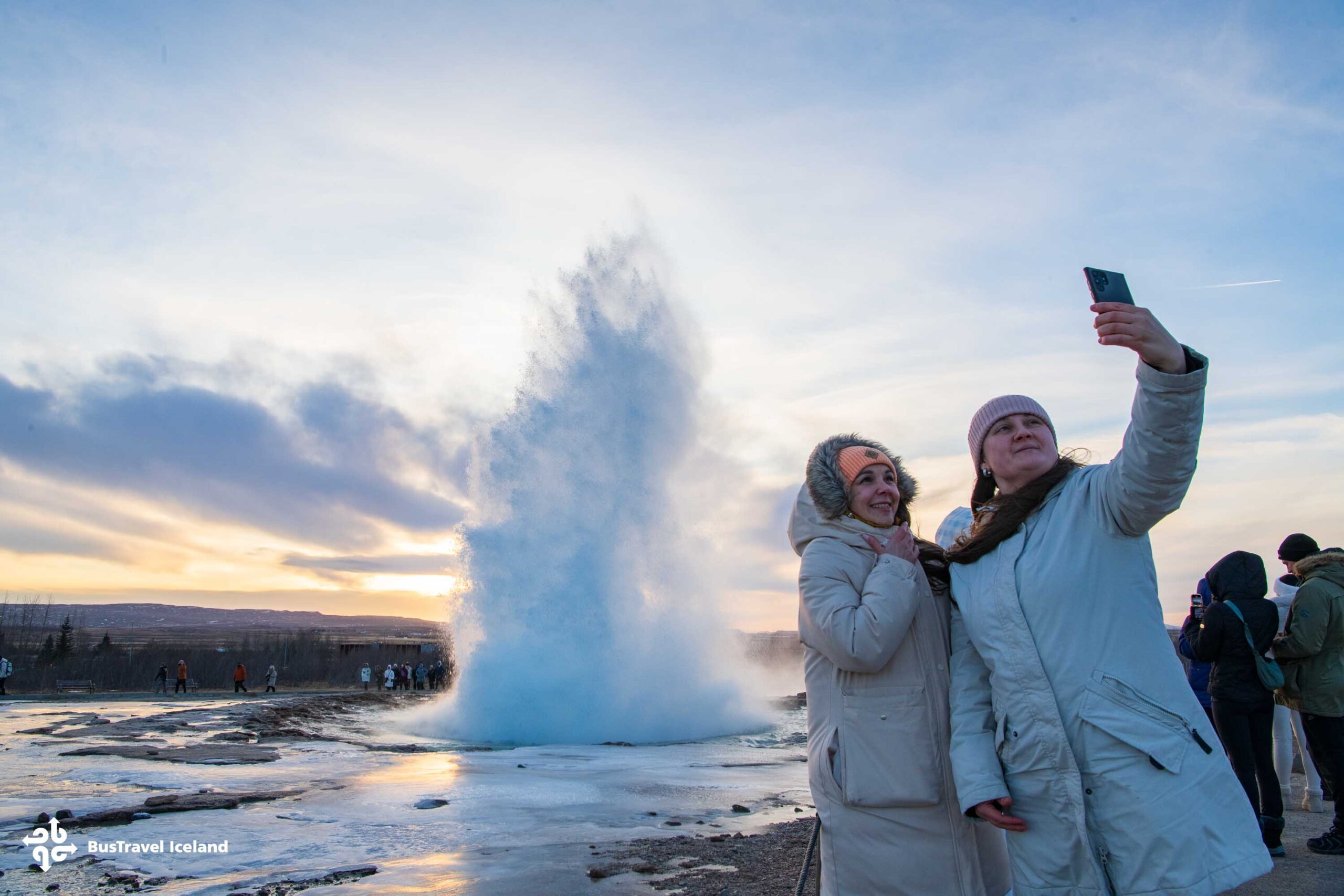
The Golden Circle is one of the easiest and most rewarding winter routes. In January, Þingvellir National Park glows with icy serenity, Geysir steams dramatically in the cold air, and Gullfoss waterfall crashes through frozen cliffs. Roads are well-maintained, and the loop can be done as a day trip from Reykjavík—even with stops for snow-covered landscapes, geothermal spas, or a cozy lunch along the way.
Iceland’s South Coast in January
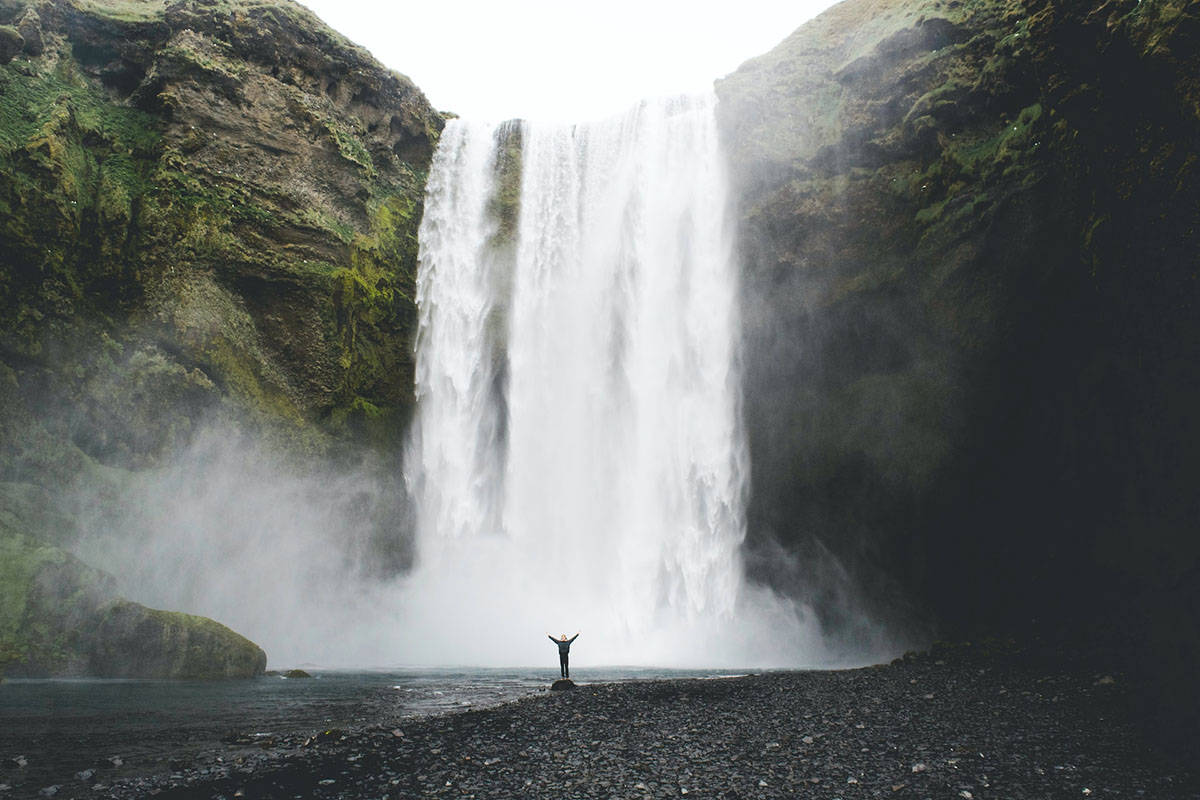
The South Coast is a dreamscape in winter, dotted with black-sand beaches, icy waterfalls, and towering glaciers. Visit Seljalandsfoss and Skógafoss, see the frozen basalt columns at Reynisfjara, and explore the charming town of Vík. If conditions are safe, you can even join a tour to Jökulsárlón Glacier Lagoon or explore an ice cave beneath Vatnajökull. It’s one of the best regions to see a dramatic mix of fire, ice, and ocean in one unforgettable drive.
North Iceland in January
North Iceland is quieter in winter—but that’s part of its charm. In January, this region feels wonderfully remote. Explore Akureyri, Iceland’s “capital of the north,” wander its charming streets, and visit highlights like the Akureyri Botanical Garden and the iconic church overlooking the town. Venture onward to the stunning Goðafoss waterfall, soak in the Mývatn Nature Baths, and explore the geothermal wonders of the Mývatn region—from steaming fumaroles at Námaskarð to the otherworldly lava formations of Dimmuborgir. If you’re lucky, you may even catch the Northern Lights dancing over snow-covered lava fields. The roads can be more challenging in winter, but the raw, untouched beauty and peaceful pace make it worth the journey for adventurous travelers.
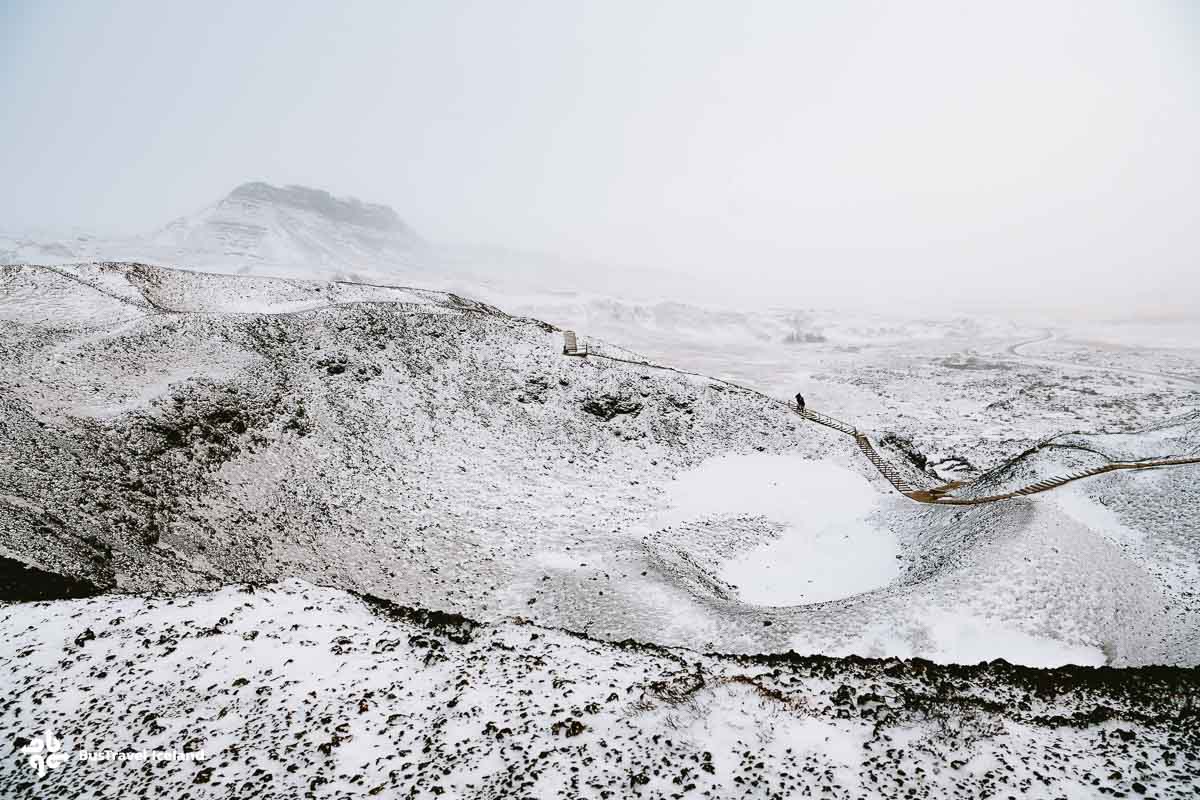
The Snæfellsnes Peninsula in Iceland in January
Often called “Iceland in Miniature,” the Snæfellsnes Peninsula offers an incredible variety of scenery, all within a few hours of Reykjavík. In January, it’s quieter, moodier, and strikingly beautiful. You’ll find Kirkjufell mountain dusted with snow, Snæfellsjökull glacier looming in the distance, and windswept beaches that feel straight out of a storybook. It’s a perfect choice for a winter day trip or a slow-paced overnight stay.

Westfjords in January
Remote, rugged, and breathtakingly untouched, the Westfjords offer a glimpse of Iceland at its rawest. Dramatic coastlines, steep mountains, and tiny fishing villages create a starkly beautiful winter landscape, often blanketed in snow. January travel here isn’t for the casual visitor—roads can be icy or closed, and heavy snow makes some areas inaccessible without a 4×4, local knowledge, or guided tours.
For those who venture in, the rewards are immense: uncrowded hot springs like Hellulaug and Reykjafjarðarlaug steam peacefully in the snow, villages like Ísafjörður feel timeless, and the dark winter skies offer prime conditions for Northern Lights viewing. Reaching the region requires careful planning—driving from Reykjavík is possible but challenging, or travelers can fly to Ísafjörður and continue by rental car or guided tour. Despite the logistical challenges, the Westfjords in January promise solitude, adventure, and unforgettable natural beauty.
What Are Indoor Things You Can Do During a Rainy January in Iceland?
Even in the midst of Iceland’s chilly, rainy January, there’s plenty to keep you warm, entertained, and immersed in Icelandic culture. Museums are a great way to dive into the country’s history, art, and natural wonders. In Reykjavík, you can explore the National Museum of Iceland, Reykjavík Art Museum, or the Saga Museum, which brings Viking history vividly to life. For a more hands-on experience, check out the Árbær Open Air Museum, where some indoor exhibits highlight traditional Icelandic life.
Geothermal pools and spas offer another classic Icelandic experience—relaxing in a warm pool while snow or rain falls around you is uniquely magical. The Blue Lagoon, Sky Lagoon, or smaller local pools provide comfort, wellness, and stunning surroundings, even on gray days.
Food and drink also become an indoor adventure. Cozy cafés and restaurants in Reykjavík serve hearty local fare like lamb soup, seafood, and Icelandic pastries. Specialty cafés double as cultural hubs, perfect for warming up with a coffee and exploring Icelandic literature or art.
What to Pack for Iceland in January
Visiting Iceland in January means preparing for true Arctic winter conditions and harsh outdoor activities, where temperatures hover around freezing, weather can shift in minutes, and daylight is limited to just a few hours. Knowing what to wear in Iceland in January and packing wisely is essential not only for comfort but also to fully enjoy the country’s dramatic landscapes, from glaciers and volcanoes to hot springs and fjords.
- Clothing: Layering is Key
Icelandic winter is unpredictable, so dressing in layers is the most effective way to stay warm and dry. Start with a base layer made of wool or synthetic moisture-wicking materials to keep sweat away from your skin. On top of this, add an insulating mid-layer, such as a fleece or lightweight down jacket. Finally, wear a windproof and waterproof outer layer—a reliable winter shell or parka that can withstand snow, rain, and strong coastal winds. Thermal leggings or wool pants under regular trousers can make long days outdoors far more comfortable. For added warmth, bring a scarf, thermal socks, gloves, and a warm hat—ideally items that cover ears and wrists to prevent heat loss. - Footwear: Waterproof and Insulated
Walking through snow, slush, and uneven terrain is inevitable, so sturdy, waterproof winter boots with good insulation and non-slip soles are essential. If you plan on hiking glaciers, exploring lava fields, or venturing off beaten paths, consider bringing crampons or traction cleats that fit your boots for icy conditions. - Accessories: Protection Against the Elements
Sunglasses may seem unnecessary in the winter months, but Iceland’s low sun angle and snow glare make eye protection important. A high-quality, waterproof backpack is useful for carrying extra layers, snacks, or camera equipment while keeping everything dry. Hand and foot warmers are small but invaluable for long hikes or Northern Lights excursions. - Swimwear: Geothermal Pools and Hot Springs
Even in January, Iceland’s geothermal pools are irresistible. Bring a swimsuit, quick-dry towel, and a waterproof bag for wet gear. Pools like the Blue Lagoon or local community pools offer a warm, relaxing break from the cold—often with snow falling around you for dramatic effect. - Electronics and Photography Gear
If you plan to capture Iceland’s dramatic landscapes, bring a camera with extra batteries—cold temperatures can drain battery life quickly. Waterproof or weather-resistant covers for your phone and camera are highly recommended, along with a portable charger for long days on the road. - Optional but Useful Items
- Travel thermos for hot drinks while exploring remote areas.
- Headlamp or small flashlight for limited daylight hours and Northern Lights photography.
- Reusable water bottle—tap water in Iceland is some of the purest in the world.
- Small first aid kit and any personal medications.
- Special Considerations for Activities: If you plan to do ice caving, glacier hiking, or snorkeling/diving in Silfra, check with your tour operator for required clothing and gear. Most provide insulated overalls, helmets, and other safety equipment, but layering underneath is crucial. For volcano or rugged terrain hikes, waterproof hiking pants and gaiters can prevent snow or ash from soaking your boots.
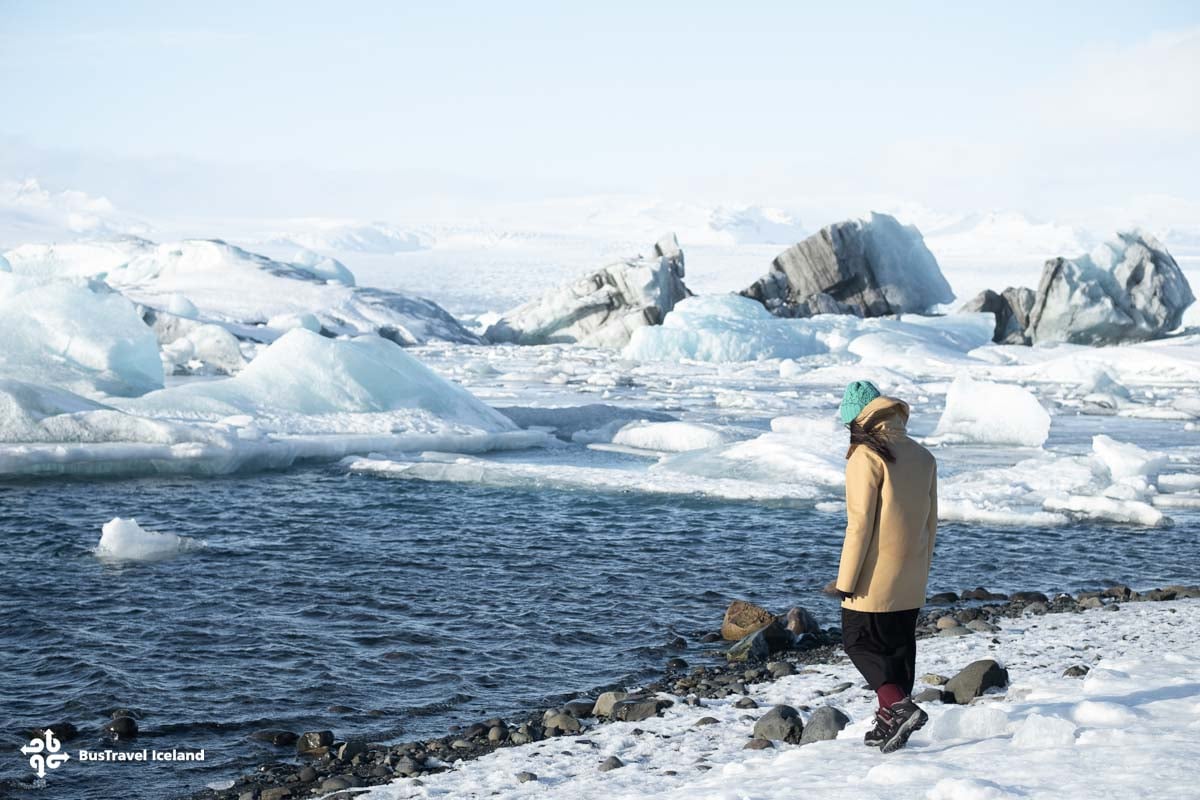
Driving in Iceland in January
Driving in Iceland during January requires preparation, caution, and respect for winter conditions. Temperatures hover around freezing, and roads can be icy, snow-covered, or slushy, particularly in rural areas and the North, East Fjords, and Westfjords. Coastal regions such as Reykjavík are slightly milder but still exposed to strong winds and sudden weather shifts.
Many main roads, including the Ring Road, are maintained and plowed regularly, but highland routes are closed for the season. Drivers should check daily road conditions and weather forecasts through the Icelandic Road and Coastal Administration before setting out. Short daylight—around 4–5 hours in the south and slightly less in the north—makes timing crucial, while black ice and drifting snow require careful, slow driving.
For safety, a 4×4 vehicle with winter tires is strongly recommended for your road trip in Iceland in January. Renting a car with GPS, heated seats, and traction aids can improve comfort and control. While driving in January is more challenging than in summer, it also offers access to spectacular winter landscapes, snow-draped mountains, and frozen waterfalls.
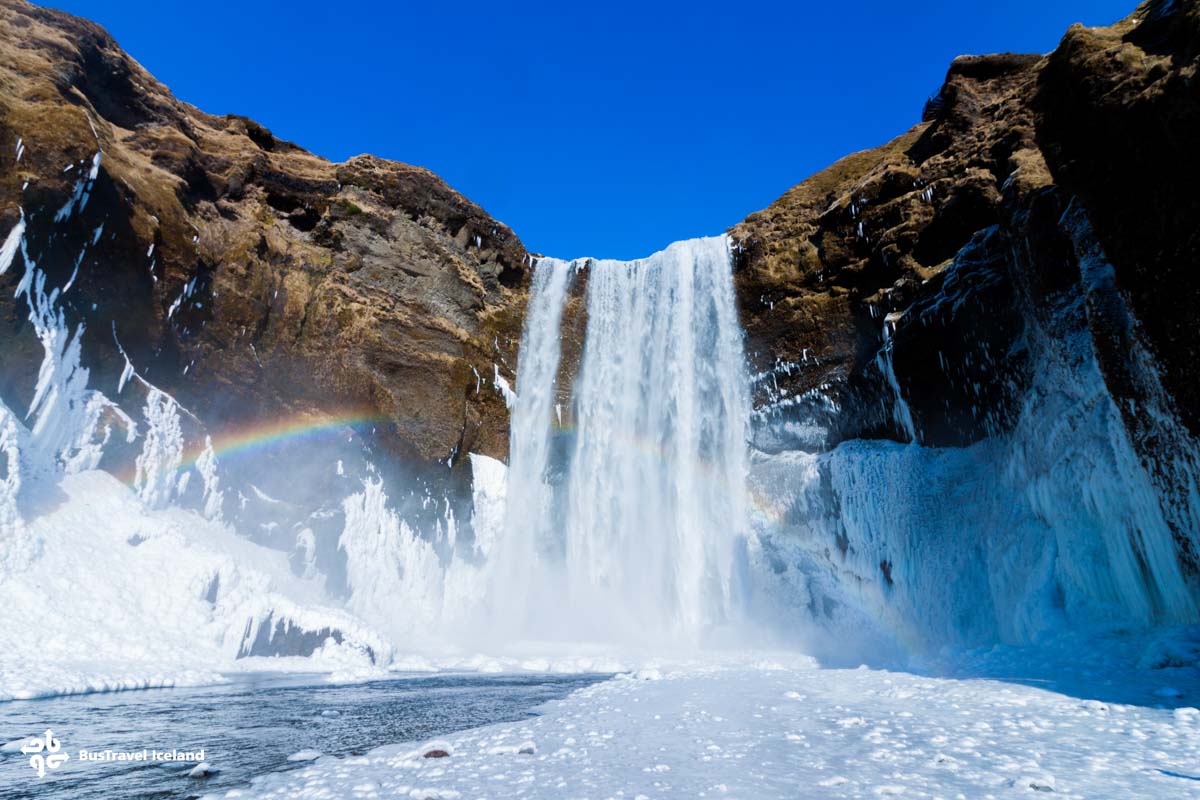
Skogafoss waterfall in South Coast of Iceland in winter.
Suggested Itinerary for Visiting Iceland in January
Visiting Iceland in January offers a unique winter adventure, balancing icy landscapes, cozy city life, and the chance to witness the Northern Lights.
Upon arrival at Keflavik International Airport, travelers typically settle in Reykjavik, exploring the city’s highlights such as Hallgrímskirkja Church, Harpa Concert Hall, and the Sun Voyager sculpture, before venturing out on an evening Northern Lights tour.
The following day, the iconic Golden Circle beckons, with stops at Thingvellir National Park, where the Eurasian and North American tectonic plates meet, the erupting Strokkur geyser at Geysir, and the dramatic Gullfoss waterfall, perhaps capped with a relaxing soak at the Secret Lagoon.
The South Coast offers its own winter magic with Seljalandsfoss and Skógafoss waterfalls, the black sands and striking sea stacks of Reynisfjara Beach, and optional ice cave excursions on Vatnajökull Glacier. Further east, Jökulsárlón Glacier Lagoon and the nearby Diamond Beach provide breathtaking frozen vistas, with boat tours available if conditions allow. Returning to Reykjavik, visitors can enjoy the city’s museums, cafés, and shops before unwinding at the Blue Lagoon, a geothermal oasis, with yet another opportunity to chase the Northern Lights in the evening.
For those with extra time, the Snæfellsnes Peninsula offers dramatic coastlines and the iconic Kirkjufell mountain, while winter activities such as snowmobiling and horseback riding on Icelandic horses provide adventurous ways to experience the landscape.
This 5-day in Iceland in January itinerary captures the essence of Iceland in winter—a mix of dramatic scenery, adventure, and quiet, mystical beauty.
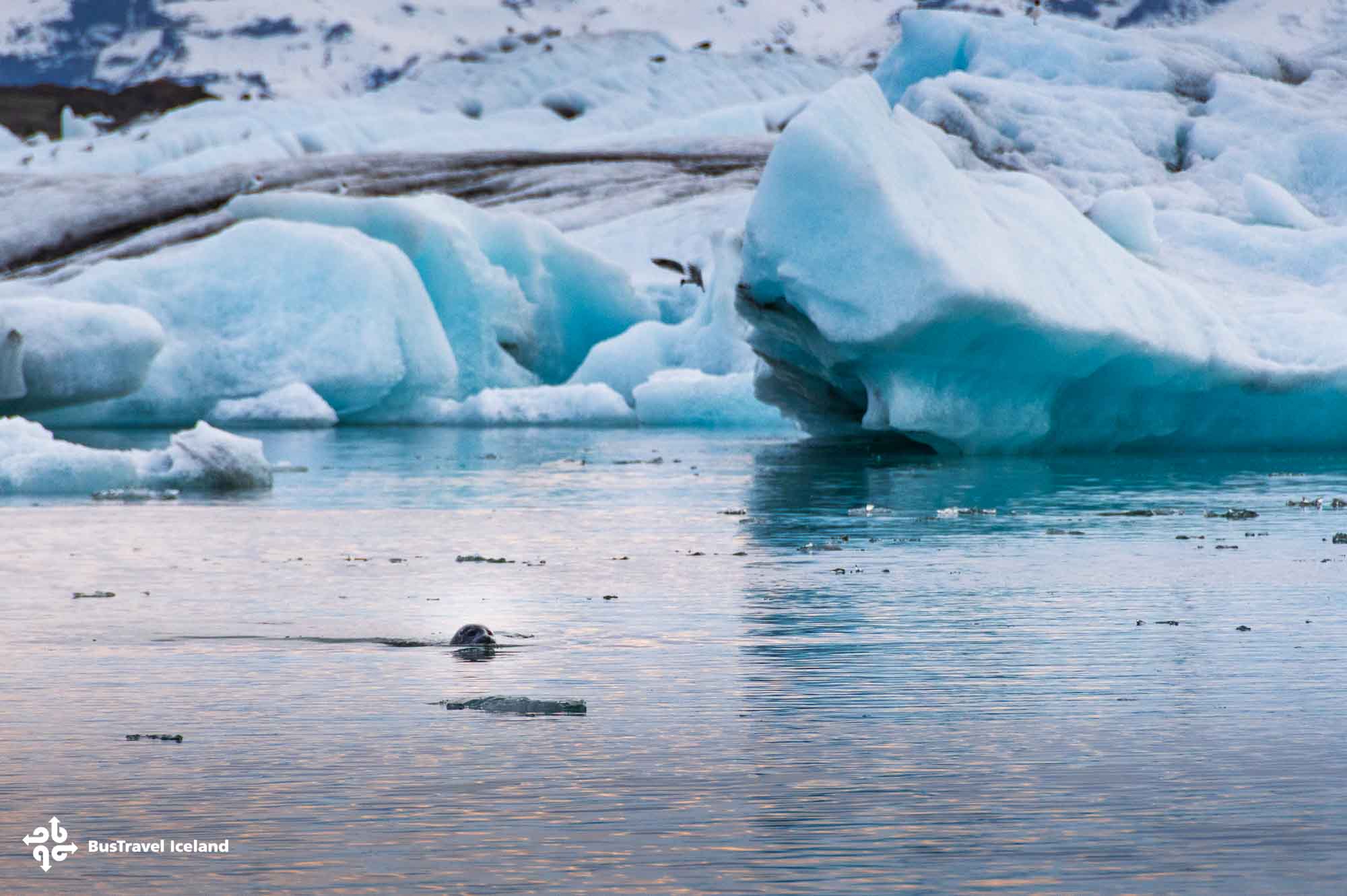
Jokulsarlon glacier lagoon in winter, a seal is swimming in the lagoon. [Photo credit to Yanshu Li]
How Iceland in January Is Different From Other Months
January in Iceland is a world apart. Days are short—just four to five hours of light in Reykjavik—but the long nights make way for one of the country’s most magical experiences: the Northern Lights. Snow blankets the landscape, turning waterfalls, lava fields, and black sand beaches into surreal winter wonderlands.
The cold can be sharp, but it brings its own adventures. Ice caving, snowmobiling, and skiing are in full swing, and the quieter roads and smaller crowds make exploring Iceland’s iconic sights feel intimate and unhurried. Unlike the summer months, when the sun barely sets and tourists flock in droves, January offers a serene, almost mystical atmosphere that highlights Iceland’s raw, rugged beauty.
For travelers willing to embrace the chill and the dark, Iceland in January is not just a destination—it’s an experience of winter at its most dramatic and unforgettable.
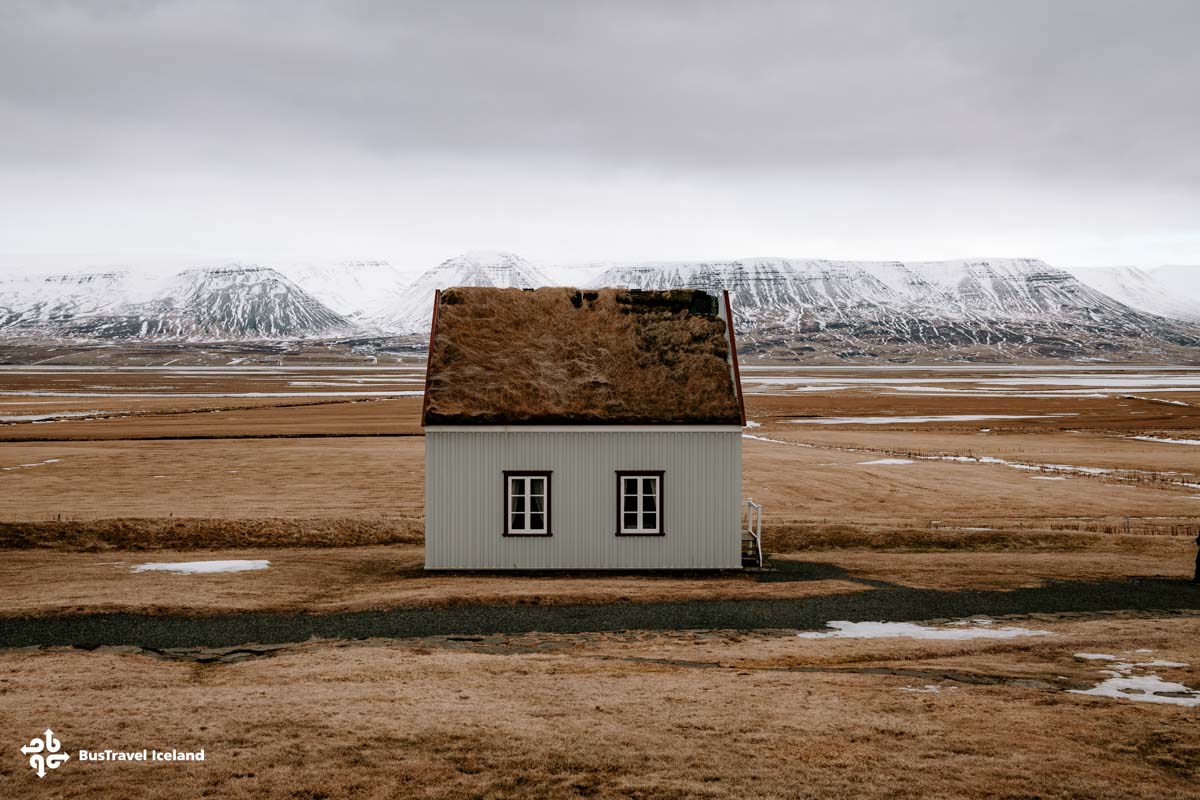
A house standing alone in the winter landscape in North Iceland. [Photo credit to Yanshu Li]
