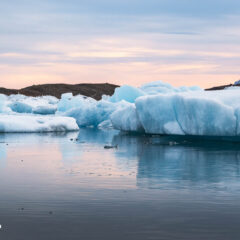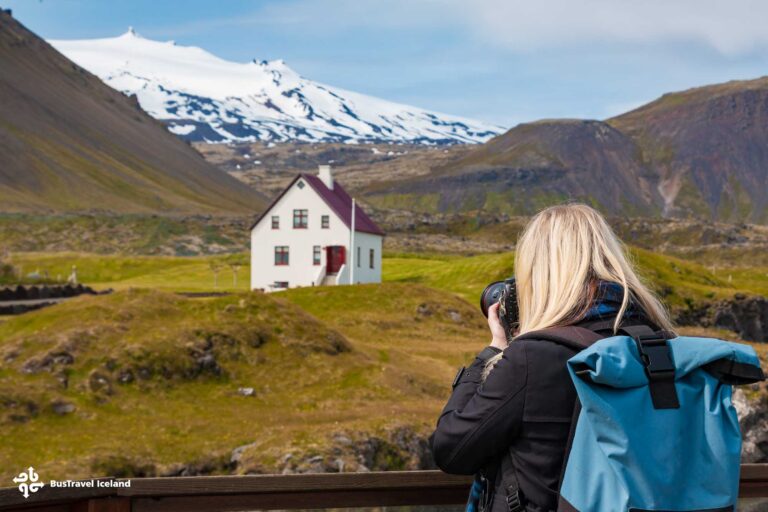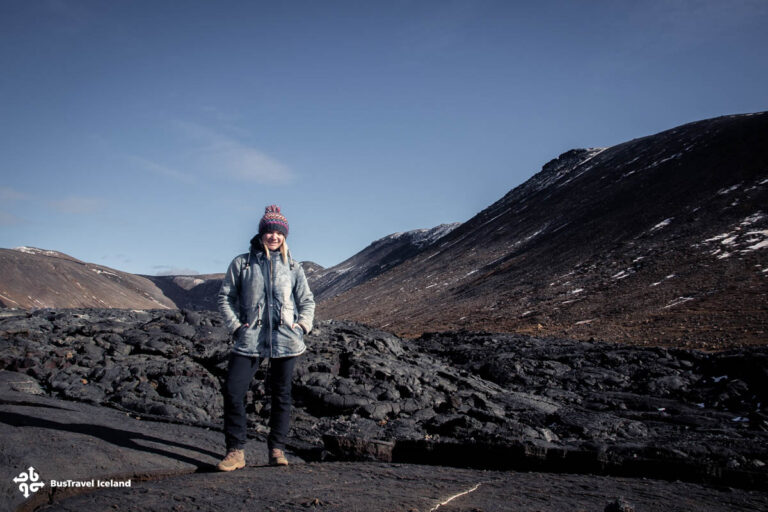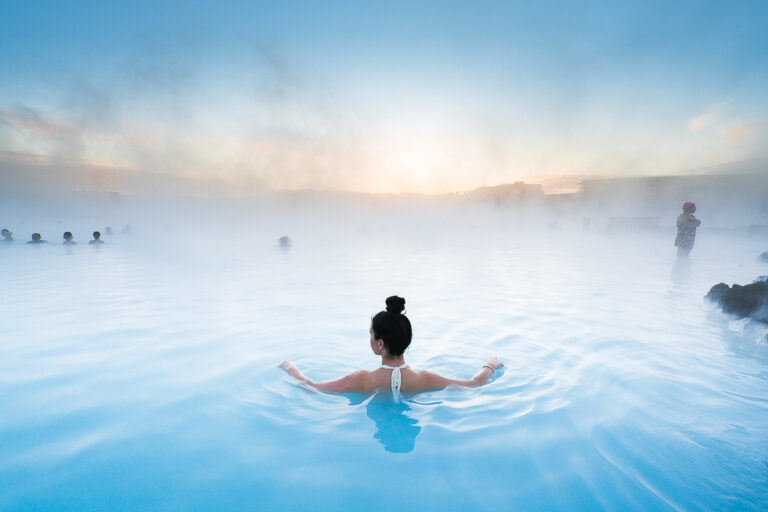




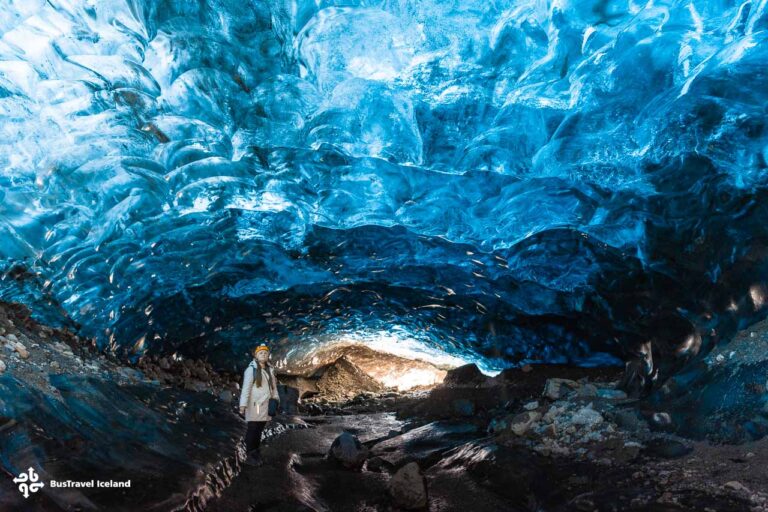
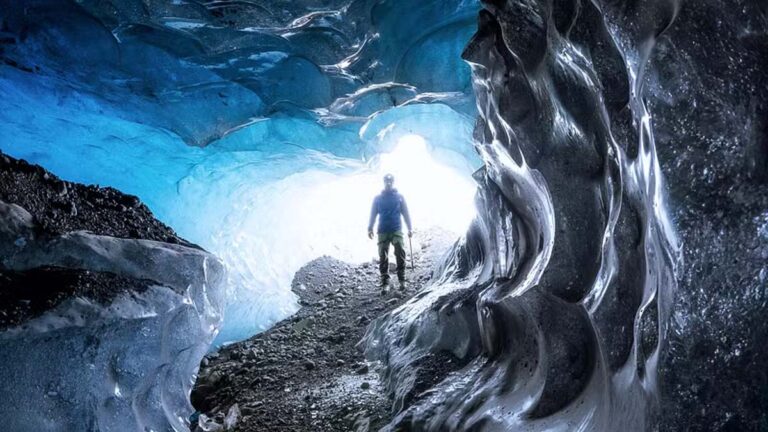
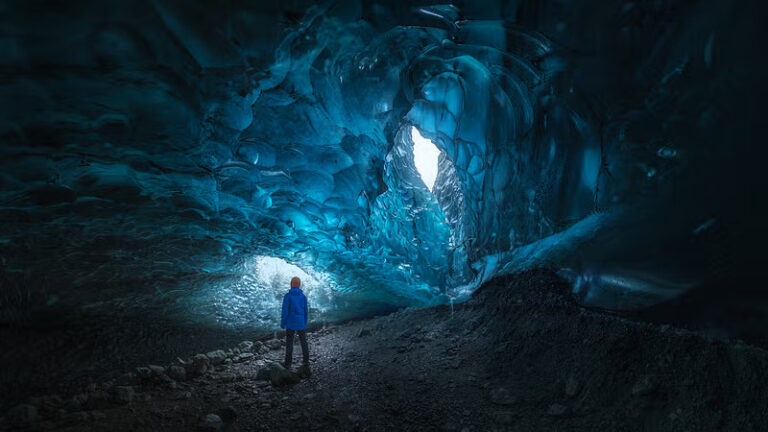
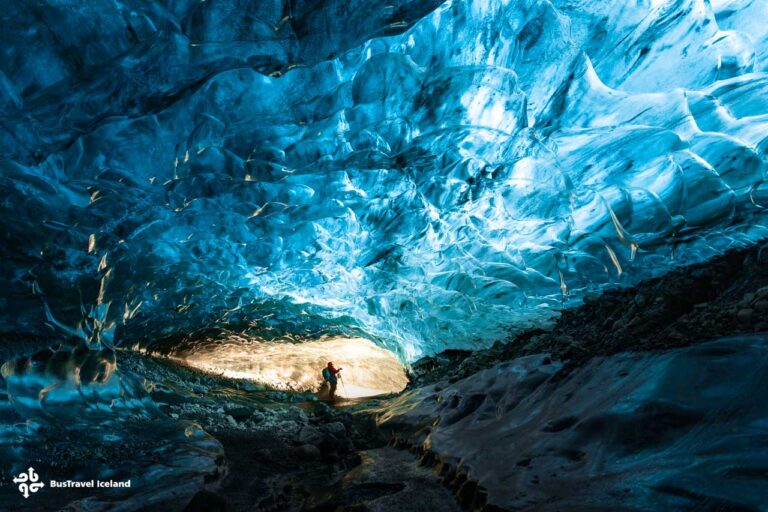
In winter, Iceland’s glaciers become some of the country’s most exciting natural attractions, and February is one of the best months to experience them. Ice caves form beneath glaciers such as Vatnajökull when meltwater freezes into tunnels of solid ice. These caves often glow bright blue as light filters through thick layers of ice, creating a dramatic and constantly changing landscape. Because conditions shift each year, no two ice caves are ever the same, making each winter visit a unique experience.
Visit Iceland in February – What you need to Know
- Iceland by Month
- 15 Jan 2026
From northern lights to ice caves and winter road trips, here’s everything you need to know about visiting Iceland in February.
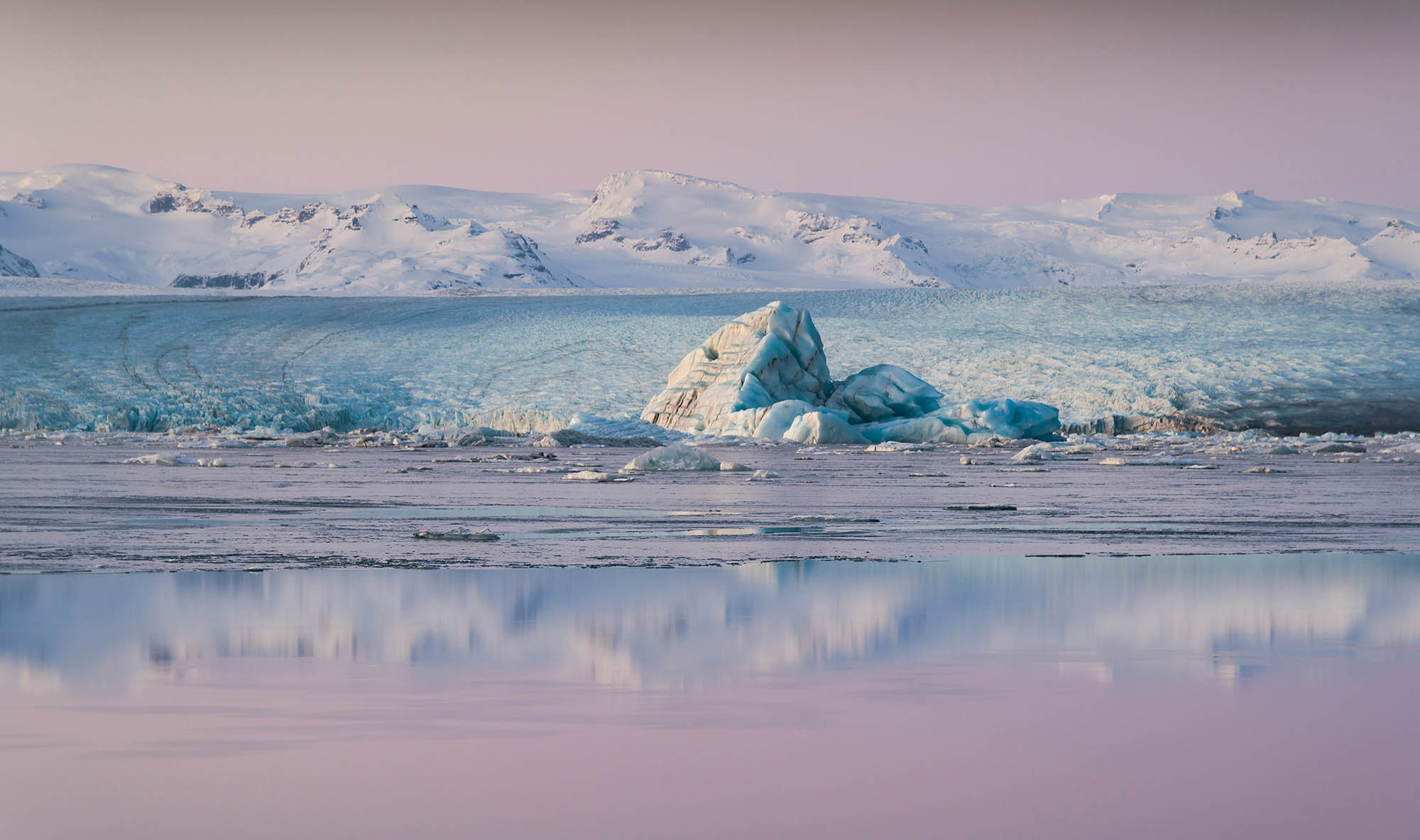
Winter in glacier lagoon in Iceland
Visiting Iceland in February is something many travelers hesitate over before booking their trip. Will it be too cold? Is February actually a good time to see the northern lights? Can I still travel around the country safely—and is winter in Iceland really worth it compared to the long, bright summer days everyone talks about?
This post takes a closer look at those questions and what February in Iceland is truly like. We’ll explore the winter weather and daylight hours, what you need to pack for Iceland in February, the chances of seeing the northern lights, and the types of experiences and outdoor activities that are only possible at this time of year.
You’ll also find insight into getting around in winter, what to expect in terms of crowds and costs, and why February can be one of the most rewarding months to experience Iceland’s dramatic landscapes and unique culture.

What is the weather in Iceland in February?
What makes Iceland’s February weather challenging is not extreme cold, but how quickly conditions can change. A clear, calm day can turn into snow, sleet, or strong winds within hours, and fast-moving storms combined with wind chill often make it feel colder than the forecast suggests.
Snow is common but unpredictable—some days bring heavy snowfall, while others are dry but icy, especially on sidewalks, rural roads, and mountain passes. Coastal areas may see a mix of snow and rain, while inland and northern regions are typically colder and more snow-covered.
Limited daylight and a low winter sun keep temperatures fairly steady throughout the day, but the soft light and long shadows add to the dramatic beauty of Iceland’s winter landscape.

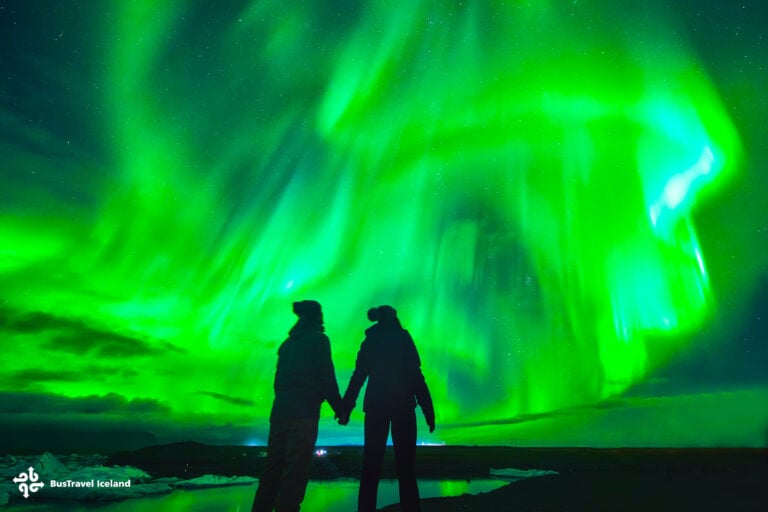
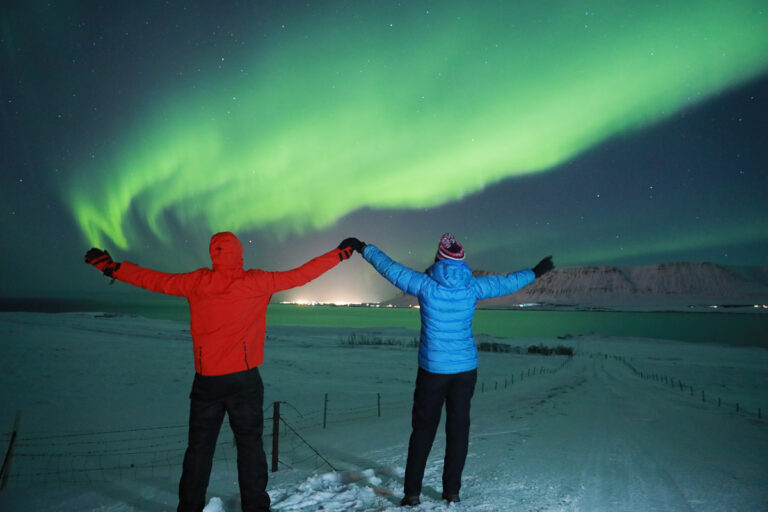
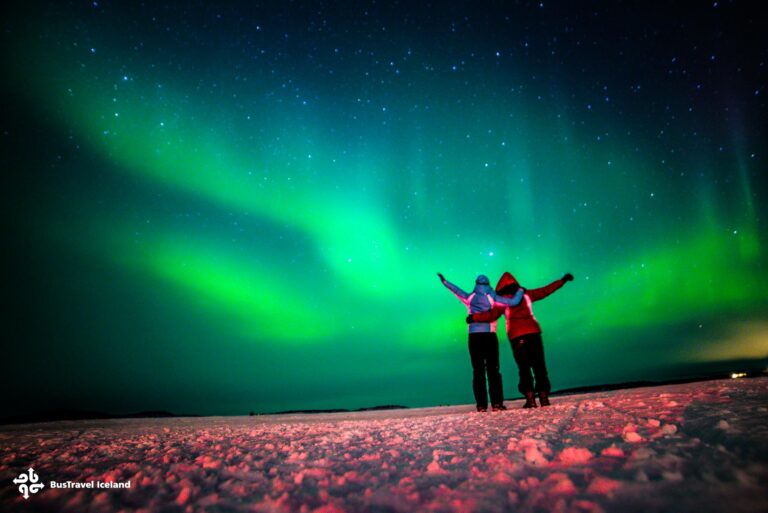
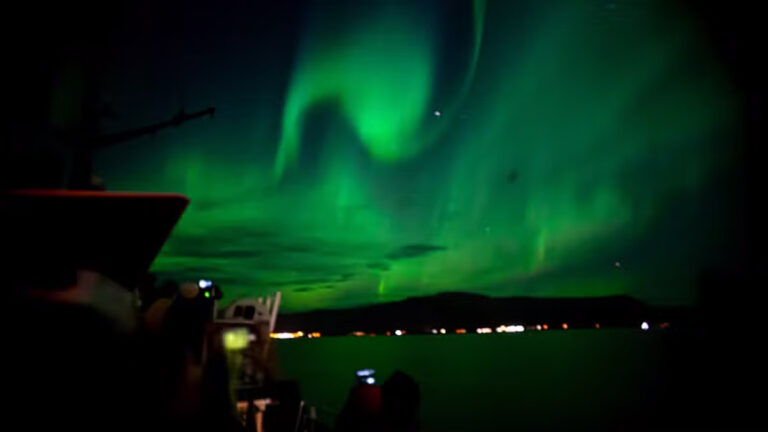
Seeing the Northern Lights is the best highlight in Iceland in February.
How Cold Is Iceland in February?
In February, winter is still in full swing in Iceland, but temperatures are often milder than many people expect. Average temperatures usually range from –5°C to +5°C (23–41°F), especially in coastal areas and around Reykjavík. While this is cold, it is not extreme compared to other winter destinations, and with proper winter clothing, most travelers find the temperatures manageable for outdoor activities.
What often makes February in Iceland feel colder is the wind. Strong winds are common and can significantly lower the “feels like” temperature, especially in open or coastal areas. Snow, sleet, and rain can also add to the chill, particularly if clothing is not fully waterproof. On calmer days, the cold is much easier to handle, especially when you are dressed in warm, layered clothing.
Temperatures can vary by region. Coastal areas tend to be slightly milder, while inland and northern regions are usually colder and more snow-covered. Daytime temperatures do not change much throughout the day because the sun stays low in the sky and daylight hours are limited.

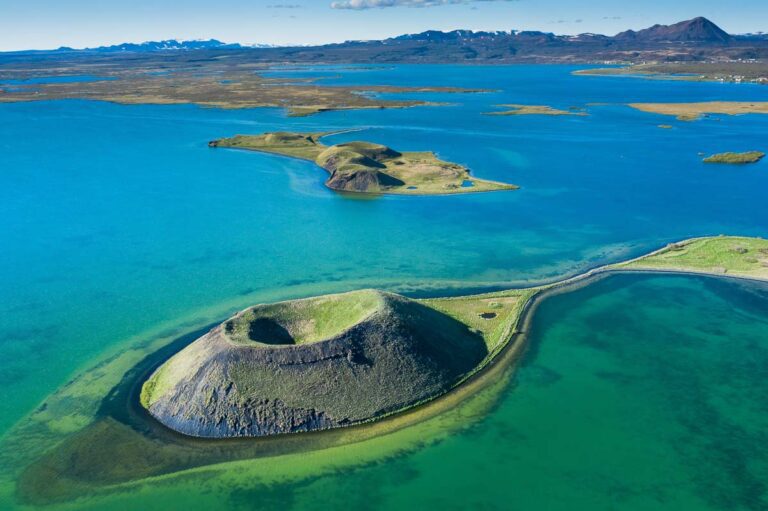
Geothermal spa of the Earth Lagoon Myvatn (Myvatn Nature Baths).
Daylight Hours in Iceland in February
February is an important turning point in winter in Iceland, as daylight begins to return after the darkest months of the year. Although days are still short, the increase in daylight is noticeable and becomes one of the most defining parts of traveling during this time.
At the beginning of February, Iceland gets about seven hours of daylight, with the sun rising around 10:00 a.m. and setting shortly after 5:00 p.m. By the end of the month, daylight increases to around ten hours, with sunrise closer to 8:30 a.m. and sunset near 6:30 p.m. Gaining almost three extra hours of daylight in just one month makes a clear difference and is something both visitors and locals quickly notice.
Throughout February, the sun stays low in the sky and never rises very high above the horizon. This creates soft, stretched-out light, long shadows, and muted colors that last through much of the day. While temperatures usually do not warm up much in the afternoon, the long twilight periods—especially in the early morning and evening—are excellent for photography and sightseeing.
Even with limited daylight, February offers a practical balance for travelers. There is enough light to visit major sights, take guided tours, or drive short distances during the day, while nights remain long enough for northern lights viewing. Activities often start later in the morning and require flexible planning, but the steadily increasing daylight signals Iceland’s slow move out of deep winter and toward brighter days ahead.

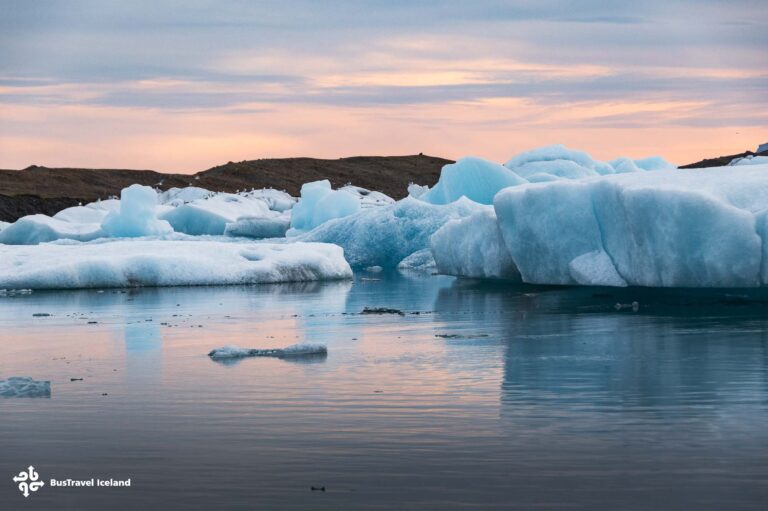
Sunset at Fellsfjara the Diamond Beach in winter.
What to Do in Iceland in February
February offers some of the best winter experiences in Iceland, from northern lights and ice caves to glacier hikes, geothermal spas, and quieter cultural experiences shaped by the season.
Chase the Northern Lights
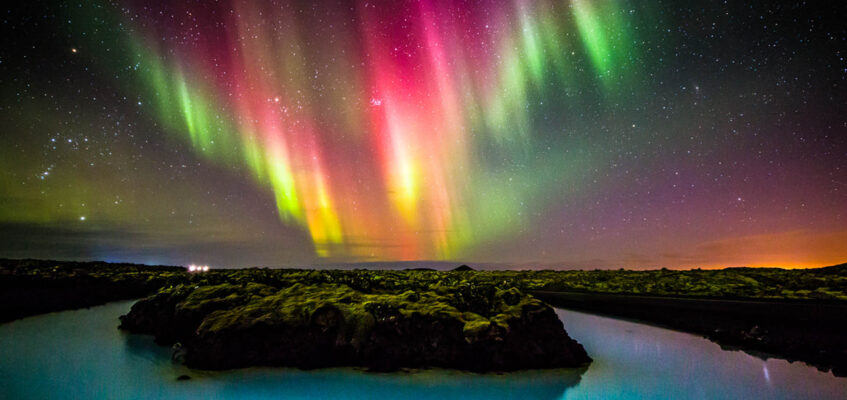
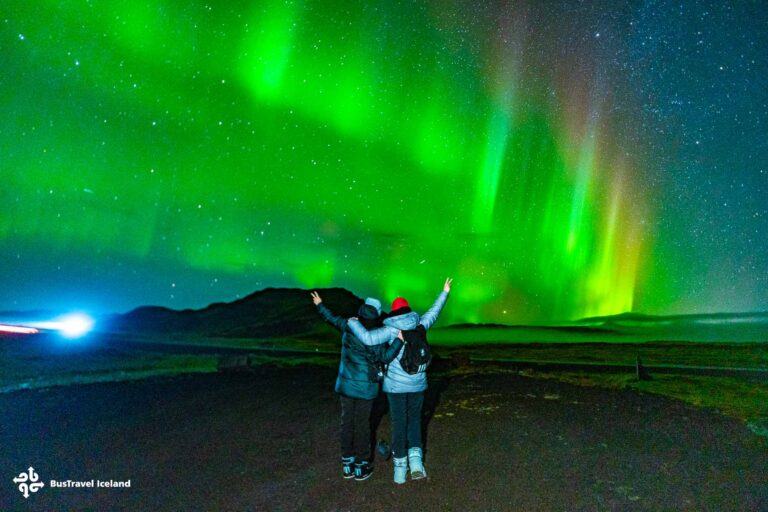
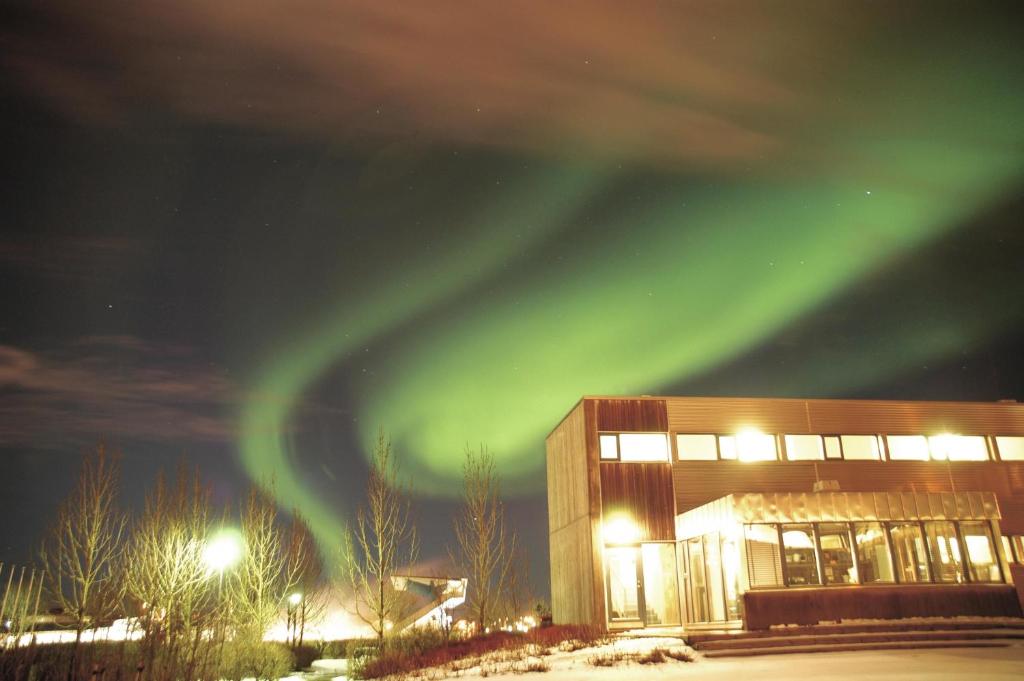
February falls right in the heart of the northern lights season in Iceland, and for many visitors, seeing the aurora is the main reason to travel at this time of year. Long winter nights and low light pollution outside of cities create strong conditions for viewing the lights when the sky is clear.

Chasing the Northern Lights in Iceland.
Northern lights displays can appear suddenly and change quickly. They may start as faint green streaks and grow into bright, moving curtains of light across the sky. While there is never a guarantee of guaranteeing a sighting, spending several nights in Iceland and keeping evening plans flexible greatly improves your chances.
Some travelers choose guided northern lights tours, which use weather forecasts, cloud cover, and solar activity data to find the best viewing locations. Others prefer to check forecasts themselves and head out after dark to areas away from city lights. In both cases, patience and flexibility are key to a successful northern lights experience.
Explore Ice Caves and Glaciers
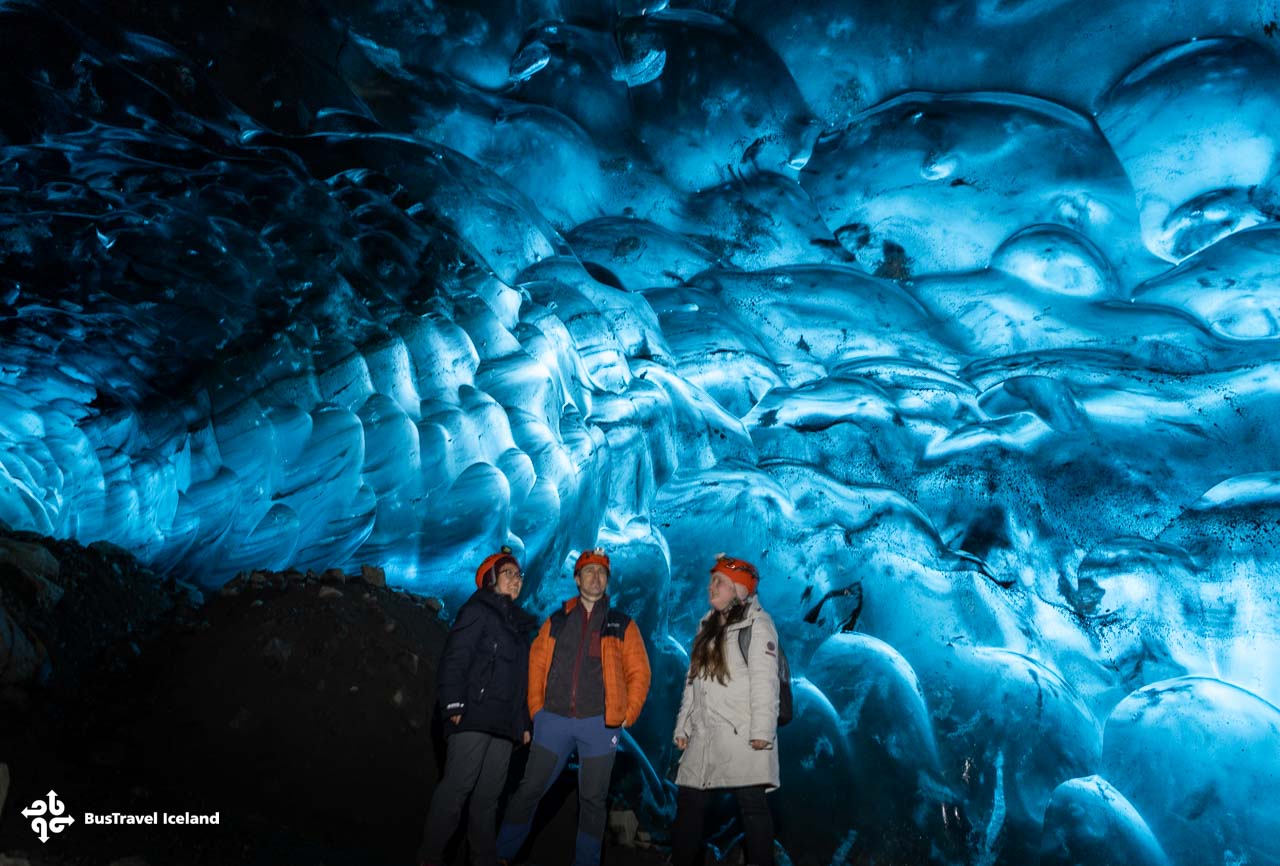
Crystal ice cave on Vatnajokull, South Iceland. [Photo by Yanshu]
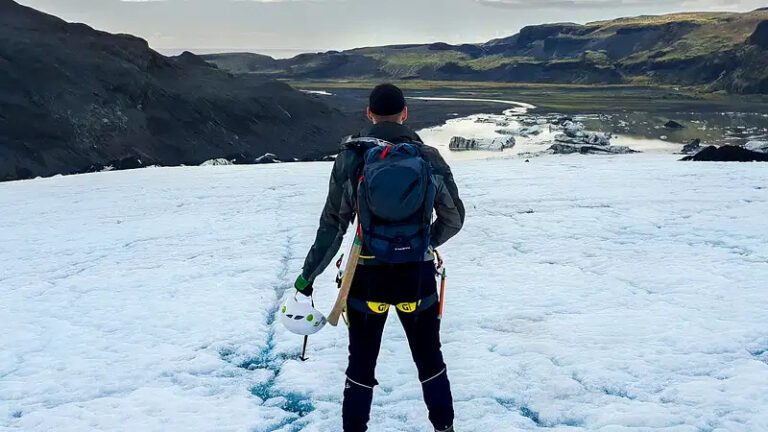
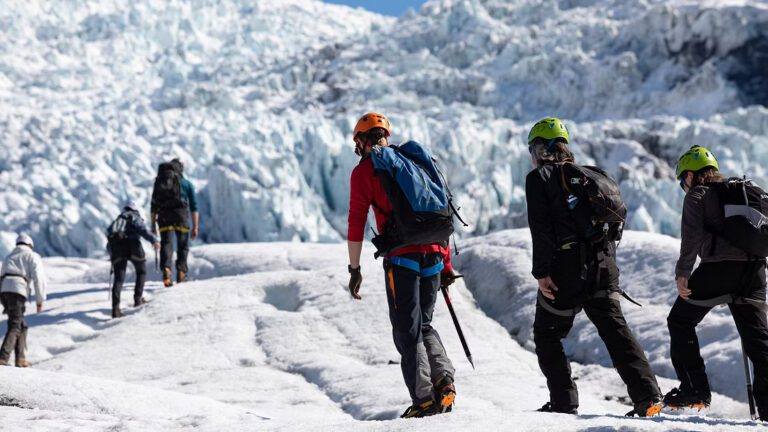
February is also a popular time for glacier hiking. Guided tours allow you to walk across ancient ice, deep crevasses, and rugged ridges while learning about how glaciers form and move. These tours are led by trained professionals who provide safety equipment and expert guidance. Ice caves and glacier hikes are only possible during winter, making them one of the most unique and memorable experiences of visiting Iceland at this time of year.
Visit Waterfalls in Their Winter Form
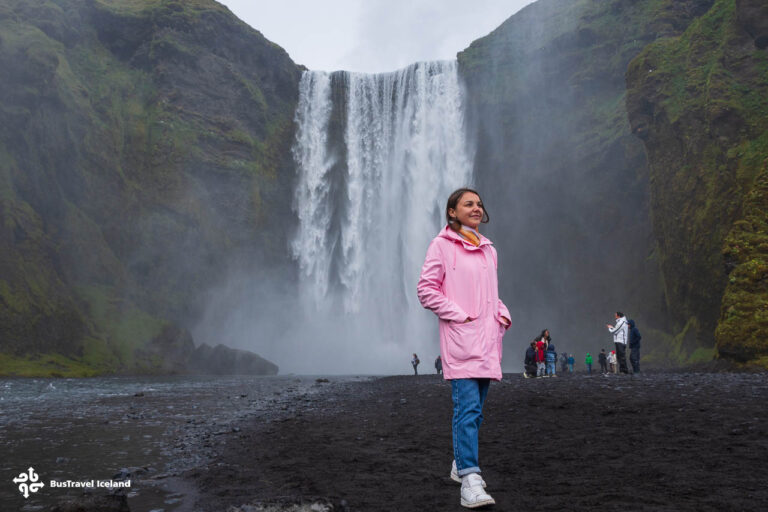
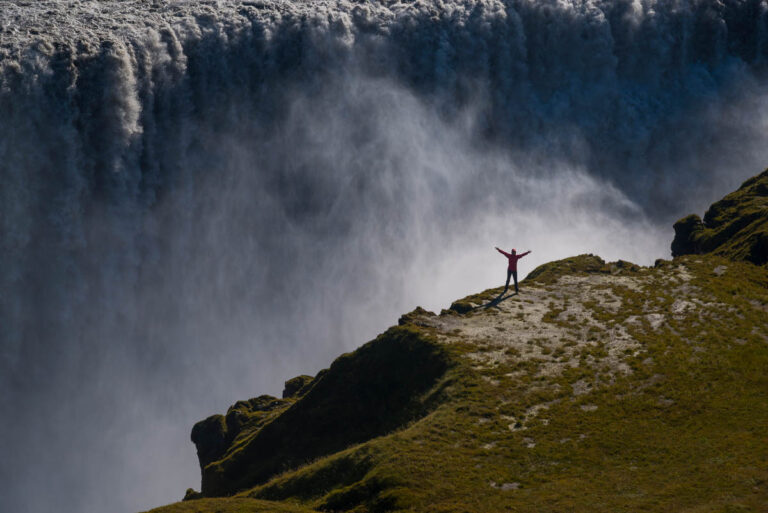
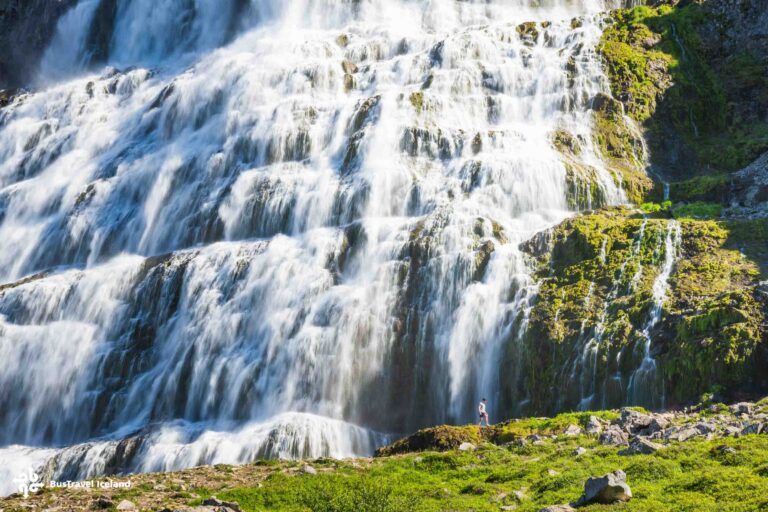
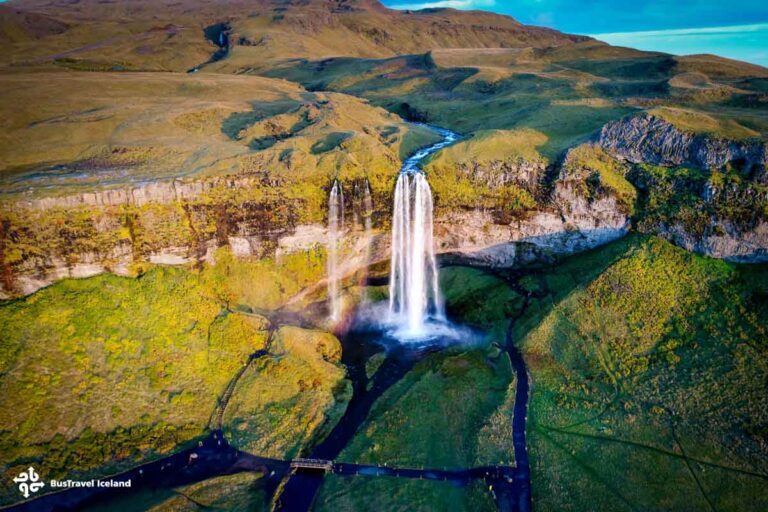
In February, Iceland’s waterfalls take on a completely different character than they do in warmer months. Iconic falls such as Seljalandsfoss and Skógafoss may partially freeze, with thick ice forming around the flowing water in sculpted, almost artistic shapes, while powerful waterfalls like Gullfoss and Dettifoss continue to rush through snow-covered landscapes. The contrast between dark volcanic rock, bright white snow, and icy blue water becomes even more striking in winter light, giving these familiar sights a dramatic new look.
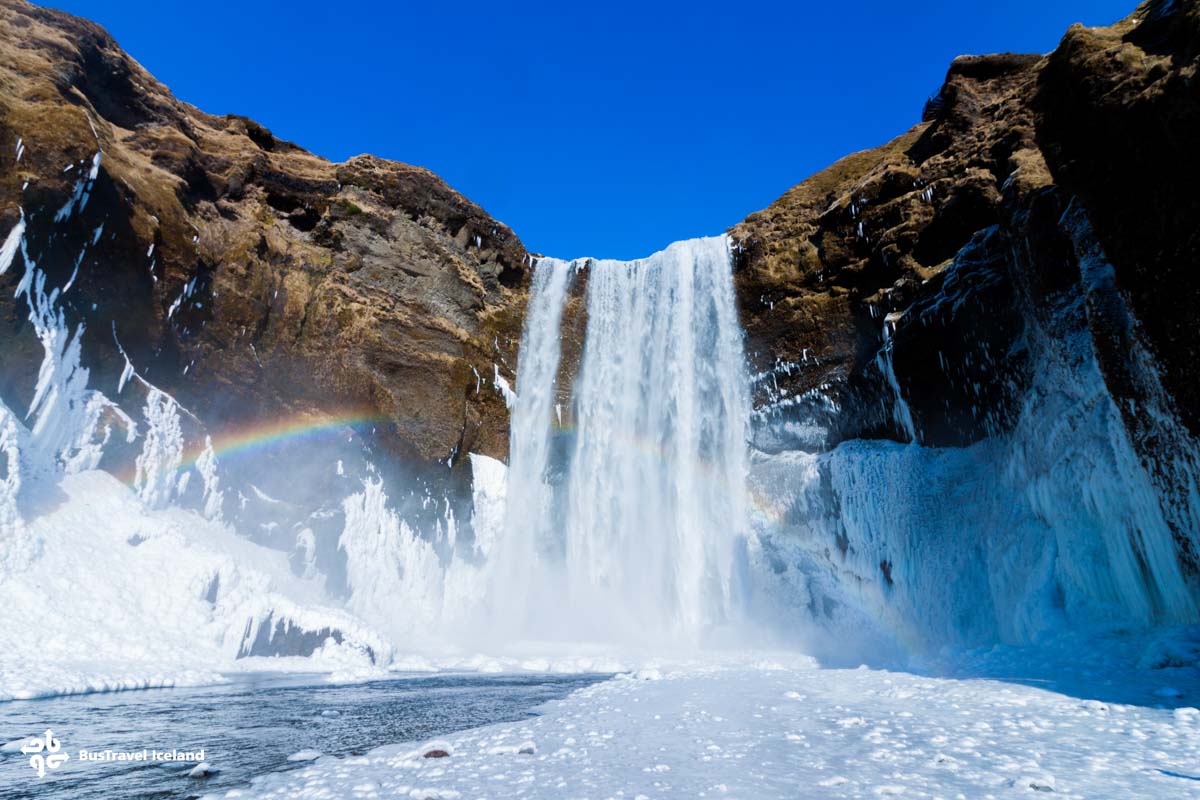
Skogafoss waterfall in winter’s form.
With fewer visitors traveling in winter, waterfalls also feel quieter and more peaceful. The lack of crowds allows you to spend more time taking in the scenery and noticing details that are often overlooked during the busy summer season. This stillness, combined with winter’s raw landscapes, gives Iceland’s waterfalls a powerful and almost otherworldly atmosphere in February.
Soak in Hot Springs and Geothermal Pools
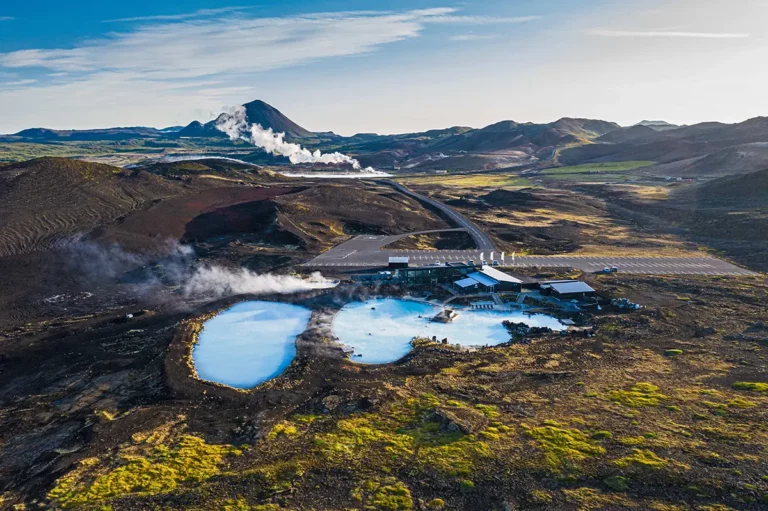
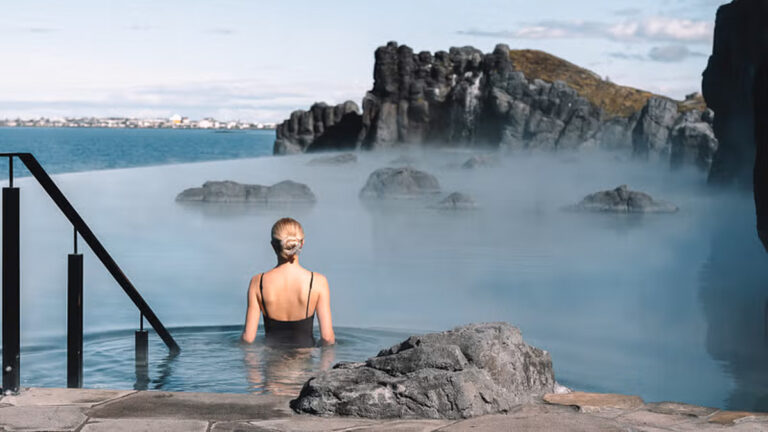
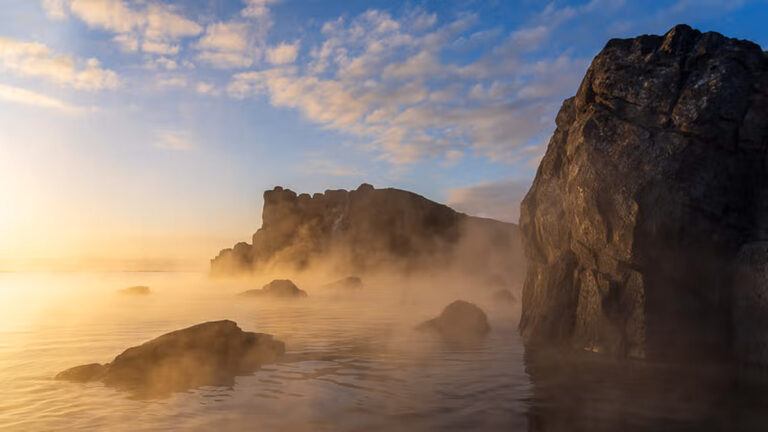
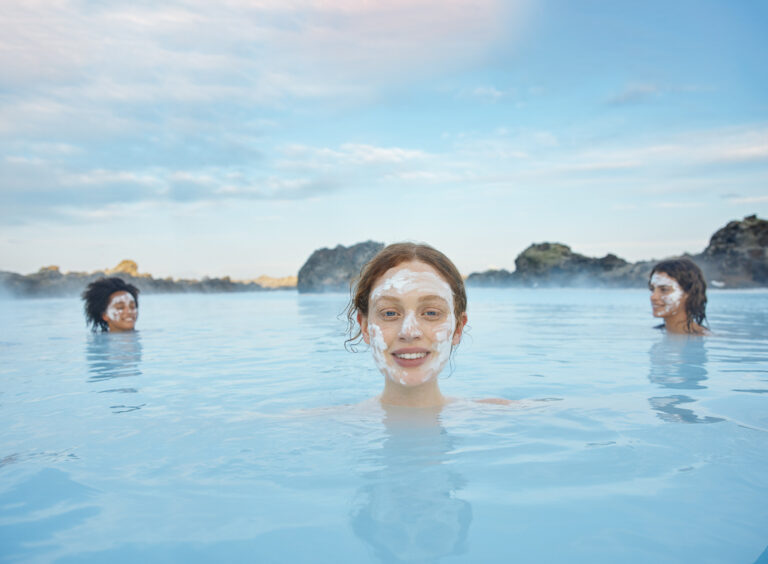
Cold temperatures make February an ideal time to experience Iceland’s geothermal bathing culture. Stepping into warm, steaming water while snow falls around you highlights the country’s unique use of natural geothermal energy. Large geothermal spas such as the Blue Lagoon, Sky Lagoon, Secret Lagoon, and Laugarás Lagoon offer dramatic settings surrounded by the winter wonderland that Iceland is in February.
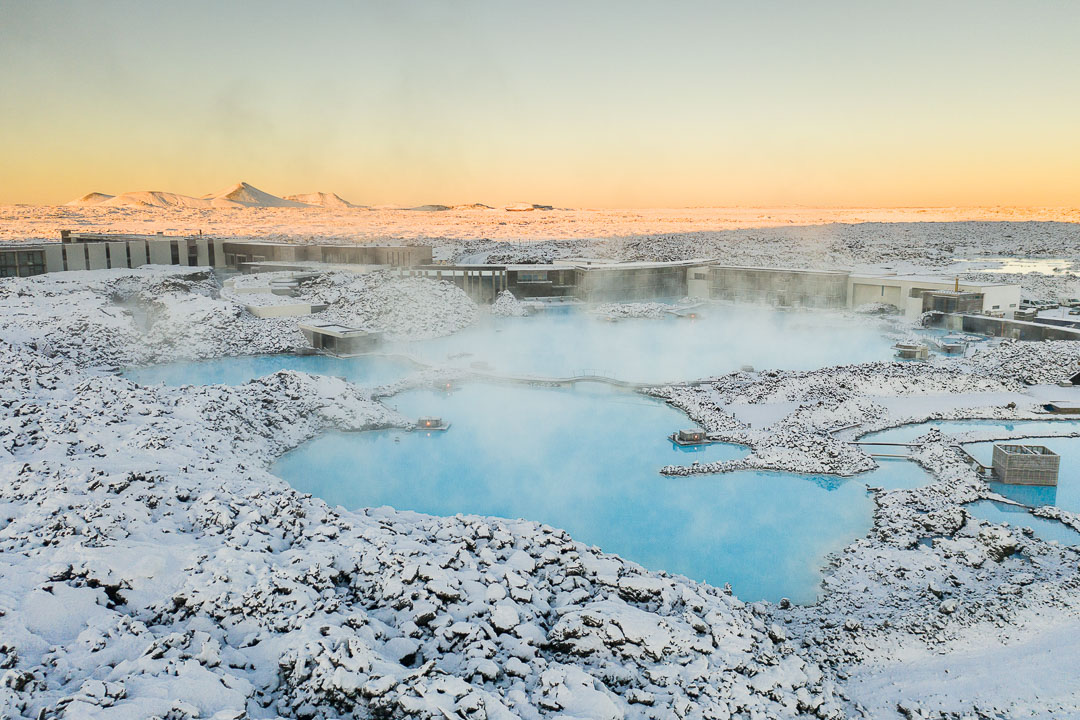
Winter’s Blue Lagoon has a very charming vibe.
At the same time, local swimming pools, found in towns across Iceland, provide a more everyday look at how residents relax, exercise, and socialize year-round. In winter, these moments of warmth are not just relaxing—they become an essential and comforting balance to time spent exploring the cold outdoors.

Discover Reykjavík in Winter
February is a great time to explore Reykjavík at a slower pace. Short daylight hours encourage spending more time indoors, which makes cafés, museums, galleries, and music venues especially inviting. This creates a strong sense of local life and everyday rhythm, rather than a fast-paced sightseeing experience.

Reykjavik’s winter is a very cozy place to explore.
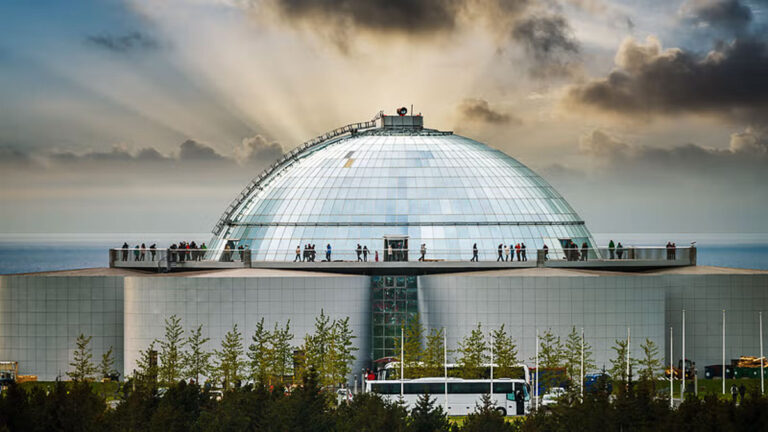
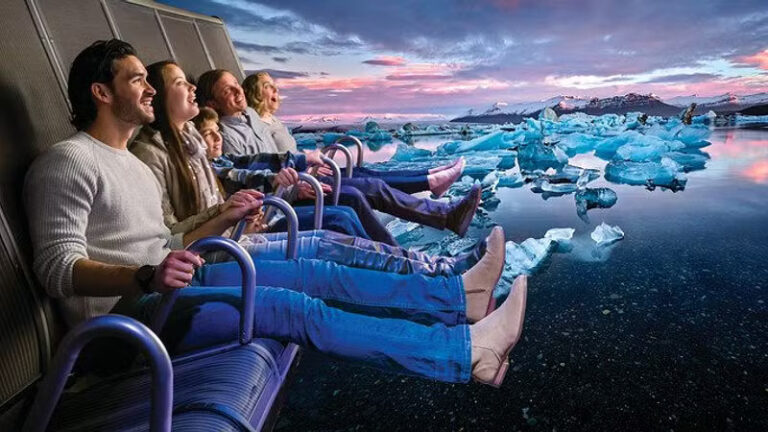
Most cultural attractions in Reykjavík stay open year-round, and winter brings a quieter, more relaxed atmosphere to the city. Popular indoor experiences such as Perlan, the LAVA Show, and FlyOver Iceland are especially appealing in February, offering engaging ways to learn about Iceland’s nature and geology while staying warm. Seasonal events and festivals help brighten the darker weeks, while snow-covered streets and soft winter lighting give the city a cozy, welcoming feel.
For many visitors, this slower winter pace provides a more authentic and immersive way to experience Iceland’s capital.
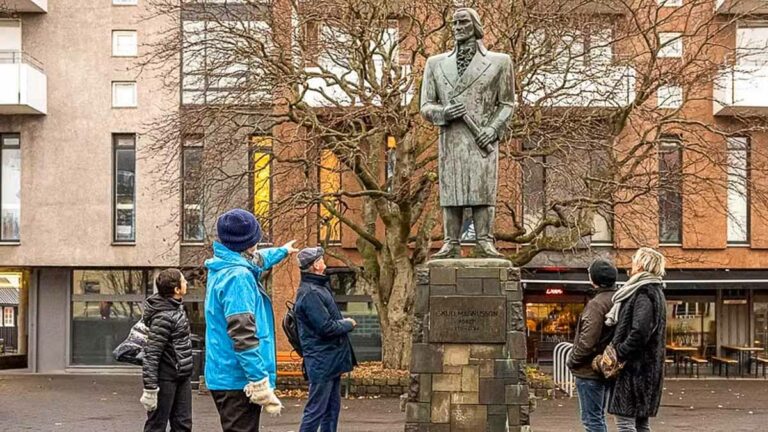
Join Winter Road Trips and Guided Excursions
While winter driving in Iceland requires extra caution, February still allows access to many of the country’s most famous regions, especially when traveling with guided tours. Popular winter routes include the Golden Circle, where Þingvellir National Park, Geysir, and Gullfoss remain accessible year-round, as well as the South Coast, known for waterfalls like Seljalandsfoss and Skógafoss, black-sand beaches, and glacier views. The Snæfellsnes Peninsula is another highlight in winter, offering snow-covered mountains, lava fields, and dramatic coastlines that feel especially quiet in February.
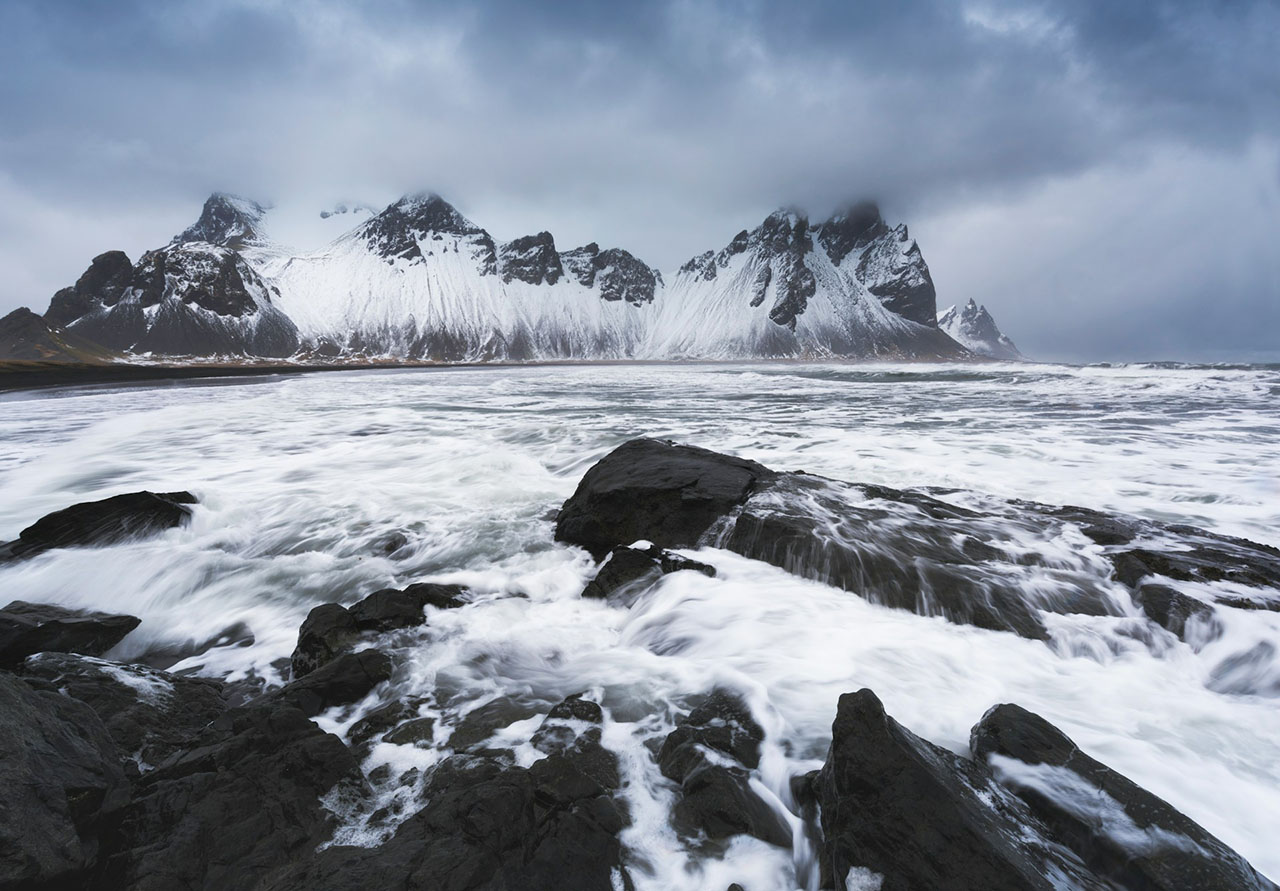
Vestrahorn in winter – Going on a Ring Road guided tour to see more sights in Iceland.
Joining a guided tour with experienced local drivers removes much of the uncertainty around icy roads, strong winds, and sudden weather changes. This allows you to focus on the scenery rather than worrying about driving or navigation. 2-day, 3-day, and 6-day guided winter tours make it possible to explore highlights such as the Golden Circle, the South Coast, ice caves, and even sections of the Ring Road without the stress of winter driving.
Even shorter guided trips can feel deeply immersive in February, when Iceland’s landscapes appear more raw, quiet, and elemental than they do during the busier summer months.
Driving in Iceland in February
Driving in Iceland in February is possible, but it requires preparation, caution, and flexibility. Snow, ice, and strong winds are common, and road conditions can change quickly, especially outside cities and towns. Major roads like the Ring Road and popular tourist routes are regularly maintained, but smaller roads and mountain passes may be icy, snow-covered, or temporarily closed after storms.
A four-wheel-drive vehicle is strongly recommended for winter travel. Even well-maintained roads can become slippery, and visibility may be reduced during snowfall or high winds. Speed limits are lower than many visitors expect, and winter driving is more about patience than speed. Distances that look short on a map often take much longer to drive in February, especially with limited daylight.
Weather plays a major role in winter driving. Storm warnings and high-wind alerts are taken seriously in Iceland, and ignoring them can be dangerous. Strong gusts can affect how a car handles and, in extreme cases, even damage car doors when they are opened. Because of this, travelers should check weather forecasts and official road condition updates every day and be ready to change plans if needed.
For those who are not comfortable driving in winter conditions, guided tours are a good alternative. Experienced local drivers handle the roads and changing weather, allowing visitors to focus on the scenery instead of navigation and safety. This option works especially well for travelers with limited time or little experience driving on icy roads.
Weather Warnings and Road Safety in Winter
In February, staying up to date on weather and road conditions in Iceland is essential. Icelandic weather can change quickly, and conditions may be completely different from one region to another. It is common for one area to have clear skies while another nearby is experiencing strong winds or heavy snow. Travelers should check official weather forecasts and road condition reports every day and be ready to change or cancel plans if needed.
When Icelandic authorities issue warnings or advise against driving, these messages are meant to prevent serious danger. Ignoring them can lead to cars becoming stuck in snow, pushed off the road by strong winds, or stranded due to sudden road closures. In these situations, rescue services may be required, and once weather improves, vehicles often need to be towed. These recoveries can be expensive, and towing costs are not always covered by rental car insurance.
Following official guidance is not about restricting travel—it is about staying safe. Travelers who respect weather warnings and road closures lower the risk of accidents, avoid costly consequences, and help ensure that emergency services are available for real emergencies rather than preventable situations.

Driving Iceland in February can be a demanding task as the weather can change quickly.
What to Pack for Visiting Iceland in February
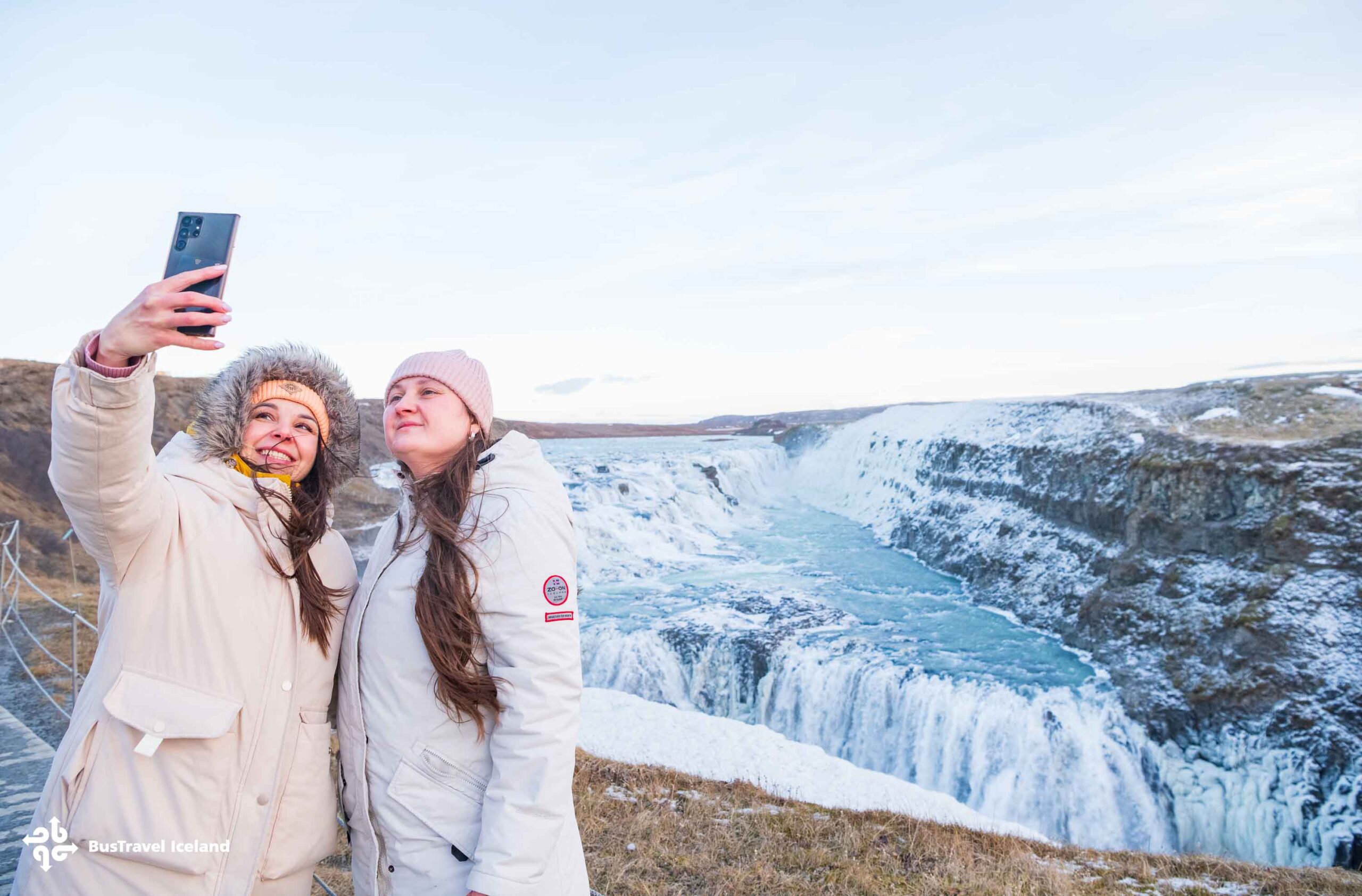
Packing for Iceland and what to wear in Iceland in February are about being prepared for winter conditions rather than dressing for style. Cold temperatures, strong winds, snow, and moisture all affect how comfortable you feel outdoors. While temperatures often stay near freezing, wind and wet weather can make it feel much colder, which is why proper layering is essential.
Clothing should follow a simple layering system. Thermal base layers made from wool or synthetic fabrics help keep heat in and moisture out. Insulating mid-layers, such as fleece or down jackets, add warmth without making movement difficult.
The most important layer is the outer one: a fully waterproof and windproof jacket and pants protect you from snow, sleet, and strong winds that are common in February. Cotton clothing should be avoided because it absorbs moisture and does not keep you warm when wet.
Footwear is especially important in winter. Waterproof winter boots with good insulation and strong traction are necessary for icy sidewalks, snowy paths, and uneven ground near natural attractions. Slippery conditions are common, even in cities, and crampons or ice grips can help prevent falls. Thick wool socks also make a big difference when spending long hours outdoors.
Winter accessories are not optional. Insulated gloves, preferably waterproof, protect your hands from cold weather and wind. A warm hat and scarf or neck gaiter help cover exposed skin, which is especially important on windy days. Some travelers also bring hand warmers, which can be useful during long evenings spent outside watching for the northern lights.
A few extra items can make winter travel easier. Sunglasses are helpful even in winter, since sunlight reflects strongly off snow on clear days. A small backpack allows you to carry extra layers, and a reusable water bottle is convenient because Iceland’s tap water is safe to drink. If you plan to take photos, camera equipment should be protected from cold and moisture, as batteries drain faster in winter temperatures.
Hat, thermal layers, and out-layers are necessary when you travel in Iceland. [Photo by Yanshu Li]
Is February a Good Month to Visit Iceland, Cost-Wise?
As the tail end of the winter high season, February in Iceland is shaped by demand for northern lights viewing and winter-only experiences. While visitor numbers are lower than in summer, steady interest throughout the month keeps prices from dropping into true shoulder-season territory.
From a cost perspective, February offers moderate savings, not deep discounts. Accommodation prices are generally lower than in peak summer months but higher than in late autumn or early spring. Hotels in Reykjavík and along popular winter routes tend to maintain consistent pricing, particularly those catering to aurora-focused travelers and guided tour groups.
Car rental costs remain high relative to other expenses. Four-wheel-drive vehicles are strongly recommended in winter, and limited availability keeps prices elevated throughout February. Winter activities such as ice cave tours and glacier hikes also operate at premium rates, reflecting their seasonal demand and operational complexity.
Flights to Iceland in February are often more affordable than in summer, particularly from Europe and North America, though fares can increase around school holidays. For many travelers, airfare is where February provides the clearest cost advantage.
Overall, February is a good month for exploring Iceland cost-wise if you value experience over price. While it is not the cheapest time of year, the access to winter landscapes, northern lights, seasonal activities, and fewer crowds often justifies the cost—making February a strong value choice for travelers seeking what winter uniquely offers.
The Northern lights above the sky outside a hotel in Reykjavik.
Suggested Iceland Itineraries for February (3 to 7 Days)
Winter itineraries in Iceland require a careful balance between how much you want to see and what is realistic in winter. February brings limited daylight, changing weather, and slower driving conditions, so these itineraries focus on what is most achievable and rewarding while still allowing flexibility if plans need to change.
3-Day Itinerary: Reykjavík, Golden Circle, and South Coast
A three-day February itinerary works best when it focuses on Iceland’s most accessible regions. Base yourself in Reykjavík and spend time exploring museums, cafés, and geothermal pools before heading out to the Golden Circle.
This route includes Þingvellir National Park, the Geysir geothermal area, and Gullfoss waterfall, all of which are open year-round. The South Coast adds dramatic winter scenery, with snow-covered waterfalls, black-sand beaches, and wide coastal views. Evenings are well suited for northern lights hunting, either on guided tours or by driving away from city lights.
This itinerary offers impressive sights with manageable winter driving, making it a strong option for short winter trips to Iceland.

See Geysir erupting in winter. [Photo by Yanshu Li]
4-Day Itinerary: Reykjavík, Golden Circle, South Coast, and Snæfellsnes
Within four days, you can build on the three-day route by adding the Snæfellsnes Peninsula. Often called “Iceland in miniature,” this region offers a mix of lava fields, coastal cliffs, and snow-covered mountains. In winter, the landscapes feel especially dramatic and quiet. Adding Snæfellsnes increases variety while keeping driving distances reasonable for February conditions.
This itinerary balances iconic highlights with less crowded winter scenery.

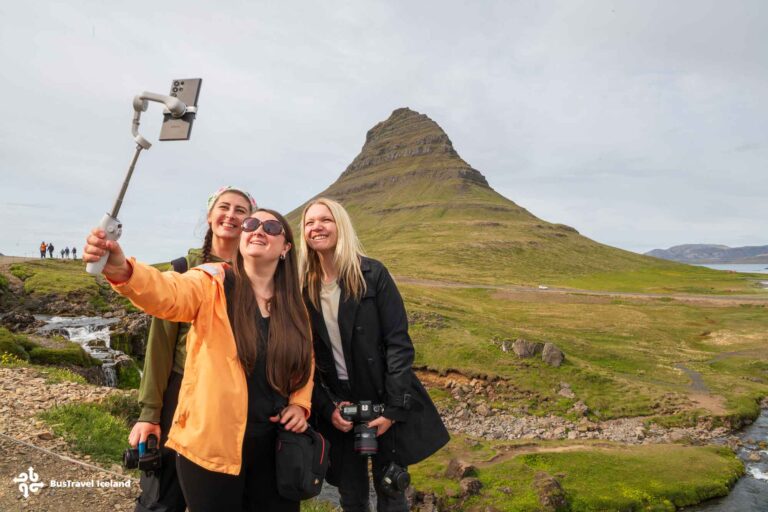
Kirkjufell mountain in winter, Snaefellsnes. [Photo by Danni Ardnt]
5-Day Itinerary: Reykjavík, Golden Circle, South Coast, Snæfellsnes, and Reykjanes
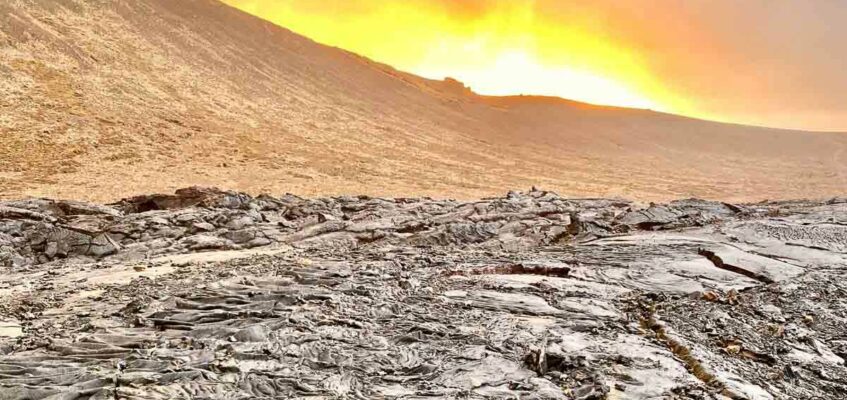
A five-day itinerary allows time to explore the Reykjanes Peninsula, located close to Reykjavík. This geologically active area is known for lava fields, steaming geothermal sites, and rugged coastlines. Because it is close to the capital and does not require long drives, Reykjanes works well in winter and adds a raw, volcanic contrast to the rest of the trip.
This option is ideal if you want a wide range of landscapes without committing to long winter driving days.

The lighthouse on Reykjanes Peninisula
6-Day Itinerary: Ring Road (Winter-Focused)
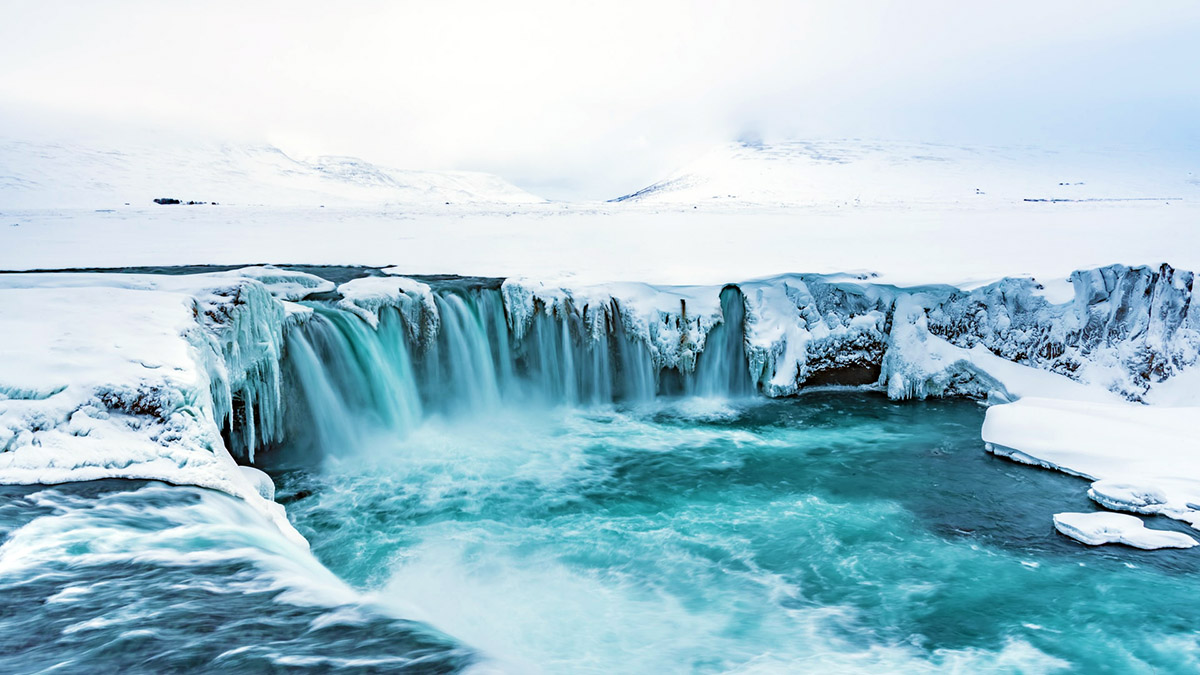
With six days, it is possible to travel the Ring Road in February, but only with careful planning and flexibility. This itinerary usually focuses on the south and east of the country while moving efficiently through areas that may experience harsher winter conditions. Driving days are longer, and weather often affects how much ground you can cover. Travelers should be prepared to change plans, skip sections if necessary, or consider guided tours for added safety.
This itinerary is best suited for experienced winter travelers who are comfortable with changing conditions.
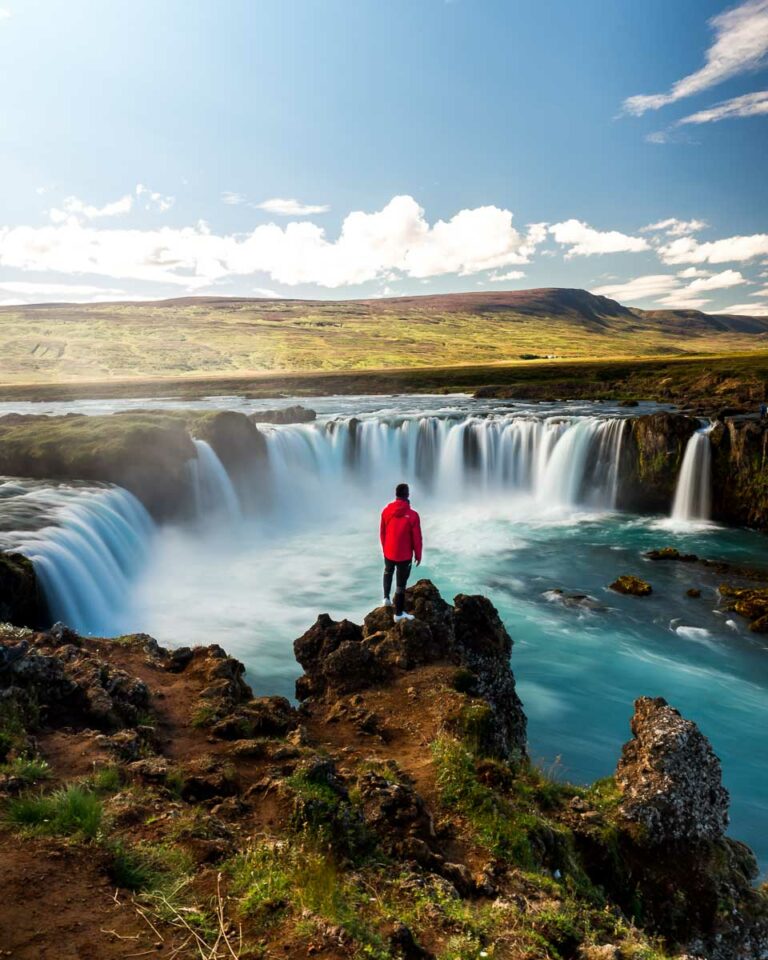
Godafoss waterfall, close to Akureyri, in North Iceland.
7-Day Itinerary: Ring Road with Snæfellsnes
Seven days makes a Ring Road journey more manageable and allows time to add the Snæfellsnes Peninsula to the journey. Extra days provide buffer time for weather delays, shorter driving distances, and more flexibility overall. Winter landscapes dominate this route, from snow-covered coastlines to frozen inland areas, with frequent opportunities to look for the northern lights at night.
This itinerary is best for travelers seeking the fullest winter experience and who are willing to let weather conditions guide the pace.
![[Photo credit to Danni Arndt]](https://bustravel.is/wp-content/uploads/2024/01/Budir-black-church-Snaefellsnes-Peninsula-7971.jpg "Budir black church Snaefellsnes Peninsula-7971")
Budir, the black church in Snaefellsnes.
Planning February Itineraries
In February, the best itinerary is one that stays flexible. Weather, daylight, and road conditions can all affect daily plans, and successful winter trips focus on safety rather than strict schedules. Whether you choose a short regional route or a full Ring Road journey, February rewards those who travel slowly, stay informed, and embrace Iceland’s winter conditions instead of trying to rush through them.
![Akureyri downtown in winter [Photo credit ©Yanshu Li]](https://bustravel.is/wp-content/uploads/2024/03/Akureyri-downtown-in-winter-4268.jpg "Akureyri downtown in winter-4268")
Akureyri downtown, North Iceland. [Photo by Yanshu Li]
Is It Worth Visiting Iceland in February?
Whether it is worth visiting Iceland in February depends on what you want from your trip—and what challenges you are willing to accept. February is not an easy or predictable time to visit, but it offers experiences that are difficult or impossible to have during other seasons.
In winter, Iceland’s landscapes become more dramatic and striking. Snow covers lava fields, waterfalls partially freeze, and the low winter sun creates long shadows across the land. The long nights increase your chances of seeing the northern lights, one of Iceland’s most famous natural sights. February also gives you access to winter-only activities like ice caves and glacier hikes, which are a major reason many people choose to visit during this time.
There are clear trade-offs. Daylight hours are limited, weather can change quickly and disrupt plans, and driving requires extra care and flexibility. Some remote areas may be closed, and itineraries often need last-minute adjustments. Visiting Iceland in February means planning carefully, being patient, and moving at a slower pace.
If you prefer warm weather, long days, and easy travel, summer may be a better choice. But if you enjoy quieter roads, fewer crowds, dramatic winter scenery, and a more raw and natural side of Iceland, February can be incredibly rewarding. For the right traveler, it offers a powerful and unforgettable way to experience the country.