



Iceland in April: Weather, Best Things to Do & Travel Tips
- Iceland by Month
- 5 Mar 2026
April is a great time to visit Iceland, with longer daylight hours, powerful waterfalls from melting snow, and fewer crowds. Here’s what to expect from the weather, Northern Lights, and the best things to see and do.
April is one of the most underrated months to visit Iceland.
Sitting between winter and summer, it offers a unique mix of seasonal experiences: longer daylight hours, powerful waterfalls fed by melting snow, fewer tourists, and even the possibility of seeing the Northern Lights early in the month.
While the weather can be unpredictable, April is a fantastic time for travelers who want dramatic landscapes, easier access to major attractions, and lower travel costs than the busy summer season.
This detailed travel guide explains everything you need to know about visiting Iceland in April, including weather conditions, temperatures, what to see, what to do, what to pack, and what to wear.

Iceland Weather in April
The weather in Iceland in April is highly variable, as the country transitions from winter into spring. Travelers should expect a mix of sun, rain, wind, and occasional snowfall, sometimes all within the same day.
Despite this variability, conditions are generally milder than the winter months. Average daytime temperatures typically range between 4°C and 7°C (39°F to 45°F), while nighttime temperatures usually hover around 0°C to 3°C (32°F to 37°F). In northern Iceland and higher elevations, temperatures may remain slightly colder, and snow can still occur periodically.
Snow is still possible throughout April, particularly in mountainous regions and in the north of the country, although it usually melts quickly in coastal areas and around Reykjavík. Rain showers and strong winds are common, which makes windproof and waterproof clothing essential for visitors. Despite these changing conditions, April often feels more pleasant than winter because of increasing sunlight and longer days.
─────────────────────────────────────────────
Please read Iceland in March to learn more about the weather in spring.
─────────────────────────────────────────────
Daylight Hours in Iceland in April
One of the biggest advantages of visiting Iceland in April is the rapid increase in daylight. At the beginning of the month, the sun typically rises around 6:45 AM and sets around 8:15 PM, providing approximately 13.5 hours of daylight. By the end of April, sunrise occurs close to 5:00 AM and sunset around 9:45 PM, resulting in more than 16 hours of daylight. These longer days provide travelers with ample time to explore Iceland’s landscapes, waterfalls, and coastal regions without the extremely limited daylight that characterizes the winter months.
The growing daylight also makes road travel easier and safer, especially for those planning self-drive trips along Iceland’s scenic routes.
Can You See the Northern Lights in Iceland in April?
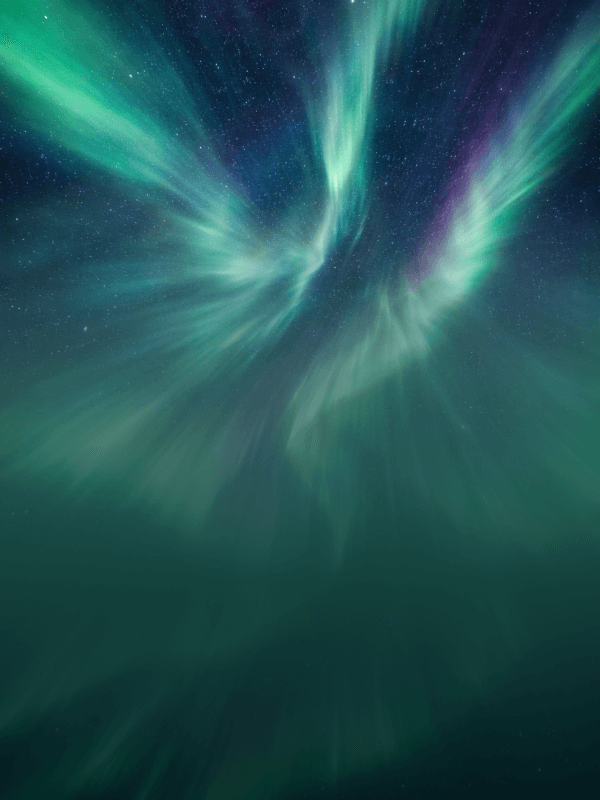
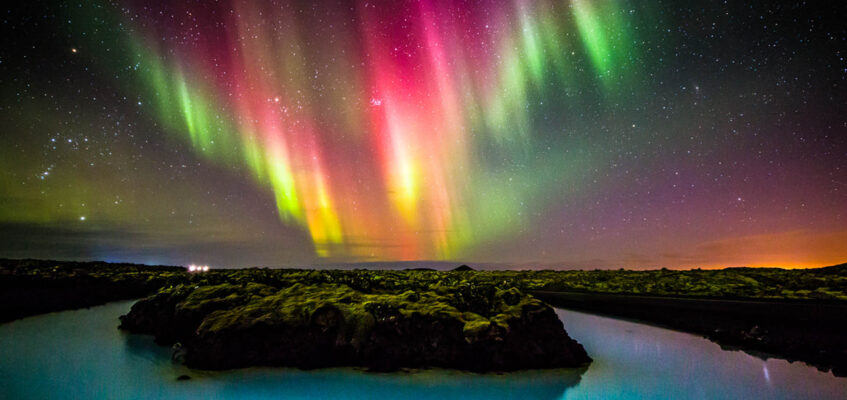
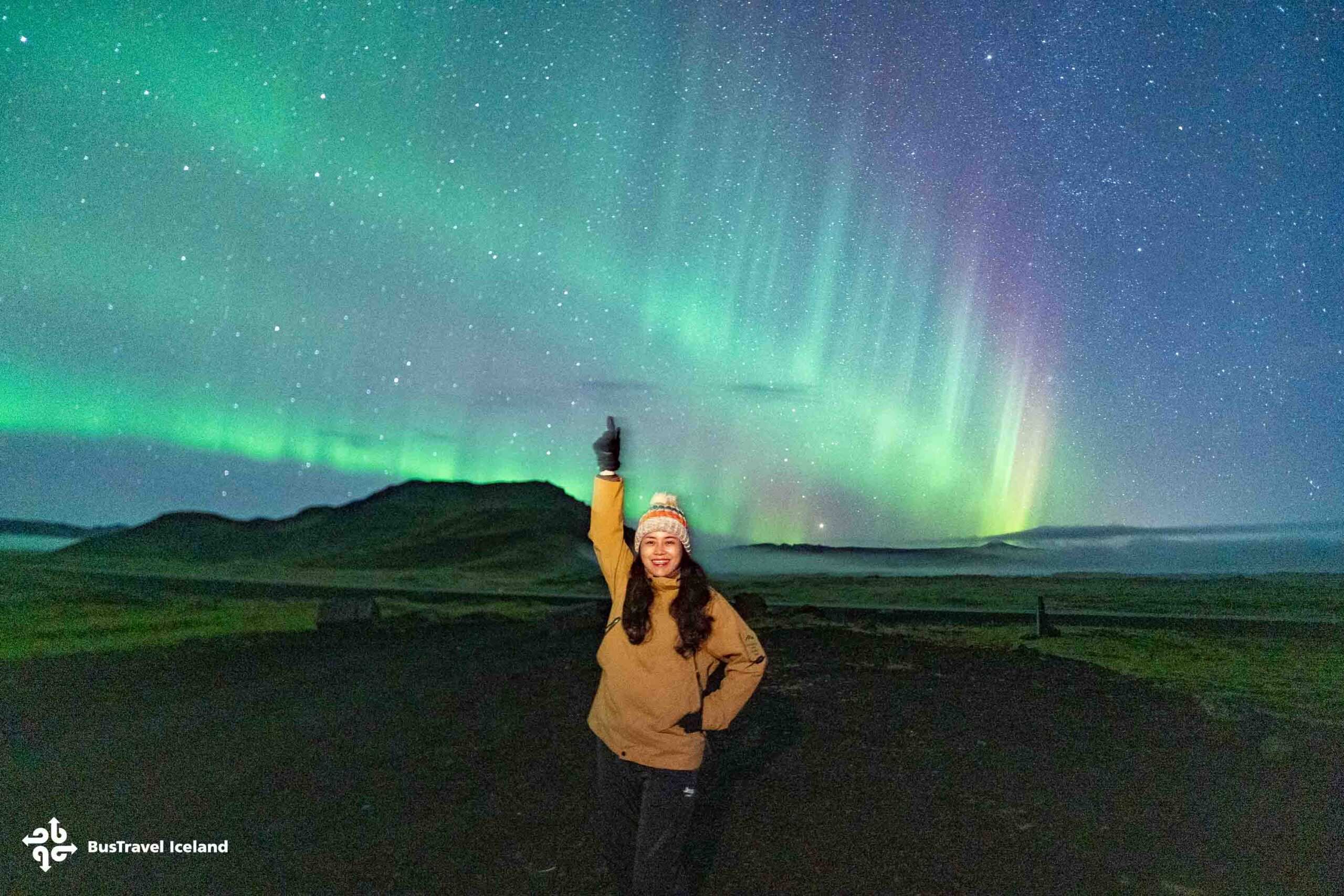
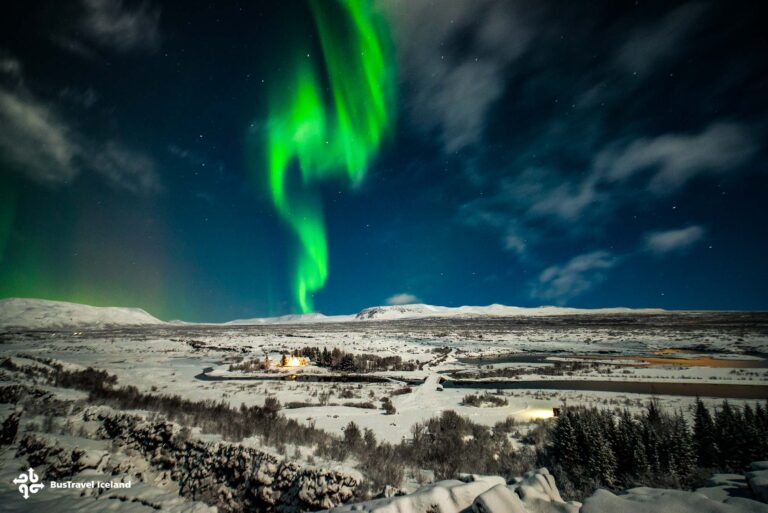
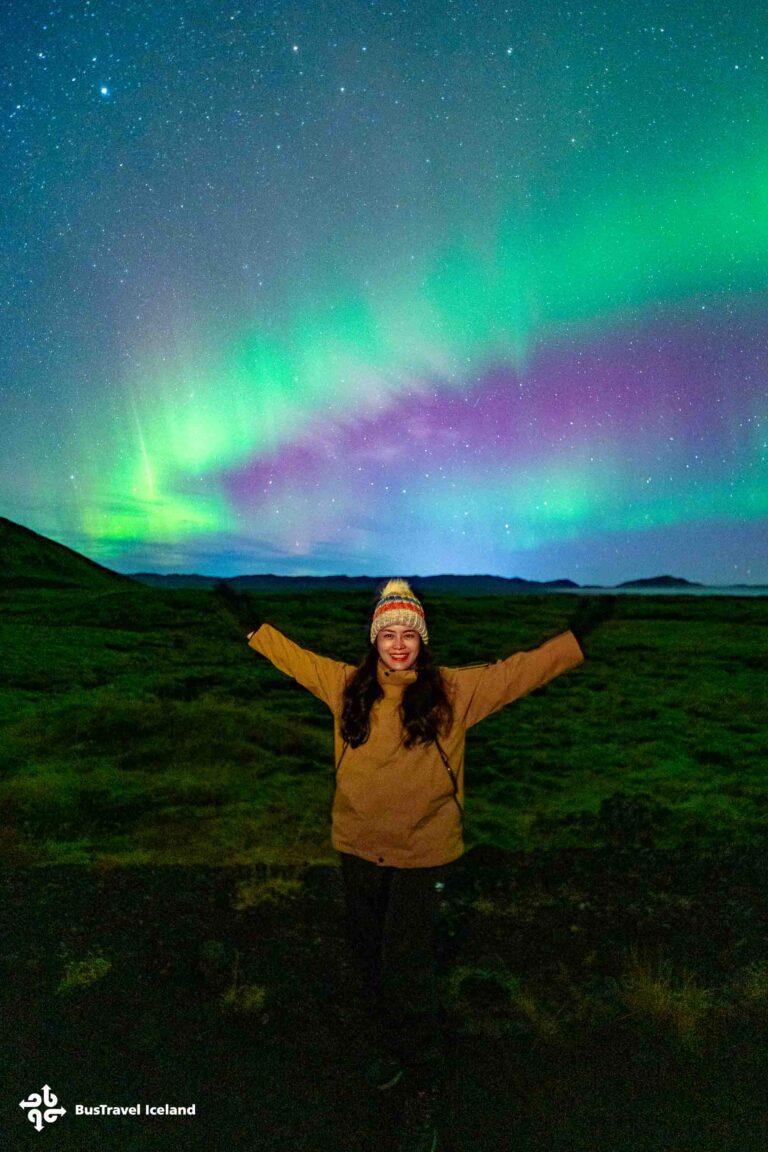
It is still possible to see the Northern Lights in Iceland during early April, although the chances decrease as the month progresses. The aurora borealis requires dark skies, clear weather, and sufficient solar activity. Because daylight hours increase quickly in spring, the window for aurora viewing becomes shorter toward the end of the month.
The best chances typically occur during the first two weeks of April, particularly in rural areas away from city lights. Popular locations for aurora viewing include the countryside surrounding Reykjavík, the dramatic landscapes of the Snæfellsnes Peninsula, and the remote areas along Iceland’s southern coastline.
If you’re unsure whether conditions are good enough to head out in search of the Northern Lights, it can be helpful to join a guided Northern Lights tour. Professional guides monitor real-time weather and aurora forecasts to determine when conditions are favorable, increasing your chances of seeing the lights.
Best Things to Do in Iceland in April
April offers an excellent balance of accessibility and dramatic scenery, making it a great time for sightseeing and outdoor activities.
Exploring Popular Sightseeing Routes
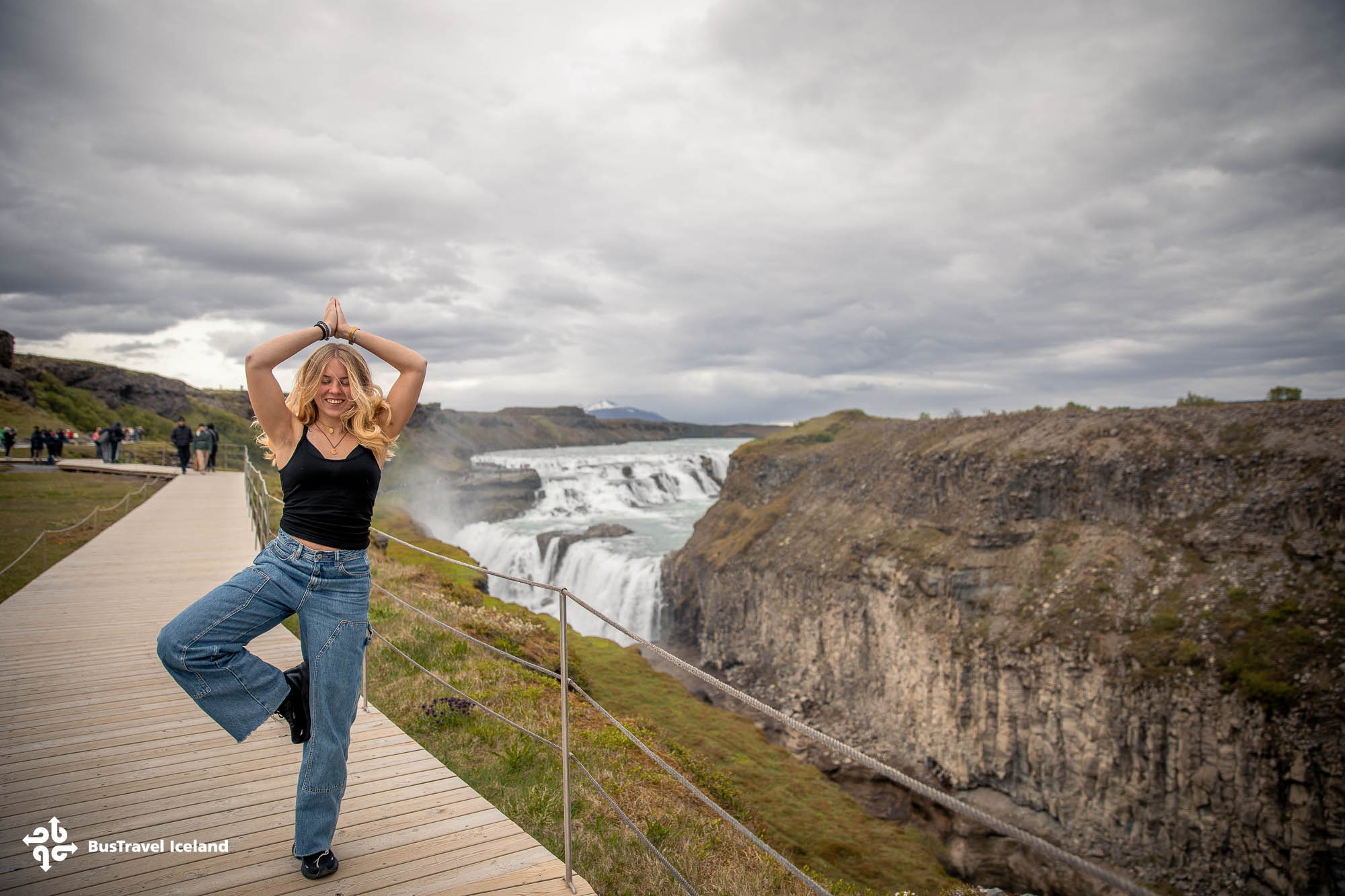
Exploring the Golden Circle is one of the most popular experiences in Iceland year-round. This famous sightseeing route includes Þingvellir National Park, where visitors can walk between the North American and Eurasian tectonic plates, the geothermal wonders of the Geysir Geothermal Area, and the powerful cascade of Gullfoss. During April, melting snow from nearby glaciers increases the volume of water flowing through rivers and waterfalls, making the scenery particularly dramatic.

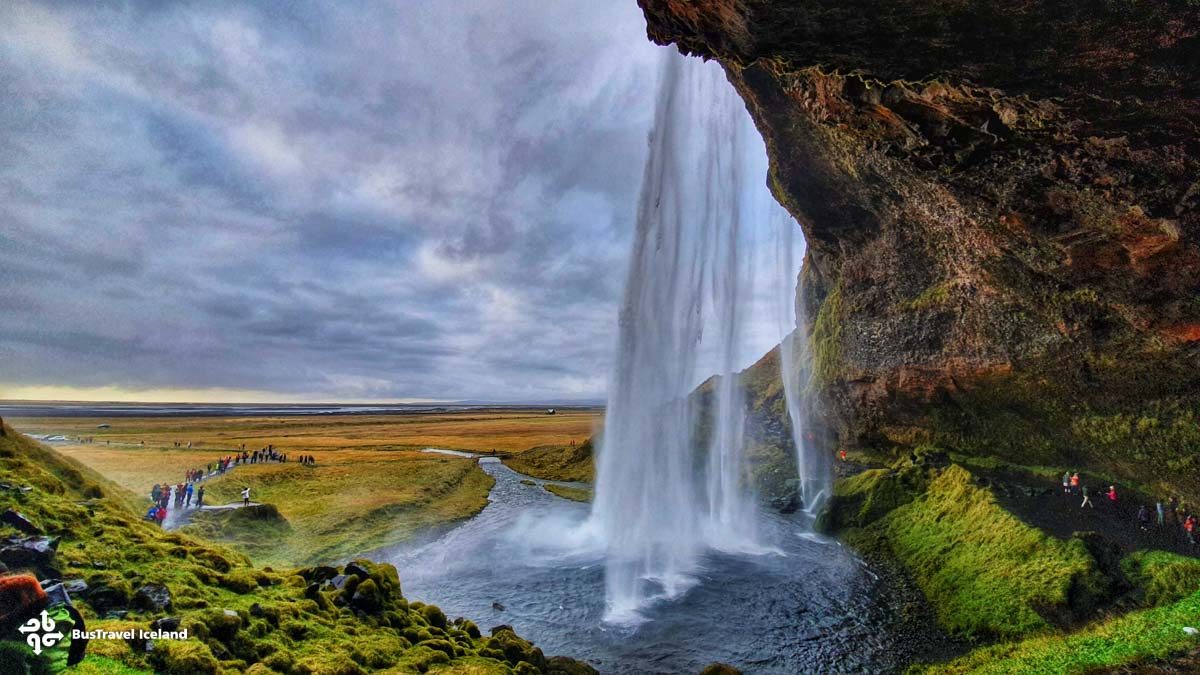
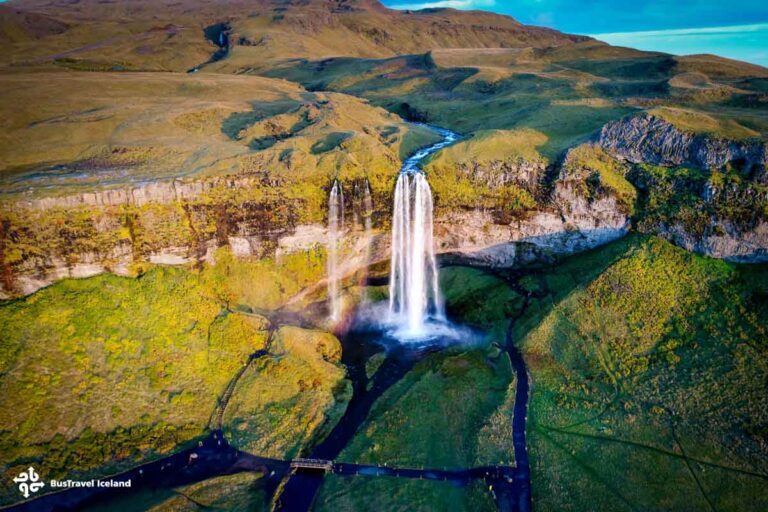
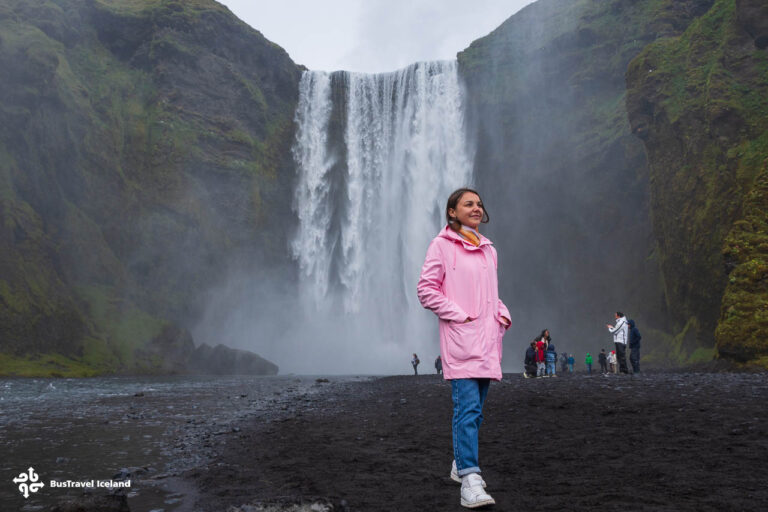
Another must-see region is Iceland’s spectacular south coast. The South Coast features some of the country’s most iconic landscapes, including the waterfalls Seljalandsfoss and Skógafoss, both of which become especially powerful during spring snowmelt. Visitors can also explore the striking black volcanic sands of Reynisfjara, where towering basalt columns and crashing Atlantic waves create one of Iceland’s most unforgettable coastal views.

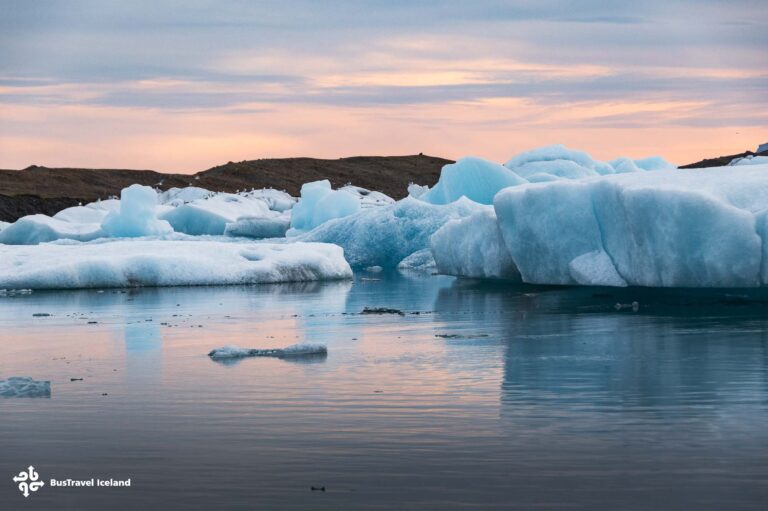
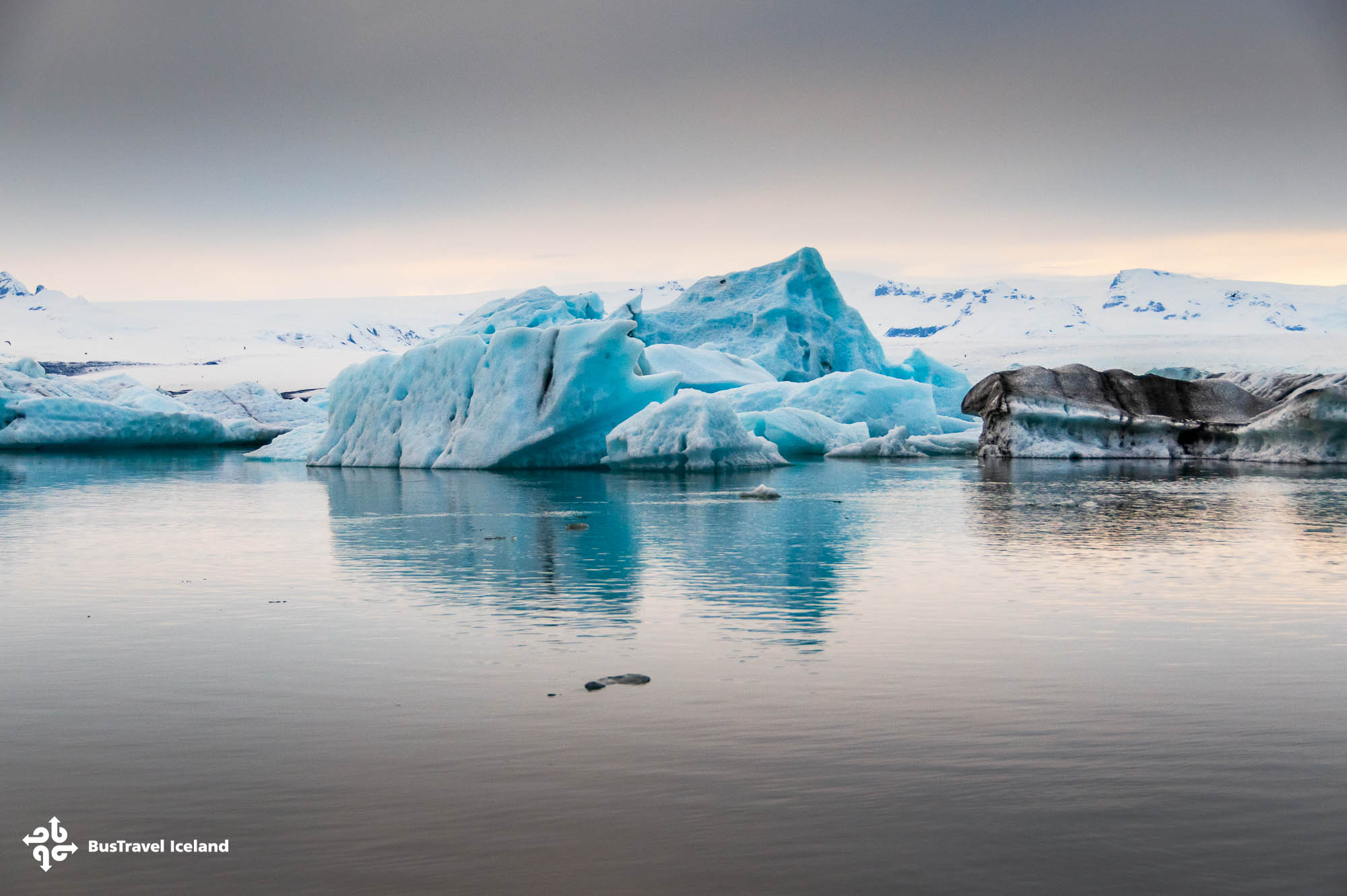
If you have more time, I highly recommend joining a 2-day South Coast tour to explore the glacier landscapes surrounding Jökulsárlón Glacier Lagoon and the nearby Diamond Beach. This extended trip allows you to travel farther along Iceland’s south coast and experience some of the country’s most spectacular scenery.
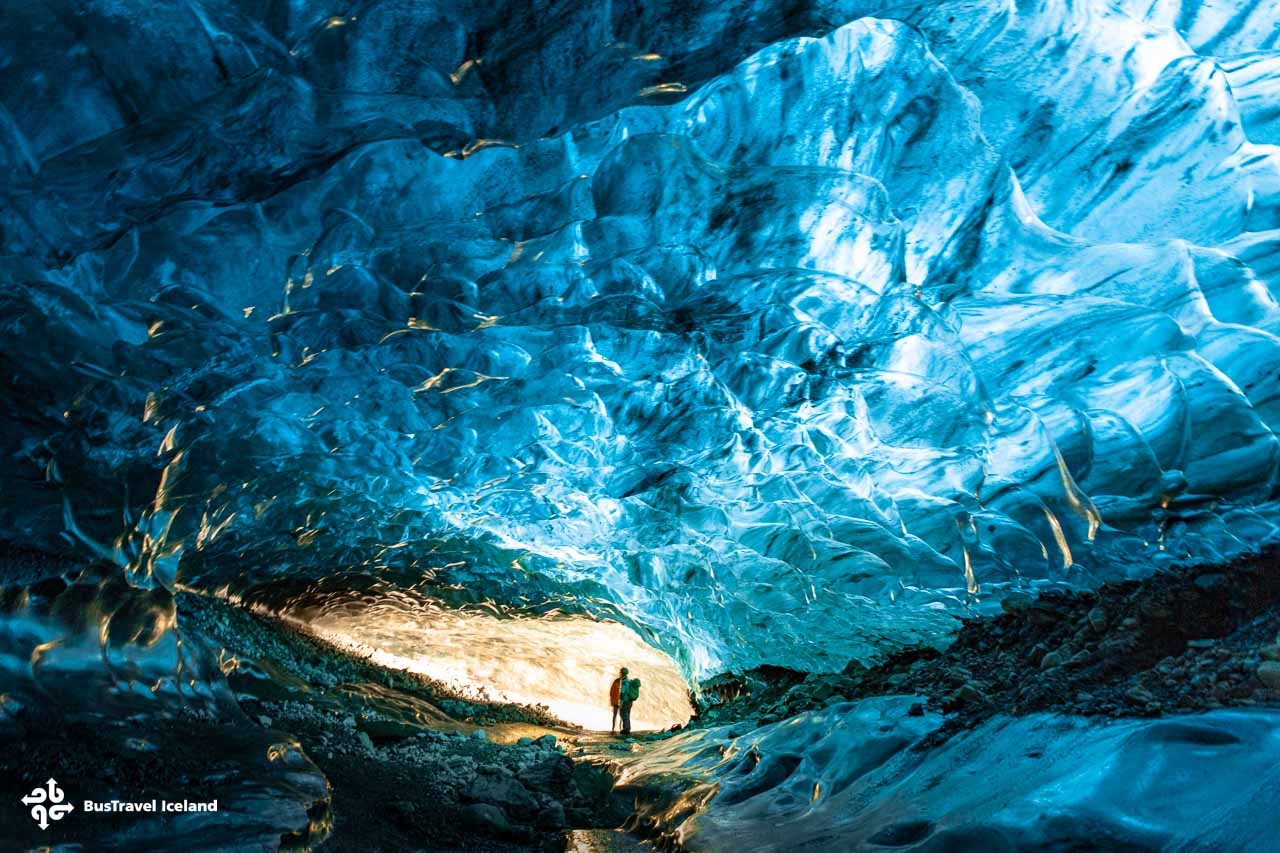
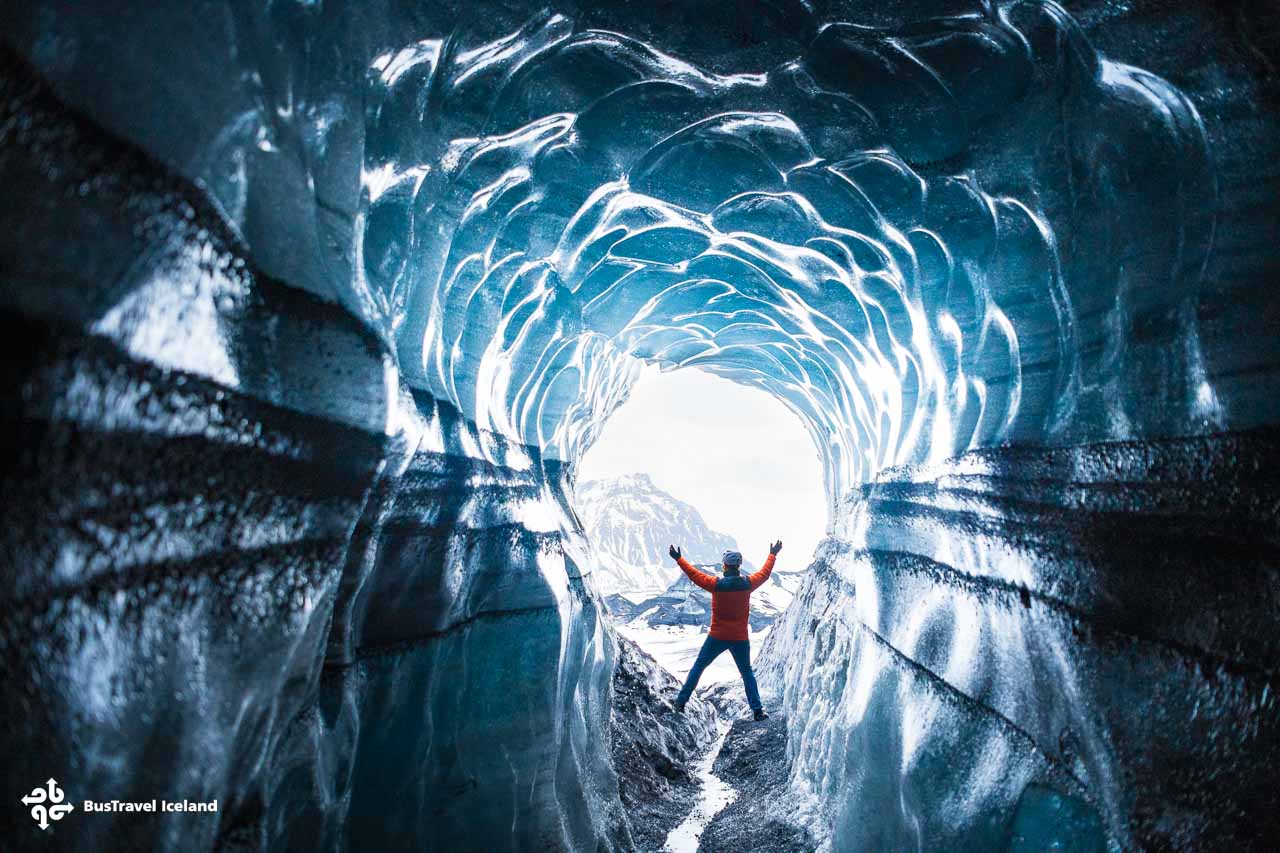
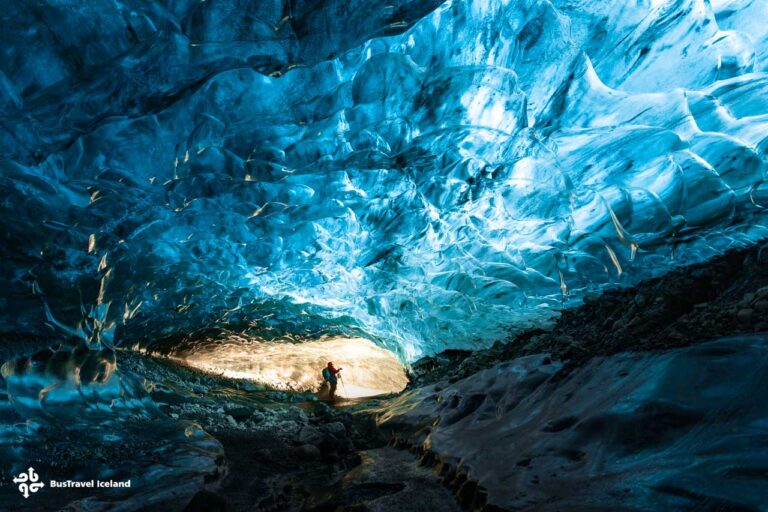
Many tours also offer the option to add an ice cave adventure, giving you the chance to venture inside a natural glacier cave and experience one of Iceland’s most unique geological features.
Geothermal Bathing
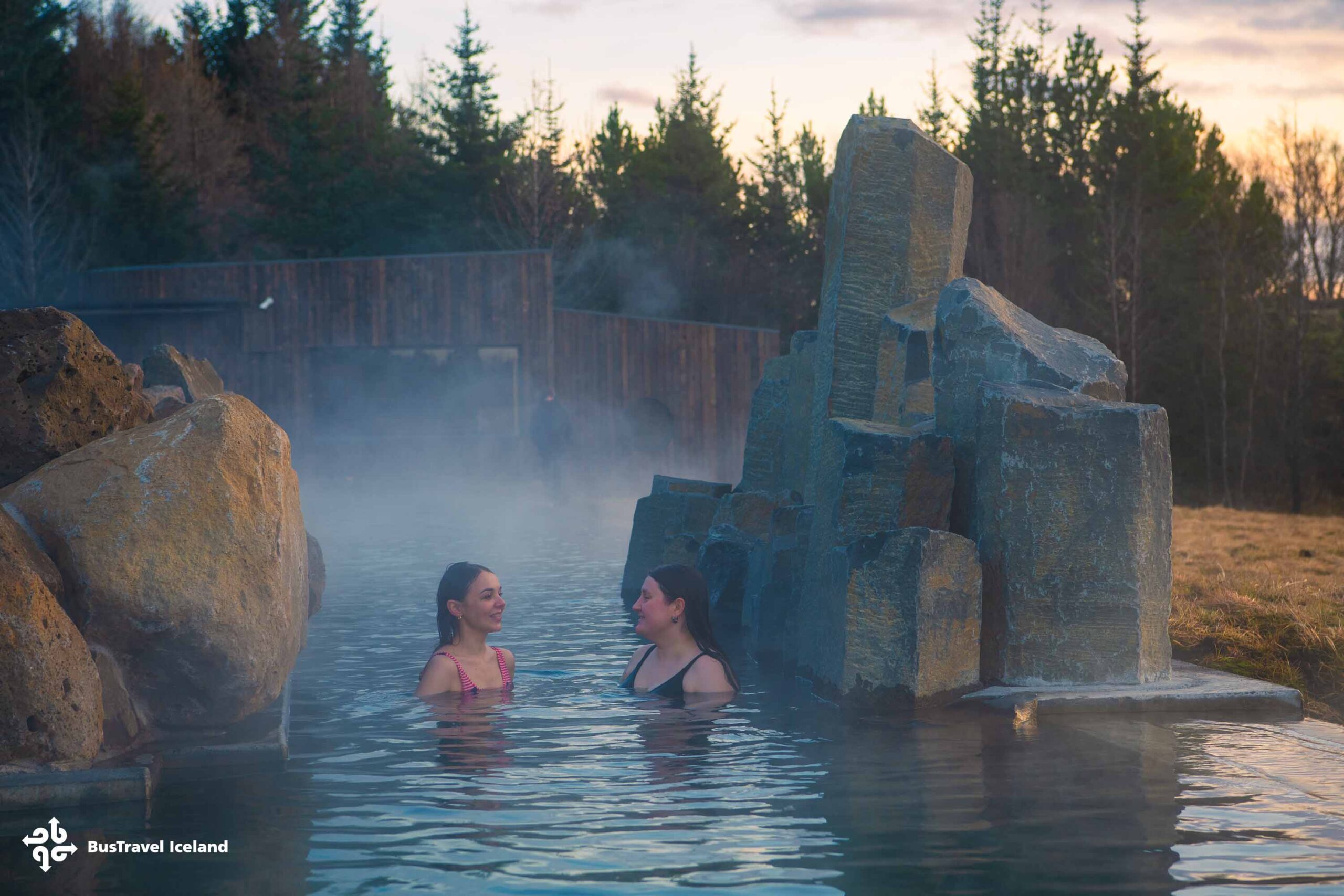
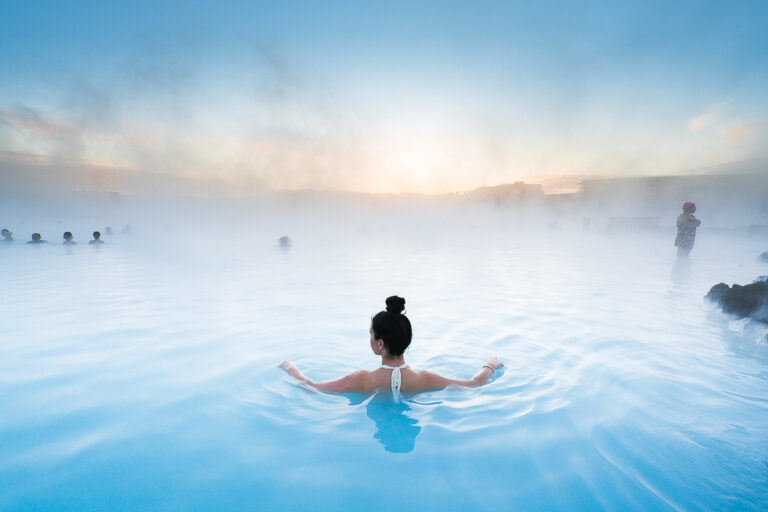
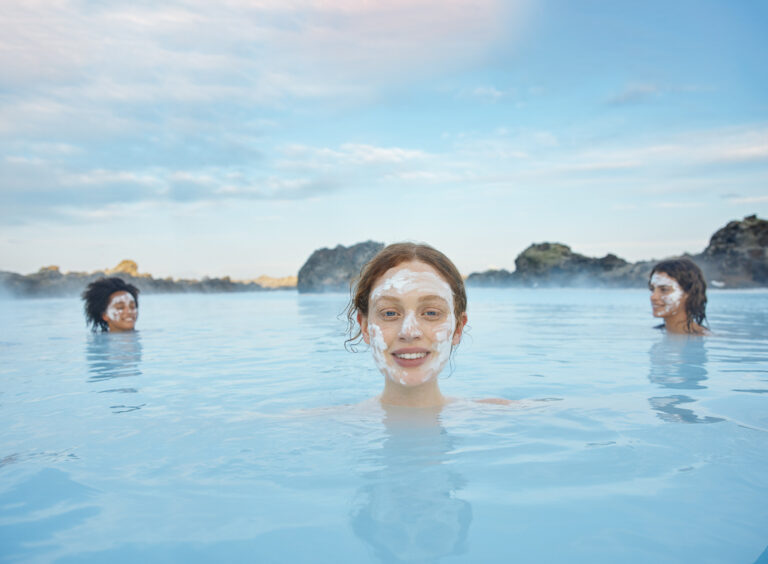
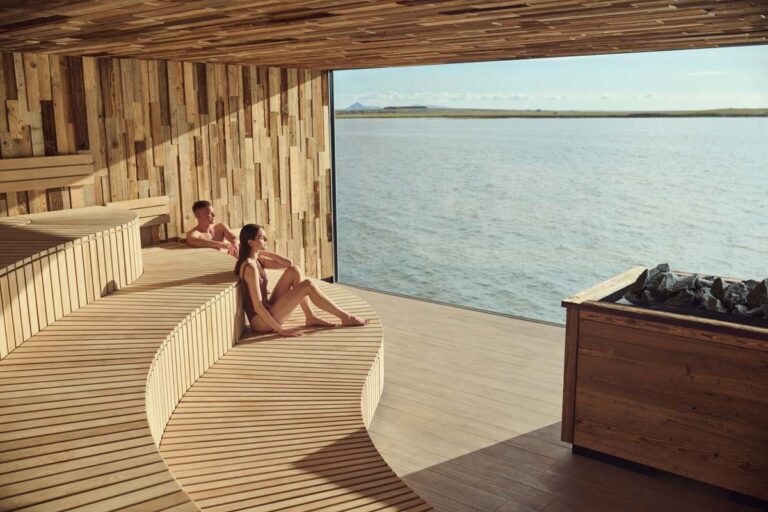
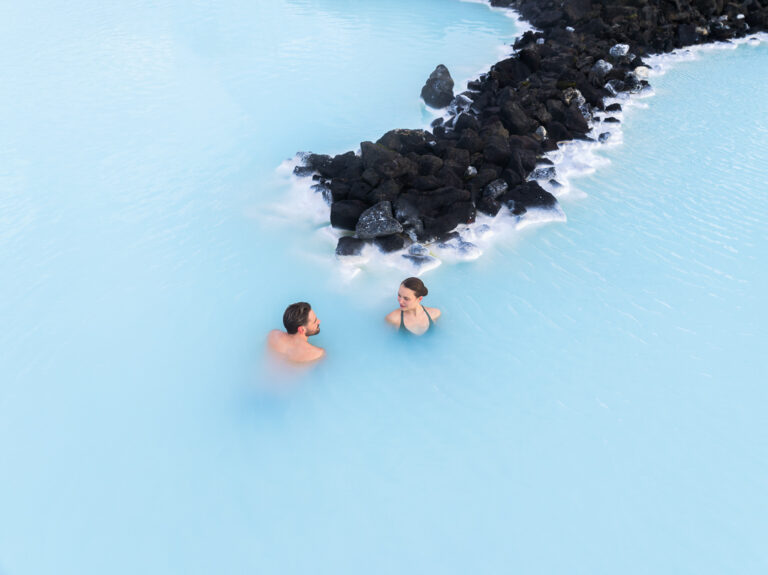
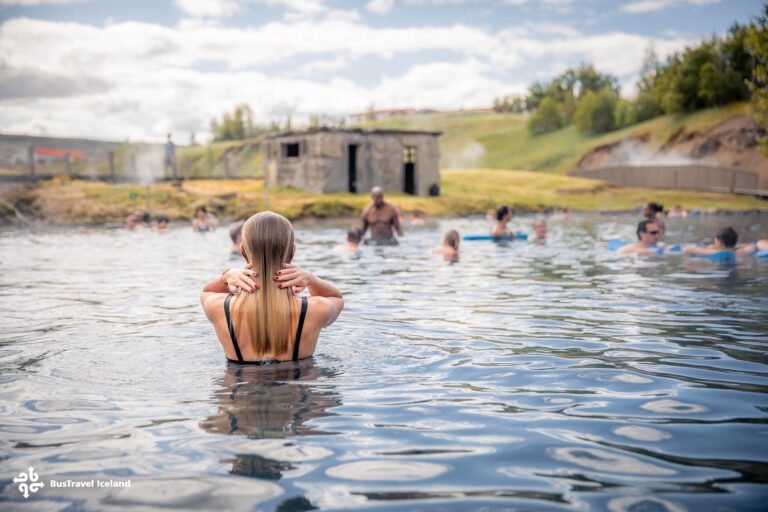
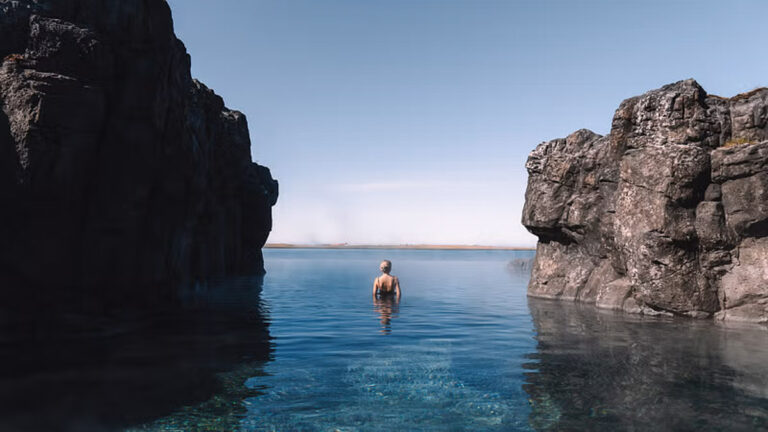
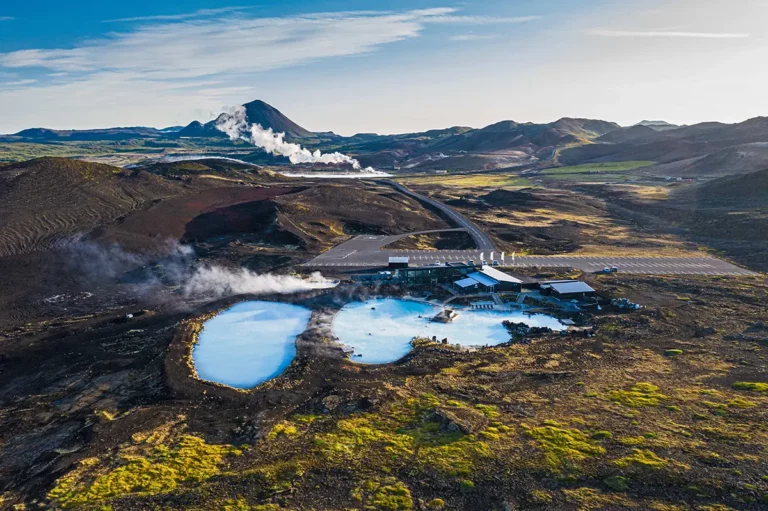
Geothermal bathing is another highlight of any Iceland trip, and April’s cool temperatures make soaking in hot mineral waters even more enjoyable. You can relax at famous geothermal spas such as the Blue Lagoon, the oceanfront infinity pools at Sky Lagoon, or the serene vibe at Laugaras Lagoon, all of which offer warm water, steam rising into the cool air, and spectacular surroundings.

Volcano Hikes
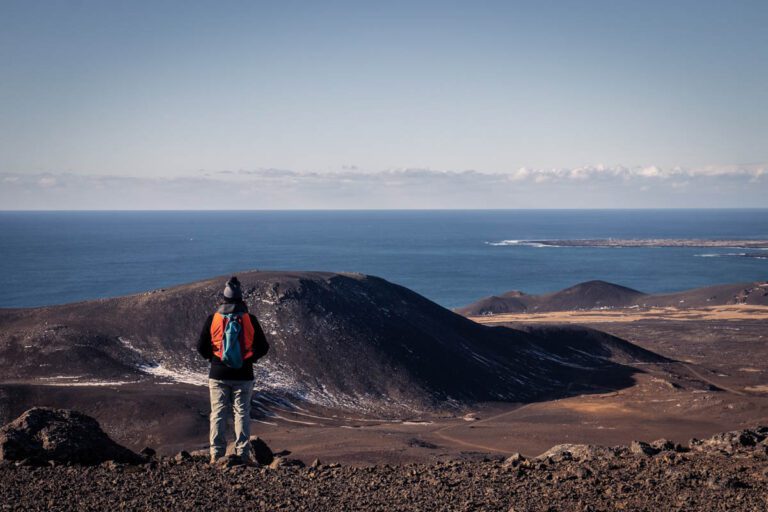
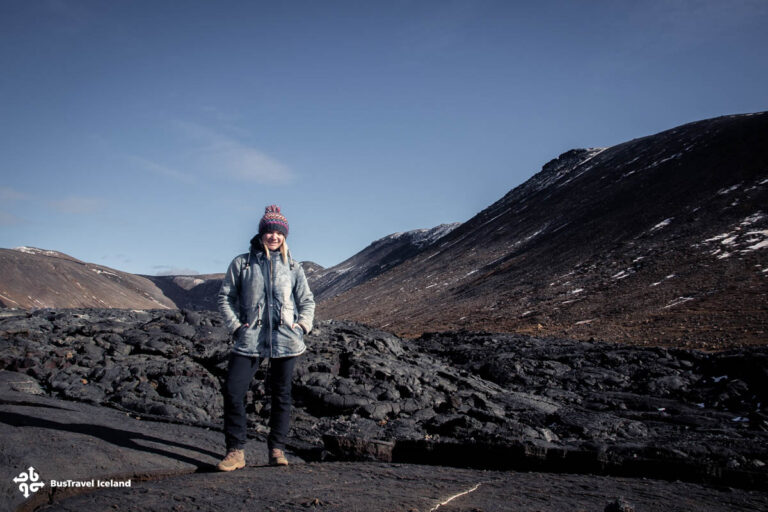
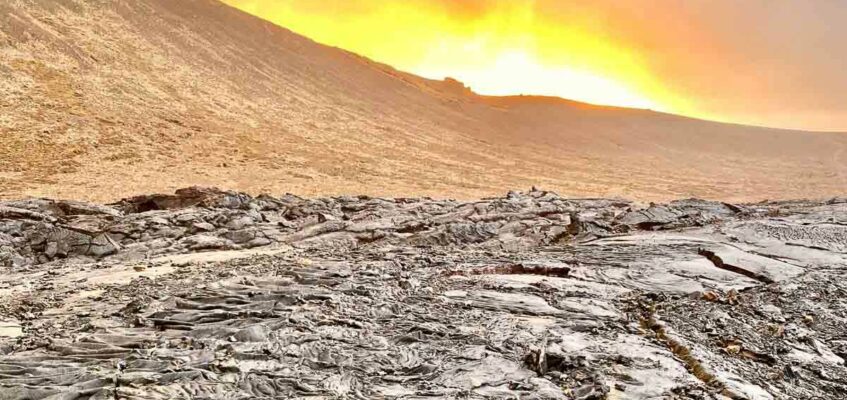
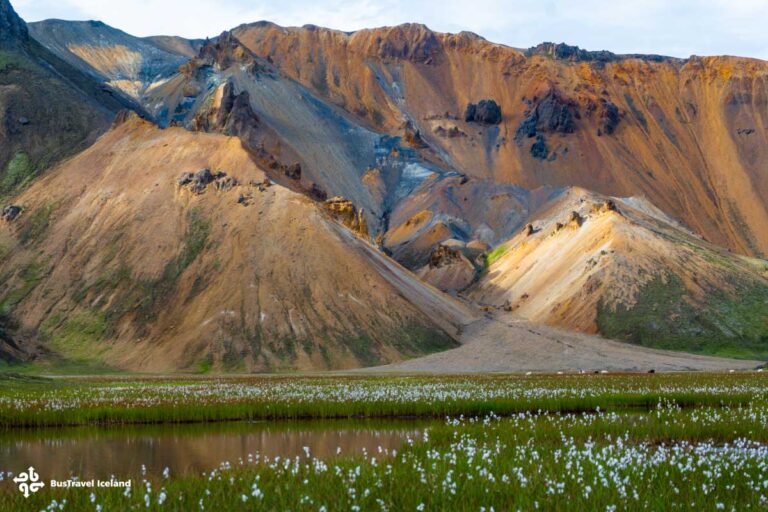
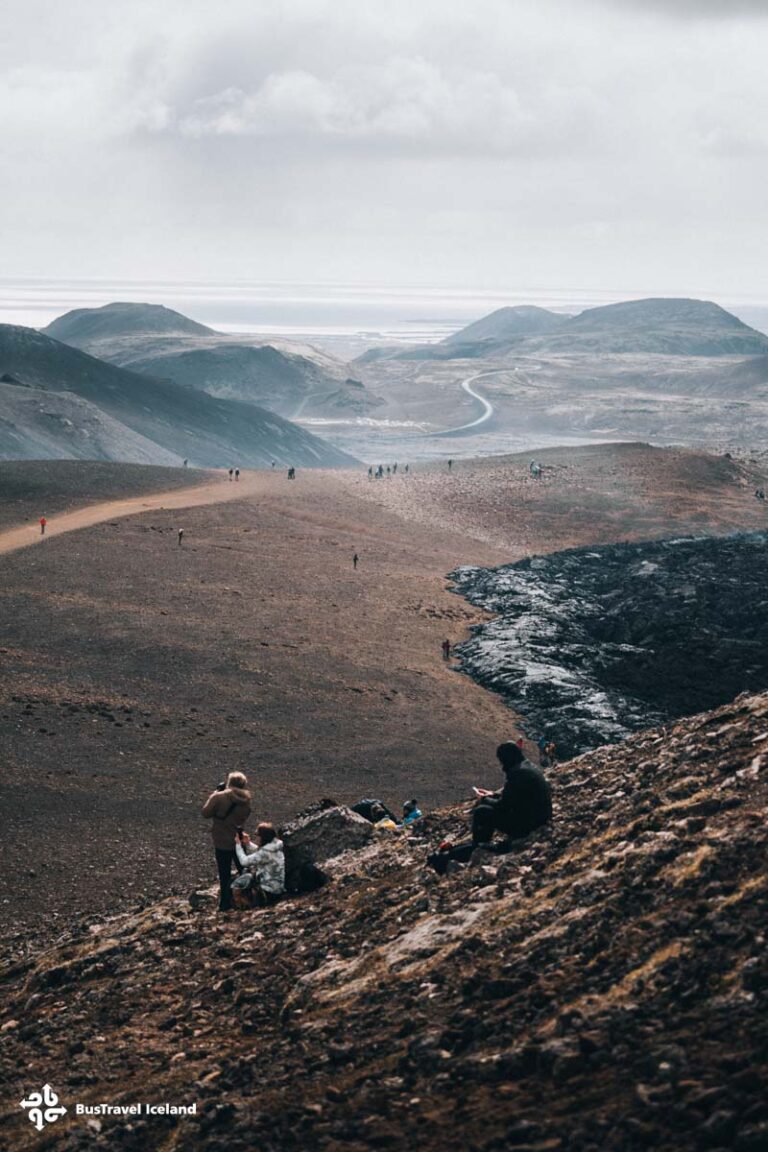
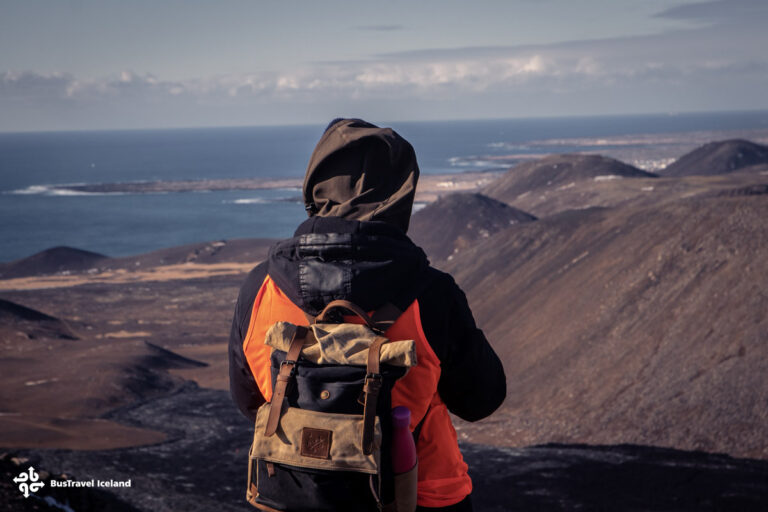
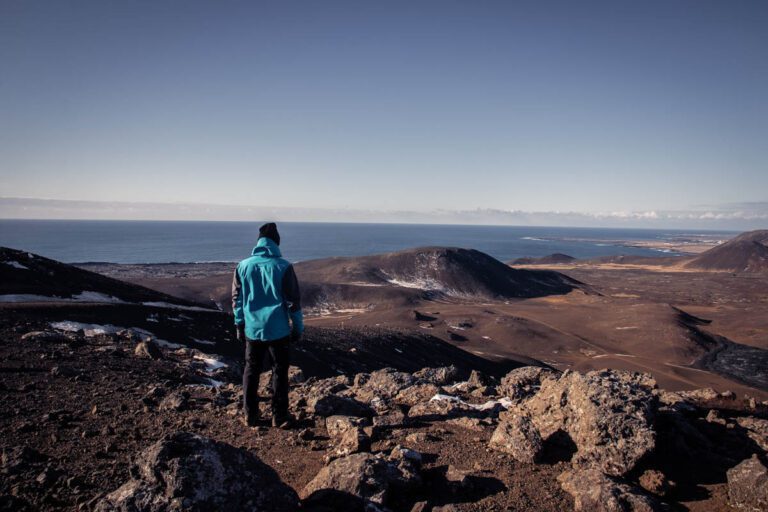
Hiking to volcanic landscapes is another unforgettable experience in Iceland, and April can be a great time to explore the country’s dramatic lava fields and crater formations. The volcanic areas of the Reykjanes Peninsula have gained global attention in recent years due to eruptions around Fagradalsfjall. Guided hikes or well-marked trails in the region allow visitors to walk across fresh lava fields, view steaming volcanic terrain, and witness the powerful geological forces that continue to shape Iceland’s landscape.

These hikes offer a unique opportunity to experience one of the most active volcanic regions in the world.
Whale Watching
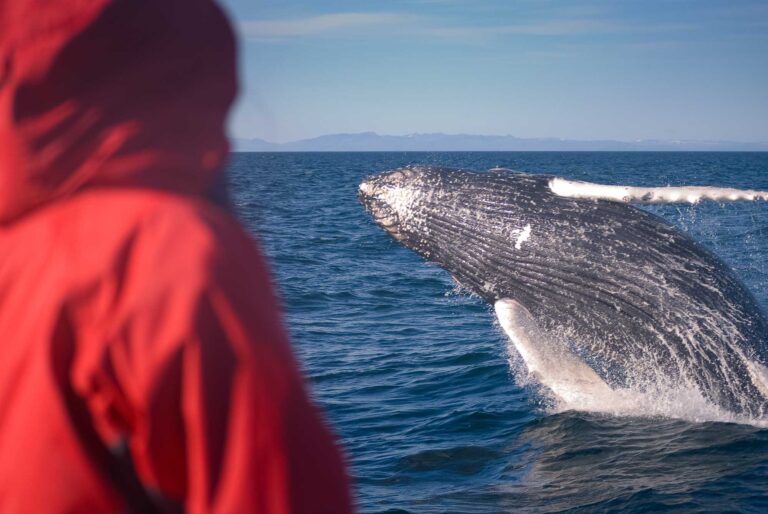
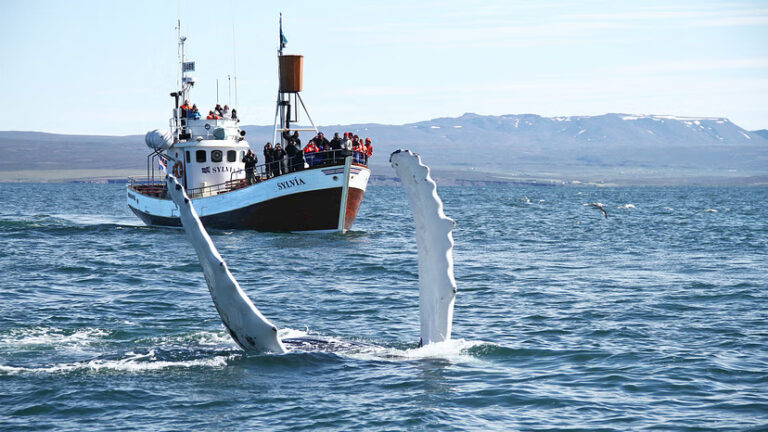
Whale watching is a popular activity in Iceland year-round and a great addition to an April itinerary. Tours departing from Reykjavík or Húsavík offer the chance to spot marine wildlife such as humpback whales, minke whales, dolphins, and harbor porpoises.

Heading out into the North Atlantic provides a unique perspective of Iceland’s coastline while experiencing the rich marine life that inhabits the surrounding waters.
Glacier Adventures
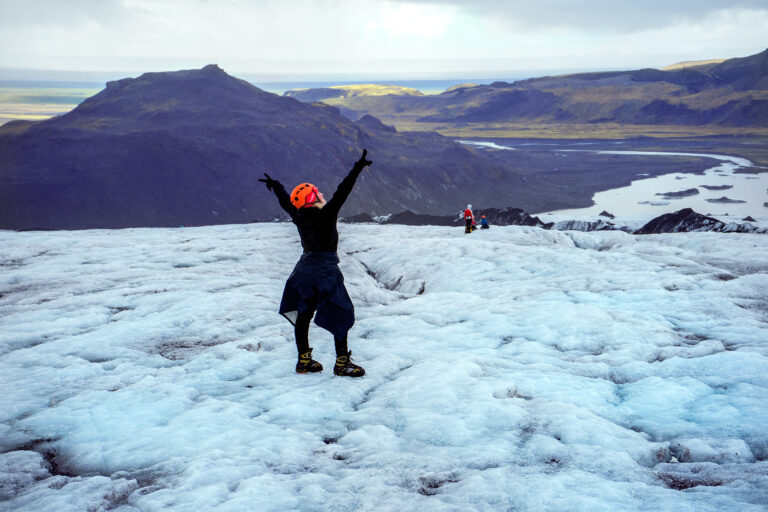
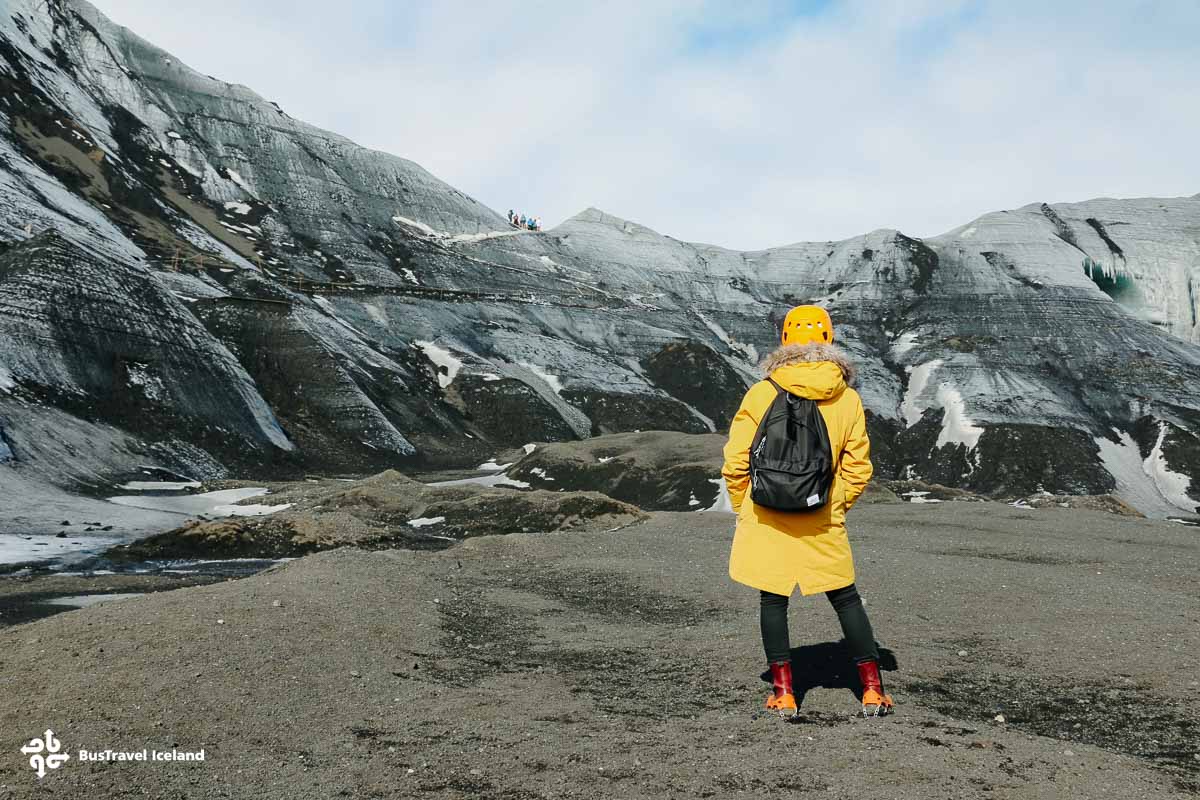
April is still part of the glacier adventure season in Iceland, and many glaciers remain accessible for guided activities. Travelers can join glacier hikes on massive ice caps like Vatnajökull or Sólheimajökull, where experienced guides lead visitors across crevasses, ice formations, and dramatic glacial landscapes.
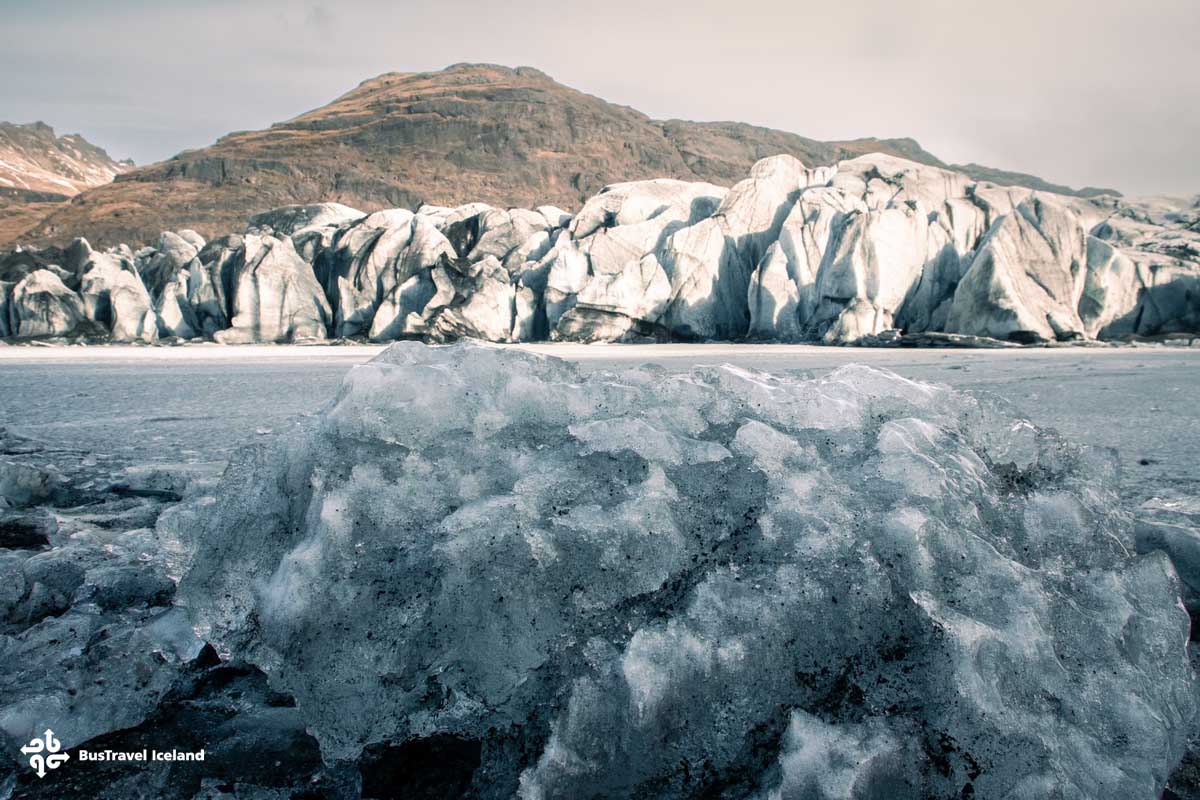
These guided tours provide a safe way to explore Iceland’s glaciers while learning about the powerful natural forces that shape the island.
Best Places to Visit in Iceland in April
Several regions of Iceland are particularly rewarding to visit during April.
Explore Reykjavík and Local Culture
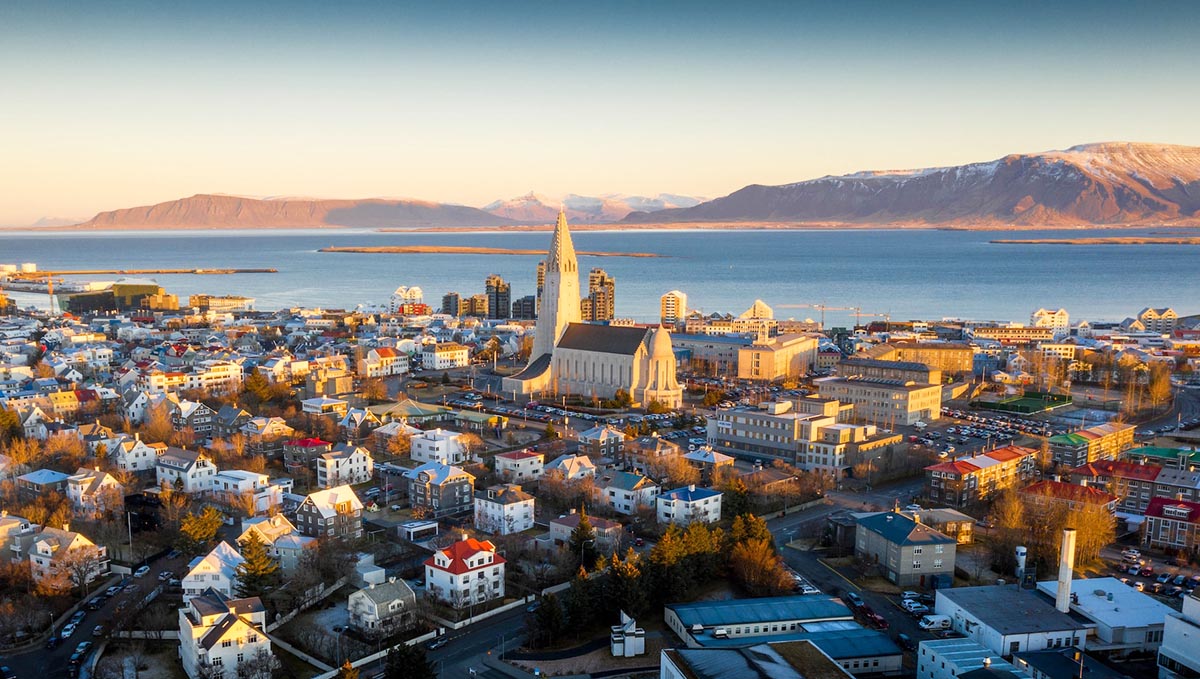
The capital city, Reykjavík, is the main gateway for travelers and a great place to experience Icelandic culture in April. The city offers a vibrant mix of museums, restaurants, art galleries, and cozy cafés, alongside landmarks such as Hallgrímskirkja and the waterfront sculpture Sun Voyager. Reykjavík also serves as a convenient base for exploring nearby natural attractions, including the Golden Circle and several geothermal spas.
Snæfellsnes Peninsula
The Snæfellsnes Peninsula is often described as “Iceland in miniature” because it contains a remarkable variety of landscapes within a relatively small area.
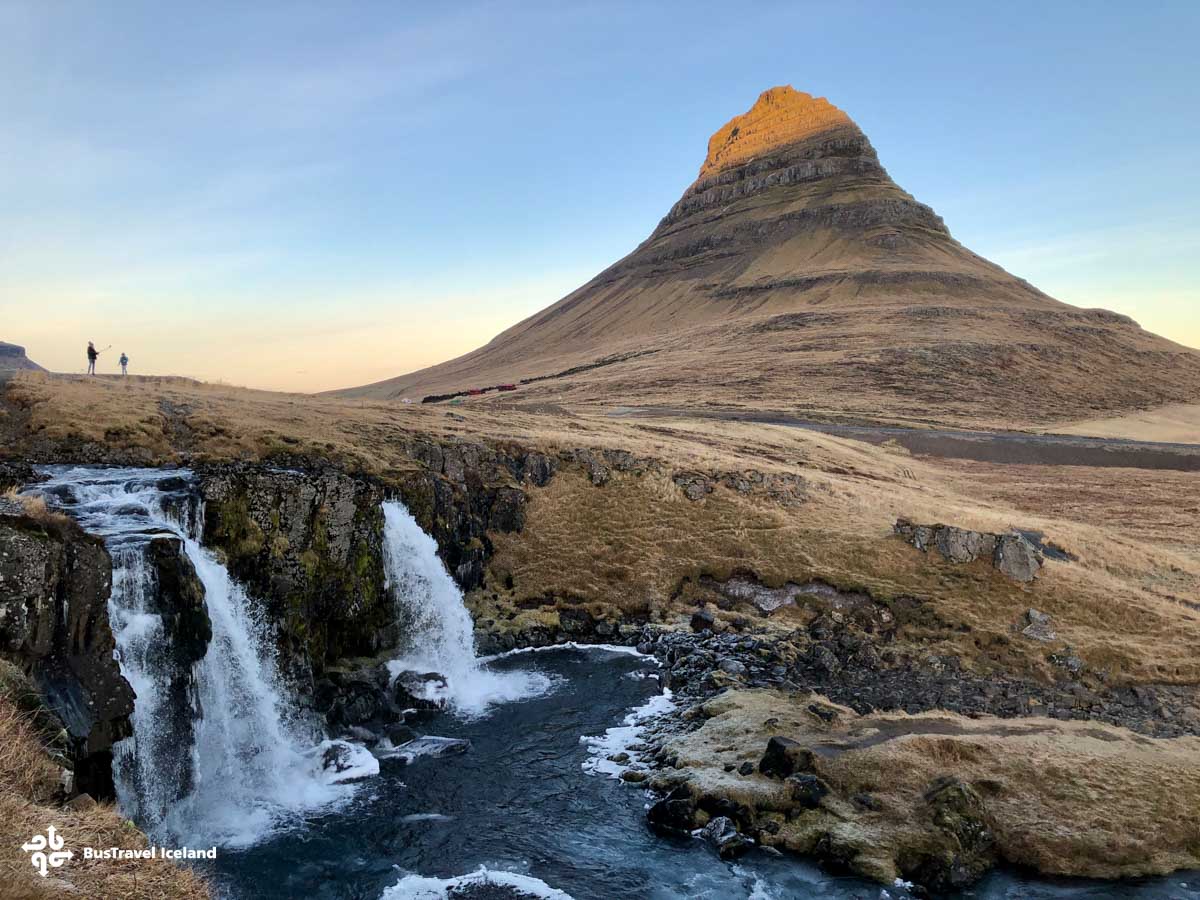
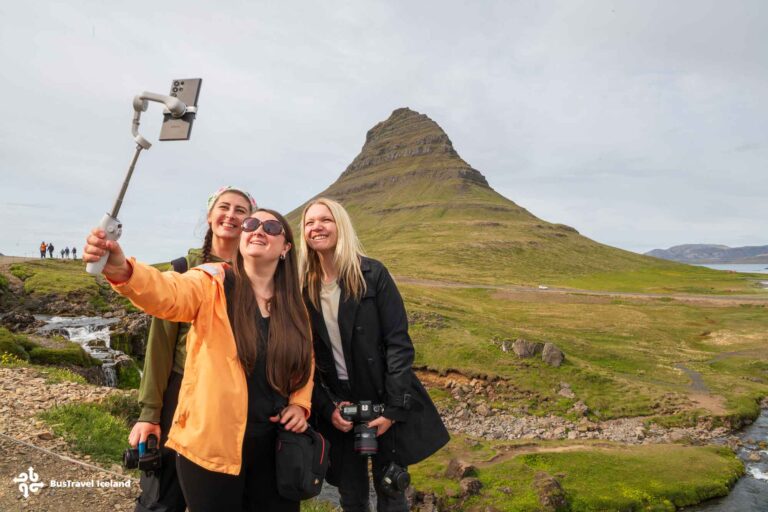
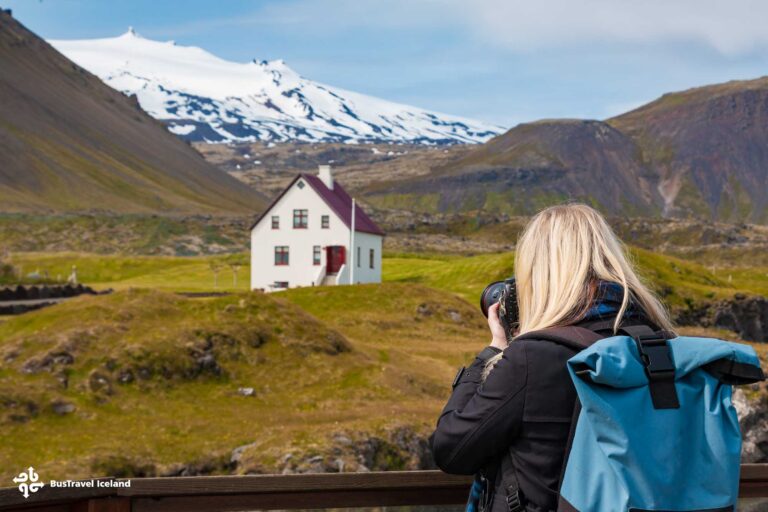
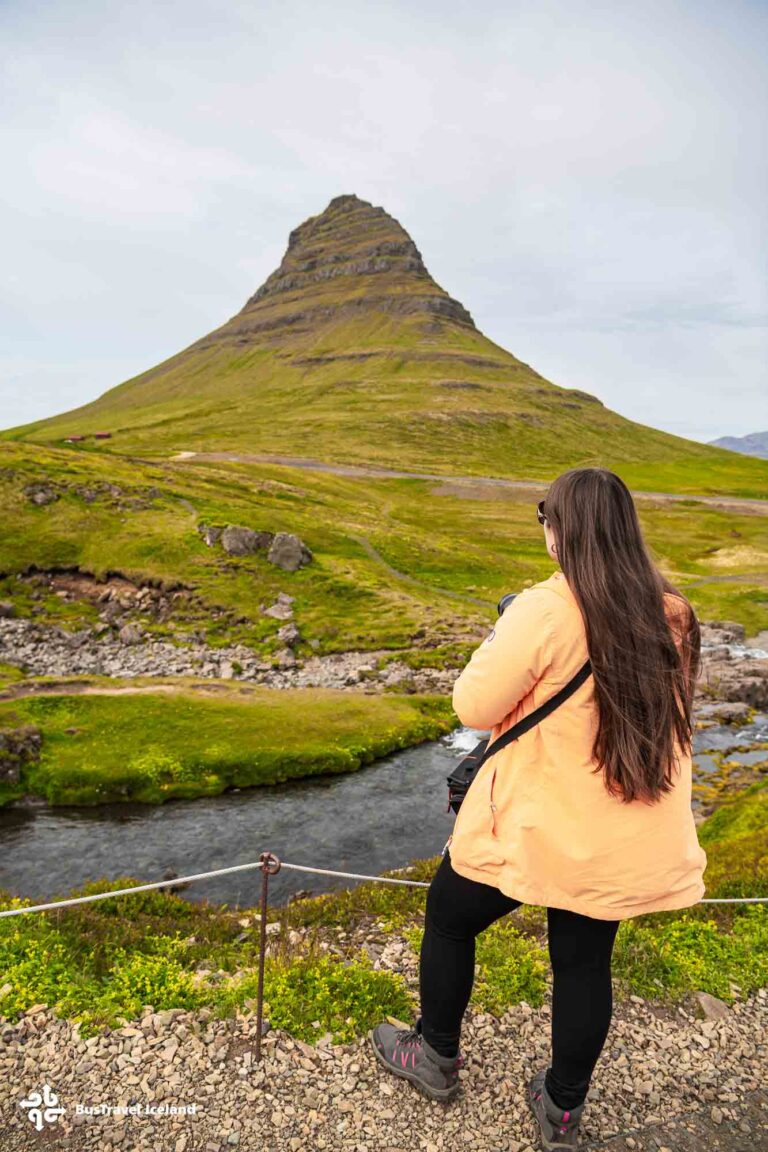
You can see the glacier-capped volcano Snæfellsjökull, the iconic pyramid-shaped mountain Kirkjufell and nearby Kirkjufellsfoss, the dramatic basalt sea stacks of Lóndrangar, and the black pebble beach at Djúpalónssandur. The peninsula is also home to charming fishing villages such as Arnarstapi and Stykkishólmur, along with scenic coastal cliffs and lava fields that showcase many of Iceland’s natural features in one region.


Akureyri, the Capital of the North
Visitors interested in exploring northern Iceland may also consider traveling to Akureyri, a charming town located along a fjord and often referred to as the capital of the north.

Events and Holidays in Iceland in April
April is an interesting time to visit Iceland not only for its spring landscapes but also for a few cultural events and holidays that offer a glimpse into local traditions and celebrations. While it is generally a quieter tourism month compared to summer, you may come across national holidays, festive gatherings, and cultural events that add another layer to your travel experience.
First Day of Summer
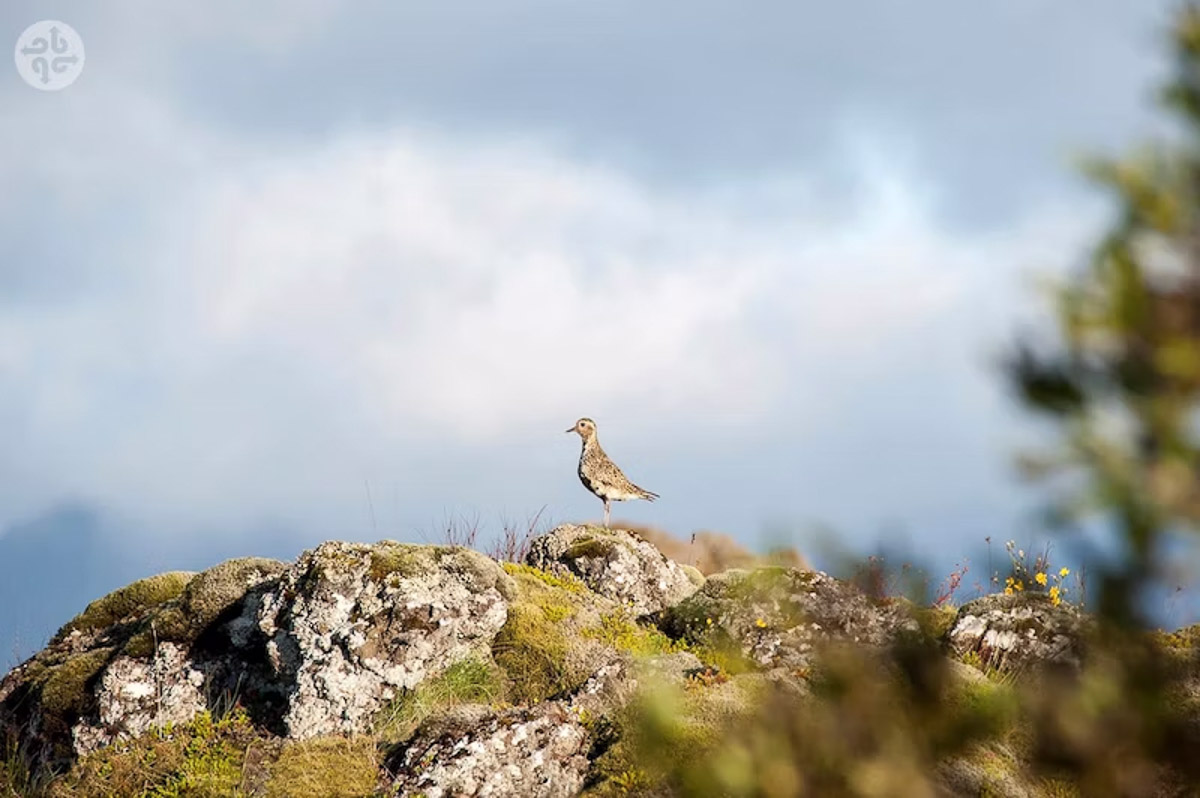
One uniquely Icelandic celebration is First Day of Summer (Sumardagurinn Fyrsti), which usually takes place in late April. Despite its name, the weather often still feels quite spring-like, but the holiday celebrates the arrival of the brighter season according to the old Norse calendar. Towns across Iceland mark the occasion with parades, community events, outdoor activities, and family-friendly festivities.
Easter Celebrations
Some years, Easter falls in April, and it is one of the most widely celebrated holidays in Iceland. Many locals spend the long holiday weekend traveling around the country, visiting summer houses, or enjoying outdoor activities. If you are visiting during this time, you may notice festive decorations, special Easter chocolates filled with candy, and seasonal treats available in cafés and bakeries.

Reykjavík Cultural Events
Throughout April, the capital city of Reykjavík often hosts concerts, exhibitions, and smaller cultural events as the city transitions into the busier spring season. Music venues, galleries, and cultural spaces create a lively atmosphere, making it a great opportunity for you to experience Iceland’s creative scene while exploring the city’s cafés, restaurants, and harbor area.

These holidays and local events give you the chance to experience not only Iceland’s dramatic landscapes but also a glimpse of Icelandic culture and seasonal traditions during your visit.
What to Pack for Iceland in April
Packing properly for Iceland in April is crucial because of the rapidly changing weather conditions. The most important strategy is dressing in layers, allowing you to adapt easily to shifting temperatures, wind, and precipitation.
Essential clothing items include a waterproof and windproof jacket, insulated outerwear, thermal base layers, warm sweaters or fleece mid-layers, waterproof pants, gloves, a warm hat, and a scarf or neck buff. Waterproof hiking boots are highly recommended, as many trails near waterfalls and coastal areas can be wet or muddy during spring.
In addition to clothing, you should bring a swimsuit for geothermal pools and hot springs, sunglasses to reduce glare from snow or reflective water surfaces, a reusable water bottle for Iceland’s exceptionally clean tap water, and a camera or tripod for capturing landscapes or potential Northern Lights displays.

What to Wear in Iceland in April

Because of Iceland’s variable climate, the best approach is to use a three-layer clothing system. A moisture-wicking thermal base layer helps regulate body temperature and keep you dry. A mid-layer such as fleece or wool provides insulation and warmth. Finally, a waterproof and windproof outer layer protects against Iceland’s frequent rain showers and strong winds.
This flexible layering system allows travelers to adjust their clothing throughout the day as conditions change, which is especially useful when moving between coastal areas, waterfalls, and higher elevations.
Is April a Good Time to Visit Iceland?
April is considered one of the best shoulder-season months to visit Iceland. Travelers benefit from significantly fewer tourists than during the peak summer season, more affordable accommodations, and increasingly long daylight hours that allow for extended sightseeing. Spring snowmelt also makes waterfalls especially powerful and visually striking.
While the weather can still be unpredictable and some highland roads remain closed until summer, April offers an excellent balance of accessibility, dramatic scenery, and lower crowds. For travelers who want to experience Iceland’s landscapes without peak-season congestion, April can be an ideal time to explore the country.