



Visiting Iceland in August: Complete Travel Guide and Itinerary Ideas
- Iceland by Month
- 19 Aug 2026
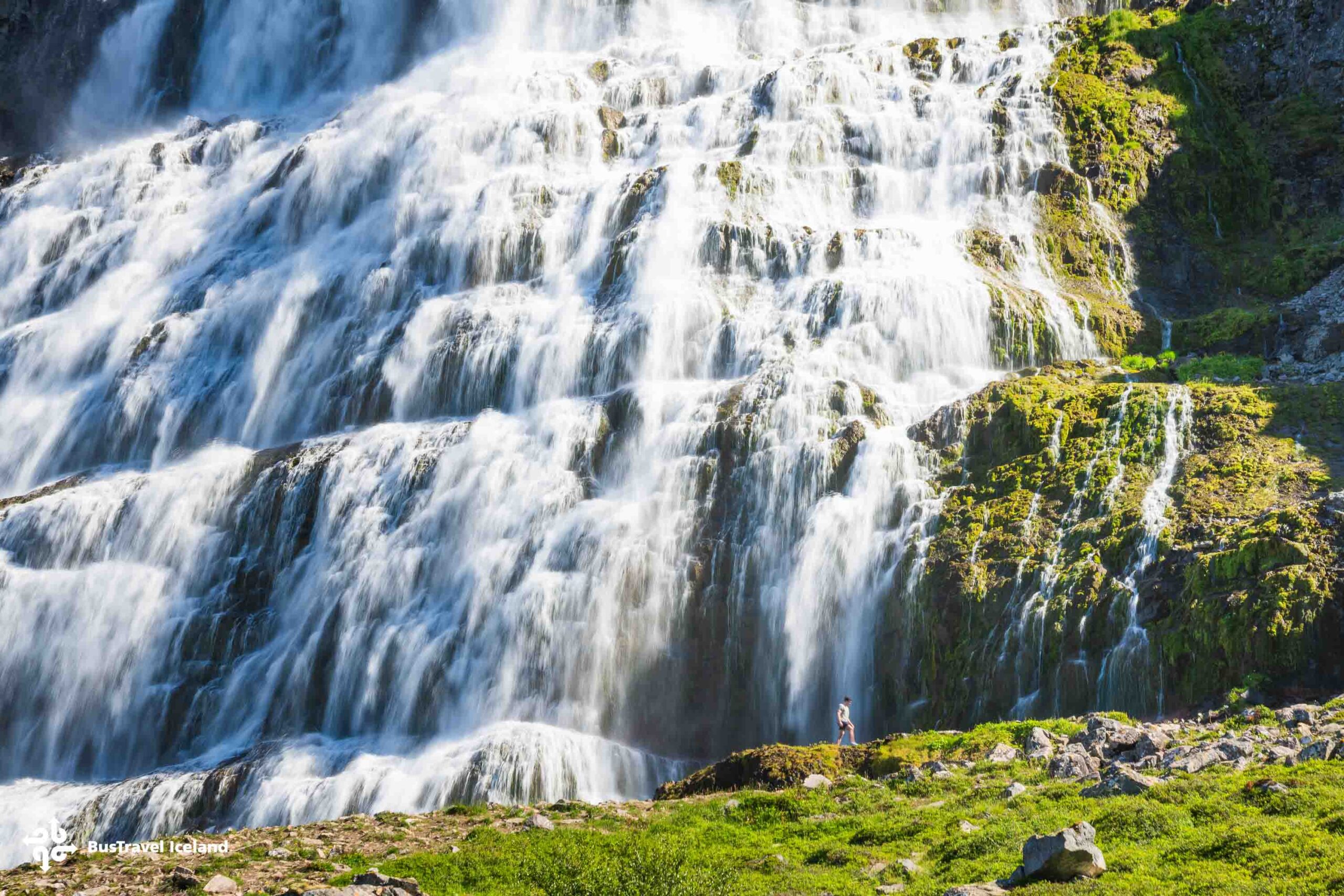
August catches Iceland at its most accessible. Highland roads are usually open, hiking trails are active, waterfalls thunder through green valleys, and long days leave plenty of time for sightseeing. One of the month’s highlights is that, by late August, the nights become dark enough for the possibility of seeing the Northern Lights—a magical bonus for those who are lucky enough to catch clear skies and strong aurora activity. Combined with summer’s excellent road conditions and outdoor adventures, it’s easy to see why August is one of Iceland’s busiest months, making it well worth planning ahead.
Why Visit Iceland in August?
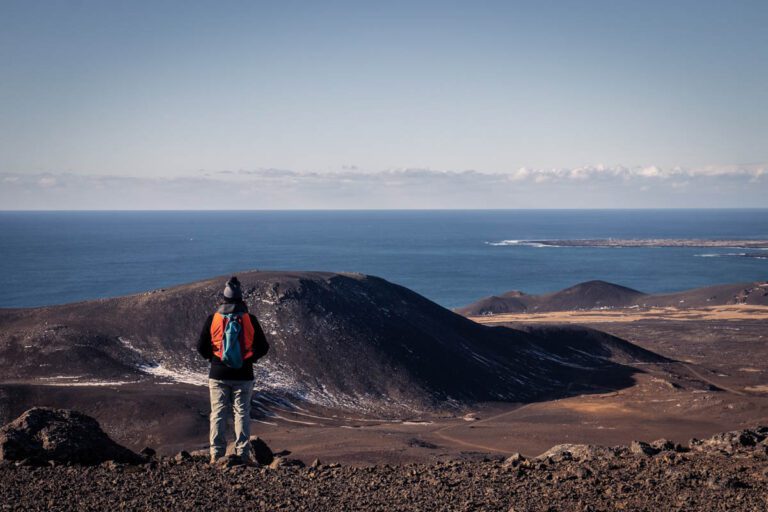
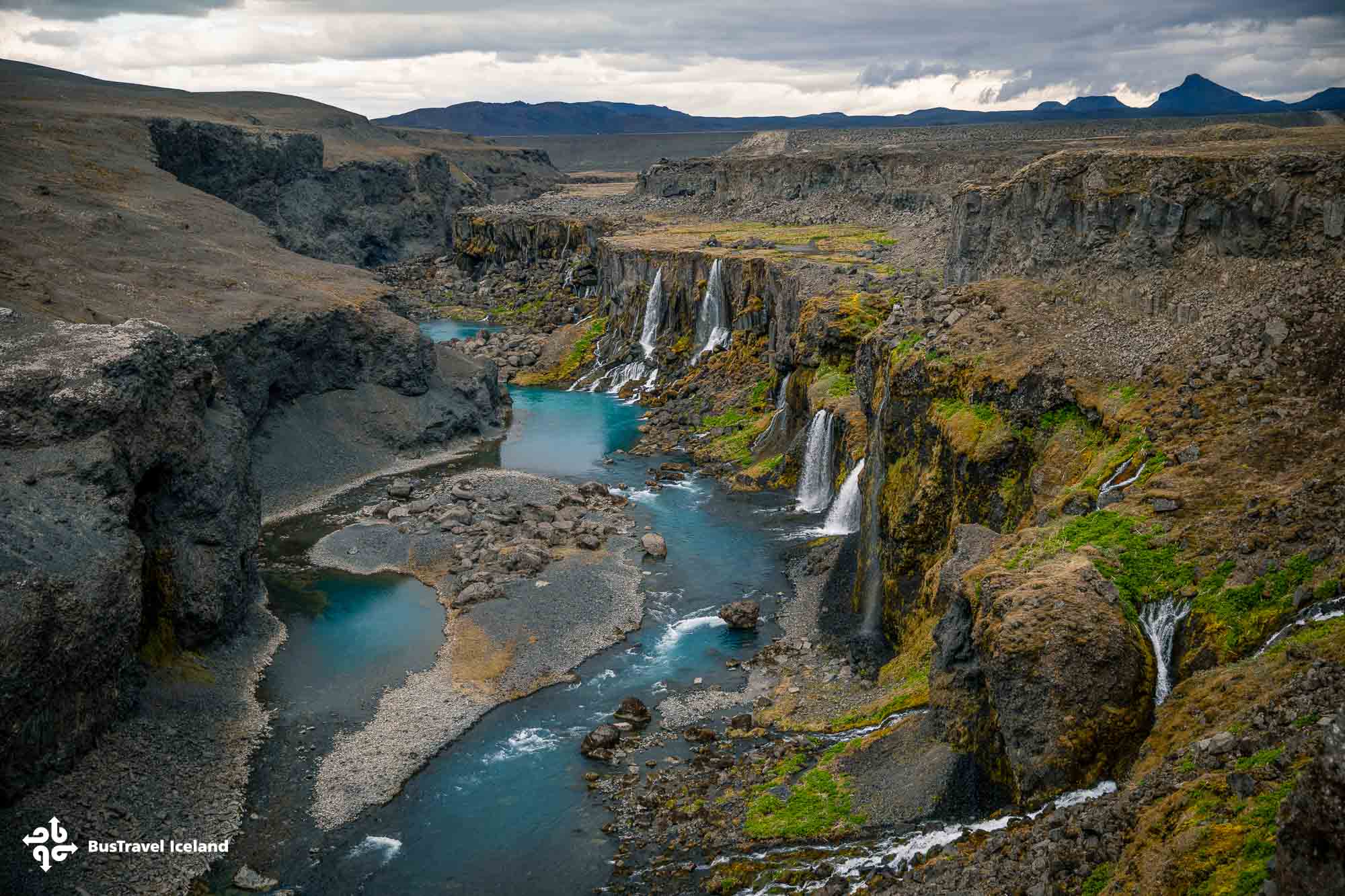
August offers an unusually broad choice of Icelandic experiences. You can hike through the colourful rhyolite mountains of Landmannalaugar, drive a 4×4 into Kerlingarfjöll and feel like you are on Mars, sail or kayak between icebergs at Jökulsárlón, walk on a glacier, explore the Ring Road or spend an evening soaking in a geothermal lagoon, and more.
The landscapes remain green, most major roads are accessible and daylight still stretches well into the evening. Although the midnight sun has faded, early August retains very long days, giving you more flexibility when arranging tours and sightseeing.
Wildlife is another attraction. Whale-watching tours continue throughout the month, while puffins may still be seen during the first part of August before many colonies leave Icelandic shores.
August in Iceland is a special time for locals as well. It still has the feeling of summer, with sunshine and warmth on the skin during outdoor activities. This is the time when many people enjoy the last of their summer holidays before returning to work, so the atmosphere is jolly and relaxed, especially around the capital region.
Iceland Weather in August
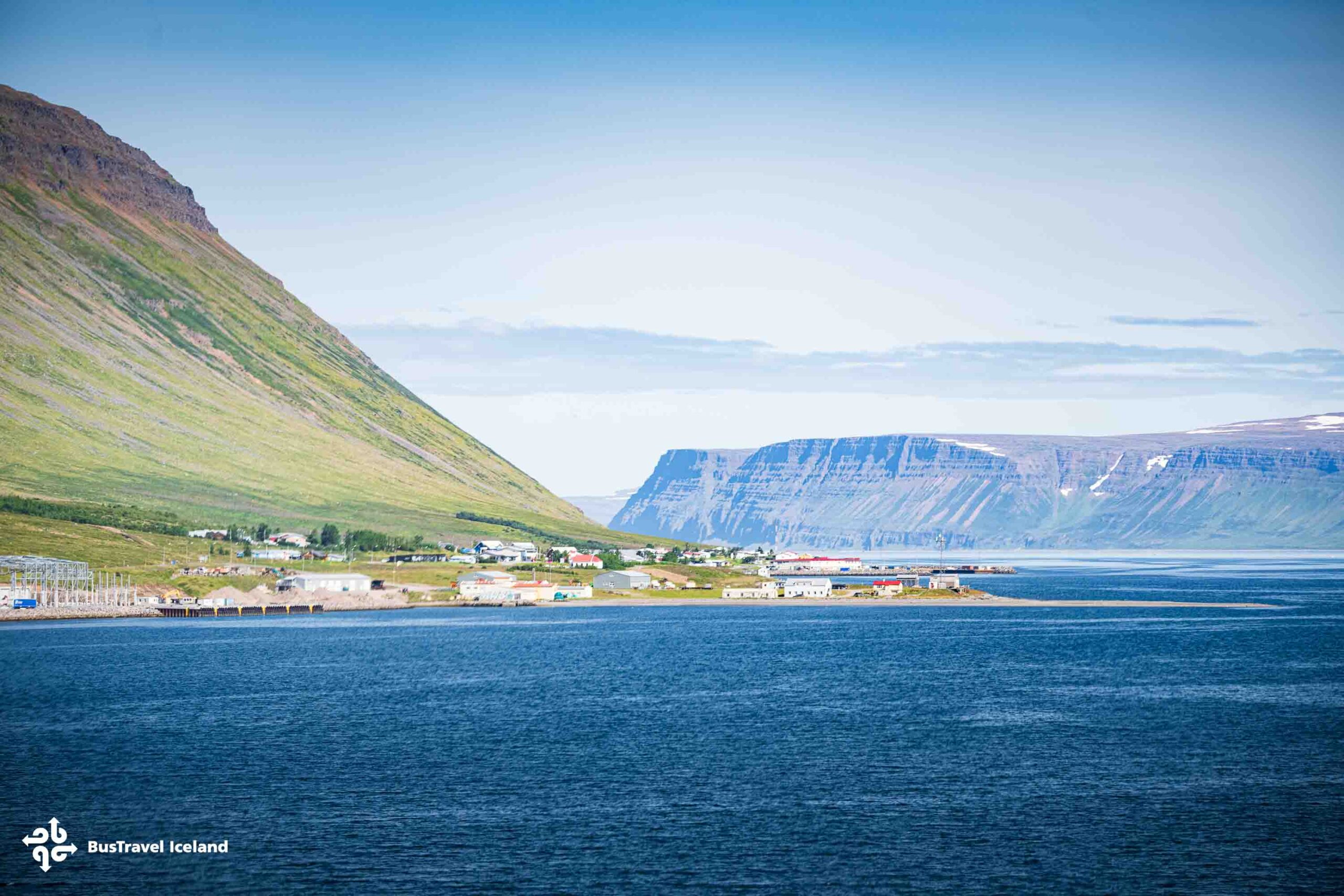
August is one of Iceland’s mildest months, but “mild” does not necessarily mean warm. Daytime temperatures commonly sit around 10–15°C, although colder, wetter days and occasional warmer spells are possible.
Rain, wind and sunshine can all appear within a few hours. Southern and western Iceland are generally wetter, while northern and eastern areas may experience calmer or sunnier conditions. The Highlands are colder and more exposed than Reykjavík and the coast.
Snow is uncommon in populated lowland areas, but it can fall on mountains or at higher elevations. Weather should never be treated as predictable, even in summer. Check the Icelandic Meteorological Office forecast before travelling, particularly when hiking or driving beyond the main sightseeing regions.
Is August a Good Time to Visit Iceland?
Yes. August is particularly well suited to first-time visitors, families, hikers and anyone planning a longer journey around the country.
The main advantages are good road access, long daylight hours, a wide selection of tours and the opportunity to visit remote summer-only locations. The principal disadvantages are larger crowds, higher accommodation prices and the need to reserve popular activities early.
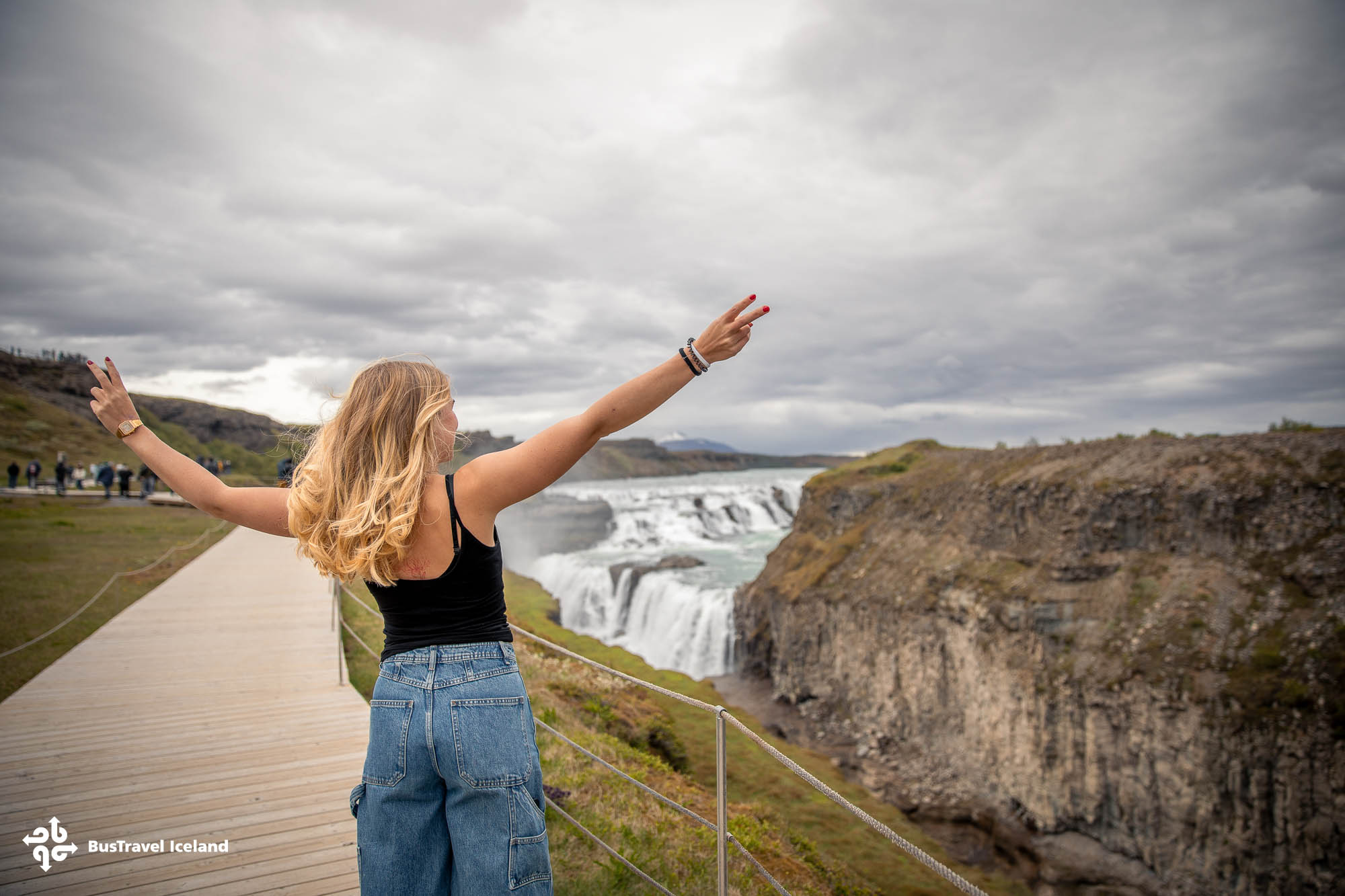
Major attractions such as Þingvellir, Gullfoss, Seljalandsfoss and Reynisfjara can be busy during peak daytime hours. A guided tour can simplify the journey by handling transport, timing and changing conditions, while independent travellers can reduce crowds by starting early or visiting later in the evening.
What to Pack for Iceland in August
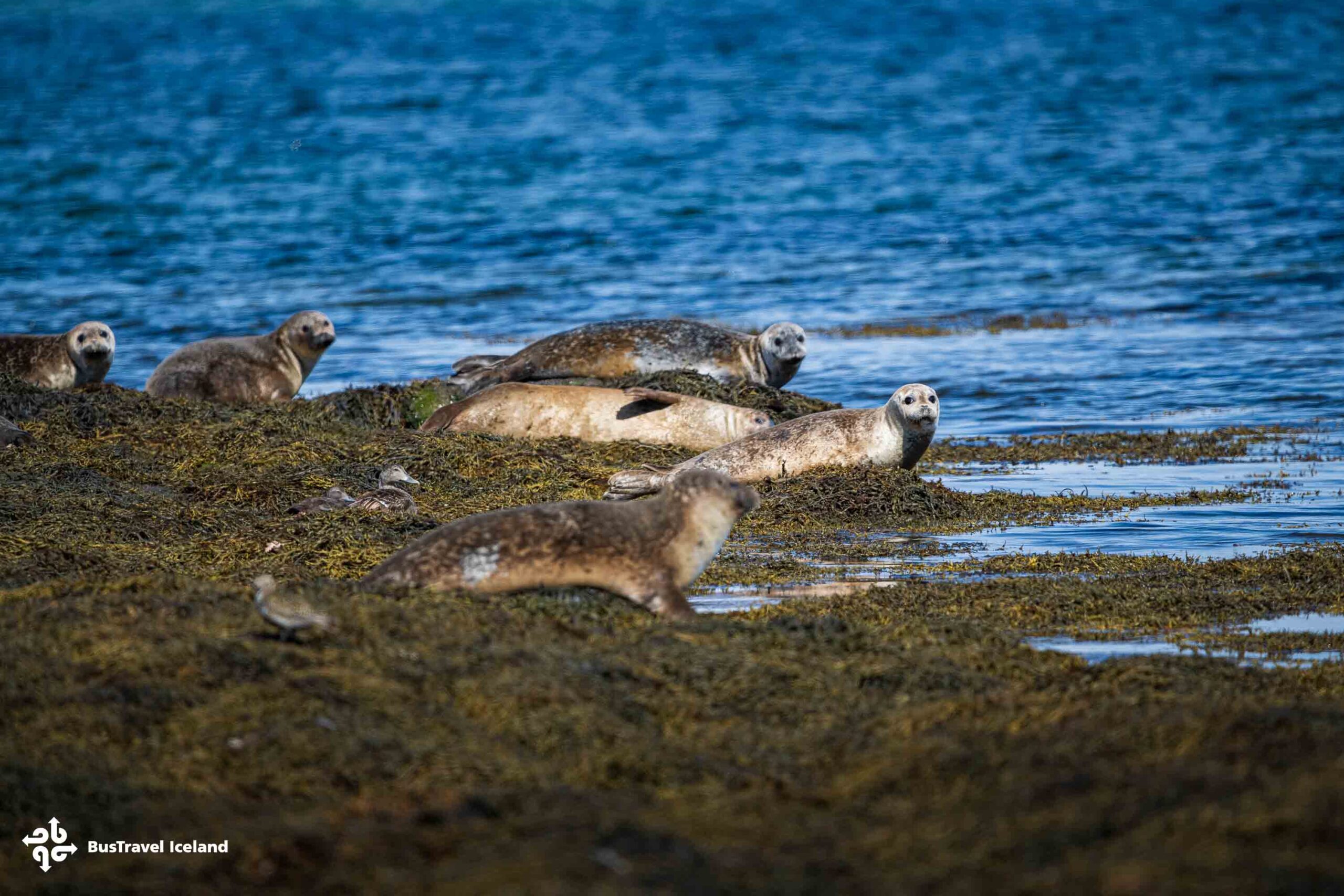
Pack for changing conditions rather than for a conventional European summer. A waterproof outer layer is essential, while several thinner layers are more useful than one heavy coat.
Bring:
- A waterproof and wind-resistant jacket
- Waterproof trousers
- Warm base and mid-layers
- Sturdy walking or hiking shoes
- A hat and light gloves
- Sunglasses and sunscreen
- A reusable water bottle
- A swimsuit for pools and geothermal spas
- A small backpack with a rain cover
Jeans, cotton hoodies and fashion trainers can become uncomfortable when wet. Even on a clear morning, carry waterproof clothing when heading outside Reykjavík.
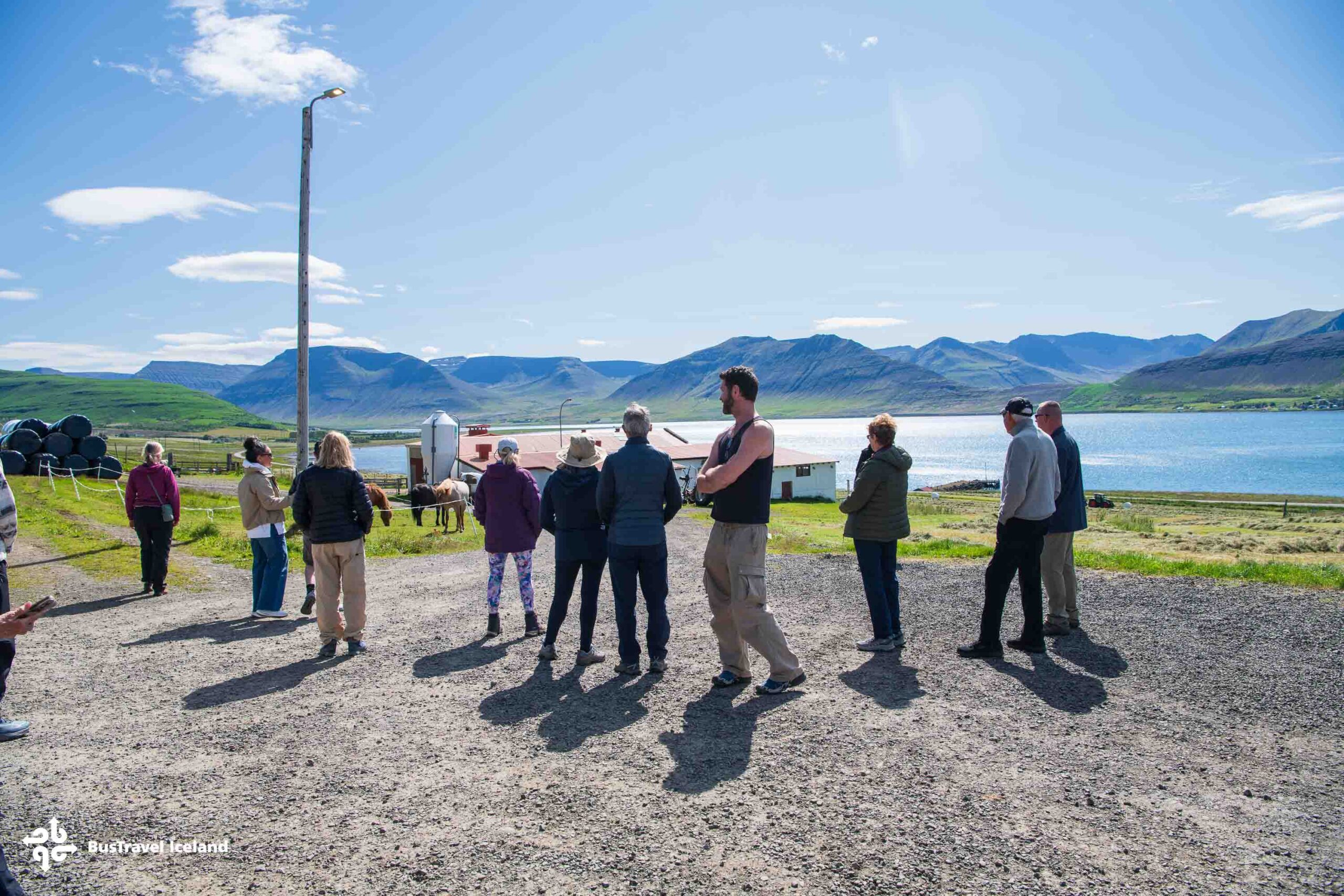
Best Things to Do in Iceland in August
August combines classic sightseeing with seasonal adventures that are not always available during winter.
Drive or Tour the Golden Circle
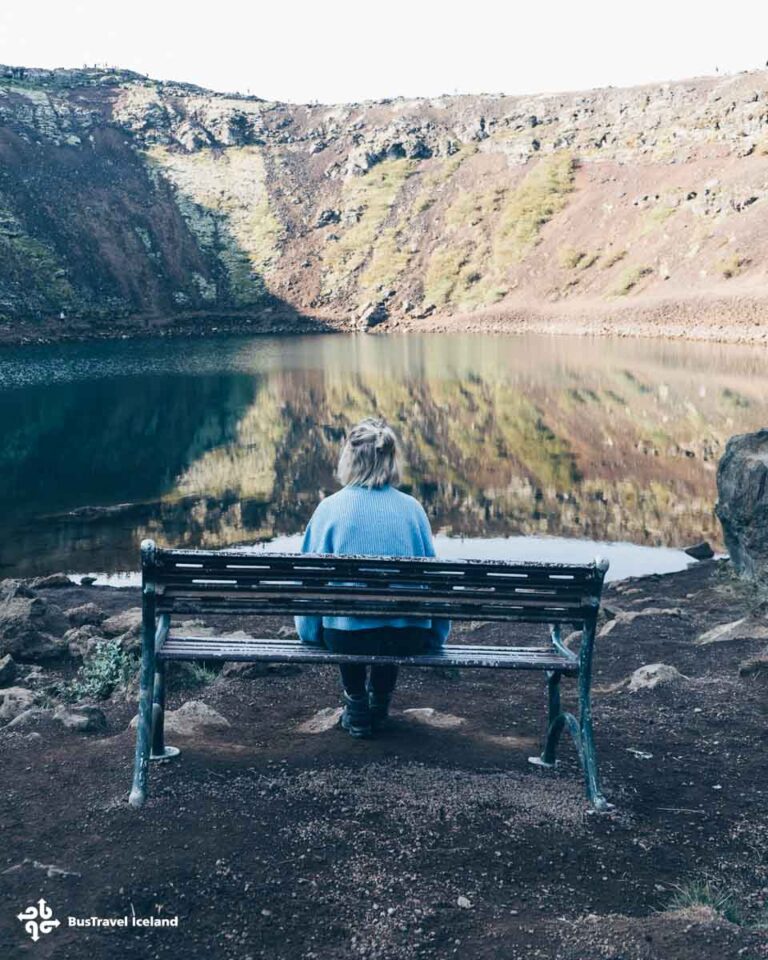
The Golden Circle introduces three of Iceland’s most famous natural landmarks: Þingvellir National Park, the Geysir geothermal area and Gullfoss waterfall. In addition to the three major sights, there are several other attractions worth stopping by to break up your day trip and make it more diverse and comfortable. These interesting spots include Kerið volcanic crater lake, Friðheimar tomato farm and horse stable, Brúarfoss waterfall, Laugarás Lagoon geothermal spa, and Secret Lagoon – the oldest geothermal pool in Iceland. If you want to be more adventurous, join a snorkeling tour at Silfra Fissure in Thingvellir National Park.
Covering all these attractions in one day can be ambitious, but also fun on a long late-summer day in Iceland in August.

Explore the South Coast
The South Coast delivers waterfalls, glaciers, black-sand beaches and dramatic sea cliffs in a relatively compact area. Popular stops include Seljalandsfoss, Skógafoss, Reynisfjara and Vík, but there is so much more to discover along this route. If you have two days, you can explore the region in greater depth and at a more leisurely pace.
Discover the hidden gem of Kvernufoss waterfall and its peaceful valley near Skógafoss, or visit the lesser-known but distinctive Stjórnarfoss waterfall. On a day with good visibility and light winds, hike across the black-sand landscape to the famous plane wreck, or add some excitement with an ATV adventure. You can also head up to Dyrhólaey to look for puffins before they leave their nesting grounds for the open ocean, usually around mid-August.

Visit Jökulsárlón Glacier Lagoon
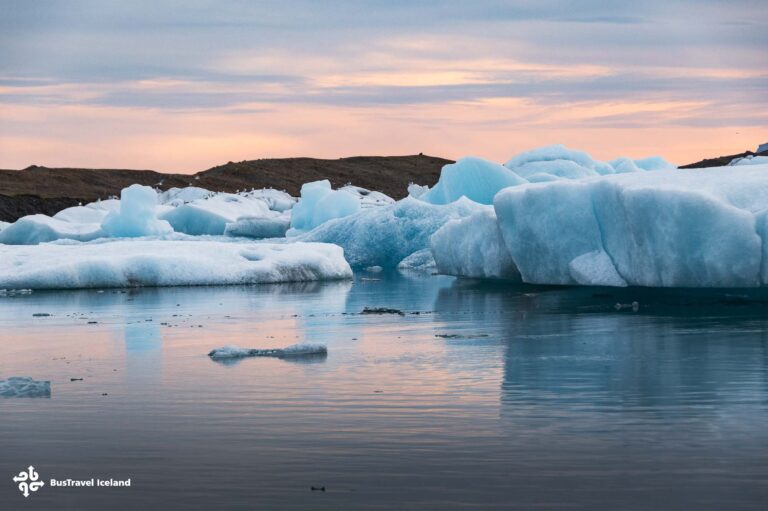
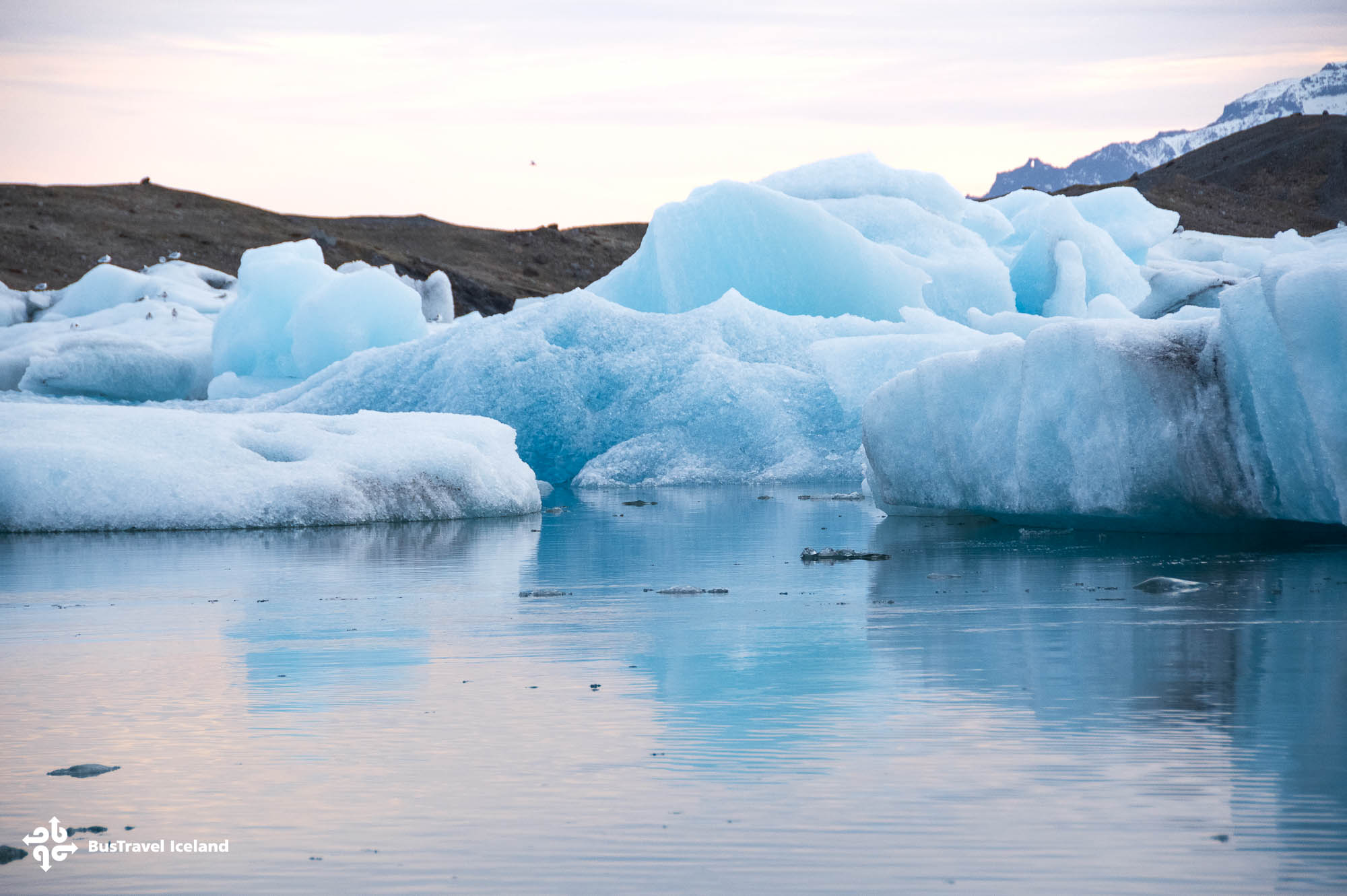
At Jökulsárlón, icebergs drift across a glacial lagoon before floating towards the Atlantic. Across the road, smaller pieces of ice wash onto Diamond Beach. On a long late-summer day, you can also add Fjallsárlón Glacier Lagoon to your itinerary. It is nearby but offers a different, quieter glacial atmosphere compared with the famous Jökulsárlón.
If you decide to stay overnight in the area, August is also a great time to explore Skaftafell Nature Reserve, get a taste of Iceland’s wilder landscapes and hike to the distinctive Svartifoss waterfall.
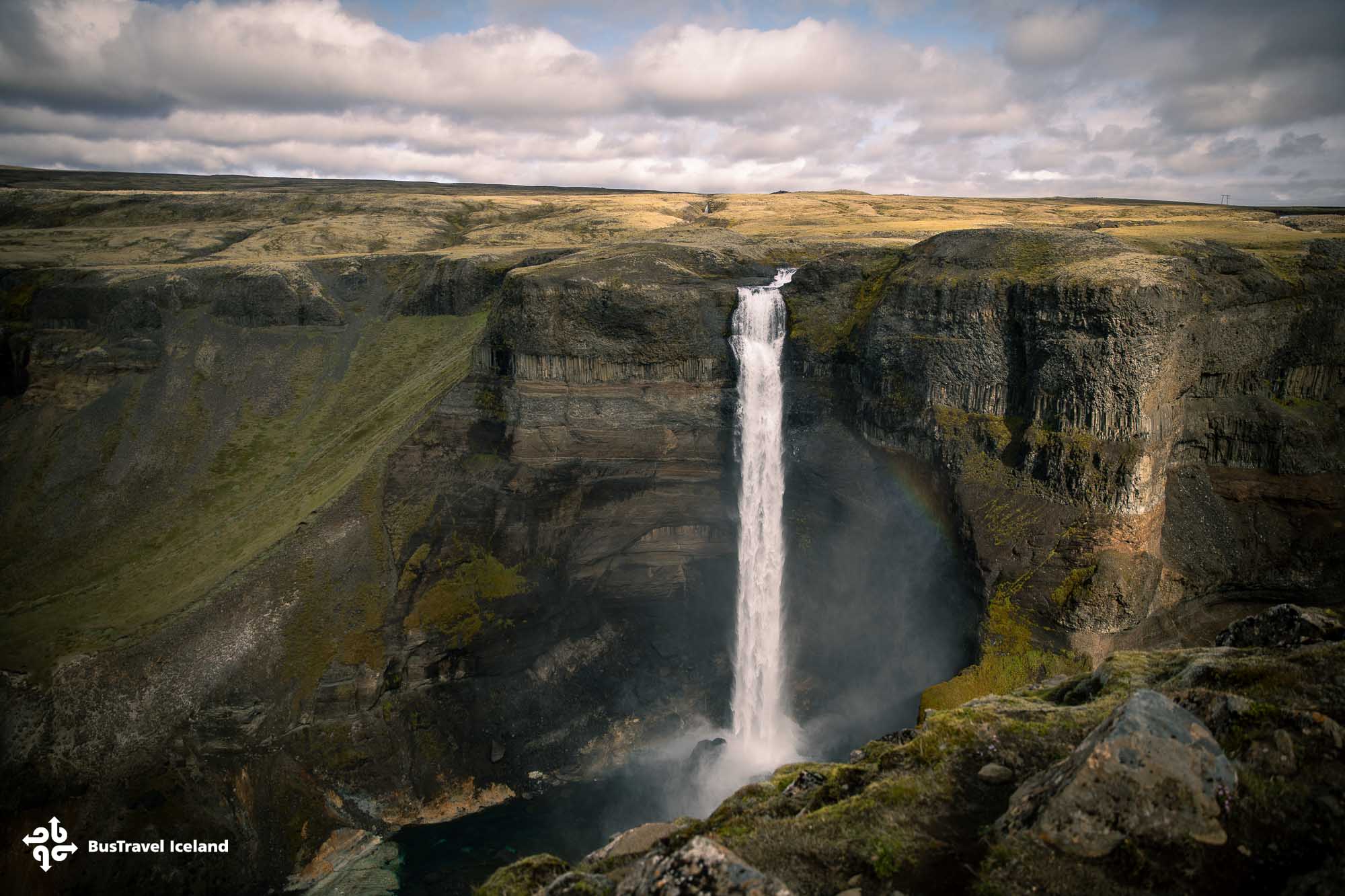
Hike in Landmannalaugar
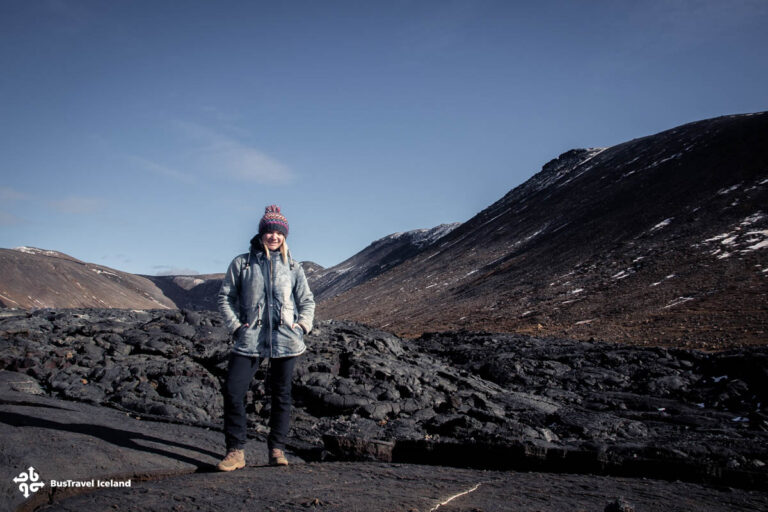
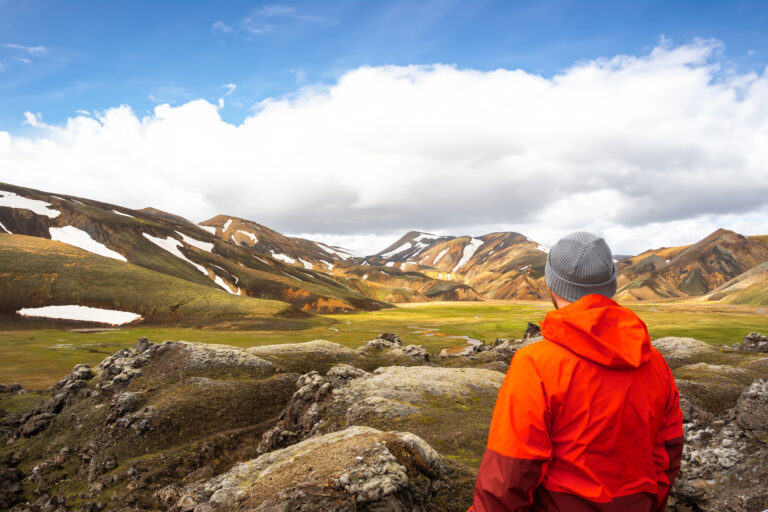
Landmannalaugar is known for rhyolite mountains, black lava fields, geothermal activity and hiking routes ranging from short walks to demanding treks.
The area lies within the Highlands and is normally reached by mountain roads that open seasonally. Travellers driving themselves must check road conditions, vehicle requirements and river crossings carefully. A guided tour removes the uncertainty of navigating this remote landscape.
Explore the Snæfellsnes Peninsula
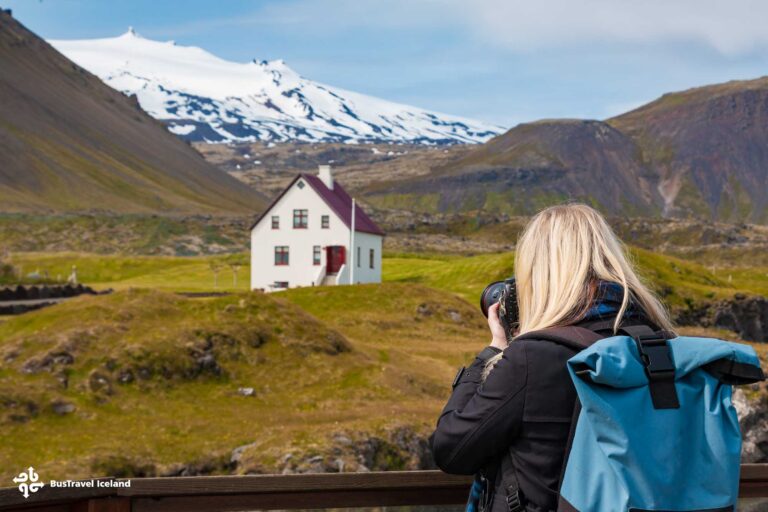
Often described as “Iceland in miniature,” the Snæfellsnes Peninsula combines fishing villages, beaches, lava fields, sea cliffs and the glacier-capped Snæfellsjökull volcano.
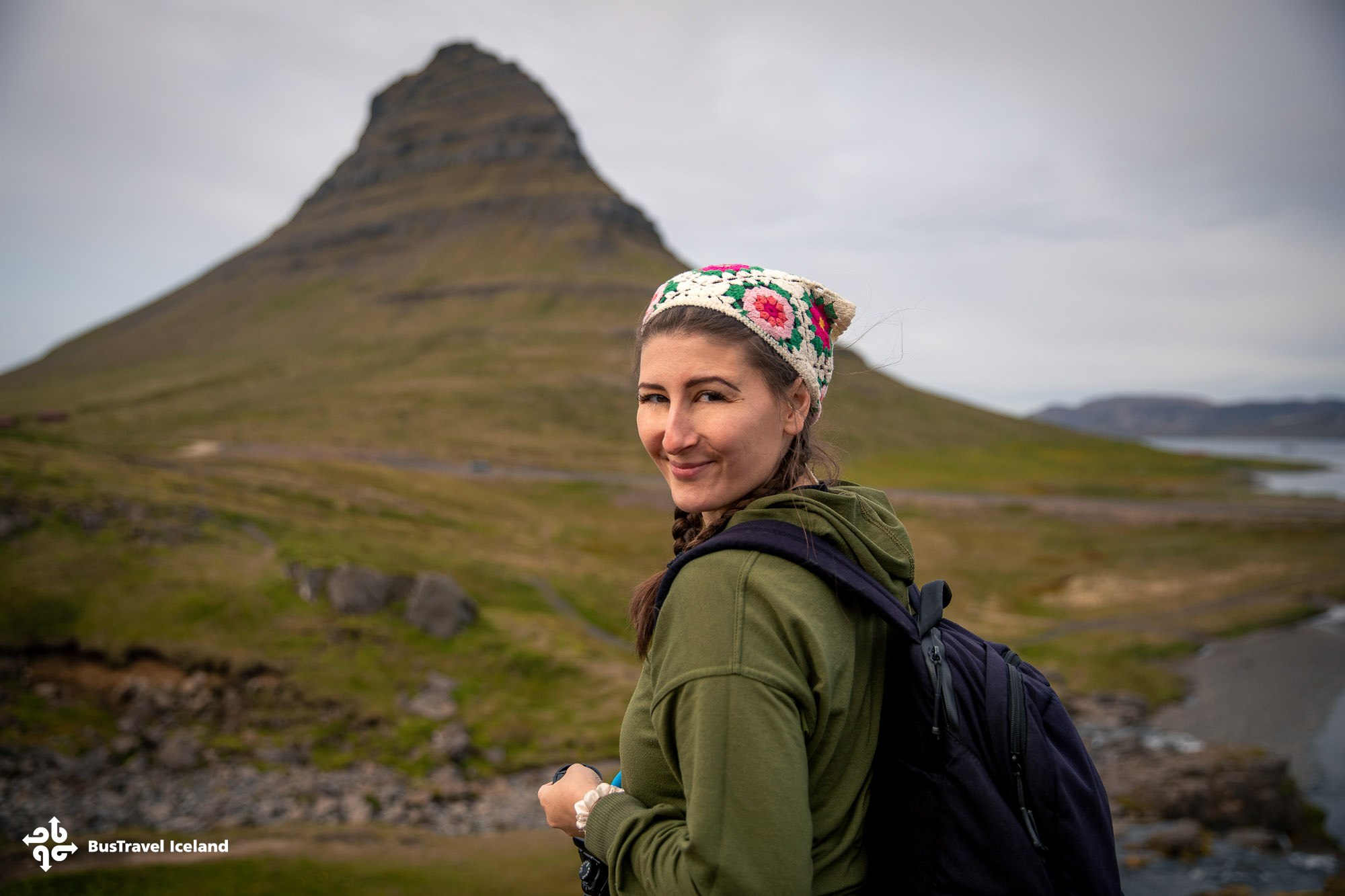
Highlights include Kirkjufell, Djúpalónssandur, Arnarstapi, Búðir and the coastal formations around Lóndrangar. It is an excellent choice for those who want varied scenery without completing the full Ring Road.
Go Whale Watching
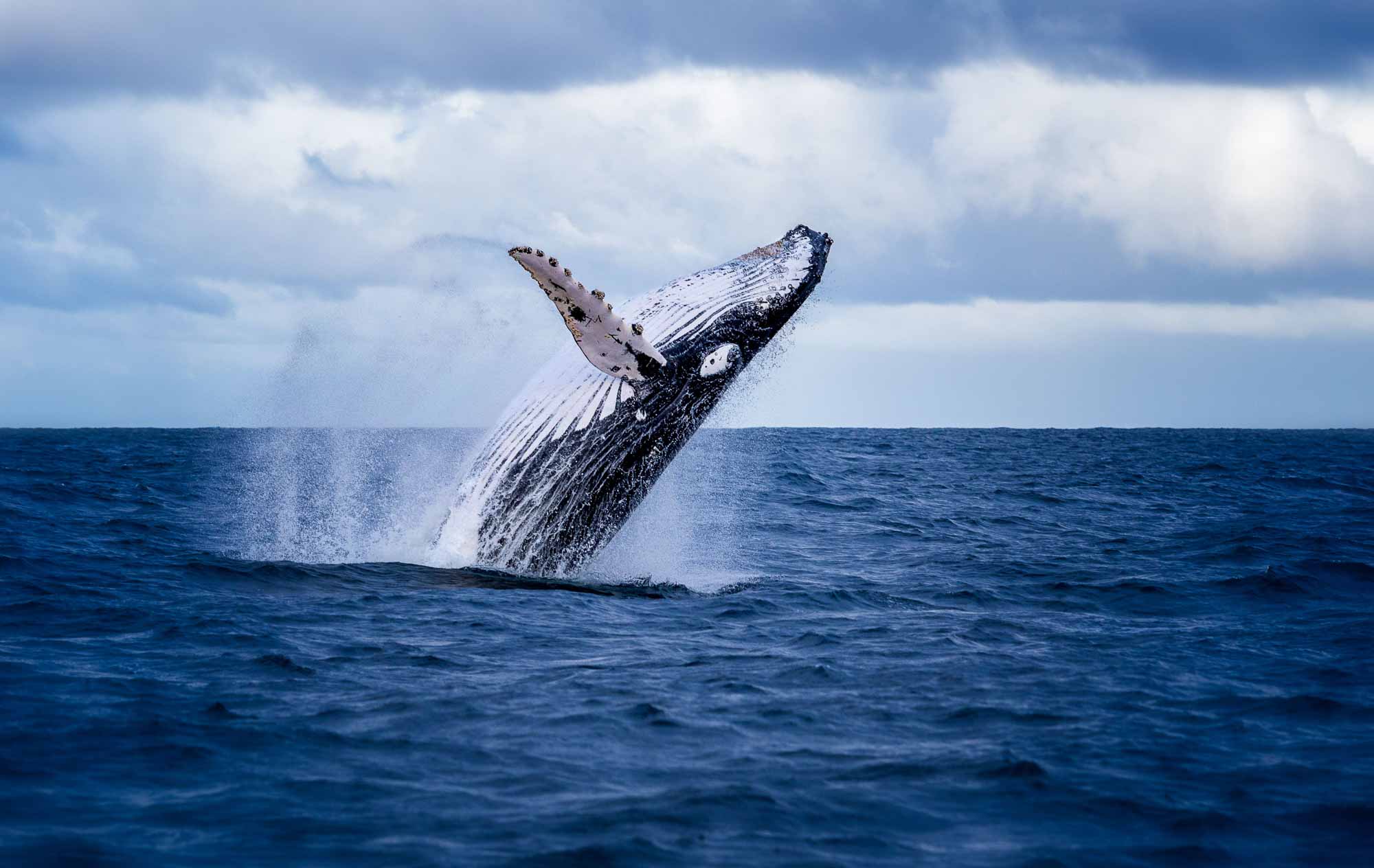
Whale-watching tours operate from Reykjavík, Húsavík and several other coastal communities. Sightings vary, but minke whales, humpback whales, dolphins and harbour porpoises are among the species commonly encountered around Iceland.
Conditions at sea can feel considerably colder than on land, so warm layers remain important even on a sunny day.
Look for Puffins in Early August
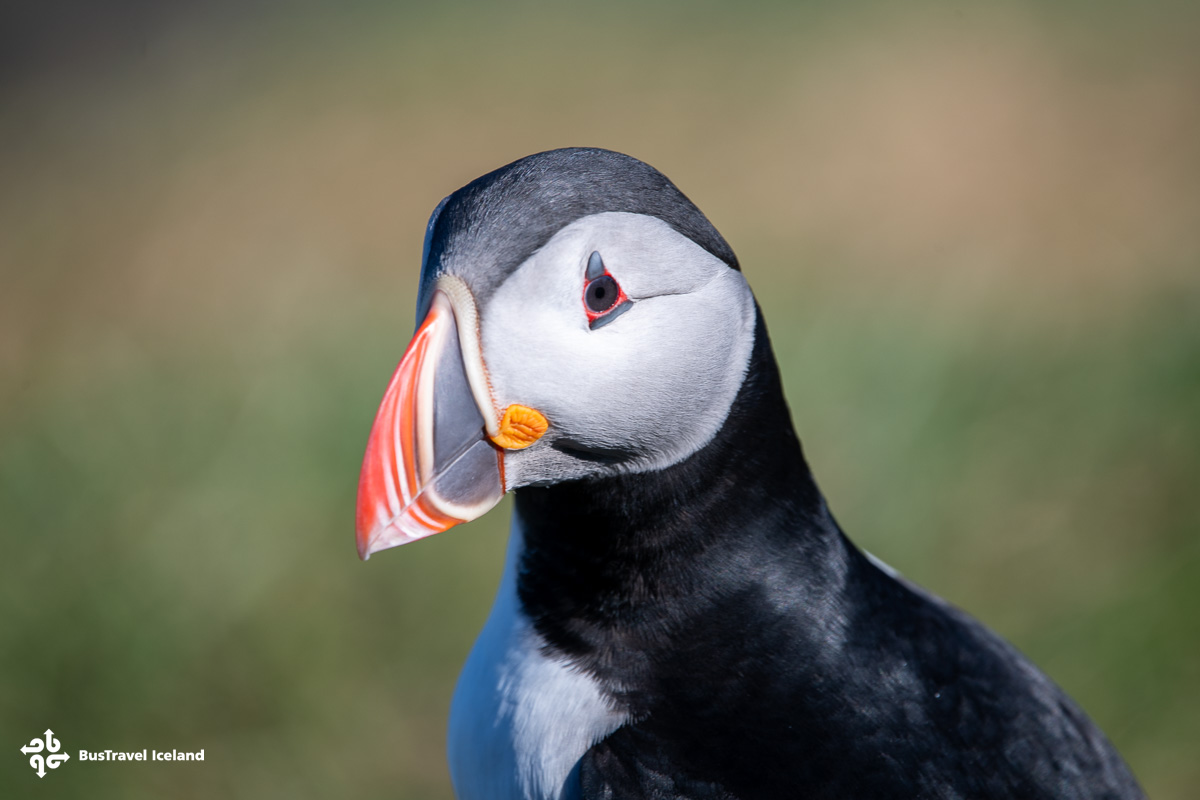
Puffins generally remain around Iceland’s coastal nesting sites into August, but the viewing season begins to wind down as the month progresses.
Early August offers a better chance than late August. Popular locations include the Westman Islands, Látrabjarg, Borgarfjörður Eystri and coastal islands near Reykjavík. Wildlife is never guaranteed, and nesting areas should be approached without disturbing the birds
Soak in Iceland’s Hot Springs
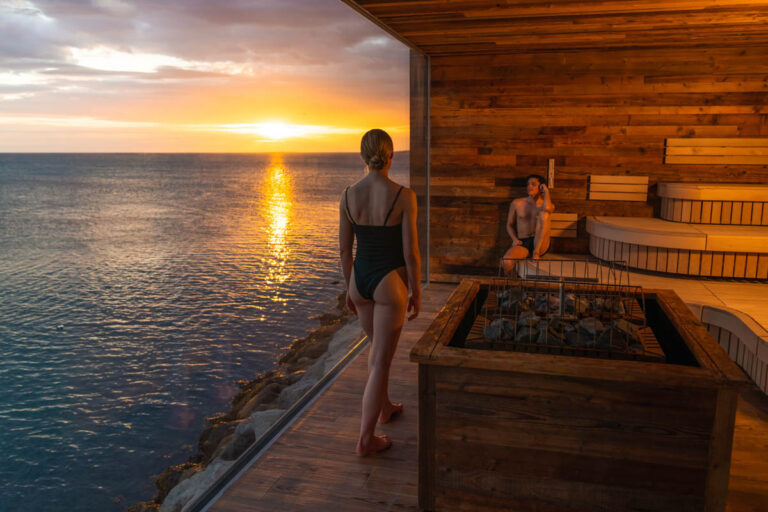
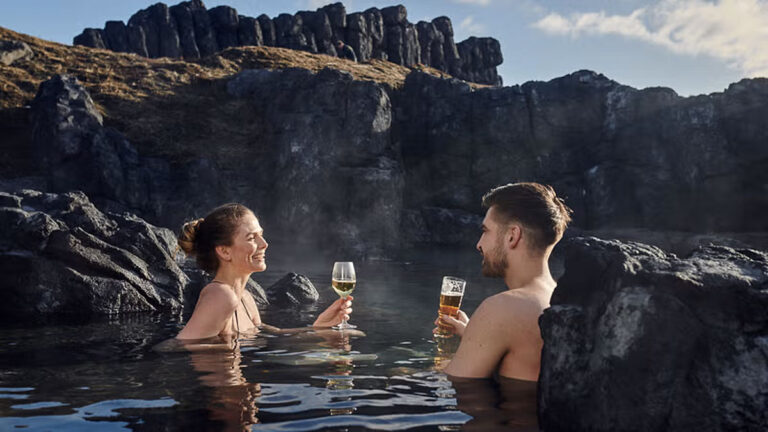
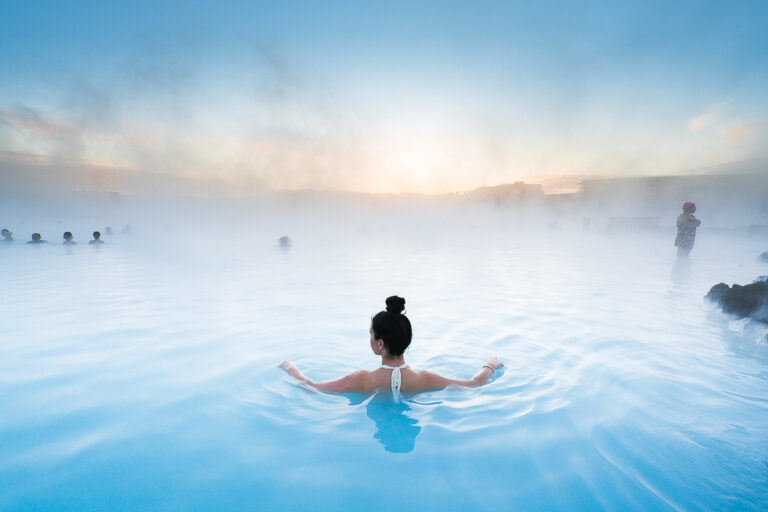
Geothermal bathing works in almost any weather. Visitors can choose between established spas, local swimming pools and more rustic countryside bathing sites.
The Blue Lagoon and Sky Lagoon are the best-known options near Reykjavík, while regional facilities provide opportunities to combine warm water with views of mountains, fjords or lava landscapes.

Go Glacier Hiking
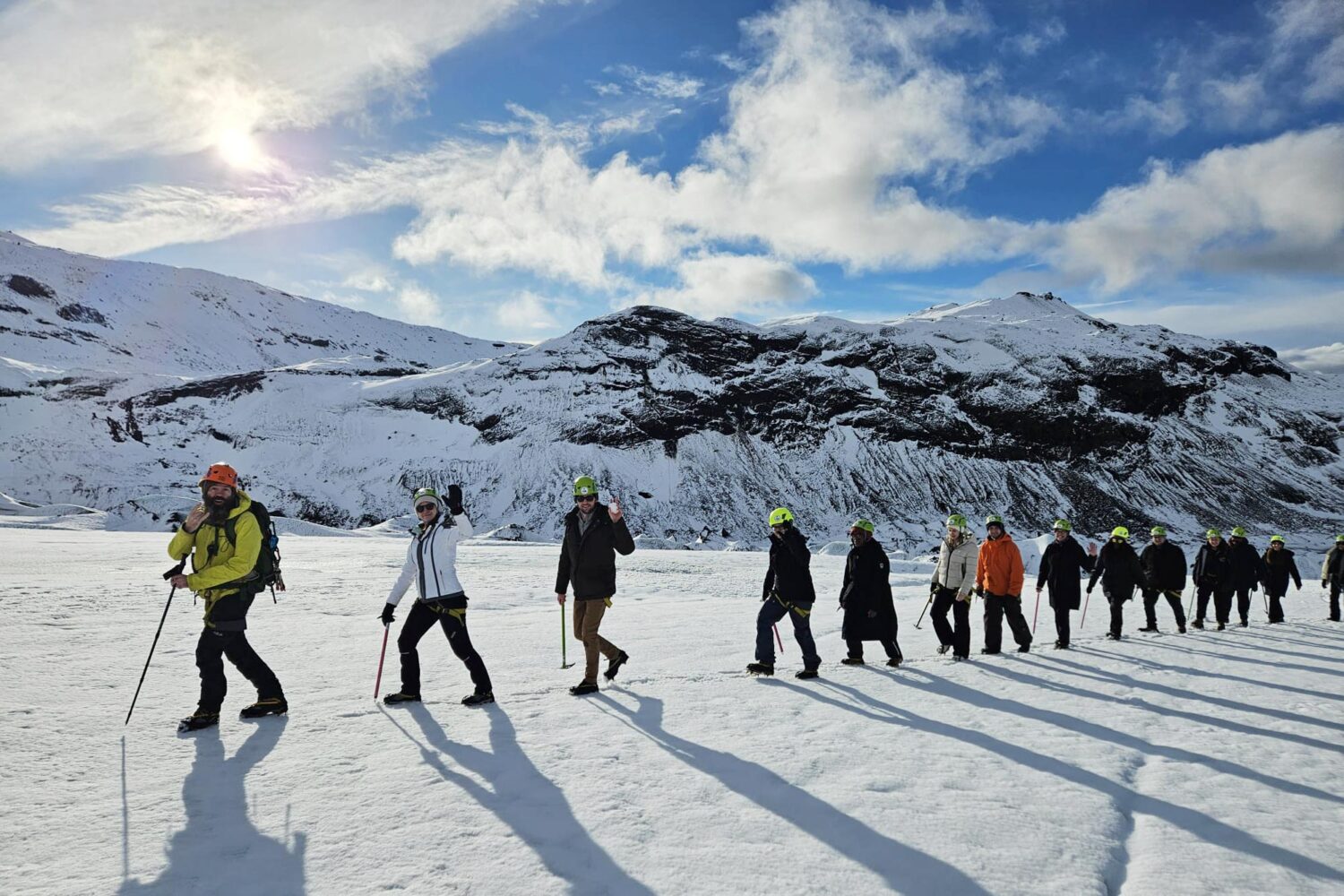
Guided glacier hikes operate on several Icelandic glaciers during summer. Equipped with crampons, helmets and other safety gear, participants explore crevasses, ridges and ice formations under the supervision of trained glacier guides.
Never attempt to walk onto a glacier without a qualified guide. The surface can conceal deep cracks and unstable areas that are difficult to recognize.
Visit a Summer Ice Cave
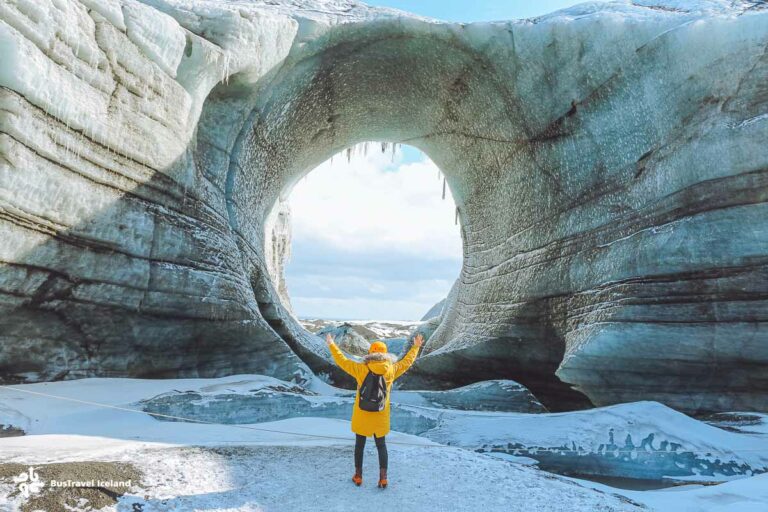
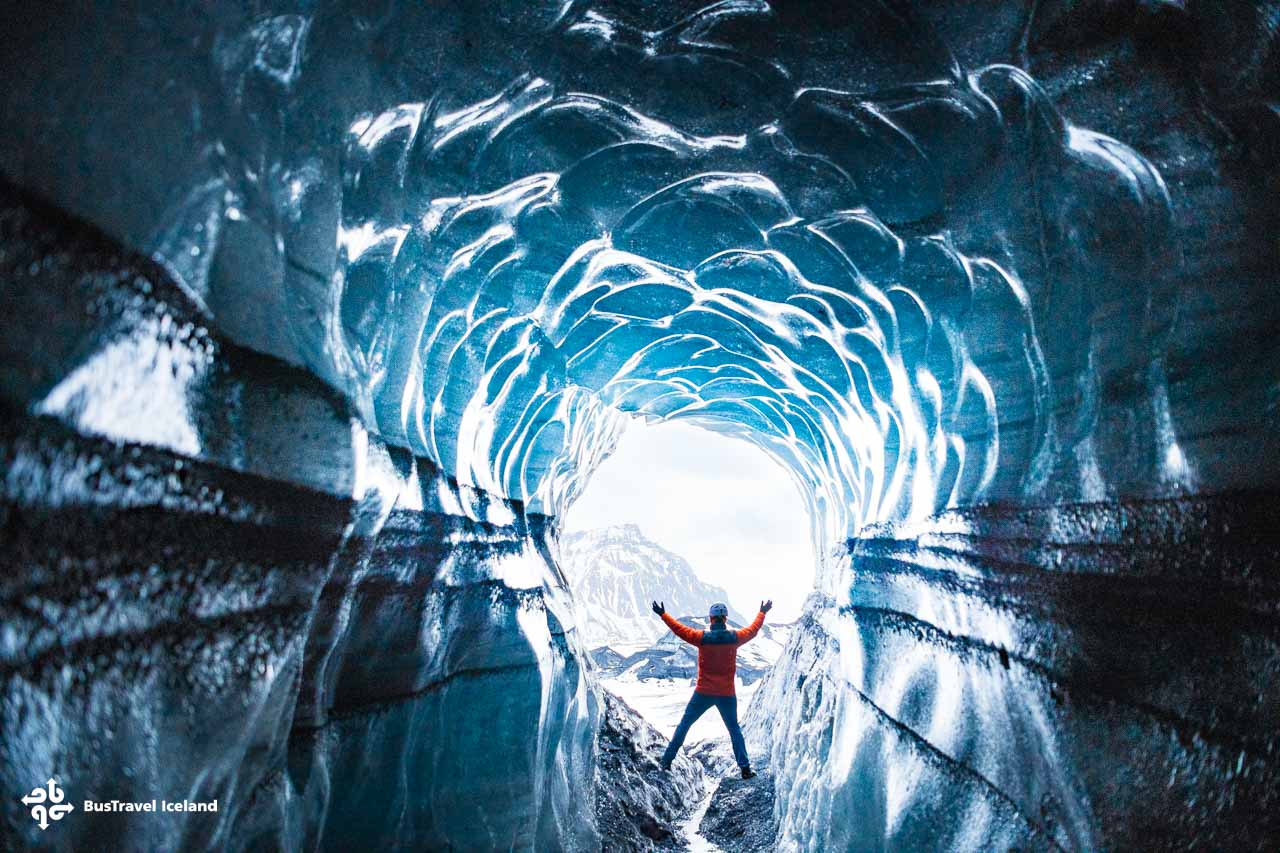
The crystal-blue caves commonly associated with Vatnajökull are mainly winter experiences. In August, however, you can visit seasonal ice formations around the Katla glacier area, usually departing from Vík.
Summer caves often appear darker or more volcanic than winter caves because layers of ash are trapped inside the ice. Conditions change constantly, so access depends on inspections and the judgement of local guides.
Best Multi-Day Tours in August
Multi-day tours are an efficient way to cover more of Iceland without repeatedly returning to Reykjavík. Transport, guiding and accommodation are normally arranged as one package, making them particularly useful for visitors who prefer not to drive.
A two-day South Coast tour provides time for waterfalls, Vík, Jökulsárlón and Diamond Beach. Three-day routes may add glacier activities or a more relaxed pace.
Within five days, you can combine the Golden Circle, South Coast, Glacier Lagoon, Snæfellsnes and Reykjanes. Six- and seven-day Ring Road tours reach North and East Iceland while covering major attractions around the island.
Small-group tours generally use minibuses and offer a more personal atmosphere, while larger coach tours can provide strong value and a comfortable journey over long distances.
Best Day Tours in August
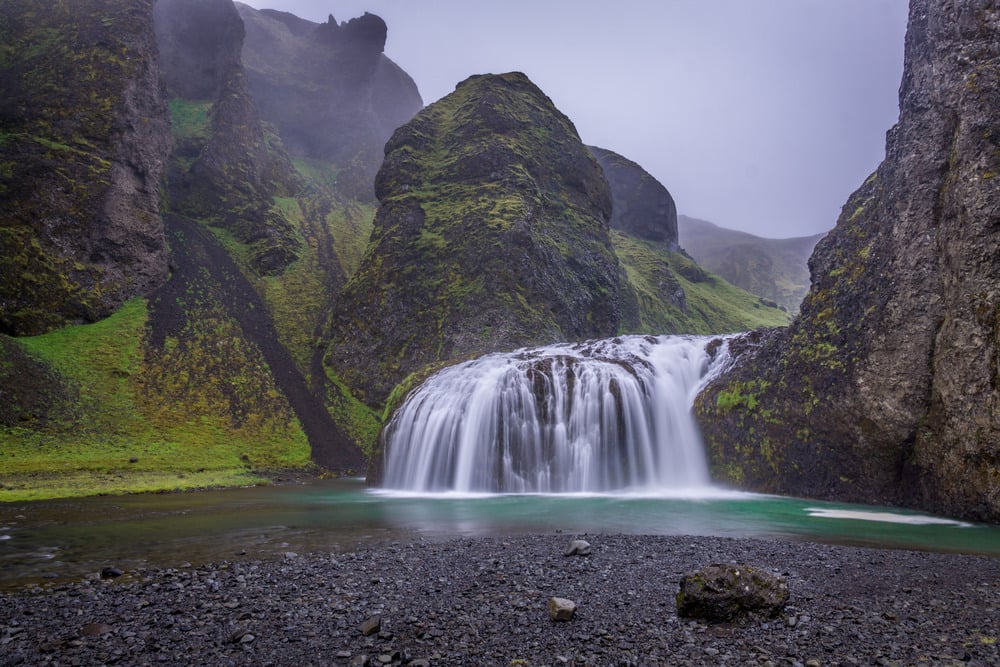
If you are staying in Reykjavík, popular August day tours include the Golden Circle, South Coast, Snæfellsnes Peninsula, Landmannalaugar, Silver Circle and Reykjanes Peninsula, with advance booking recommended during this busy summer month.
Iceland in August Itinerary Ideas
The best itinerary depends on whether you want to use Reykjavík as a base or travel continuously around the country. Avoid trying to cover too much ground simply because the days are long.
3-Day Iceland Itinerary
Day 1: Golden Circle
Visit Þingvellir, Geysir and Gullfoss. Finish with a geothermal spa or countryside meal.
Day 2: South Coast
See Seljalandsfoss, Skógafoss, Reynisfjara and Vík. Add a glacier hike when time and ability allow.
Day 3: Reykjavík and geothermal bathing
Explore Hallgrímskirkja, Harpa, the Old Harbour and central Reykjavík before visiting Sky Lagoon or another nearby spa.
5-Day Iceland Itinerary
Day 1: Golden Circle
Day 2: South Coast waterfalls, Reynisfjara and Vík
Day 3: Jökulsárlón, Diamond Beach and the return journey
Day 4: Snæfellsnes Peninsula
Day 5: Reykjavík, Reykjanes or a geothermal spa
This itinerary works especially well as a combination of a South Coast multi-day tour and separate day tours from Reykjavík.
7-Day Iceland Itinerary
A full week allows you to begin exploring the Ring Road, but the schedule must remain disciplined.
A typical route includes the Golden Circle, South Coast, Jökulsárlón, East Fjords, Lake Mývatn, Goðafoss and North Iceland. Some seven-day itineraries also include Snæfellsnes.
Distances are significant, so guided multi-day travel can be more relaxing than driving and changing accommodation every night.
10-Day Iceland Itinerary
Ten days provide a more balanced Ring Road experience. You can spend longer on the South Coast, explore the East Fjords, visit Lake Mývatn and North Iceland, and return through West Iceland.
Snæfellsnes is a practical addition. The Westfjords can also be considered, but they require substantial driving and deserve several days of their own.
A Highlands excursion may be added when roads and weather permit, although it is usually better to treat Landmannalaugar as a dedicated day rather than squeezing it between long driving stages.
Can You See the Northern Lights in August?
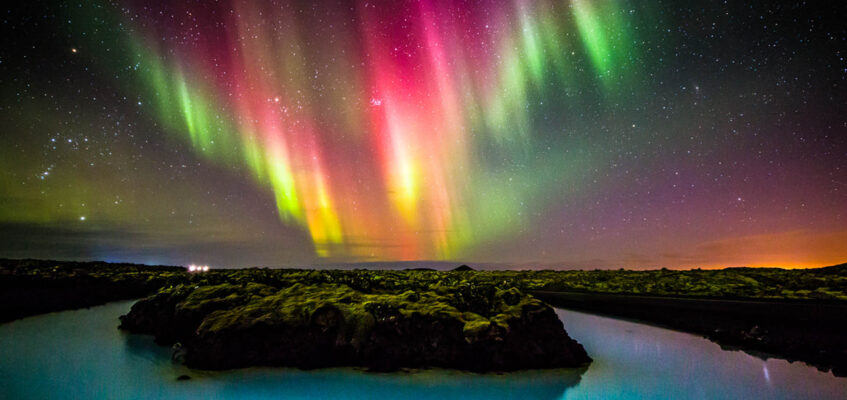
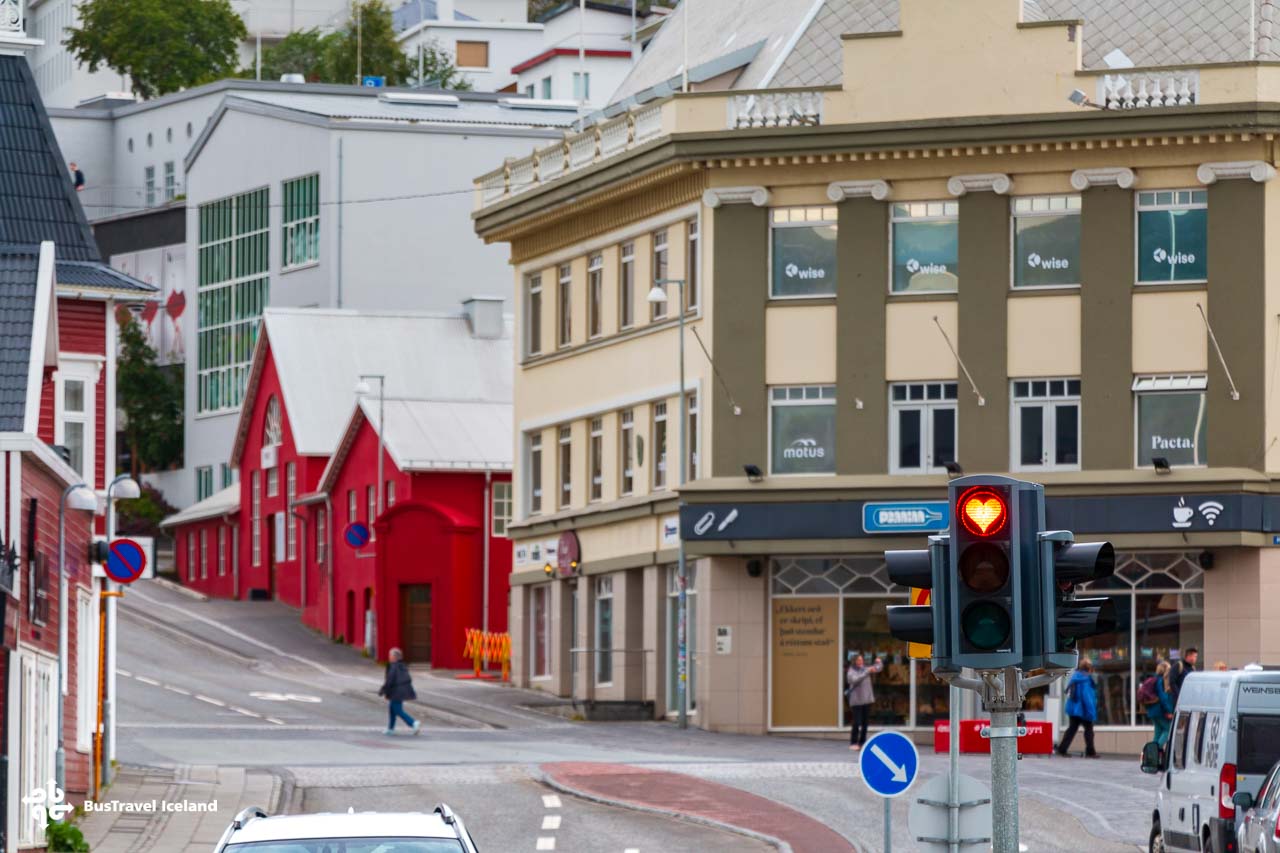
For most of August, the sky does not become dark enough for reliable Northern Lights viewing. However, as we write this in 2026, a geologist and experienced aurora hunter observed the Northern Lights in South Iceland just after midnight on August 4, even though the sky was not yet completely dark.
Conditions gradually improve towards the end of the month as darker nights return. An aurora display is possible on a sufficiently dark and clear August night when solar activity is strong, but it should still be treated as a lucky bonus rather than a reason to book your trip.
If seeing the Northern Lights is one of your main priorities, consider visiting from September through early spring instead.
Is August Good for Camping?
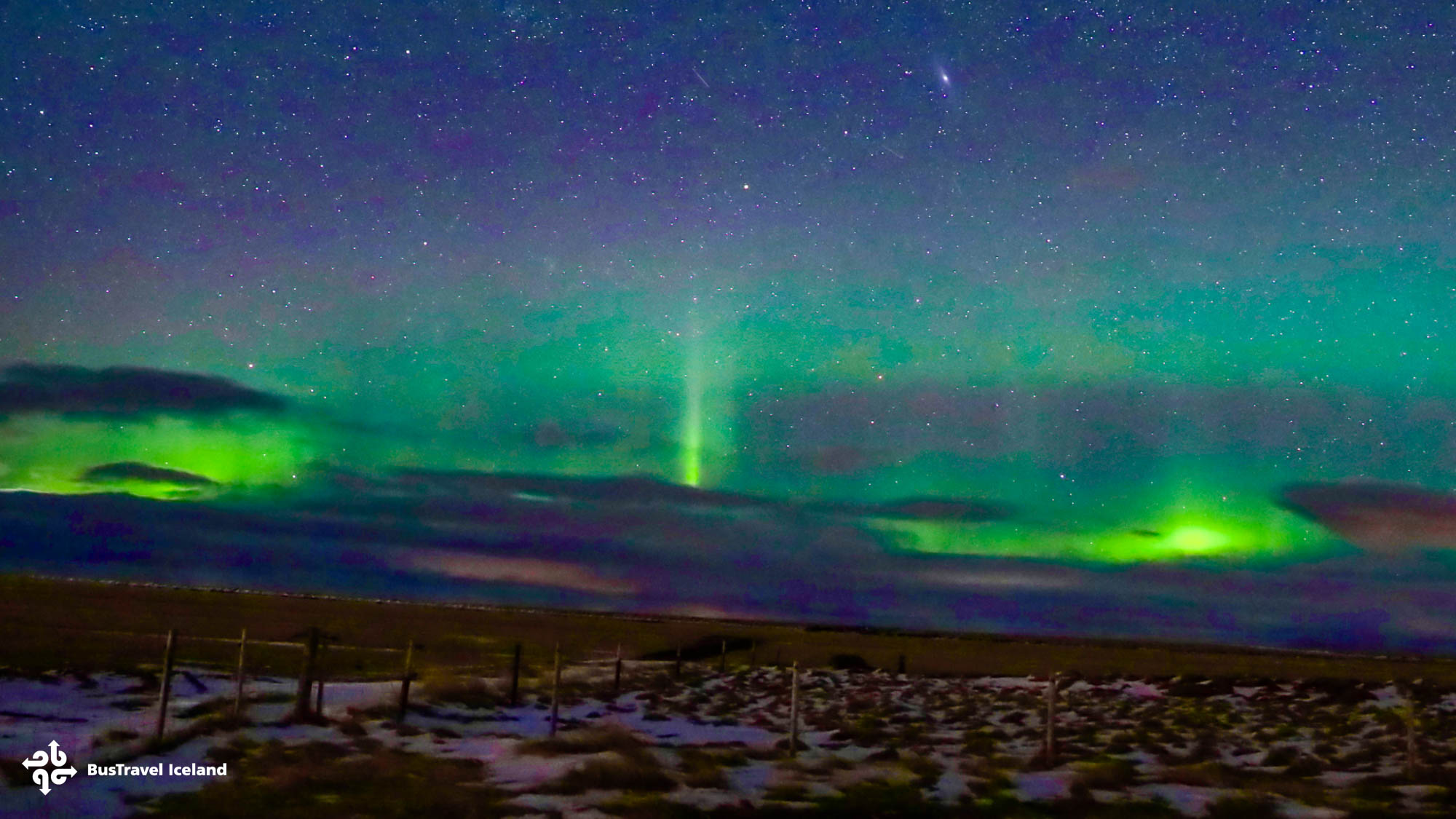
August is one of the most practical months for camping in Iceland. Many campsites remain open, roads are generally accessible and temperatures are milder than during the shoulder seasons.
That does not remove the need for weather-resistant equipment. Strong winds and heavy rain can make exposed campsites uncomfortable, while nighttime temperatures may feel cold.
Use designated campsites and follow local restrictions. Wild camping is limited, particularly in populated areas and on privately owned land. Campervan travellers should confirm campsite availability along their route rather than assuming every facility remains open or accepts late arrivals.
Driving in Iceland in August
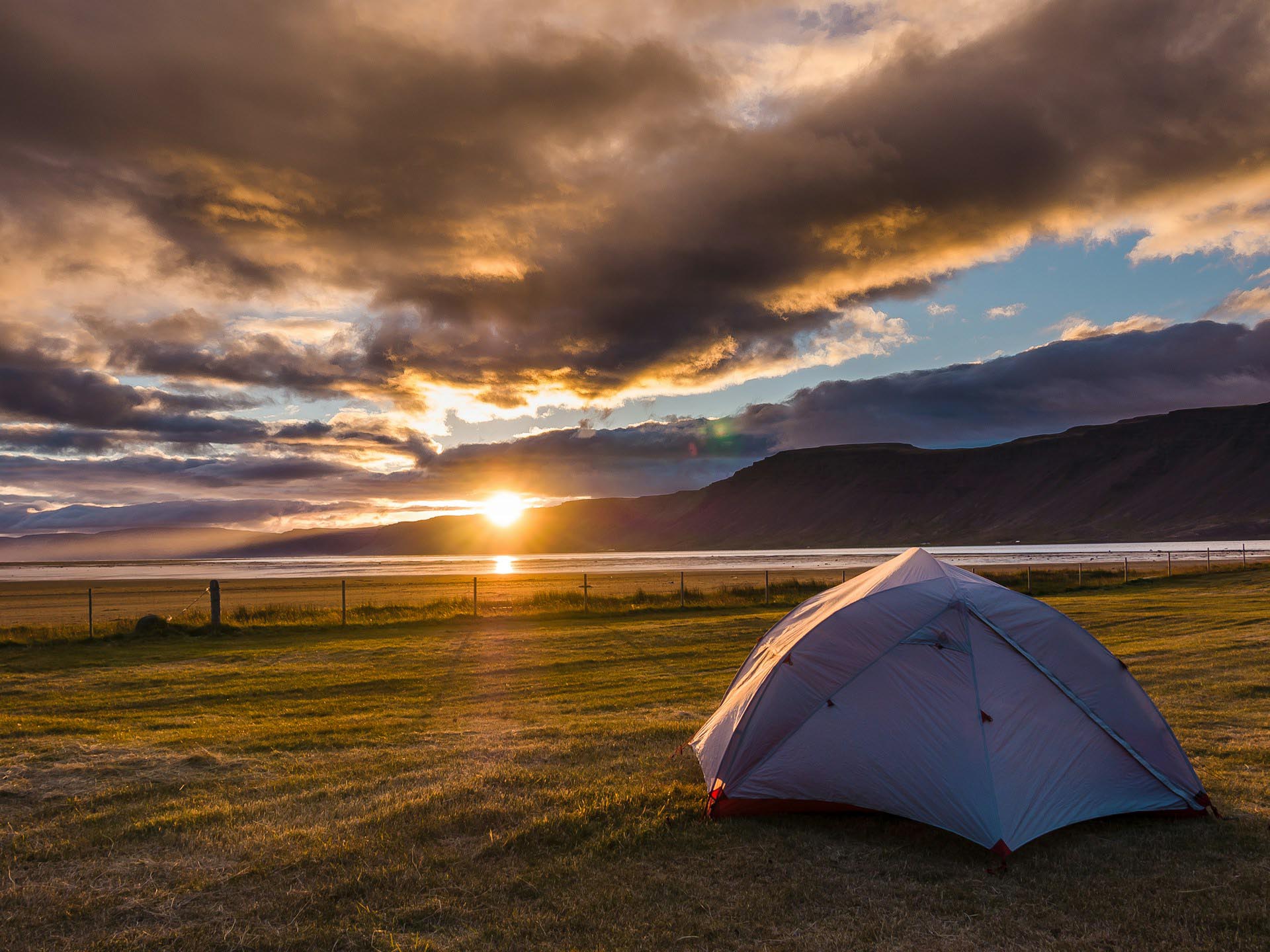
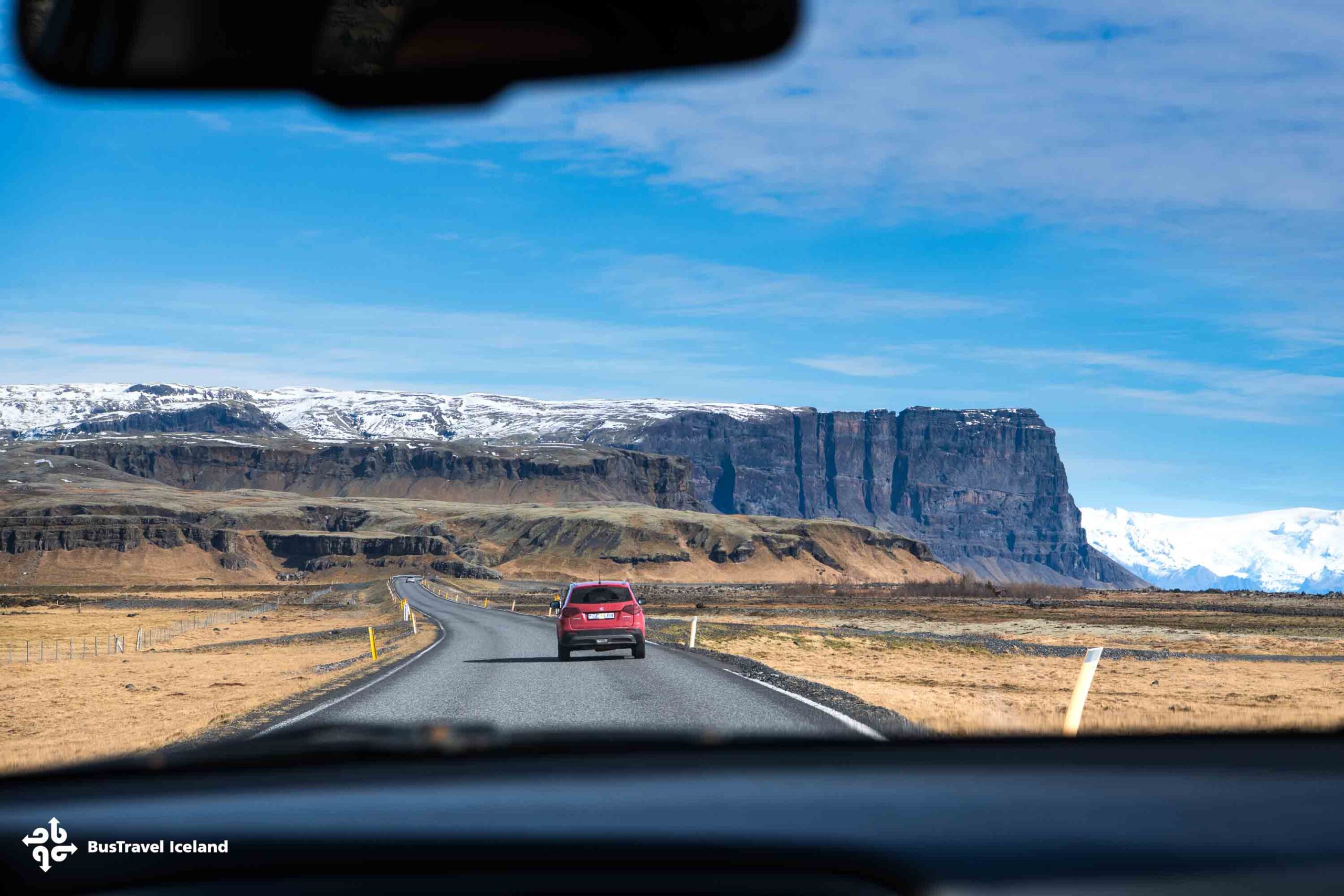
The Ring Road and major sightseeing routes are normally in good summer condition, but roadworks, storms, gravel surfaces and sudden closures can still affect travel.
Highland roads, commonly called F-roads, open only after snowmelt and safety inspections. Opening dates vary from year to year, and some routes require a four-wheel-drive vehicle by law. River crossings should never be attempted without the right vehicle, experience and current information.
Check the official road map before departure and again during longer journeys. Road conditions can change quickly, particularly in the Highlands and remote regions.
Allow more time than a navigation app suggests. Icelandic roads are often narrow, and scenic stops, weather and sheep on the road can all slow the journey.
Events and Festivals in August
One thing I love about August in Iceland is that the month is filled with events and celebrations, making the already bright summer days feel even more vibrant.
August festivities begin with Verslunarmannahelgi, or Merchants’ Weekend, over the first weekend of the month. This long holiday weekend is one of Iceland’s biggest summer getaways, when many locals leave the capital for camping trips, outdoor gatherings and festivals around the country. The best-known is Þjóðhátíð in the Westman Islands, a huge annual celebration of live music, singing and festivities.
Back in the capital, Reykjavík Pride fills the city with performances, community events and a large parade celebrating equality and human rights. Later in the month, Culture Night transforms central Reykjavík with concerts, art, family activities and street celebrations. The city’s August programme may also include jazz, music, neighbourhood and arts festivals.
Dates vary each year, so check the current programme before finalising your itinerary. Accommodation and transport demand can increase around major festival weekends, particularly during Merchants’ Weekend.
Outside Reykjavík, towns around Iceland hold local celebrations featuring music, food, sports and family activities. These smaller events can provide an enjoyable glimpse of Icelandic community life.
![Icelandic musician Valdimar Guðmundsson on stage in Reykjavik's Culture Night, 2019. [Photo credit to Yanshu Li]](https://bustravel.is/wp-content/uploads/2024/02/Live-music-concert-in-Reykjavik-Culture-Night-5547.jpg "Icelandic musician Valdimar Guðmundsson on stage in Reykjavik’s Culture Night, 2019. [Photo credit to Yanshu Li]")
Frequently Asked Questions
Is August the best month to visit Iceland?
It is one of the best months for road trips, hiking, Highland excursions and broad access to outdoor attractions. Those who are seeking fewer visitors or Northern Lights may prefer September.
Is Iceland expensive in August?
August falls within the peak season. Flights, accommodation and rental vehicles can be more expensive, particularly when booked late.
Can you see puffins in August?
Yes, especially early in the month. Sightings become less reliable later in August as puffins begin leaving their nesting areas.
Can you see whales in August?
Yes. Whale-watching tours operate throughout August, although sightings and sea conditions cannot be guaranteed.
Can you visit the Highlands?
Usually, but access depends on individual road openings and current conditions. Some routes require a four-wheel-drive vehicle.
Can you see the Northern Lights?
Possibly near the end of August, but darkness is limited and sightings are unreliable.
Does it rain every day?
Not necessarily, but rain is possible at any time. Icelandic weather is changeable, and conditions can differ considerably between regions.
How many days do you need in Iceland?
Three days provide an introduction, five days allow several major regions, and seven to ten days are better for a wider journey or Ring Road itinerary.
What should I wear?
Dress in layers and carry waterproof, wind-resistant outerwear. Sturdy shoes are more valuable than fashionable summer clothing.
Is August good for hiking?
Yes. August is one of the strongest hiking months, with access to coastal trails, mountain routes and parts of the Highlands. Always check the weather and trail conditions before setting out.
August reveals Iceland in full motion: accessible roads, active towns, green valleys, open hiking trails and long evenings beneath a sky that never seems hurried. With realistic distances, advance reservations and clothing for every season, it is an excellent month for turning a short visit—or a complete journey around the island—into a memorable adventure.