



Self-Drive vs. Guided Tours in Winter: The Honest Truth
- Good to Know
- 17 Jun 2026
Winter is one of the most rewarding times to visit Iceland, but it also raises one of the biggest questions travelers ask: Should you rent a car or join a guided tour? While self-driving offers flexibility, winter weather, icy roads, and limited daylight can make it far more challenging than many visitors expect.
In this guide, we’ll compare the pros and cons of self-drive and guided winter tours, explore safety, costs, road conditions, insurance, and driving requirements, and help you decide which option is the better fit for your Iceland adventure.

Key Takeaways
- Iceland’s winter roads change in minutes, and black ice catches out drivers used to continental climates.
- A 4WD rental does not solve the weather problem; it only takes you to more remote places where help is further away.
- Insurance excess and add-on protections push the real cost of a winter rental well above that of a guided tour package for most pairs and solo travelers.
- BusTravel Iceland coach drivers track live weather radar and the Icelandic Road Administration’s road map throughout every tour.
- A guided coach lets you watch the Ring Road go by, instead of fighting it.
Driving in Iceland in winter looks straightforward on a map. The reality is harder, more expensive, and more stressful than most first-time visitors expect. This honest comparison covers where self-drive really goes wrong, what it actually costs, and when a guided tour becomes the smarter choice.
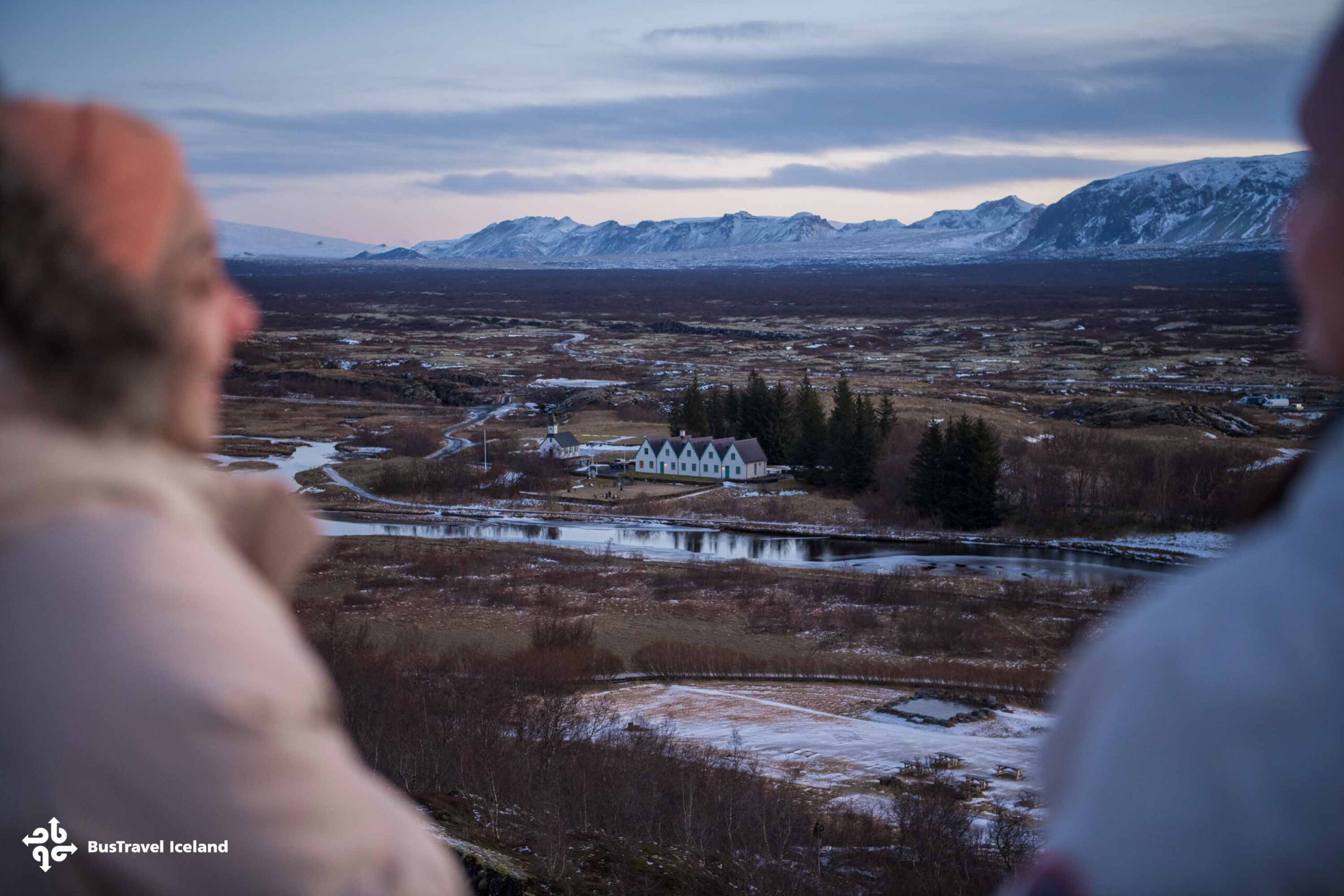
What Winter Driving in Iceland Actually Looks Like
A road that is bare tarmac at 9 am can be a sheet of polished ice by noon. Between November and April, conditions shift hour by hour. Black ice forms when surface moisture freezes invisibly, and you usually only realize it when the steering stops responding.
Wind is the hazard visitors most often underestimate. Gusts above 25 meters per second can blow car doors off their hinges and push smaller vehicles sideways across lanes, which is why Iceland’s weather service publishes a color-coded warning system that tour operators monitor constantly. Daylight is the third factor: December in Iceland gives Reykjavik just over four hours of direct sun, so a self-driven trip to the south coast often ends in the dark on unlit roads.
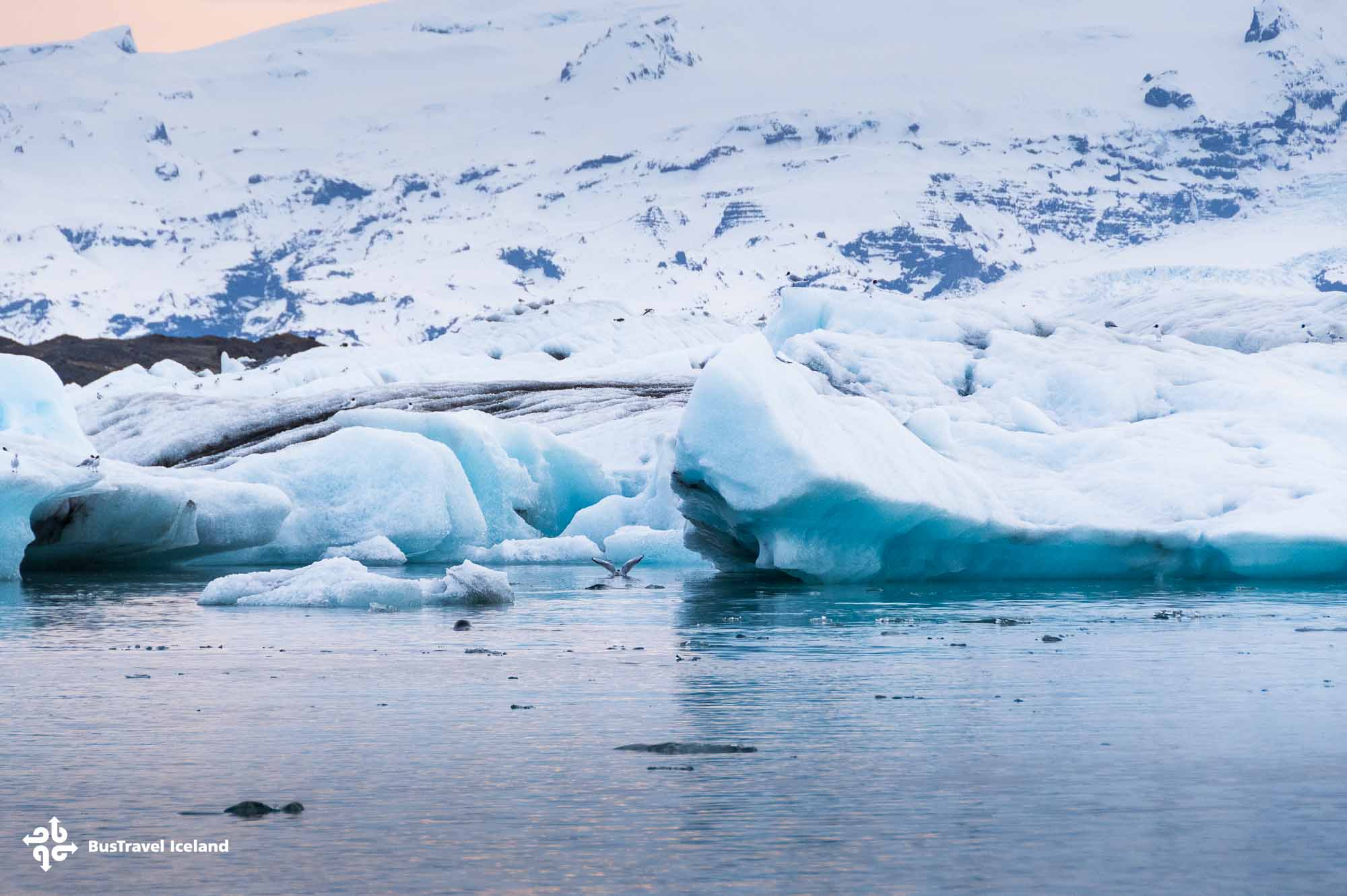
The Hidden Costs of a Winter Rental Car
The headline rental rate looks reasonable. The total bill rarely does. Winter rentals typically layer on gravel protection, sand and ash damage waivers, and theft cover, each priced as a daily add-on. Once these are included, a “cheap” small car climbs above the cost of a guided day tour for two people.
Then there is the excess. A typical collision excess sits between $1,500 and $3,000 USD for winter rentals, and small dings from gravel kicked up by other cars are routine, so most renters pay something on return. Fuel burns faster in winter too, with constant heater use and idling time spent clearing windshields.

Where Self-Drive Most Often Goes Wrong
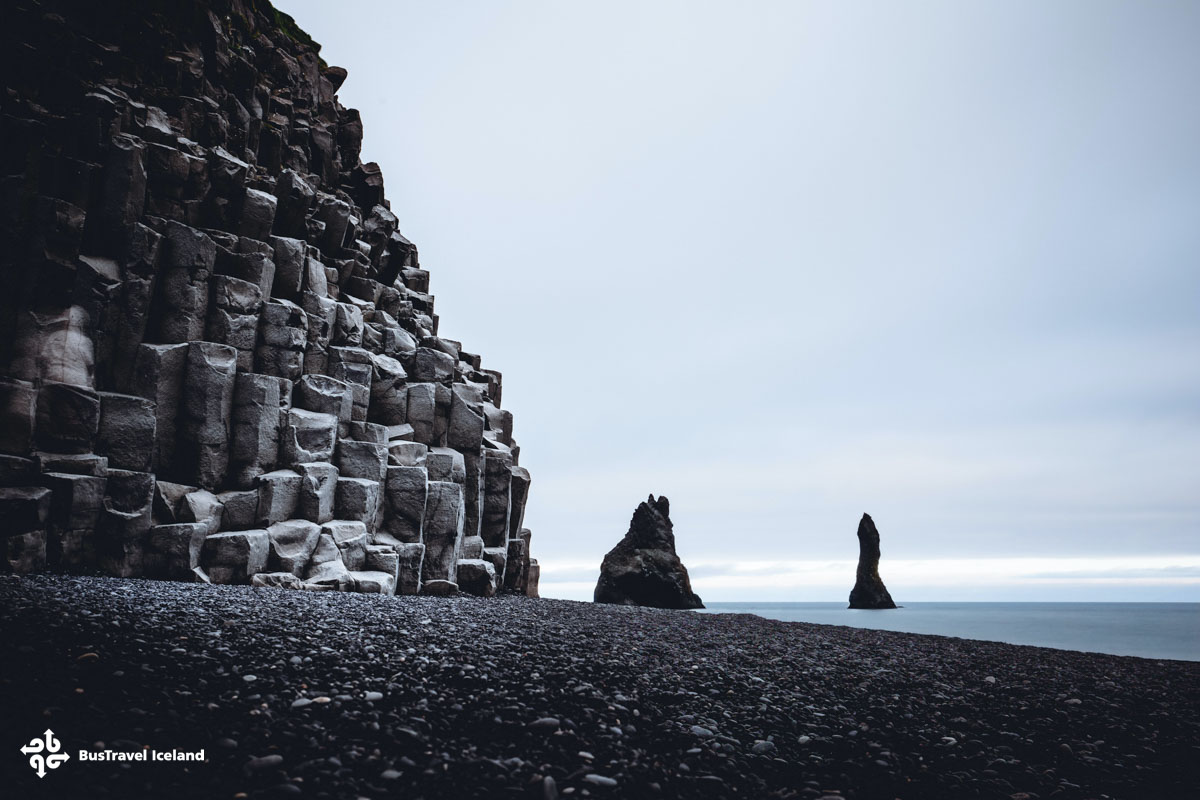
Reynisfjara, the famous black-sand beach, has claimed the lives of visitors who walked too close to the waterline. Sneaker waves arrive without warning, and the undertow is brutal. Local guides know the safe line and call it out clearly. Self-drivers often do not.
F-roads, the gravel tracks that lead into the highlands, are closed for the whole winter season. Driving one is illegal, dangerous, and uninsured. Route 1 regularly closes during storms, and a car stuck behind a closure point can sit for hours before the road reopens, with accommodation along the south coast filling up the moment a closure is announced.
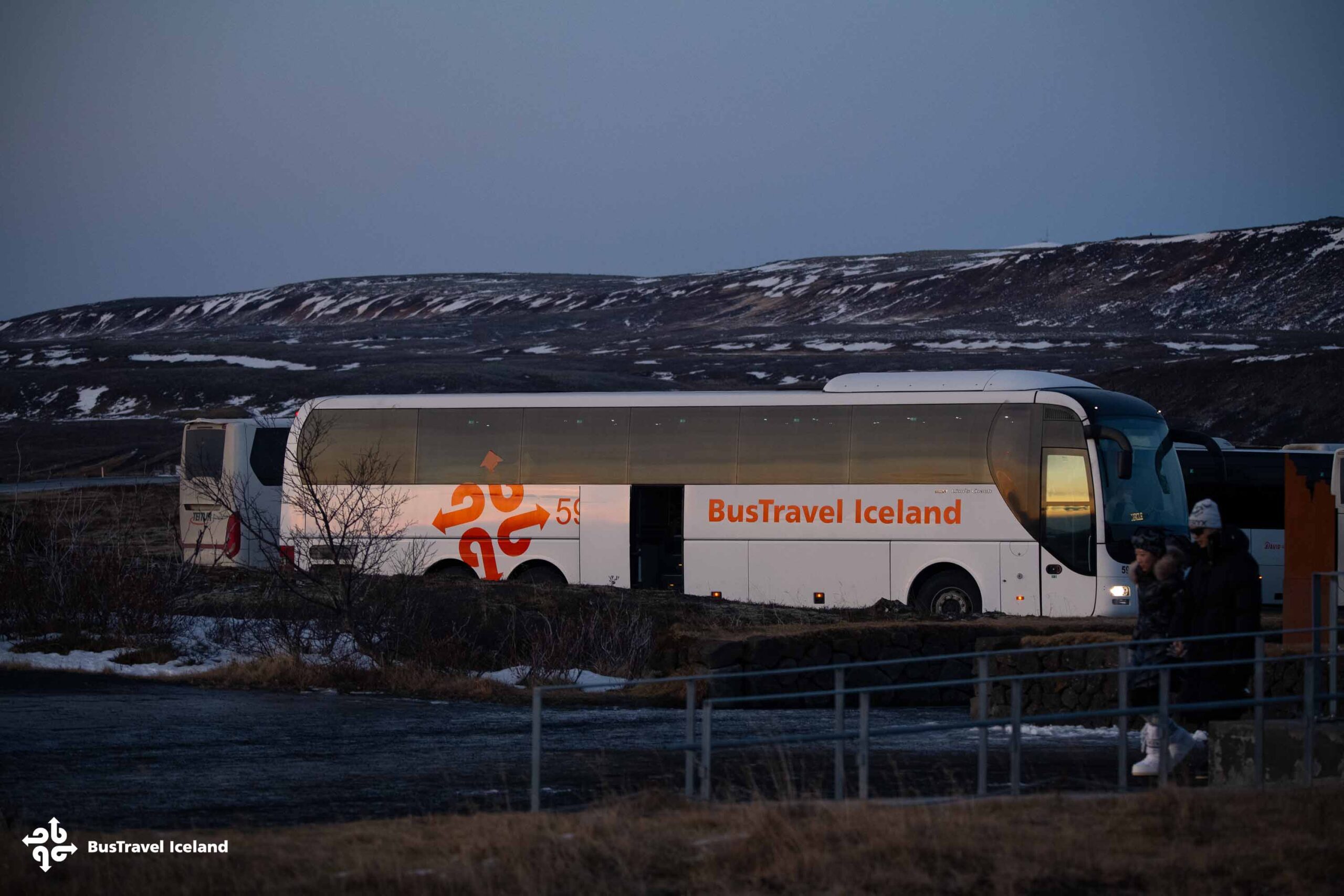
How Guided Coach Drivers Stay Ahead of the Weather
BusTravel Iceland coach drivers monitor live weather radar, road status feeds from the Icelandic Road Administration, and aurora forecasts at the same time. They make decisions hours ahead of where the bus actually is, working with a dispatch team that has the authority to cancel, divert, or shorten any tour the moment conditions turn.
You can compare the two approaches in detail in our breakdown of rental cars versus tour buses. That single layer of professional weather decision-making is the difference between a relaxed day of sightseeing and a long drive home through a snowstorm.
When Self-Drive Still Makes Sense (And When It Does Not)
There is a version of self-driving that works in Iceland. It involves summer dates, experienced winter drivers, and at least two weeks for a full Ring Road loop. None of those describes a typical first-time winter visitor on a five-to-seven-day trip.
If you are visiting between November and March, have limited experience driving on ice, and want to see the south coast, Snæfellsnes Peninsula, or the Golden Circle in a short window, the math almost always favors a guided tour. BusTravel Iceland’s winter coach tours cover the same routes self-drivers attempt, with the safety and comfort the season demands.
Winter in Iceland rewards the visitor who looks out the window rather than grips a steering wheel. Browse BusTravel Iceland’s 4-day Wonders of Iceland Winter Tour to see how the same routes feel when the driving is somebody else’s problem.

Frequently Asked Questions
Is driving in Iceland in winter actually dangerous?
Yes, for visitors who have not driven on ice or in heavy winds before. Black ice, blowing snow, and sudden storms catch out even experienced drivers, and the combination of low daylight and remote routes raises the stakes further.
Do I need a 4WD car to drive in Iceland in winter?
A 4WD helps in deep snow and on gravel, but it does not stop a car from sliding on black ice or being pushed sideways by a 30-meter-per-second wind. The drivetrain is one part of the answer, not the whole.
Are roads ever closed for tourists in winter?
The Icelandic Road Administration closes individual roads and sometimes entire regions when conditions become unsafe. F-roads are closed for the entire winter season; Route 1 closes regularly during storms; and ignoring a posted closure carries fines and full liability for any rescue.