



A Complete Travel Guide to Iceland in March
- Iceland by Month
- 6 Feb 2026
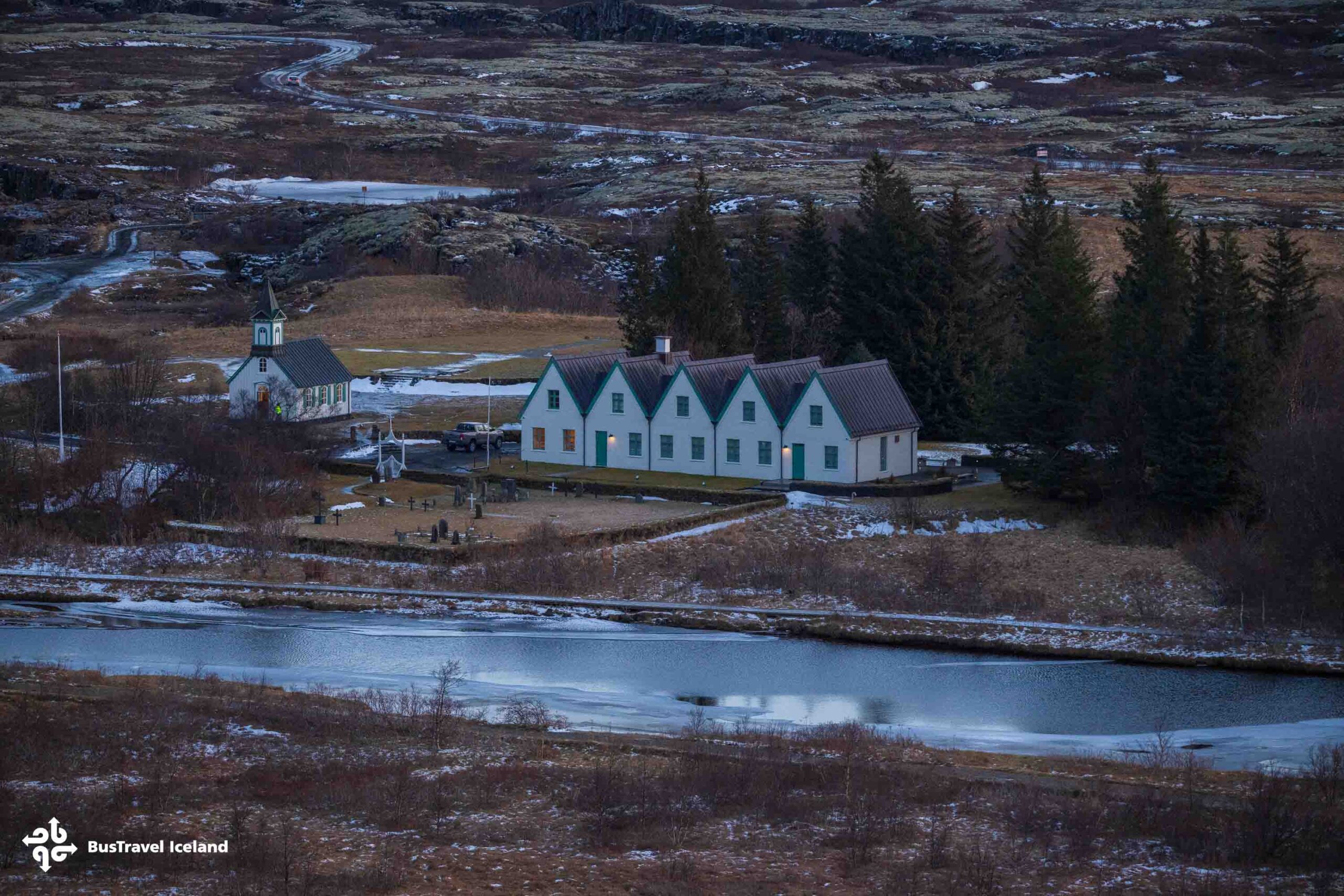
March in Iceland is a true month of transition, where winter and spring collide, making the weather highly unpredictable. The island sits between cold Arctic air and milder, moisture-rich Atlantic air, creating fast-moving and constantly shifting weather systems. As a result, conditions can change rapidly—calm, clear skies can quickly give way to strong winds, hail, or even snowstorms within the same day.
For visitors, March in Iceland offers snow-covered landscapes, rapidly increasing daylight, fewer crowds, and excellent chances to see the Northern Lights. If you are wondering “Is it worth visiting Iceland in March?” or “Is it good to visit Iceland in March?”, the answer depends on expectations—but for many, March is one of the most rewarding times of year.
Weather in Iceland in March
The Iceland weather in March varies noticeably by region, shaped by geography, elevation, and proximity to the ocean. When looking at the Iceland temperature in March, conditions in Reykjavík and the southwest are relatively mild by Icelandic standards, with fluctuating temperatures and a mix of rain, snow, and frequent wind influenced by Atlantic weather systems.

Along the South Coast, the Iceland weather in March is often wetter than in other regions, meaning snowfall can quickly turn to rain near sea level while inland areas remain icy and cold. In North Iceland, including areas around Akureyri, the Iceland temperature in March tends to feel colder and drier, with more stable snow cover and clearer skies, creating more consistent winter conditions.

The East Fjords typically experience colder, quieter conditions with lingering snow and occasional road closures through mountain passes, while the Westfjords remain the most wintry and unpredictable region, characterized by deep snow, strong winds, and limited services.
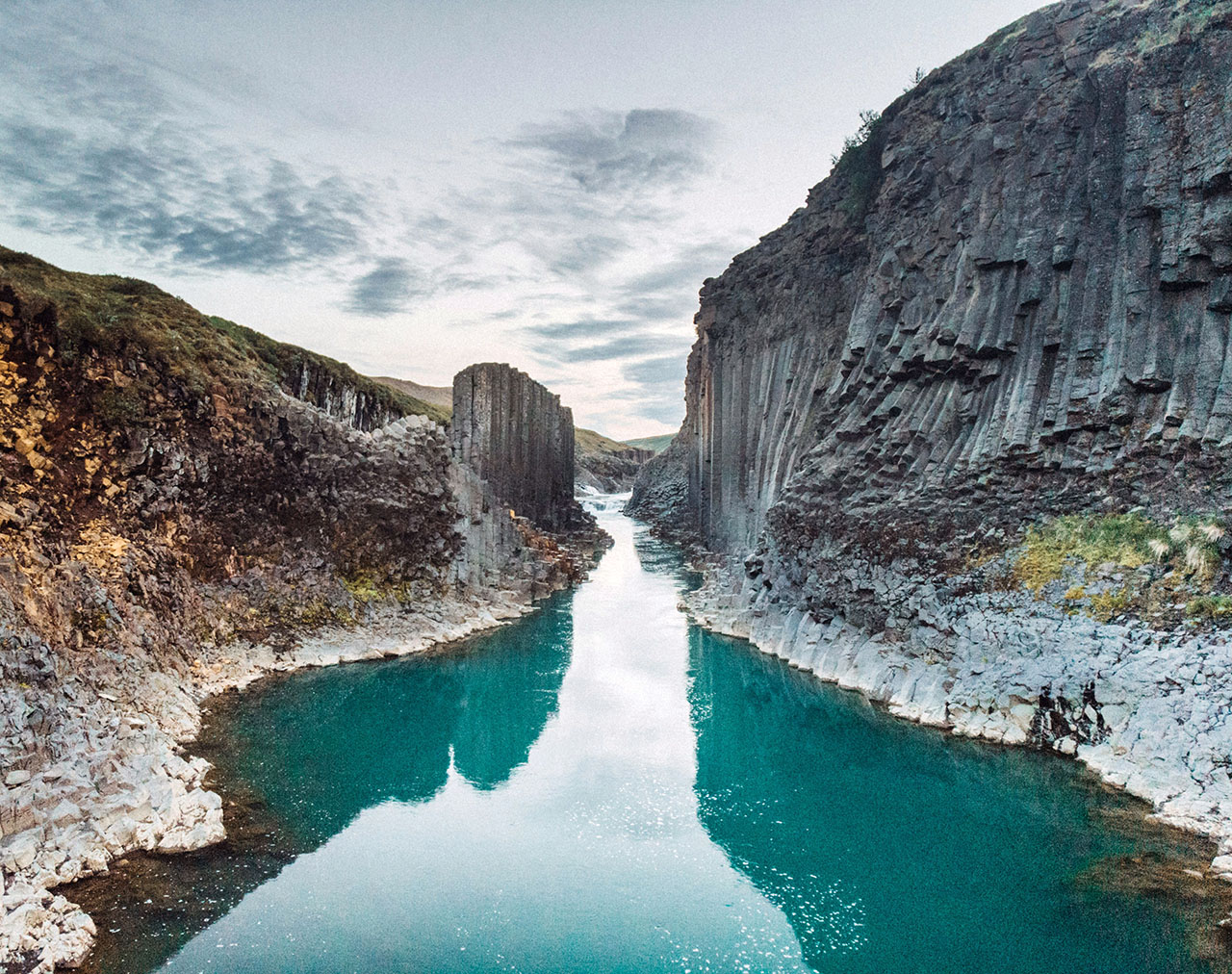
Across the country, Iceland weather in March can shift rapidly within hours, bringing snow, sleet, sunshine, and wind in quick succession. Despite the lingering winter conditions, the steadily increasing daylight—reaching nearly thirteen hours by late March—makes travel easier and more comfortable than earlier in the season.
How Cold it is in Iceland in March
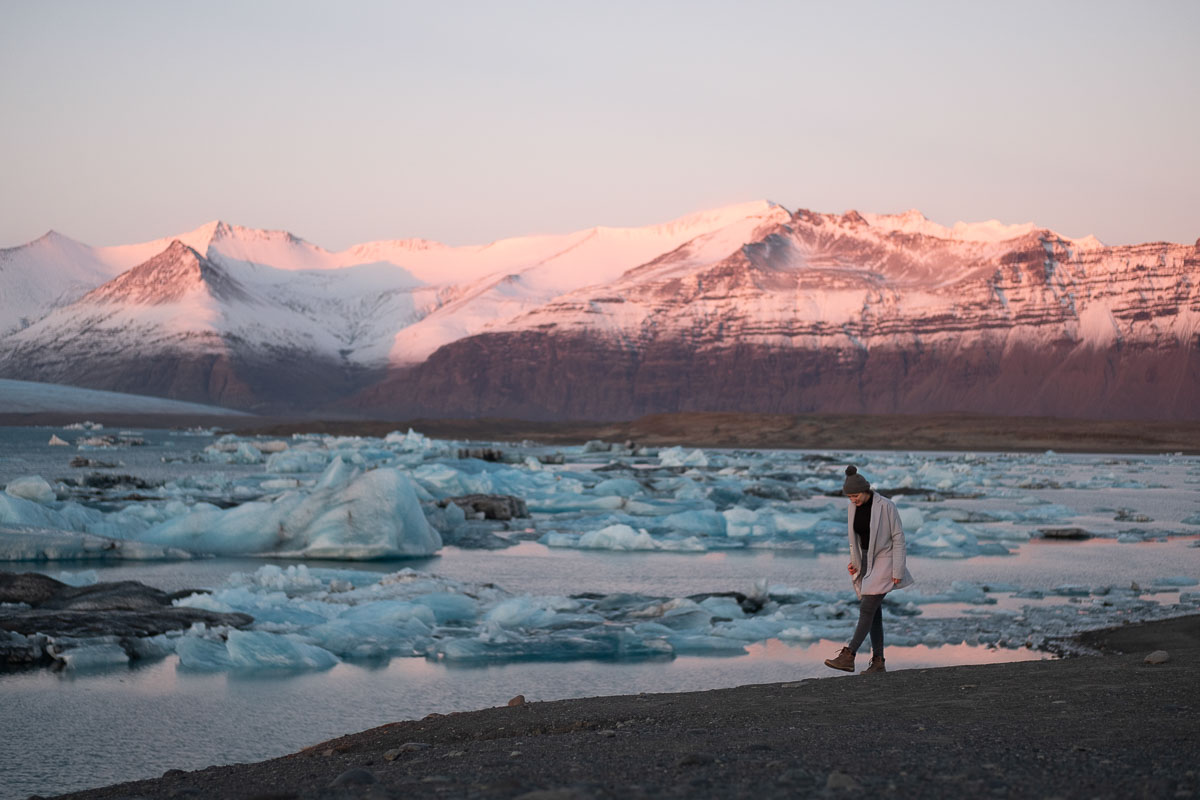
To answer how cold it feels in Iceland in March, the cold is noticeable but not overwhelming. The air is crisp and clean, and while snow and ice are still part of the landscape, the cold tends to feel sharper rather than deeply bitter. Wind plays a big role in how conditions are perceived, especially in open areas and along the coast, where gusts can make temperatures feel colder than expected. At the same time, increasing daylight and frequent bursts of sunshine help soften the experience, making outdoor exploration feel more comfortable than in the darkest winter months. With proper layers and wind protection, most travelers find the cold manageable and even refreshing, rather than harsh or limiting.
Daylight Hours in Iceland in March
Daylight is one of the most noticeable changes travelers experience when visiting Iceland in March. The month marks a clear transition from winter darkness toward spring, with each day bringing noticeably more light. This increase in daylight makes travel easier, sightseeing more relaxed, and outdoor activities far more flexible compared to the heart of winter.
In early March, Iceland experiences about ten hours of daylight, with the sun rising around 8:30 am and setting near 6:30 pm, giving days a distinctly wintery rhythm. By late March, daylight has expanded significantly to nearly thirteen hours, with sunrise occurring before 7:00 am and sunset extending until after 8:00 pm, creating long, bright days that feel much closer to spring.

Can You See Northern Lights in Iceland in March
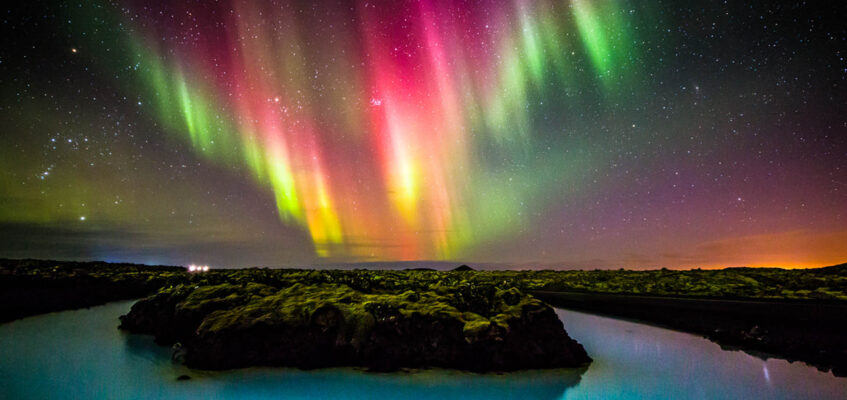
Yes, you can see Northern Lights in Iceland in March, and it is one of the final strong months of the season. Darkness is sufficient throughout most of the month, and weather conditions are often less extreme than in mid-winter. With clear skies and low light pollution outside urban areas, you will have a very real chance of seeing auroras, particularly during periods of increased solar activity.

What to Do in Iceland in March
March in Iceland offers a mix of winter adventures and emerging spring experiences, with activities shaped by snow-covered landscapes, changing daylight, and weather-dependent conditions across the country.
Chasing the Northern Lights in March in Iceland
March offers some of the last strong opportunities of the season to see the Northern Lights in Iceland, with long nights and improving weather compared to mid-winter. Clear skies and low light pollution are essential, and sightings are never guaranteed, which is why many travelers choose evening Northern Lights tours led by guides who track aurora forecasts and cloud cover in real time.
Ice Caves and Glacier Formations
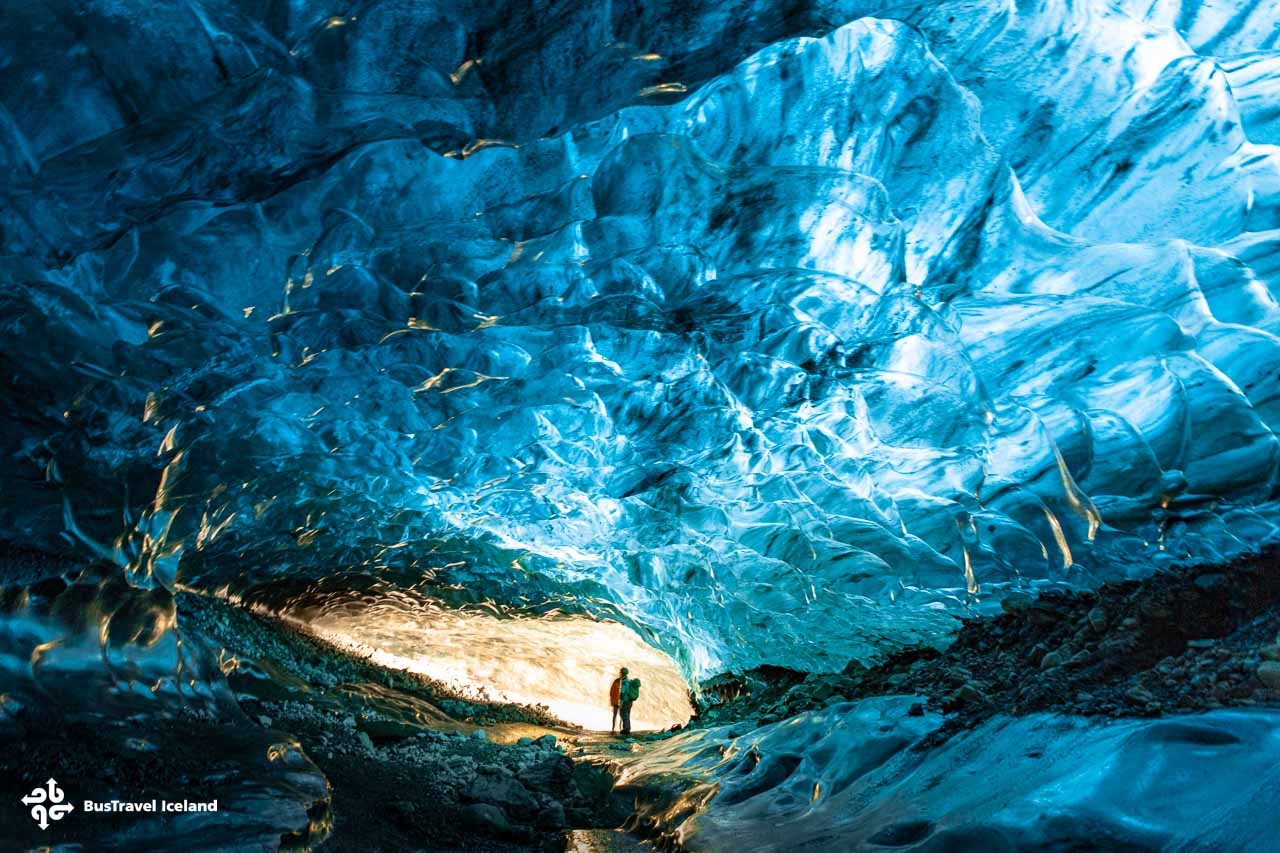
Ice caves are naturally formed during winter and early spring, and March is one of the final months when they are accessible. Conditions vary year by year, and safety depends on temperature and ice stability, so access is restricted to guided ice cave tours that operate mainly from glacier areas along the South Coast.
Glaciers, Snow, and Winter Terrain
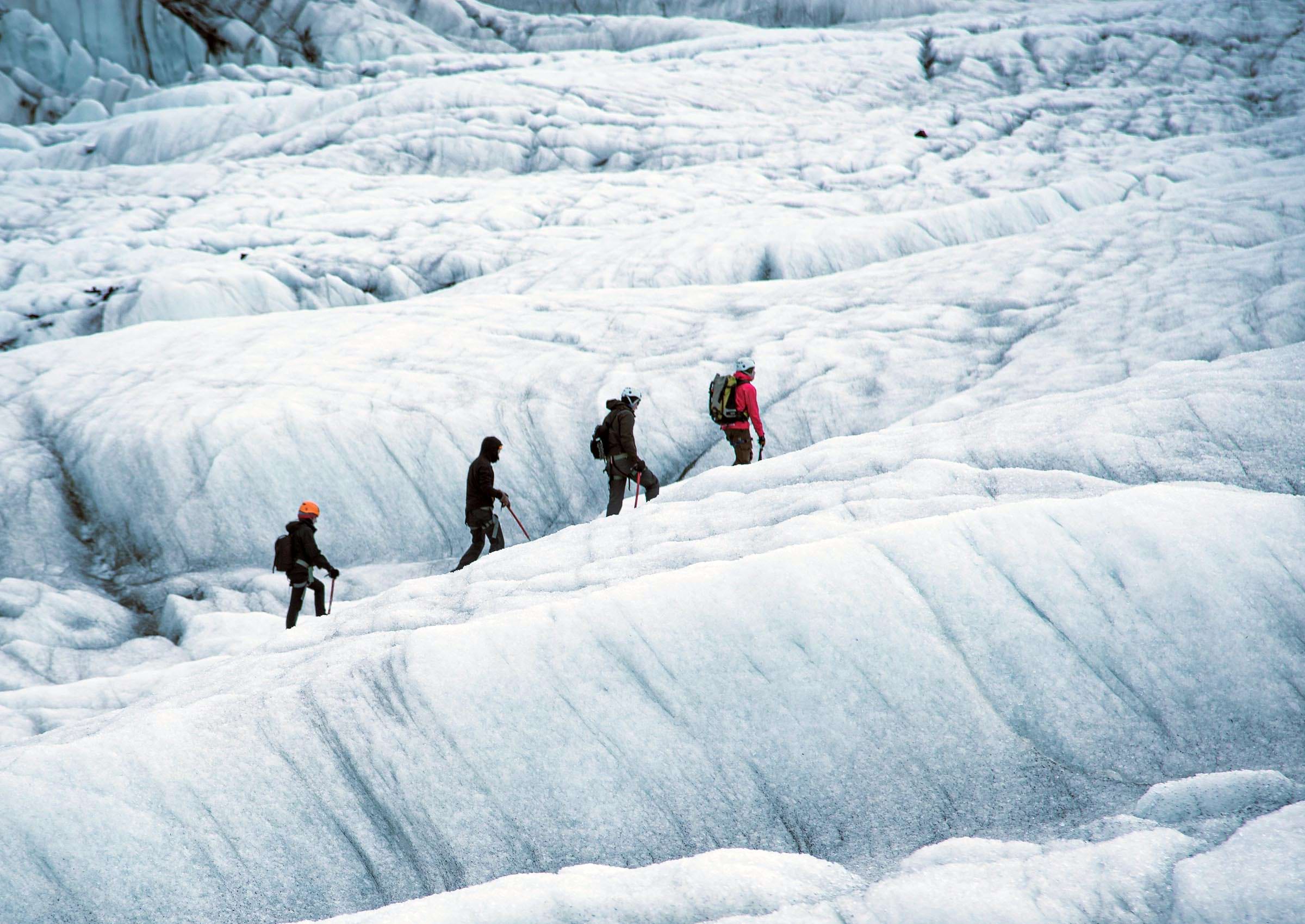
Glaciers remain fully snow-covered in March, making the landscape ideal for winter-based activities. Glacier hiking and snowmobiling tours allow visitors to explore areas that are otherwise inaccessible, with experienced guides providing equipment and instruction suited to winter conditions.
Hot Springs and Geothermal Bathing
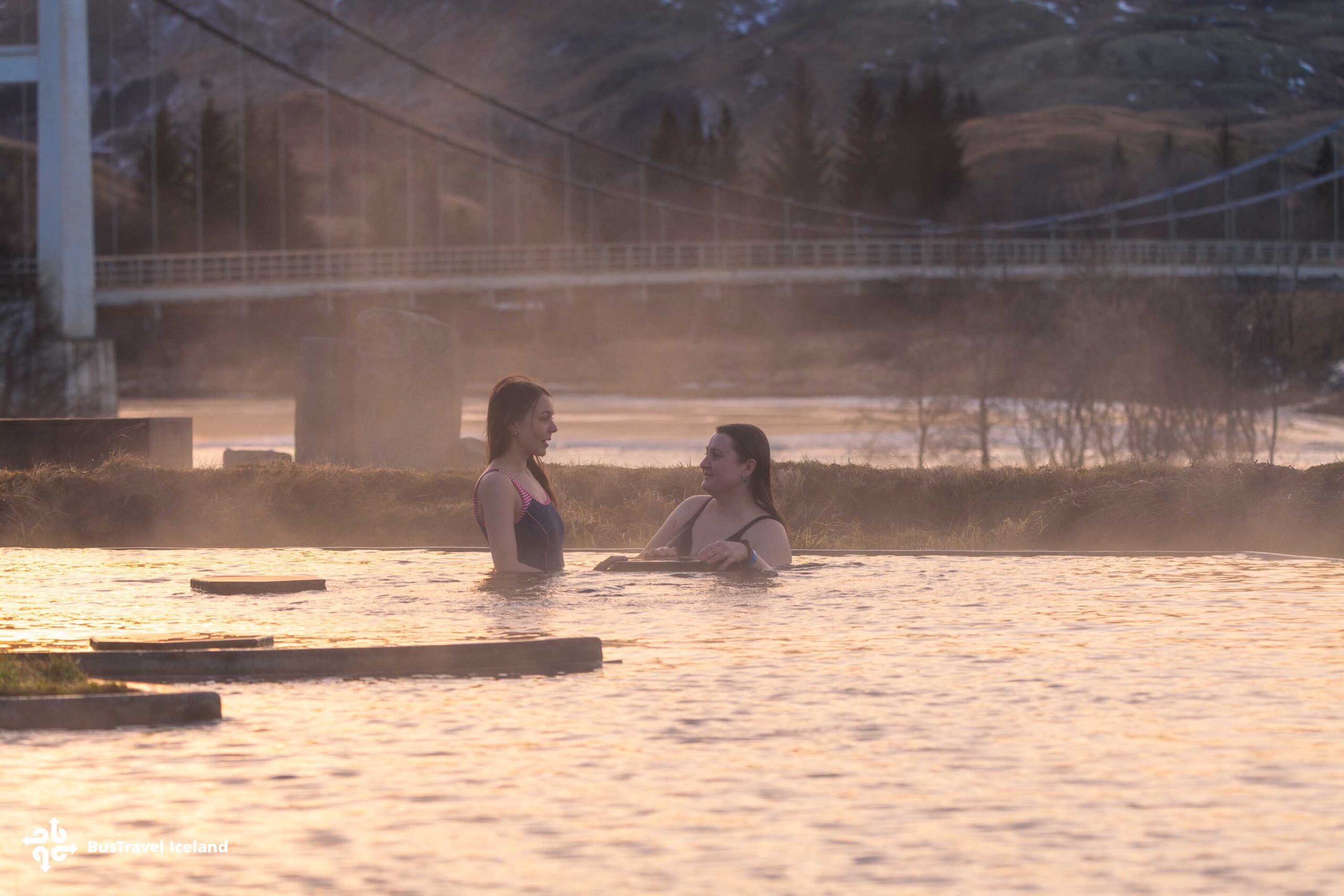
Hot springs and geothermal pools are a year-round feature of Iceland, but they are especially enjoyable in March, when cold air and occasional snow make the warm water feel even more relaxing. Visitors can choose between natural hot springs, local swimming pools, and larger geothermal spas such as the Blue Lagoon, the Sky Lagoon, Laugarás Lagoon, and the Secret Lagoon. Many of these locations are easy to reach on day trips from Reykjavík or along popular travel routes, making them simple to include in a March itinerary.
Self-Drive in Iceland in March
March marks a transition period for road conditions, with main roads generally maintained while secondary routes may remain icy or snow-covered. Travelers planning self-drive trips often stick to well-traveled routes like the Golden Circle and South Coast, while guided sightseeing tours offer a stress-free alternative during variable weather.

Waterfalls and Seasonal Landscapes
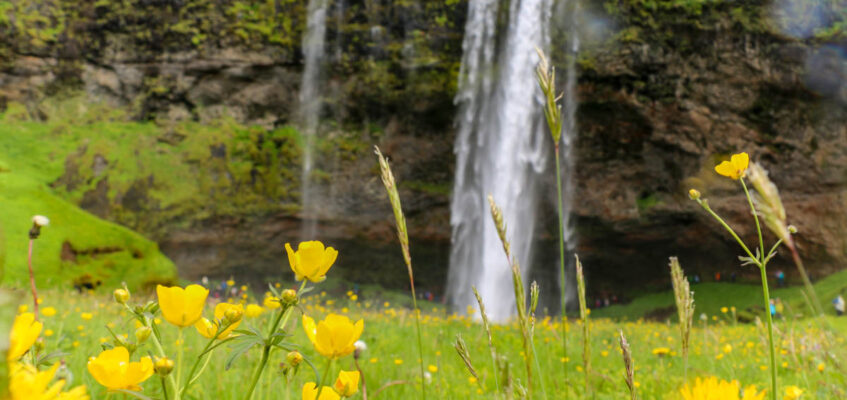
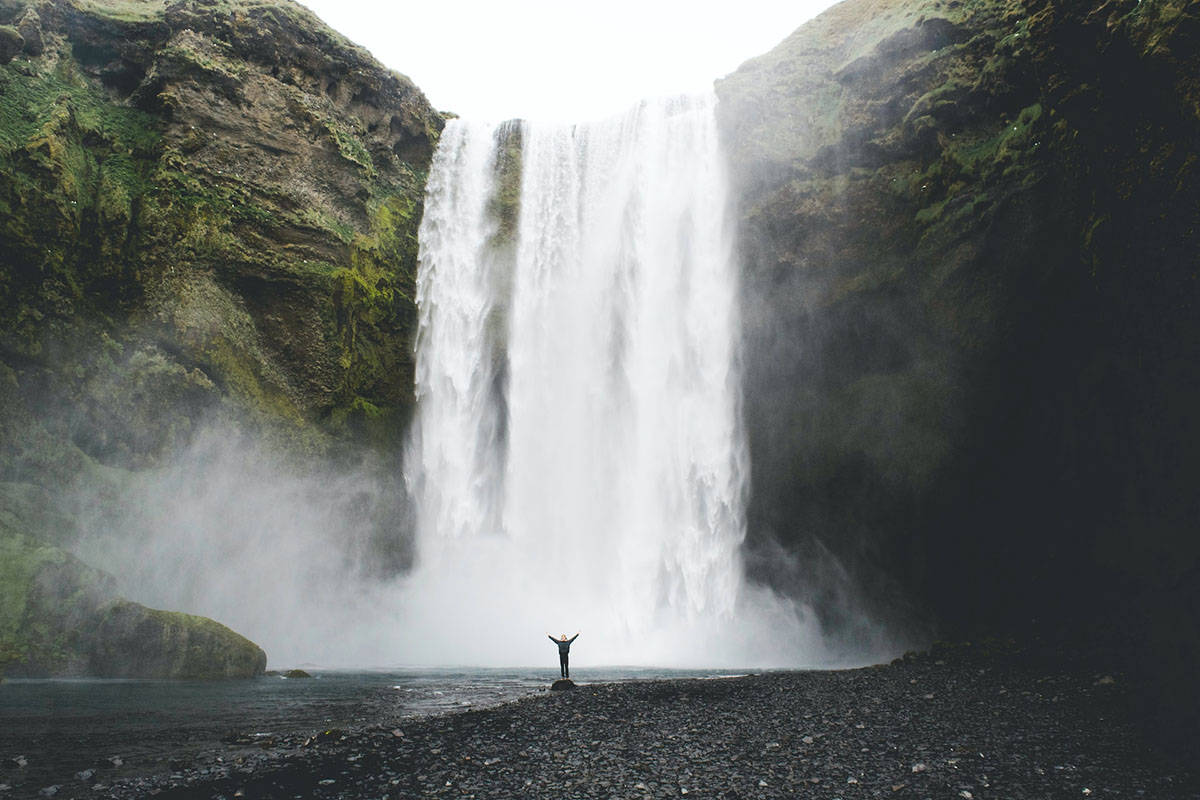
Waterfalls are at their most dramatic in March, often surrounded by ice, snow, and frozen ground, which makes them especially striking to see. Both the Golden Circle and the South Coast routes feature some of Iceland’s most spectacular waterfalls, many of which are easy to include on day trips or road journeys.
In March, many waterfalls remain accessible via maintained paths, although surfaces can be icy and slippery. For this reason, guided sightseeing and photography tours are popular, as they offer safer access, local knowledge, and help visitors experience these powerful natural sights in winter conditions.
Reykjavík in March: Culture and City Life
Reykjavík serves as a comfortable base in March, offering museums, galleries, cafés, and a vibrant food scene. The city is also a starting point for many day tours, including sightseeing, Northern Lights excursions, and food-focused experiences, making it ideal during days with unpredictable weather.
You can explore Reykjavík in one day by walking and using the 24-hour hop-on hop-off bus. Start your day at the Old Harbor and walk along the water to see the Sun Voyager. Continue to Harpa Concert Hall, where you can go inside and enjoy the building. From there, walk into the city center to visit the National Gallery of Iceland and the nearby Reykjavík Art Museum. After that, walk along Laugavegur for lunch, shopping, and a short break.
Next, walk uphill to Hallgrímskirkja to see the church and city views. Use the hop-on hop-off bus to travel to Perlan, where you can enjoy indoor exhibitions and panoramic views. In the afternoon, take the bus back to the city center and finish the day with a walk and dinner near the harbor. This plan is easy to follow, not rushed, and works well in all seasons.

Whale Watching in Iceland in March
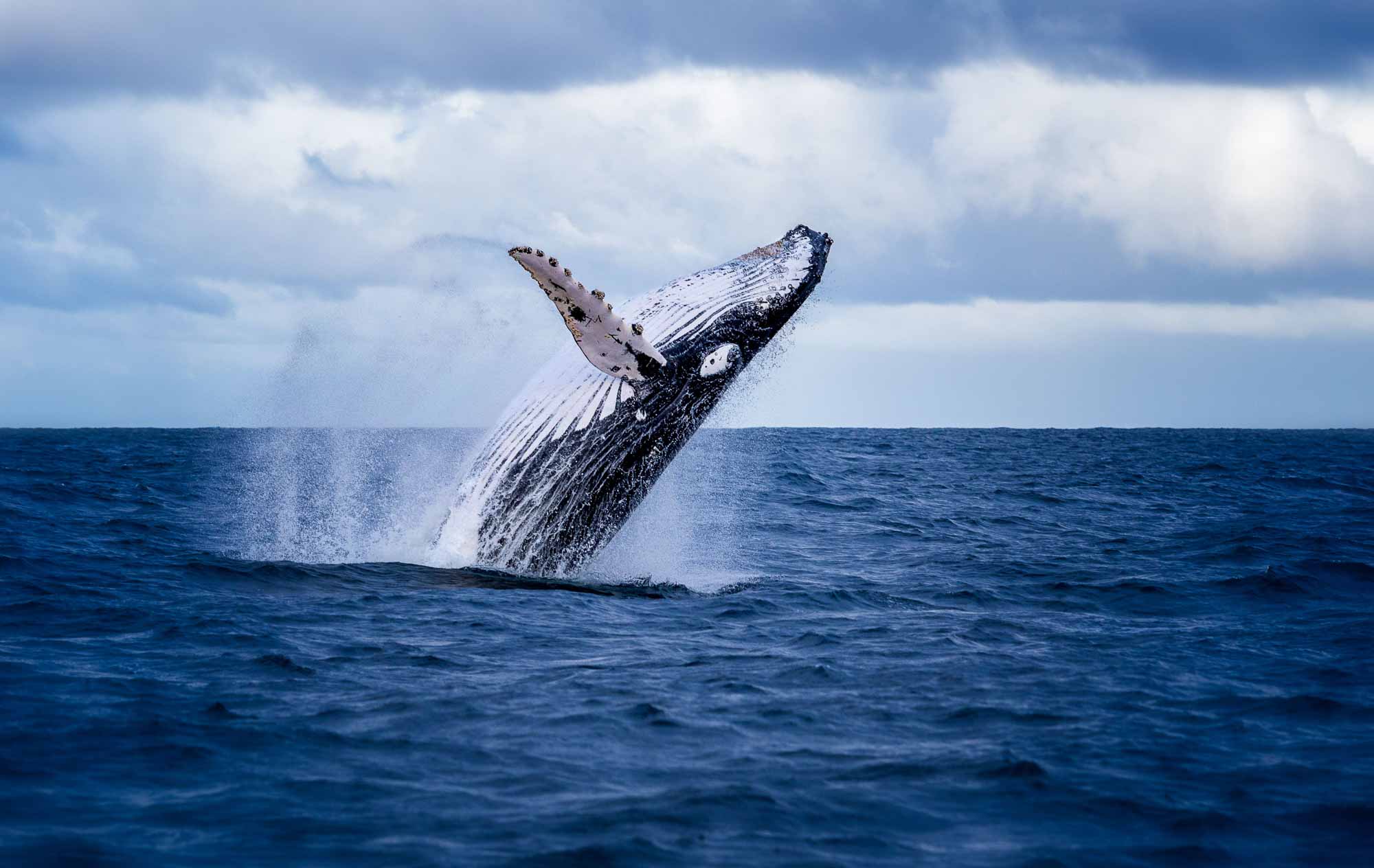
Whale watching in Iceland is a year-round activity, and a whale watching tour can be taken in March depending on sea and weather conditions. Sightings are never guaranteed, but species such as minke whales, dolphins, and porpoises are commonly seen throughout the year. While weather in March can still change quickly, longer daylight hours and improving conditions toward the end of the month often make a whale watching tour more comfortable and enjoyable compared to the darkest winter months.
Events in March in Iceland
March is a quieter month for festivals in Iceland, but it still offers a handful of distinctive cultural events that give visitors insight into local life without the crowds of summer. Many of these events take place in or around Reykjavík, making them easy to combine with sightseeing and day tours.
One of the most notable dates is Icelandic Beer Day on March 1st, which celebrates the end of Iceland’s beer prohibition. Bars and restaurants across the country mark the occasion with special menus and events, and Reykjavík has a lively, festive atmosphere in the evening. Food lovers may also encounter the Reykjavík Food & Fun Festival, which sometimes extends into early March, showcasing Icelandic ingredients through collaborations between local restaurants and international chefs. You can also join a Reykjavik food walk tour, or Reykjavik traditional Icelandic food tour for a more immersive experience.

Best Places to Visit in Iceland in March (Ranked by Accessibility)
1. Golden Circle – The Most Accessible Region in March
The Golden Circle is the easiest and most reliable area to visit in Iceland in March. Roads are well maintained throughout winter, distances between attractions are short, and conditions are usually manageable even when the weather changes quickly. The route includes major highlights such as Þingvellir National Park, where visitors can walk between tectonic plates, the Geysir Geothermal Area with its active Strokkur geyser, and the powerful Gullfoss waterfall, which is especially dramatic when surrounded by snow and ice. Popular additional stops include the bright blue Brúarfoss, the volcanic Kerið Crater, the Secret Lagoon, Faxi Waterfall, and local farms or geothermal greenhouses along the route. Snow-covered landscapes enhance the scenery, while increasing daylight hours allow for relaxed sightseeing without rushing. The Golden Circle works well for self-drive travelers and also offers frequent guided tours departing daily from Reykjavík, making it the top choice for visiting Iceland in March.

2. South Coast – High Reward with Moderate Driving Conditions
The South Coast is one of the most visually impressive regions to visit in March, known for its mix of waterfalls, glaciers, black sand beaches, and dramatic coastal scenery. Along the route, travelers can see famous waterfalls such as Seljalandsfoss and Skógafoss, as well as smaller stops like Kvernufoss. The coastline features striking locations including Reynisfjara and viewpoints near Dyrhólaey. Glaciers such as Sólheimajökull and areas within Skaftafell offer classic winter scenery.
The main coastal road is usually kept open, but wind, snow, and ice can affect driving during storms, making this region best suited to travelers comfortable with winter conditions or those joining guided tours. With fewer crowds and snow-covered landscapes, March is an excellent time to experience the South Coast at a slower, more dramatic pace.

3. Jökulsárlón Glacier Lagoon – Best for Winter Scenery, Weather-Dependent
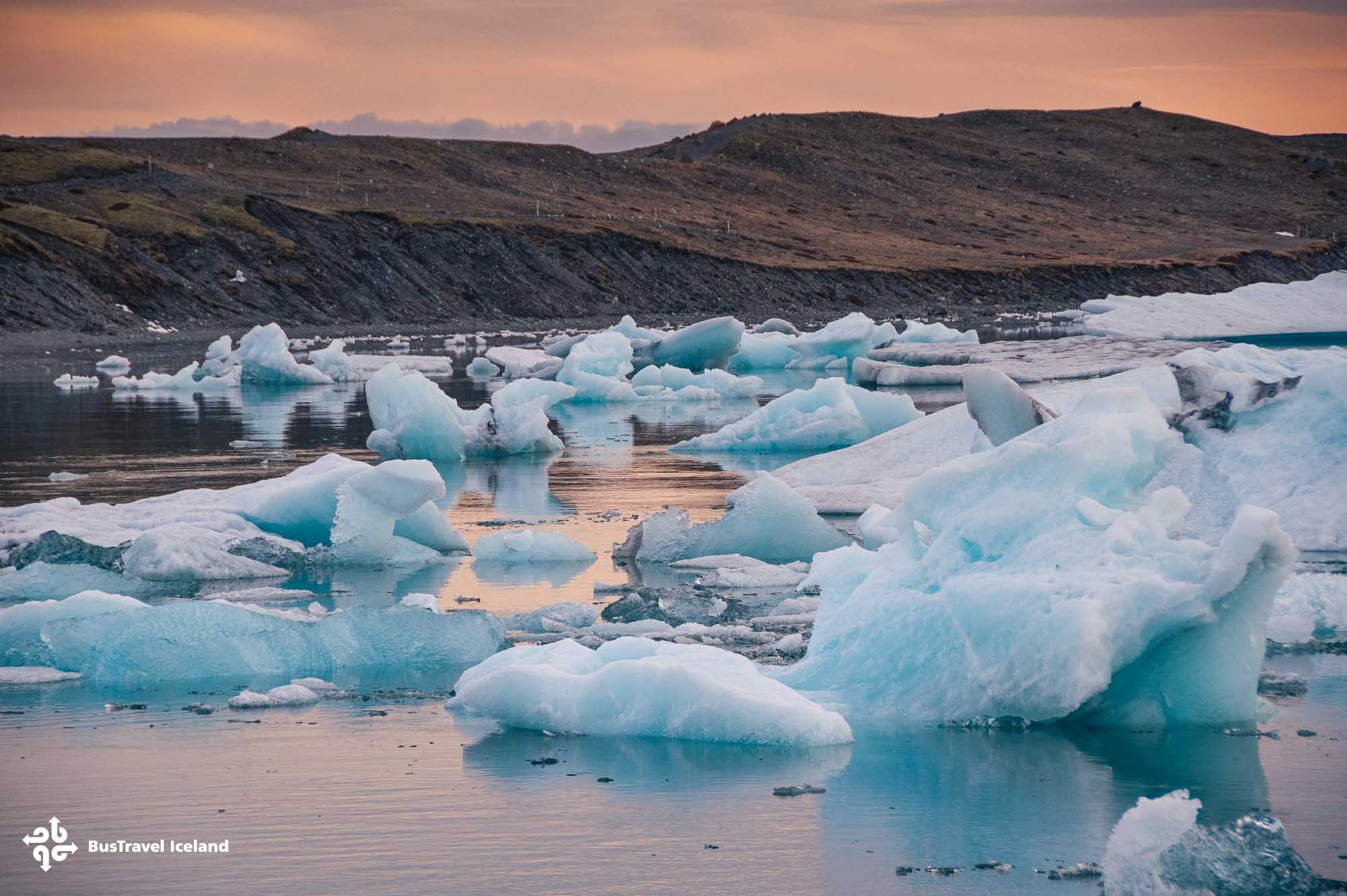
Jökulsárlón is one of Iceland’s most iconic sights and looks especially striking in March, with icebergs contrasting against dark water and snow-covered surroundings. However, it requires a longer drive along the South Coast, and conditions can vary significantly depending on weather. Visiting is best suited to travelers with flexible schedules, strong winter driving confidence, or those booking multi-day guided tours that adjust plans based on conditions.
4. Snæfellsnes Peninsula – Stunning but More Exposed
The Snæfellsnes Peninsula offers incredible landscape variety in a compact area, but it is more exposed to wind and changing weather than southern regions. Mountain passes and coastal roads can become icy or temporarily closed, especially after snowstorms. While accessible in March, it is better suited for travelers who monitor road conditions closely or prefer guided tours during winter months.
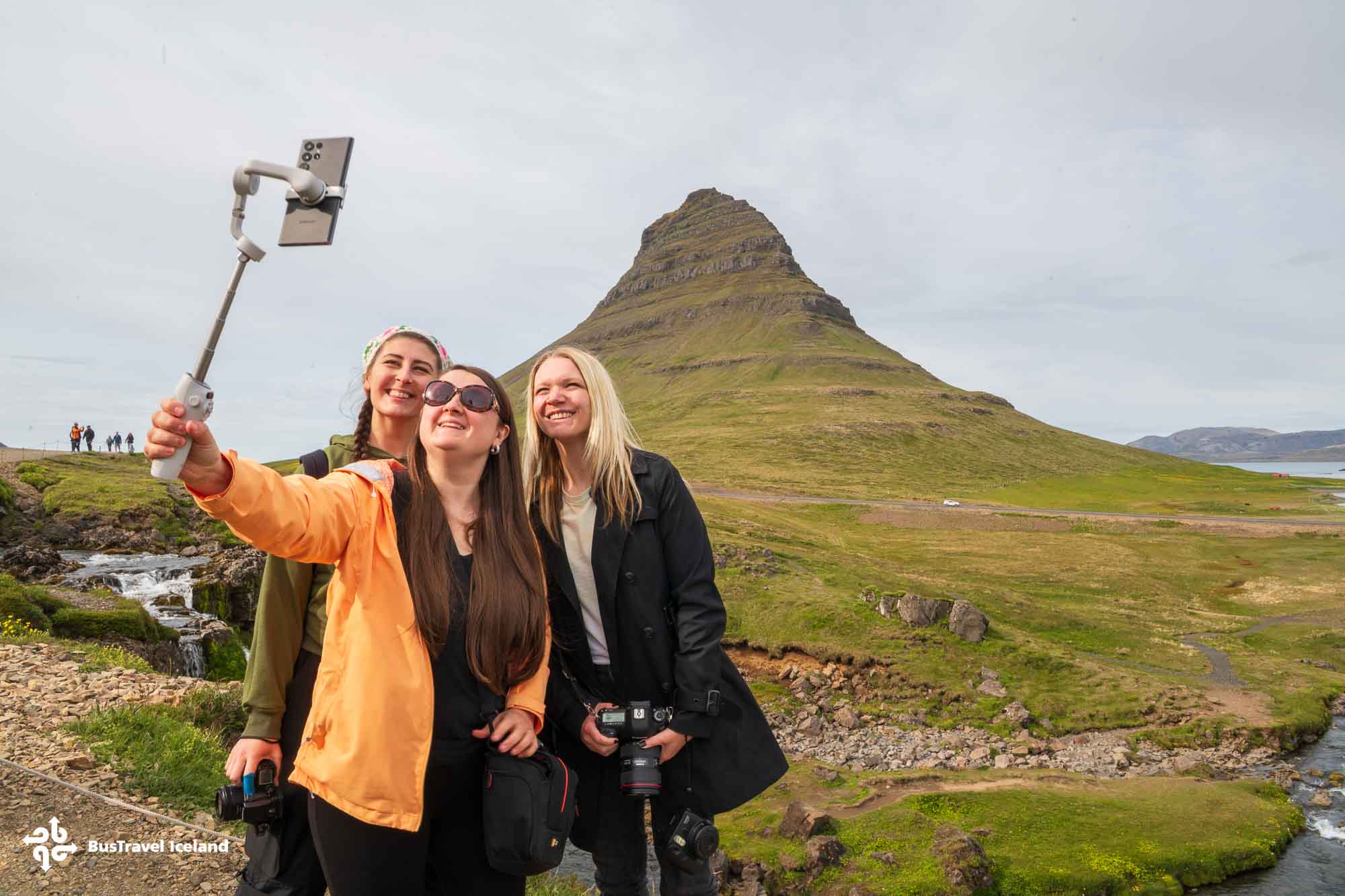
Major attractions in the region include Kirkjufell and Kirkjufellsfoss, the dramatic coastal cliffs at Arnarstapi and Hellnar, the black pebble beach of Djúpalónssandur, and the iconic Búðir Black Church. The peninsula is also home to Snæfellsjökull National Park, where a glacier-covered volcano dominates the landscape. In March, snow and winter light add to the region’s dramatic feel, making it a rewarding destination for well-prepared travelers.
Driving in Iceland in March
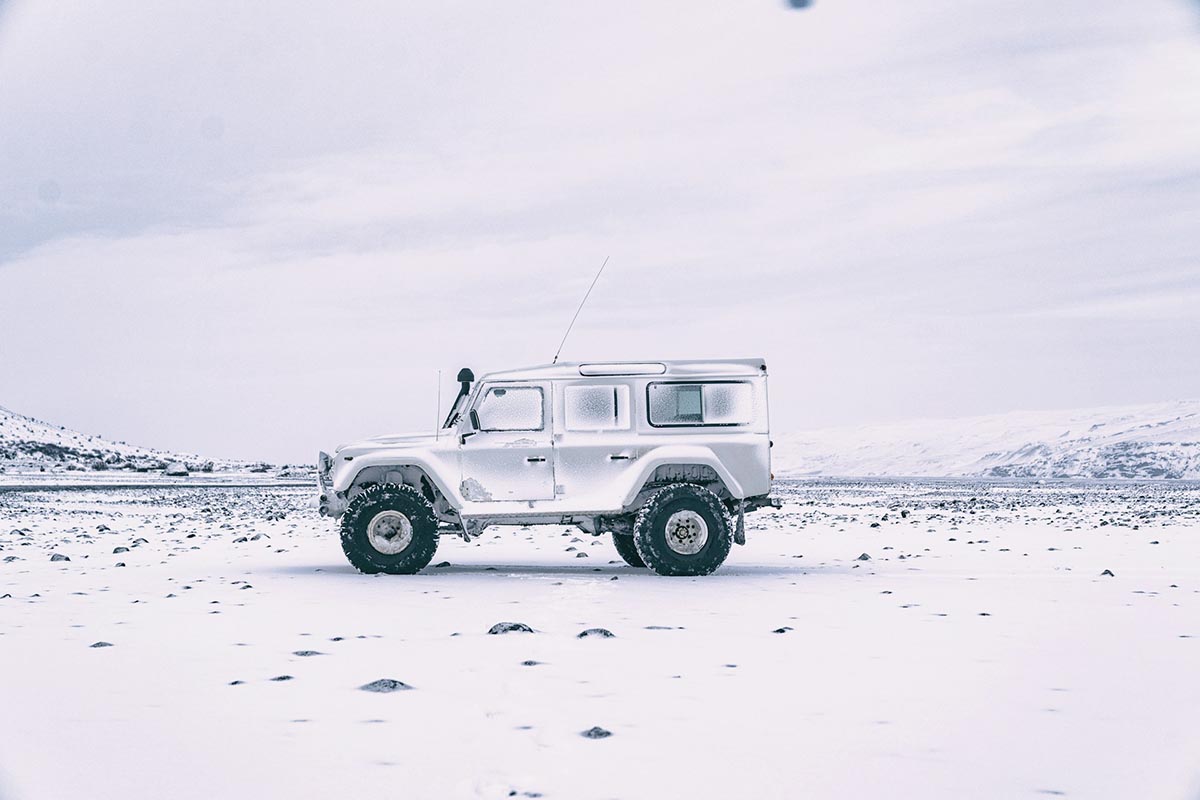
March is still part of the winter driving season in Iceland, so travelers should plan carefully. Main roads are usually well maintained, but smaller roads and mountain roads can be closed or hard to drive on. Winter tires are required, and the weather can change very fast. Strong wind can be just as difficult as snow or ice. If you are traveling to Iceland in March and thinking about renting a car or using car rentals for a road trip, it is important to check daily road and weather updates and stay flexible. For some travelers, guided tours are a safer and easier option, especially for longer distances and remote areas. When planning a trip and exploring Iceland, March is a great time to visit Iceland if you prepare well, whether you choose tours, a rental car, or popular stops like the Blue Lagoon.
What to Wear in Iceland in March
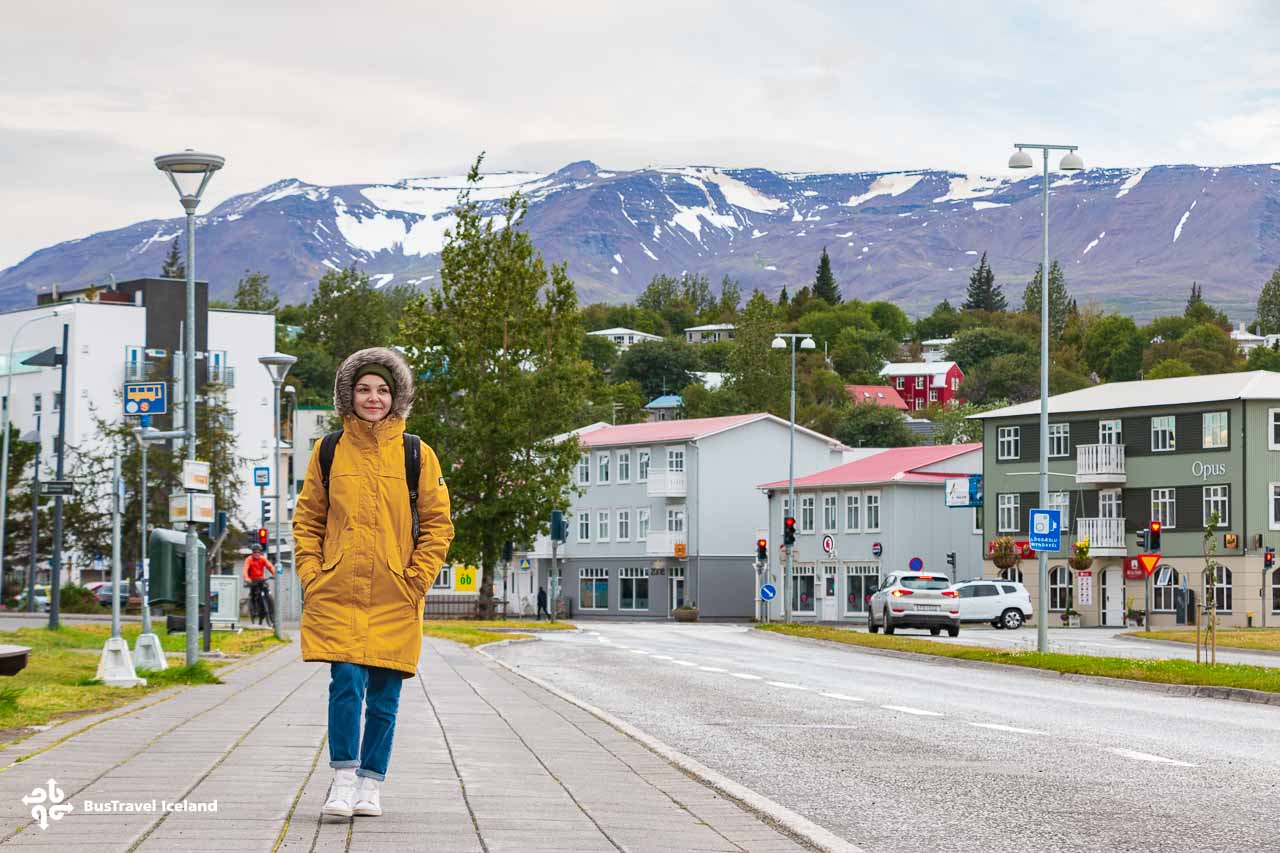
Knowing what to wear in Iceland in March is very important. Comfort depends more on wearing the right layers than on heavy winter clothes. March is still winter in Iceland, but it is easier than the coldest winter months. Wind and changing weather are more common than extreme cold, so checking weather forecasts and choosing clothes that are easy to add or remove during the day is very important.
The most important part of what to wear in Iceland in March is layering. Base layers are worn close to the skin and help keep your body warm and dry. Mid-layers help keep heat inside your body while still letting you move easily. Outer layers are very important because they protect you from wind, rain, and snow. A waterproof and windproof jacket is one of the most useful items, because strong wind can make the weather feel colder than expected.
Shoes are also very important in March. Snow, ice, and wet ground are common, even in towns and at popular places. Waterproof hiking boots with good grip help you walk safely and stay warm. Normal shoes or sneakers are not a good choice. Wearing warm wool or thermal socks helps keep your feet dry and comfortable all day.
Accessories help complete your outfit. Gloves, a warm hat, and a scarf protect your face and hands from the cold wind. Sunglasses can be helpful on sunny days, because snow can reflect a lot of light. Wearing the right clothes makes it much easier to enjoy Iceland’s nature without feeling cold or uncomfortable.

What to Pack for Iceland in March
Deciding what to pack for Iceland in March is not only about clothes. It is also about being ready for outdoor weather and spending time outside every day. Weather can change quickly, so a simple but well-planned packing list can make your trip much more comfortable, especially if you visit different areas of the country.
Besides warm layers, what to pack for Iceland in March should include a swimsuit, because hot springs and geothermal pools are popular all year. Moisturizer and lip balm are also important, as cold air and wind can dry your skin. A reusable water bottle is useful because tap water in Iceland is clean and safe to drink. A small backpack helps you carry extra clothes, snacks, and personal items while sightseeing.
If you plan to drive yourself or join long tours, flexible clothing is very helpful. You often move between warm cars and cold outdoor places. In general, knowing what to pack for Iceland in March is about being flexible, not bringing too many things. With the right basics, you can stay comfortable and enjoy Iceland’s changing weather and beautiful nature.
Should I Visit Iceland in March? Is It Worth It?
It is worth visiting Iceland in March if you like beautiful nature and fewer tourists. The country still looks very wintery, with snow and dramatic landscapes, but traveling is easier than in the middle of winter. Hotels and tours are usually cheaper than in summer, and popular places are much less crowded. March has a good mix of darkness and daylight, so visitors can enjoy Northern Lights at night and sightseeing during the day. This makes March a good choice for travelers who want amazing scenery without large crowds.