




How to Find the Northern Lights in Iceland – the Bz Value
- Northern Lights
- 10 Dec 2025
If you’ve ever dreamed of witnessing the magical Northern Lights in Iceland, understanding the right conditions can make all the difference. In this guide, we’ll explain the Bz value, a key factor in predicting aurora activity, and how it influences the chances of seeing the lights. We’ll also touch on other important indices commonly used in Northern Lights forecasts, helping you plan your adventure with a higher likelihood of catching this breathtaking natural phenomenon.
Understanding the Bz Value
When people talk about the Northern Lights, you may hear them mention the “Bz value.” It sounds technical, but the idea is simple:
The Bz value measures the direction of the magnetic field coming from the Sun as it reaches Earth.Think of Earth’s magnetic field like a door.The Bz value tells us whether that door is closed or open for the aurora to come through.
What do the numbers in Bz Value mean?
- Bz North (+ value) → The “door” is mostly closed. The lights can still appear, but it’s harder.
- Bz South (– value) → The “door” is open. This lets charged particles enter Earth’s atmosphere and creates stronger, more visible Northern Lights.
The magic number to look for:
- A Bz of –2 or lower (e.g., –3, –5, –10) greatly increases your chance of seeing bright auroras.
- The more negative the number, the better the show can be.

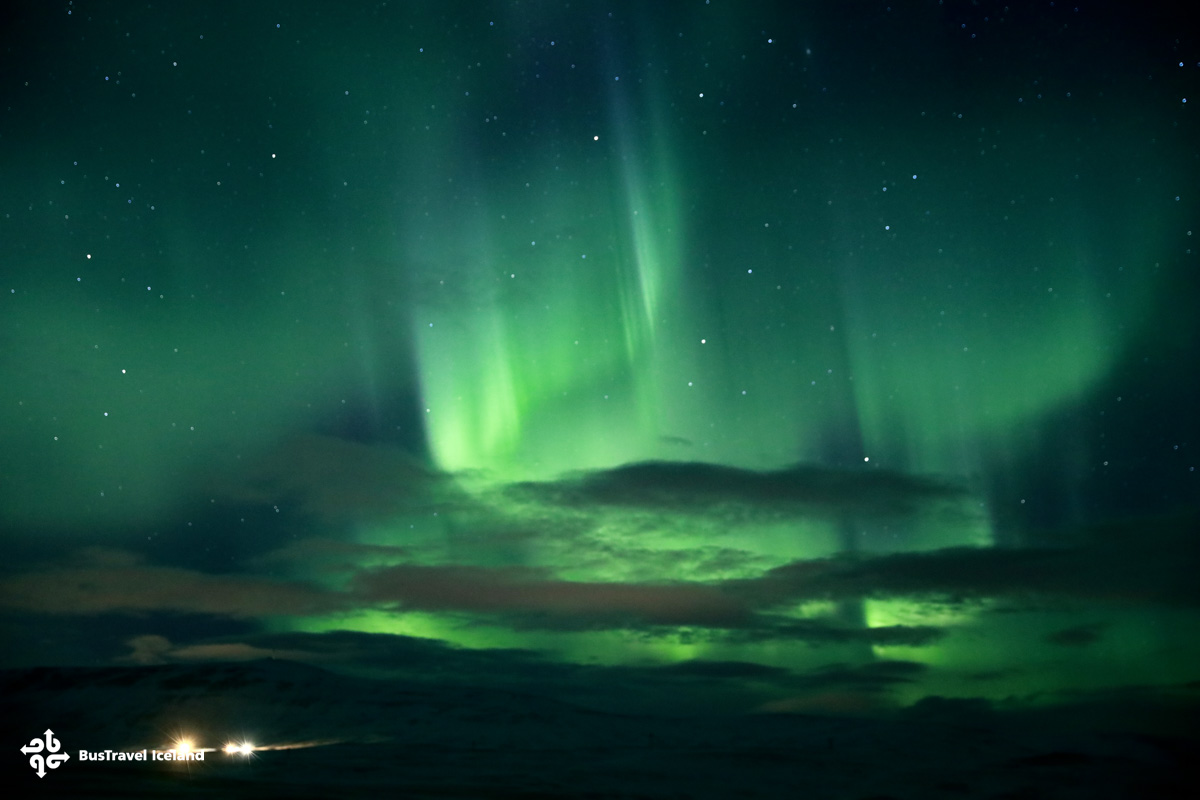
What Makes the Northern Lights Appear?
To see the aurora, you need:
- Dark skies (far from city lights and light pollution)
- Clear weather (no thick clouds)
- Solar activity — measured partly by the Bz value
- A bit of patience and luck
Even with a perfect forecast, the lights can fade or suddenly explode with color within minutes.

Why the Bz Value Matters
The Bz is like a gatekeeper. When the Bz tilts south (negative), it connects better with Earth’s magnetic field. This connection lets energy flow into the atmosphere and ignites the aurora.
- Bz –2 to –5 → Good chance
- Bz –5 to –10 → Very good chance
- Bz below –10 → Potential for strong, fast-moving, colorful auroras
If everything else (clouds, darkness) is right, a negative Bz can turn an ordinary night into a spectacular one.
How to Check the Bz Value When You Are in Iceland
Many Northern Lights apps and websites show the Bz in real time. Look for:
- “Bz”
- “IMF Bz”
- Sometimes under “solar wind conditions”
We don’t need to understand the science — just look for a negative number.
How to See the Northern Lights in Iceland – When and Where to Go
Best months: Late September to early April, with December and January often being especially good due to the longer hours of darkness.
Best time of night: 9 pm – 2 am (but can happen anytime it’s dark)
Best places:
- Thingvellir National Park
- Reykjanes Peninsula
- Snæfellsnes
- South Coast (Vík, Jökulsárlón area)
- Westfjords or North Iceland for even darker skies
Tip: If you can see stars, the night sky is clear enough to try.

Quick Checklist for the Northern Lights Hunters
Before you head out, check:
| Condition | What to Look For |
| Clouds | Clear or partly clear sky |
| Darkness | Away from city lights |
| Aurora Forecast | KP can help, but not essential |
| Bz Value | Negative numbers are good |
| Patience | Lights often come in waves |
A Simple Way to Think About It
- Bz is the door.
- Solar wind is the visitor.
Earth’s sky is the house.
If the door opens (negative Bz), the visitor can come in — and the Northern Lights dance overhead.

Why the Bz Value Matters More Than the KP Index in Iceland
Iceland is already far north — you don’t need a high KP.
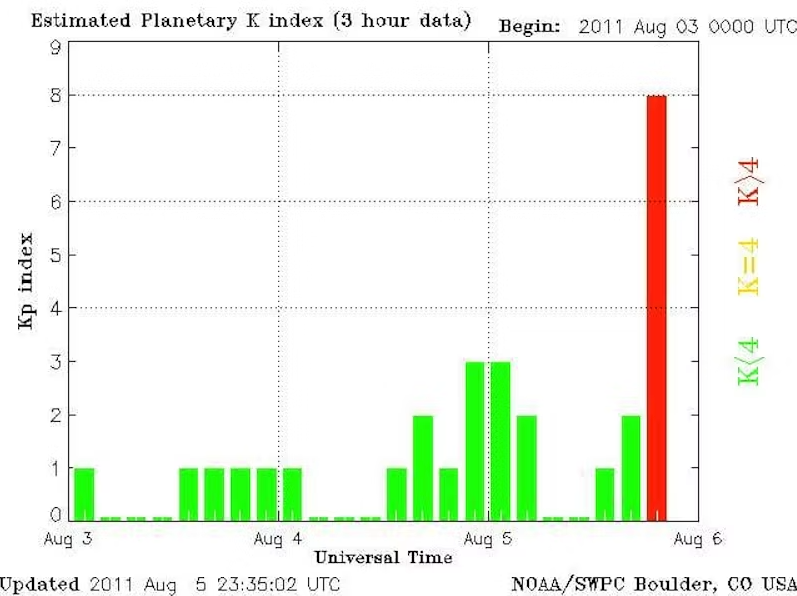
The KP index measures how widespread the aurora is across the globe.
A high KP is needed for lower-latitude countries (like Scotland, Germany, or the northern U.S.) because the aurora must stretch farther south for people there to see it.
But Iceland sits right under the auroral oval — the “home base” of the Northern Lights.
This means:
- You can see auroras with KP 1, 2, or 3 in Iceland.
- Waiting for a high KP (like KP 5 or KP 6) is unnecessary and often leads people to miss shows.
So KP becomes less useful here.
The Bz tells you what’s happening right now, not averaged over hours.
KP is a 3-hour average, which means:
- It updates slowly.
- It can be high after the show is already over.
- It can stay low even when lights suddenly become strong.
The Bz value updates in real time (minute by minute), so it can signal:
- When the aurora is about to start
- When a strong burst may happen
- When the activity is fading
If Bz turns negative, the aurora can brighten within minutes — often faster than KP will ever reflect.

Bz predicts local visibility, not global activity.
KP tells you about overall global geomagnetic disturbance.
Bz tells you about the local magnetic connection above Iceland.
If the Bz goes negative while you’re standing under clear skies, you have an immediate, specific sign that auroras may appear right where you are.

For Iceland’s quick-changing weather, you need fast signals.
Iceland’s cloud cover can shift quickly.
You might have a narrow window of clear sky for 20–40 minutes.
A fast, real-time indicator like Bz helps you decide:
- Should I stay here?
- Is a burst coming soon?
- Do I race to another clear patch?
KP can’t provide that kind of precision.

Many Iceland residents and aurora hunters use Bz as the main metric.
Locals often check:
- Cloud maps and weather forecast
- Solar wind speed
- Bz (most important)
- Then KP only as background info
Because in Iceland, the aurora is usually already overhead — the key question is whether it has enough energy to light up, and that depends heavily on the Bz.
In simple terms, KP tells you how big the storm is everywhere. Bz tells you whether the aurora can shine above your head right now.
In Iceland, that second part is what really matters. This is also one of the major indicators BusTravel Iceland uses to decide if we go out for the Northern Lights hunt.

Why It’s Best to Join Northern Lights Tours
Seeing the Northern Lights in Iceland can be unpredictable, which is why joining a tour is often your best bet. Guides monitor aurora borealis forecasts in real time, including the Bz value, which helps indicate stronger aurora activity. While other indices like the Kp index also matter, interpreting them can be tricky— guided tours and the staff members take the guesswork out of it, bringing you to the optimal viewing spots for an unforgettable experience.