



Guide to Iceland in May
- Iceland by Month
- 22 Apr 2026
Key Takeaways
- Iceland in May is one of the best times to visit if you want a balance between good weather, long daylight hours, and fewer crowds.
- Temperatures are milder than winter, most major roads are open, and you’ll have up to 20 hours of daylight by the end of the month, giving you plenty of time to explore.
- While you’re unlikely to see the Northern Lights, you’ll experience powerful waterfalls, the start of puffin season, and a quieter version of Iceland before the busy summer rush.
- It’s an ideal month for road trips, photography, and outdoor adventures without peak-season prices.
Weather in Iceland in May
The weather in Iceland in May is relatively mild compared to the colder months, but it remains unpredictable, which is part of the country’s charm.
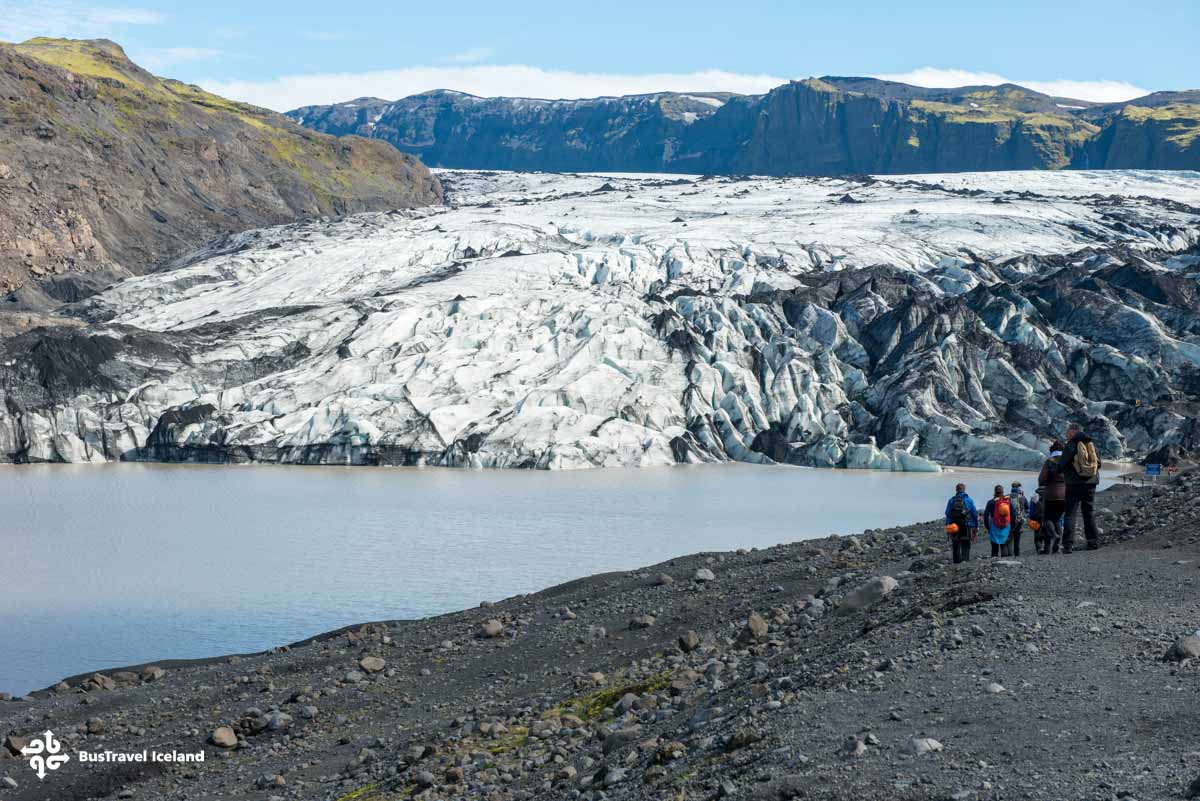
Temperatures typically range from around 4°C to 10°C (39–50°F), and you can expect a mix of sunshine, rain, and occasional wind throughout your trip. While snow has mostly disappeared from the lowlands, mountain peaks remain beautifully dusted, creating dramatic contrasts in the landscape.
This transitional period makes travel easier than in winter while still offering a raw and authentic Icelandic experience.

Daylight Hours in May
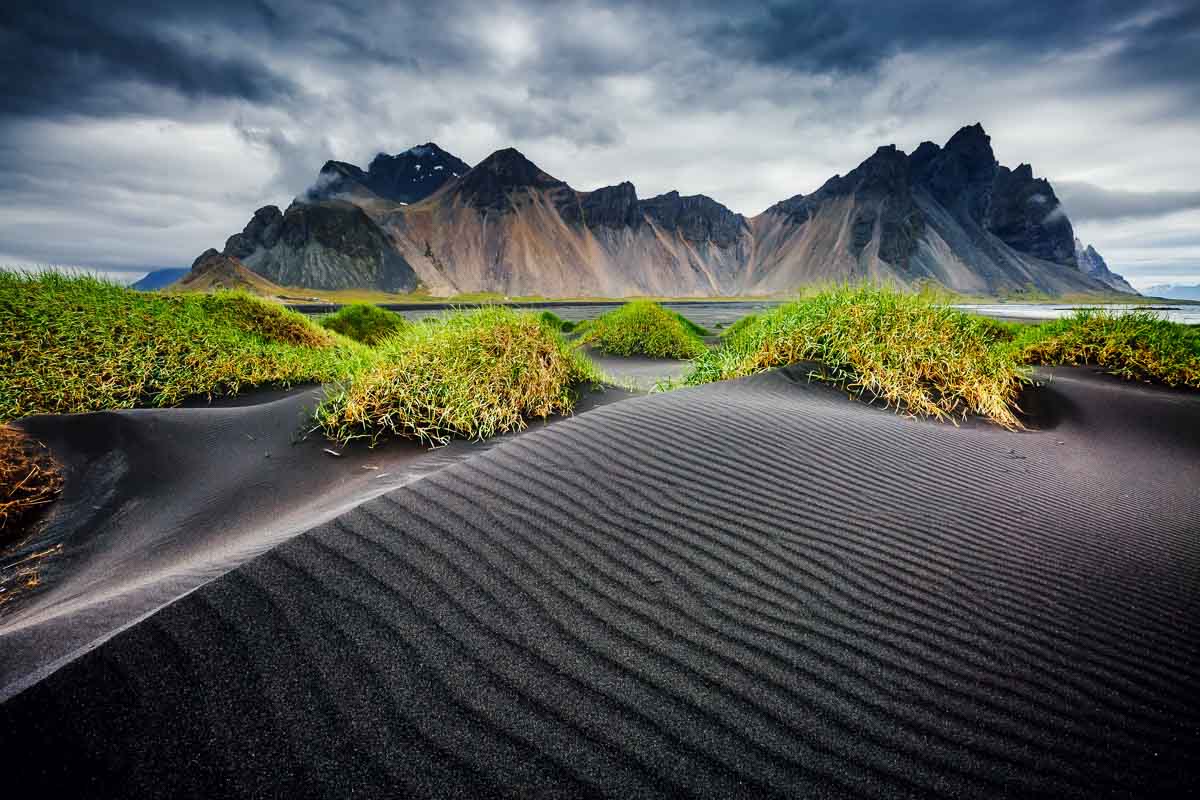
One of the biggest advantages of visiting Iceland in May is the dramatic increase in daylight. At the beginning of the month, you can expect around 16 hours of daylight, which gradually extends to over 20 hours by the end of May. While it’s not quite the midnight sun yet, the long, bright evenings give you far more flexibility to explore waterfalls, black sand beaches, and scenic drives without feeling rushed.
The extended daylight is especially valuable for photographers and travelers planning road trips around the country.
Driving in Iceland in May
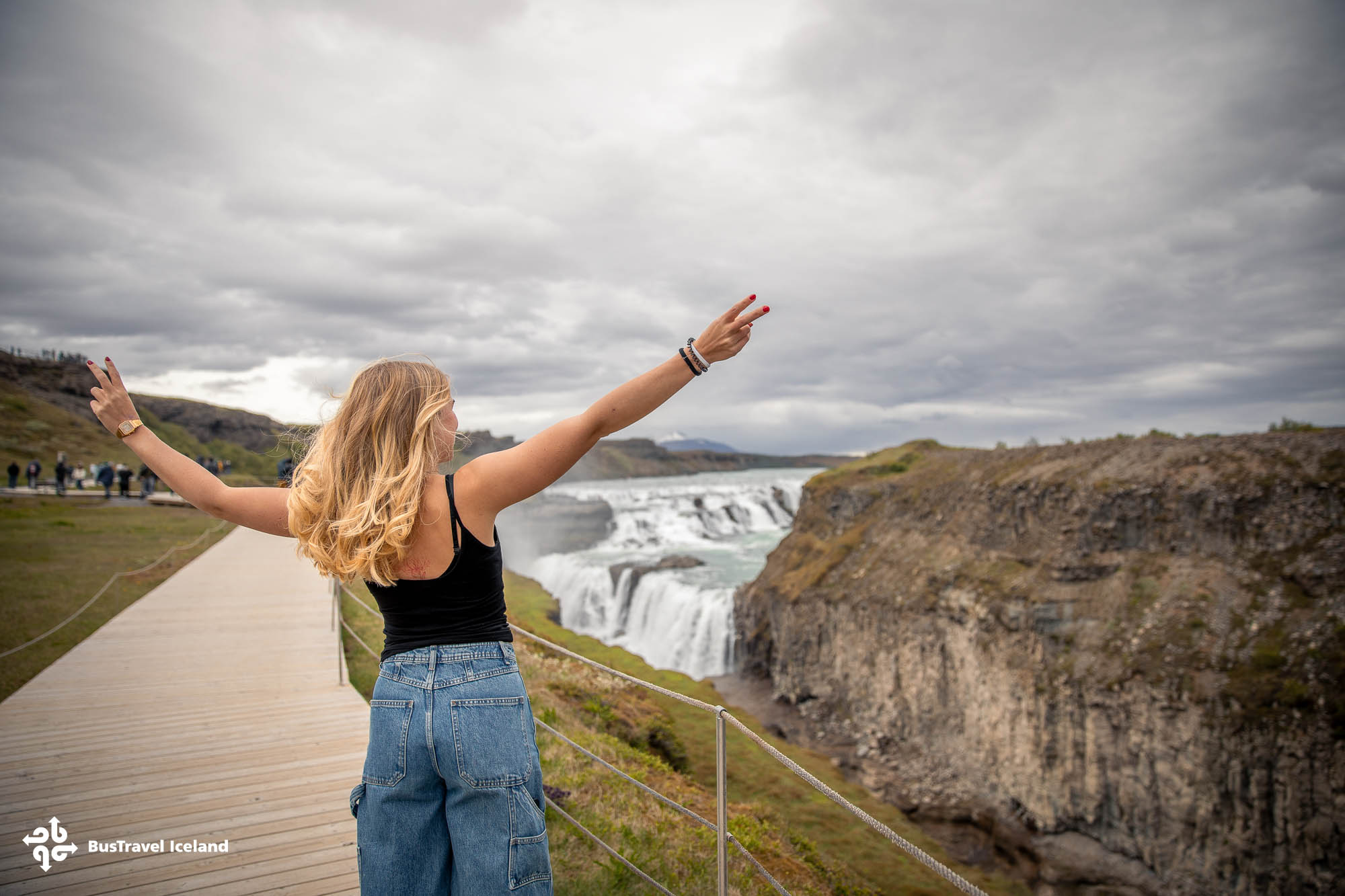
Driving in Iceland during May is generally straightforward and much safer than in winter.
Major routes, including the famous Golden Circle and the South Coast leading toward Vík, are typically fully open and free from snow and ice. This makes it an excellent time for self-drive itineraries. However, the more remote highland roads, known as F-roads, usually remain closed until June or July due to lingering snow and wet conditions.
For most travelers sticking to popular routes, a standard rental car is sufficient, making planning both simple and accessible.

What to Do in Iceland in May
Iceland in May offers a unique combination of accessibility, natural beauty, and seasonal experiences that make it one of the most rewarding times to visit. With long daylight hours, improving weather, and fewer crowds than summer, you can explore the country at a relaxed pace while still experiencing its most iconic highlights.
From scenic road trips to wildlife encounters and geothermal relaxation, May provides a well-balanced Icelandic adventure.
Take a Road Trip Along the South Coast to Glacier Lagoon
One of the best things to do in Iceland in May is to explore the South Coast, a region known for its dramatic landscapes and easy accessibility during this time of year. With roads clear of snow and extended daylight hours, you can comfortably visit multiple landmarks in a single day or spread the journey over several days for a more relaxed experience.
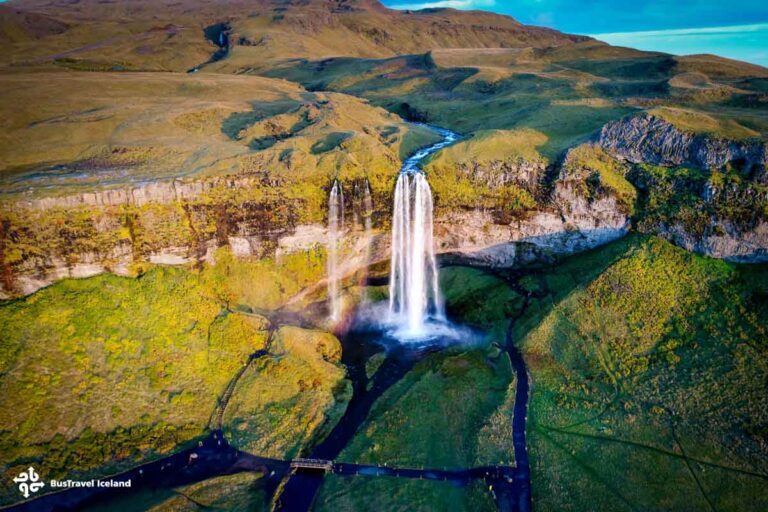
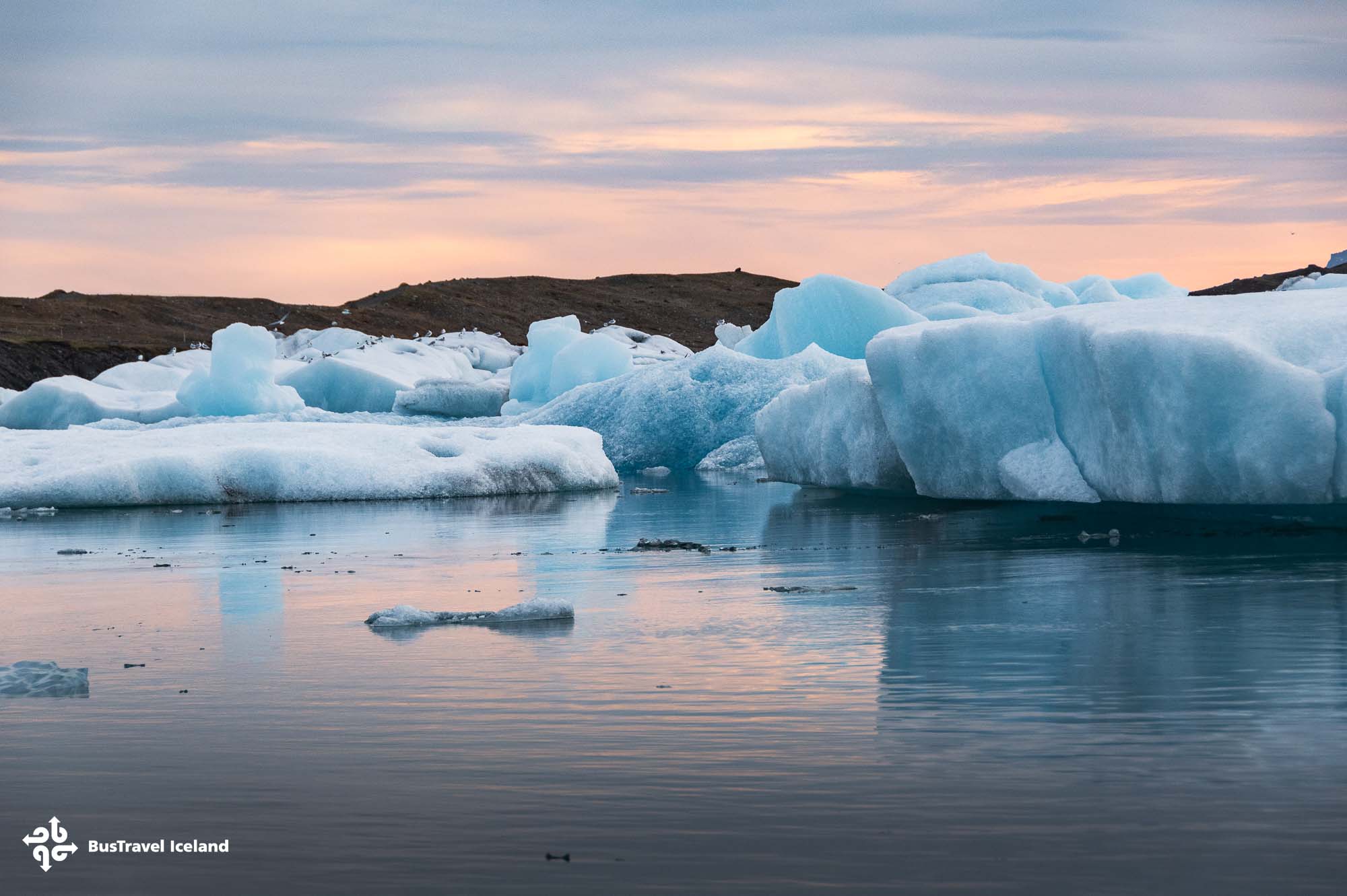
Along this route, you’ll encounter some of Iceland’s most iconic natural sights, starting with waterfalls like Seljalandsfoss, where you can walk behind the cascading water, and Skógafoss, known for its powerful drop and frequent rainbows. As you continue, the landscape shifts toward the dramatic coastline at Reynisfjara, famous for its striking basalt columns and crashing waves, before leading you further east to the breathtaking Jökulsárlón Glacier Lagoon and the nearby Diamond Beach, where ice fragments shimmer against the black sand.
Explore the Golden Circle
The Golden Circle is one of Iceland’s most popular sightseeing routes, and visiting in May allows you to experience it with fewer crowds and more comfortable conditions. With significantly longer daylight hours, you can explore the route at a slower, more relaxed pace, spending more time at each stop without feeling rushed. The milder weather and clearer roads also make the overall experience more enjoyable, especially compared to the harsher winter months. This route combines natural wonders and cultural history, making it ideal for first-time visitors.
At Þingvellir National Park, you can walk between tectonic plates and explore one of Iceland’s most historically significant locations. The geothermal area of Geysir offers a chance to see erupting hot springs, while Gullfoss impresses with its powerful, multi-tiered cascade, which is especially striking during the spring melt when water levels are at their peak.

Experience Puffin Season and Wildlife
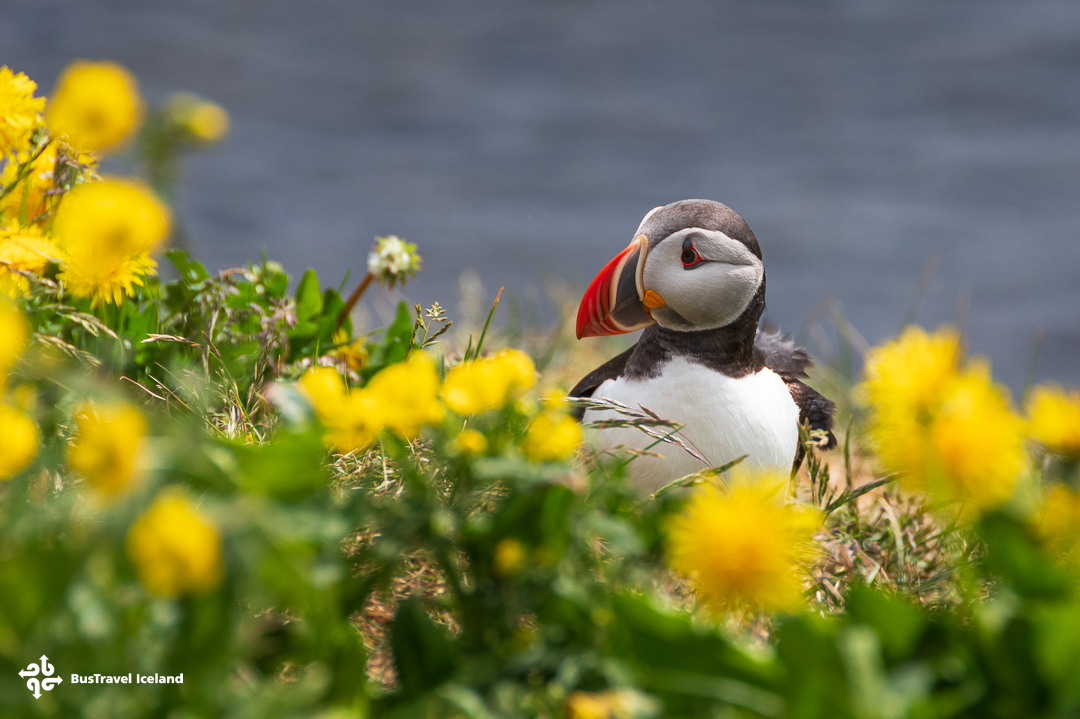
May marks the beginning of puffin season in Iceland, making it one of the best times to observe these iconic seabirds in their natural habitat. Coastal cliffs become active nesting sites, offering excellent viewing opportunities.
You can visit locations such as Dyrhólaey for accessible puffin sightings with sweeping ocean views, or head to Borgarfjörður Eystri, one of the best places in Iceland to see puffins up close thanks to its well-maintained viewing platforms. For a more remote experience, Látrabjarg Cliffs in Westfjords offers one of the largest bird cliffs in Europe.

Visit Waterfalls at Their Most Powerful
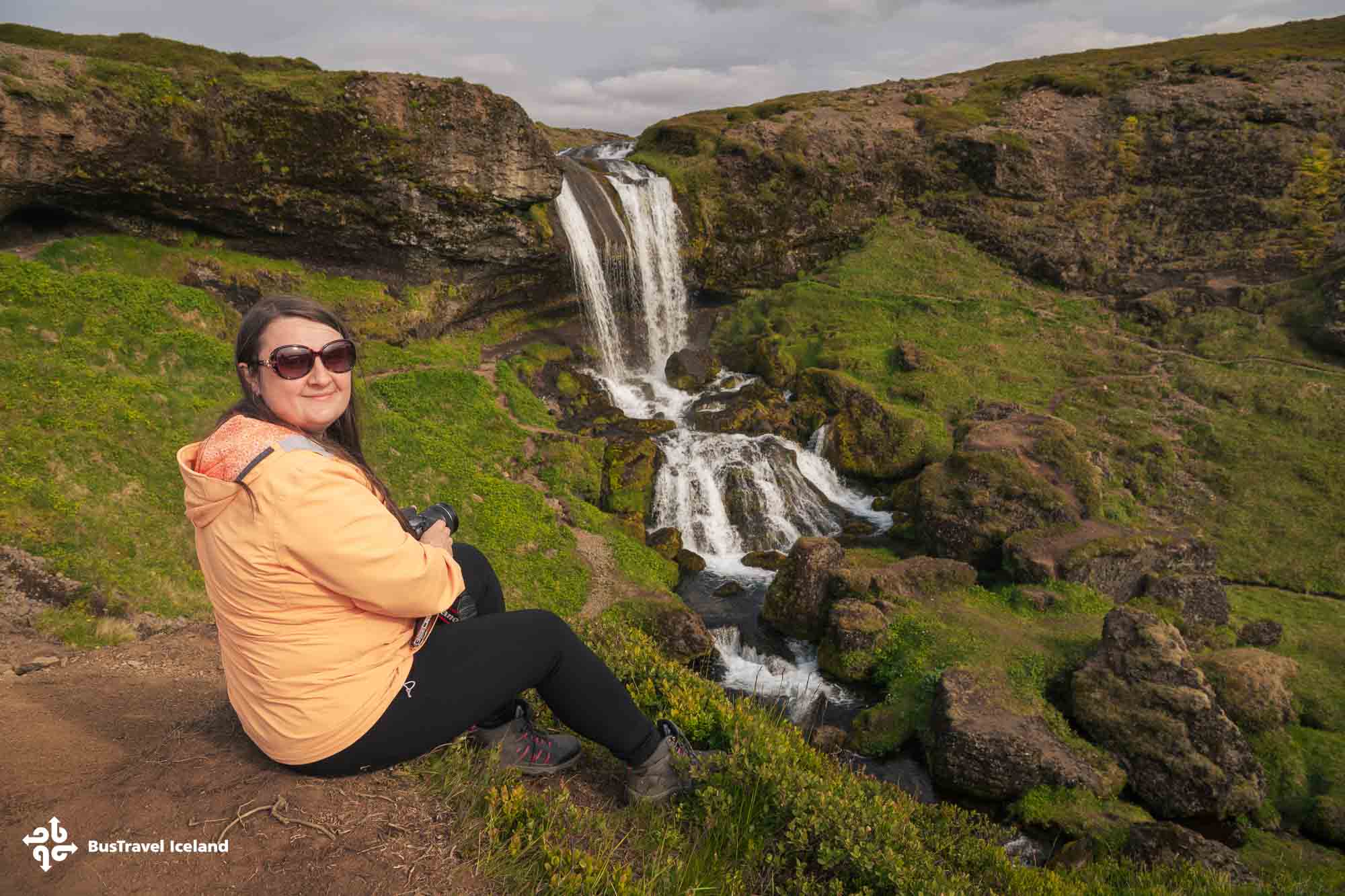
Spring is one of the best times to see Iceland’s waterfalls at peak flow. As snow melts in the highlands, rivers swell and waterfalls become even more dramatic, creating misty, powerful scenes across the landscape.
In addition to the well-known waterfalls, you can explore hidden gems such as Gljúfrabúi, tucked inside a narrow canyon, and Kvernufoss, which offers a quieter and more intimate experience. The extended daylight hours in May make it easy to visit several waterfalls without feeling rushed.

Relax in Geothermal Pools and Hot Springs
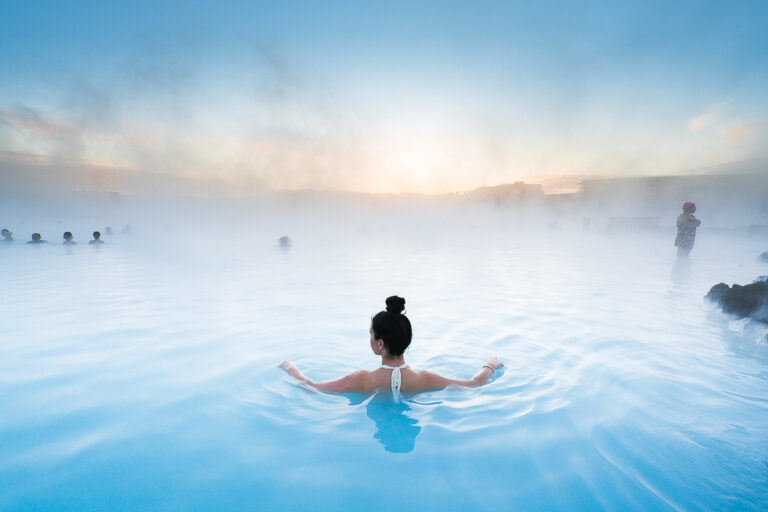
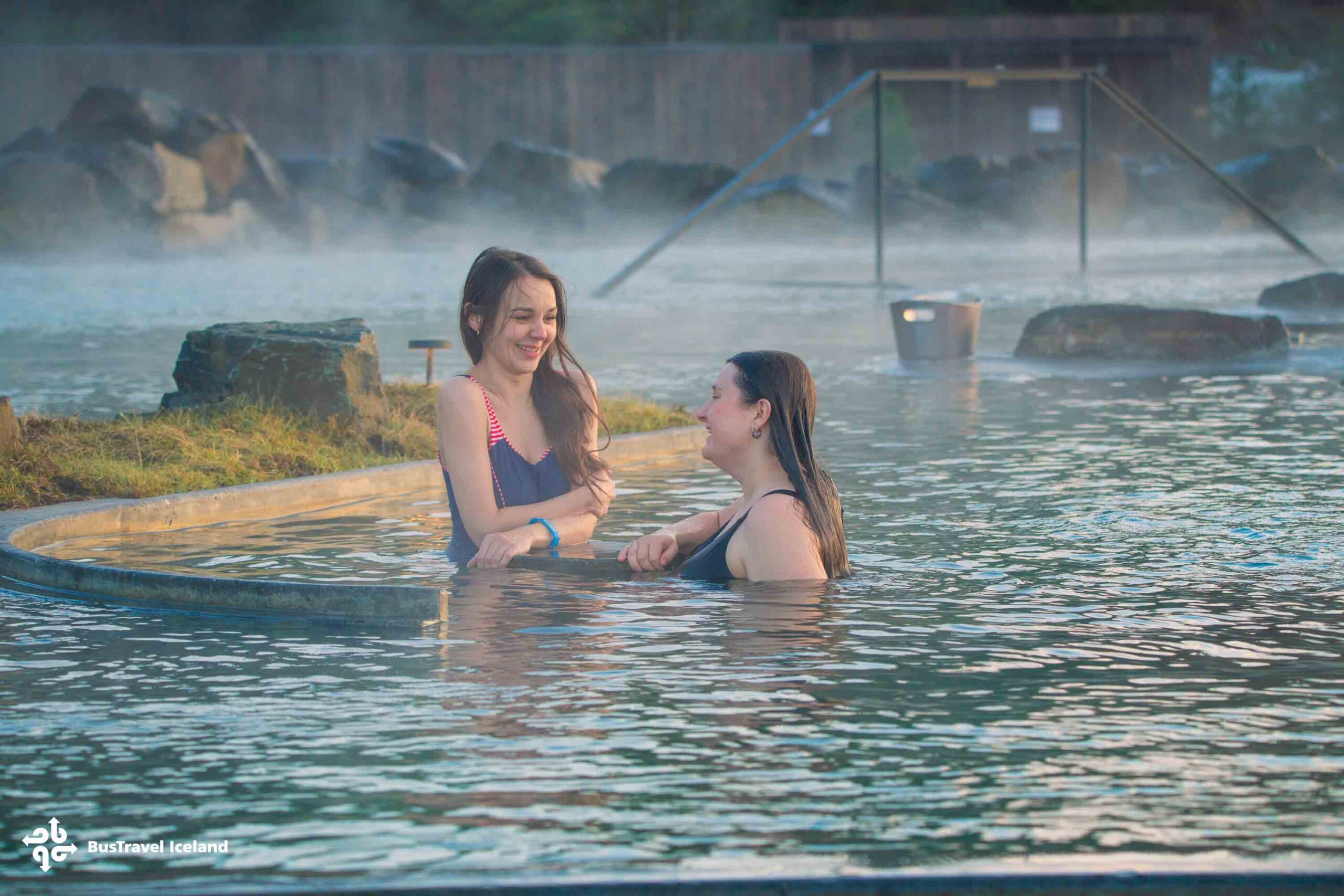
After a day of exploring, relaxing in a geothermal pool is one of the most enjoyable experiences in Iceland. May provides ideal conditions for this, with cool air temperatures that make the warm water feel even more soothing.
The famous Blue Lagoon is a popular choice, but there are also more natural and less crowded options such as Secret Lagoon, Sky Lagoon, Laugaraus Lagoon, and Forest Lagoon in North Iceland, are new members in the geothermal bathing scene in Iceland. For a more adventurous experience, you can hike to Reykjadalur Hot Spring Thermal River, where you can bathe in a naturally heated river surrounded by scenic landscapes.

Go Hiking in Accessible Areas
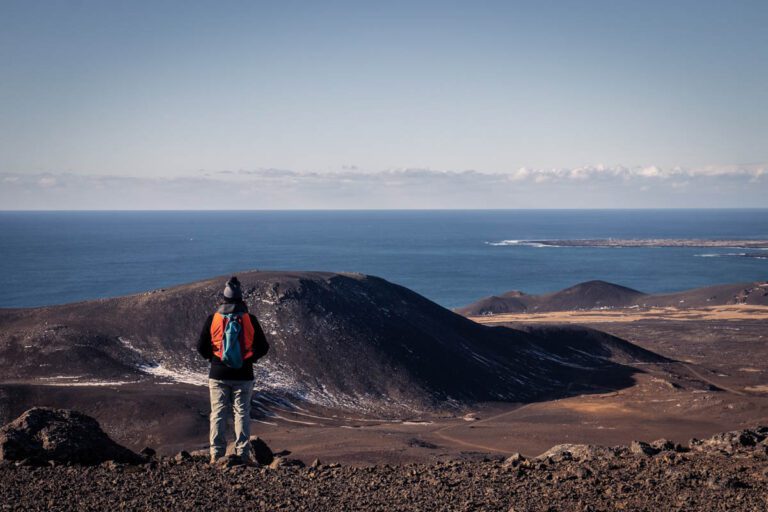
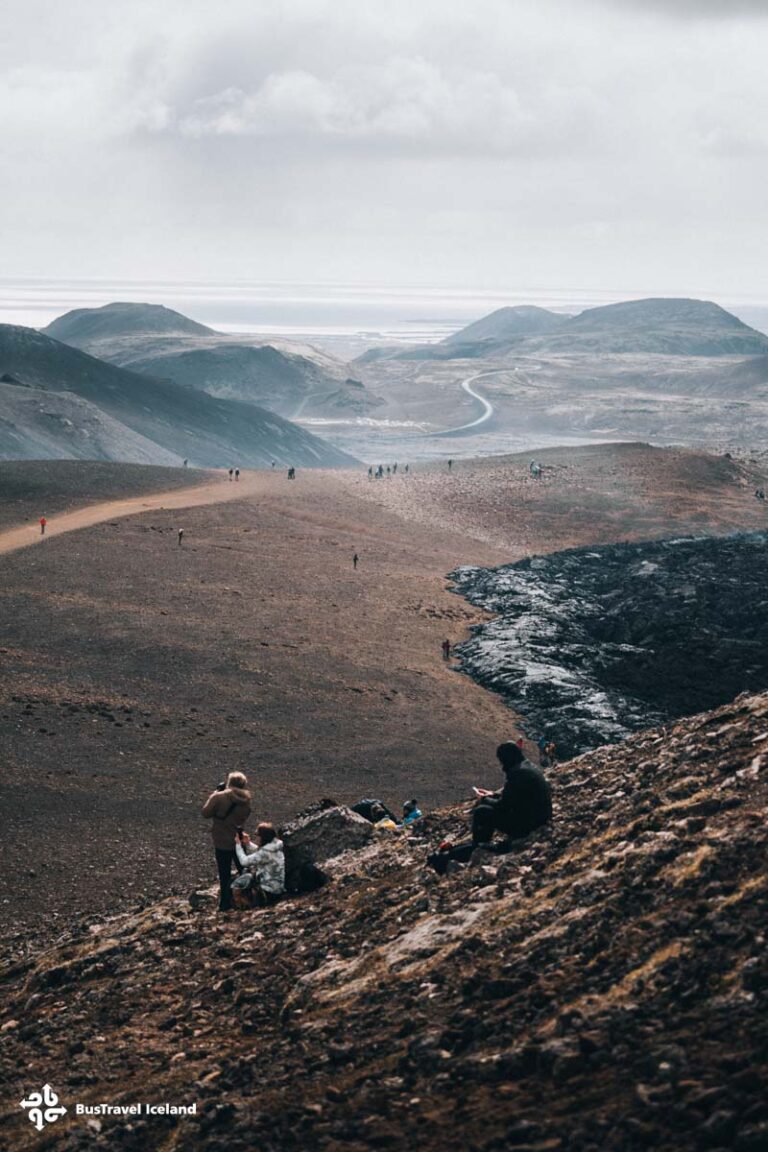
Although the highlands are still mostly closed in May, many lower elevation hiking trails are open and offer stunning views. The spring season brings fresh landscapes, flowing rivers, and fewer crowds, making it a great time for outdoor exploration.
Areas near Reykjavík and along the South Coast provide a variety of hiking options, from coastal walks to scenic valleys. Depending on weather conditions, parts of Þórsmörk may begin to open later in the month, offering access to one of Iceland’s most beautiful hiking regions.

Join a Whale Watching Tour
Whale watching in Iceland becomes increasingly popular in May as ocean conditions improve and marine life becomes more active. Tours departing from Reykjavík and other coastal towns offer the chance to see species such as minke whales, humpbacks, and dolphins.
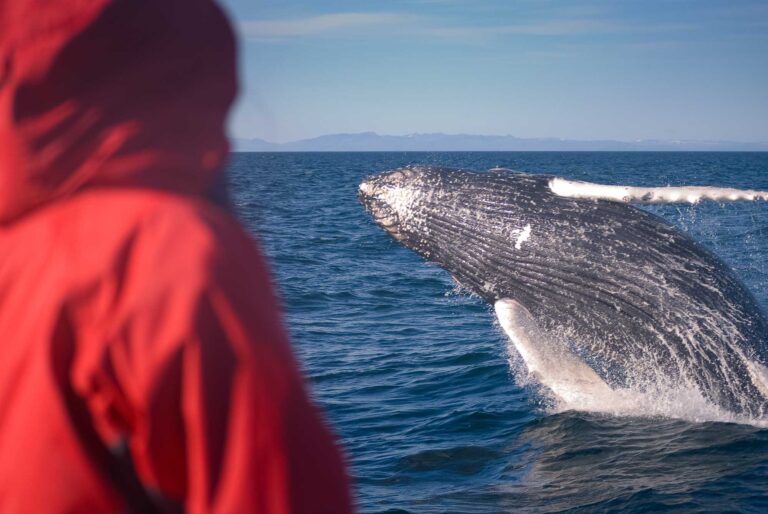
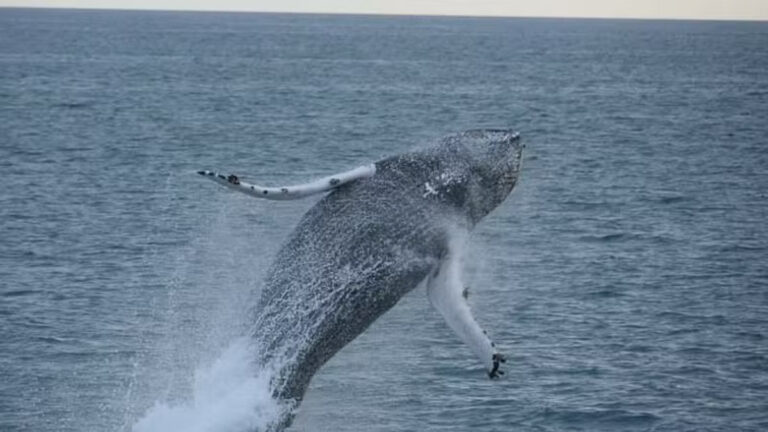
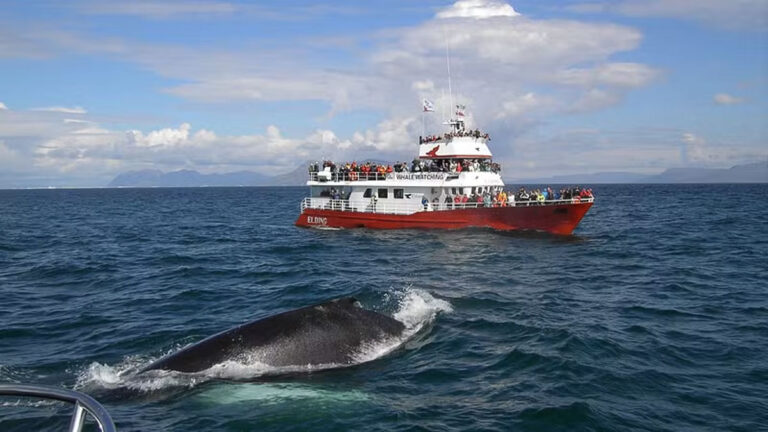
The combination of calmer seas and growing wildlife activity makes May an excellent time to experience Iceland from the water, especially for travelers interested in nature and wildlife.
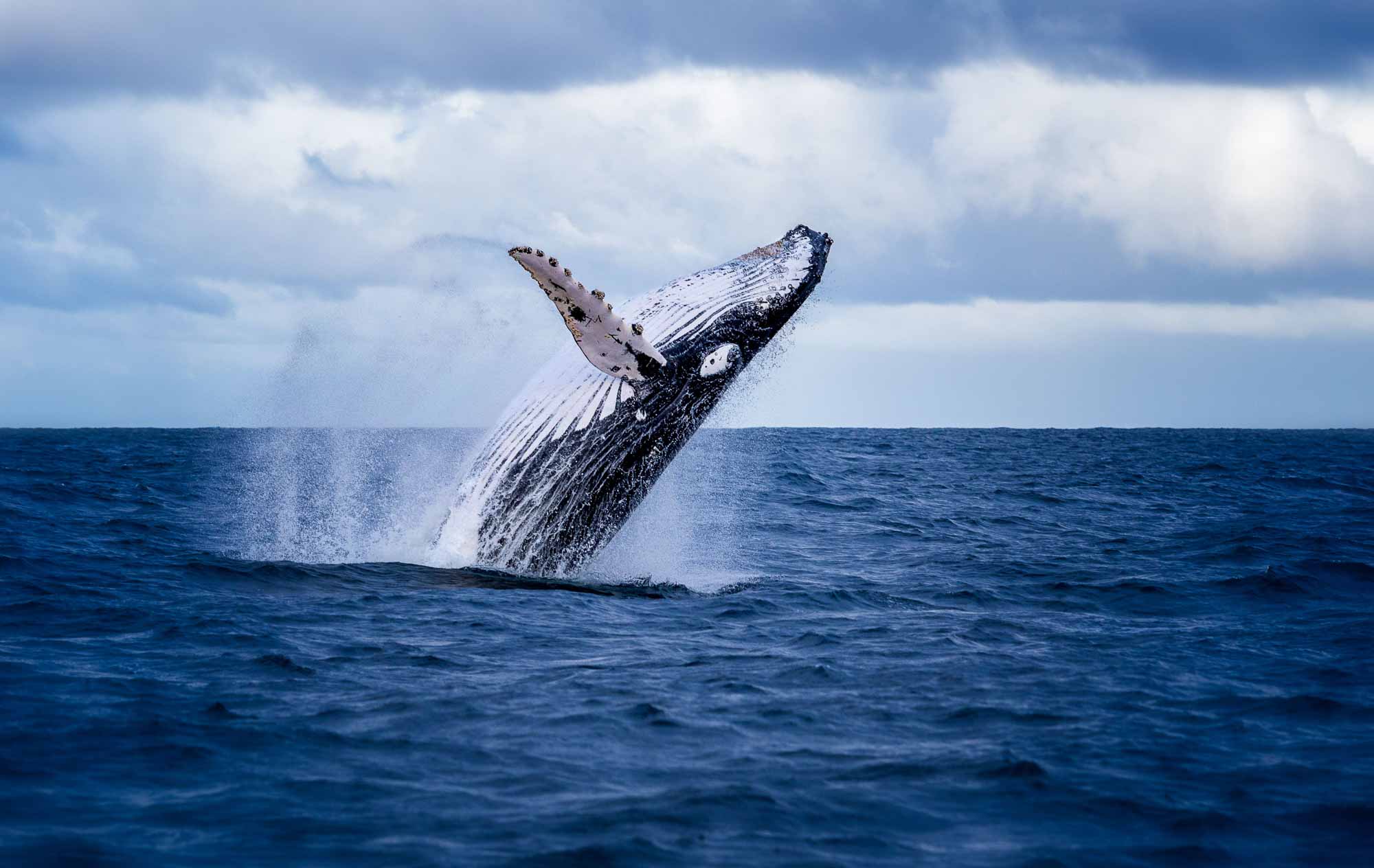
Enjoy Long Daylight for Photography and Exploration
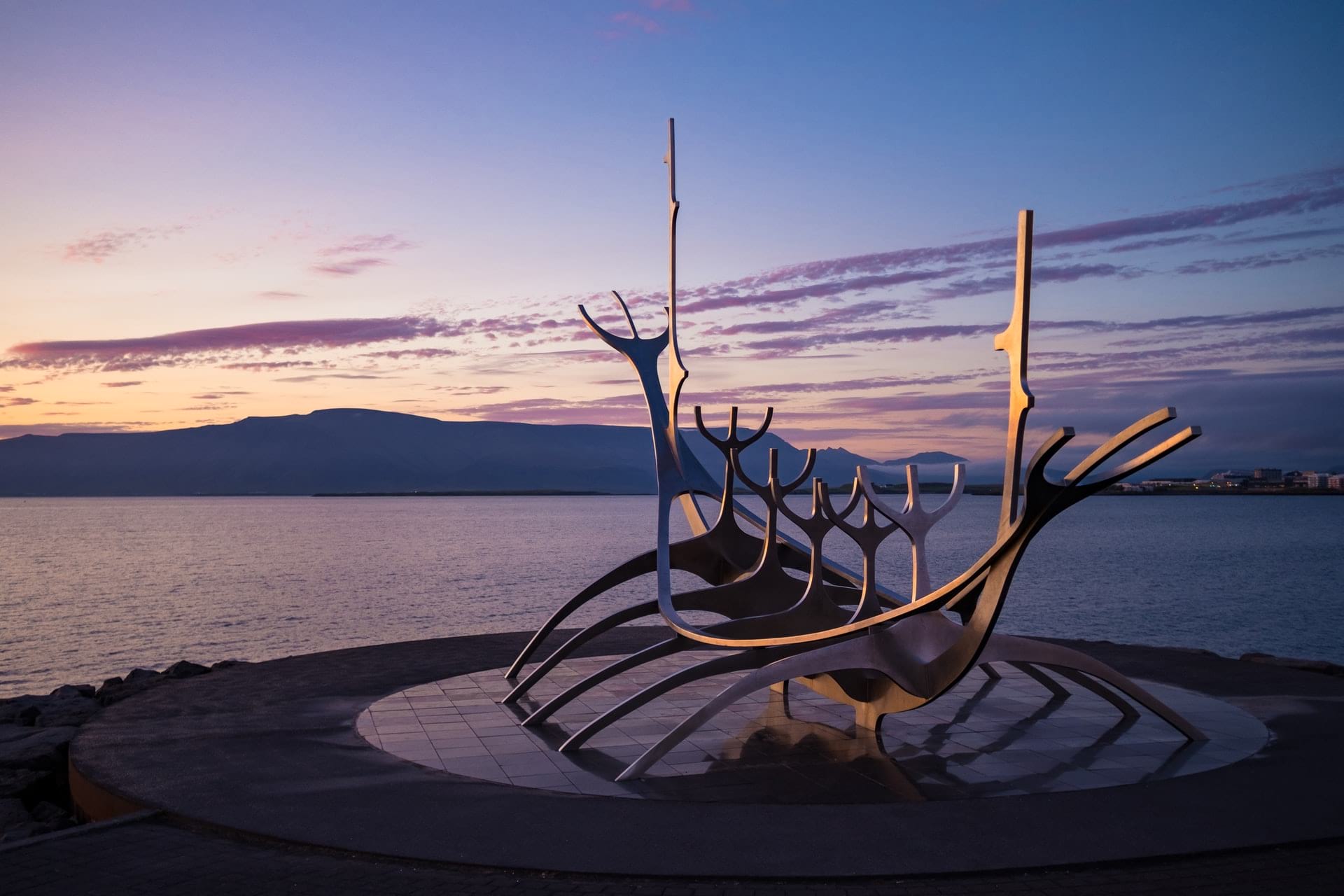
One of the most unique aspects of visiting Iceland in May is the extended daylight. With up to 20 hours of light by the end of the month, you have more time to explore and capture the country’s landscapes in beautiful lighting conditions.
The long golden hours create soft, diffused light that enhances waterfalls, mountains, and coastal scenery. This allows for greater flexibility in planning your days and makes May an ideal time for photography, road trips, and spontaneous exploration.
![Sunset hours at Perlan, Reykjavik. [Photo credit to Yanshu Li]](https://bustravel.is/wp-content/uploads/2024/02/Perlan-in-sunset-hours-Reykjavik.jpg "Perlan in sunset hours Reykjavik [Photo credit to Yanshu Li]")
Nature and Landscapes in May
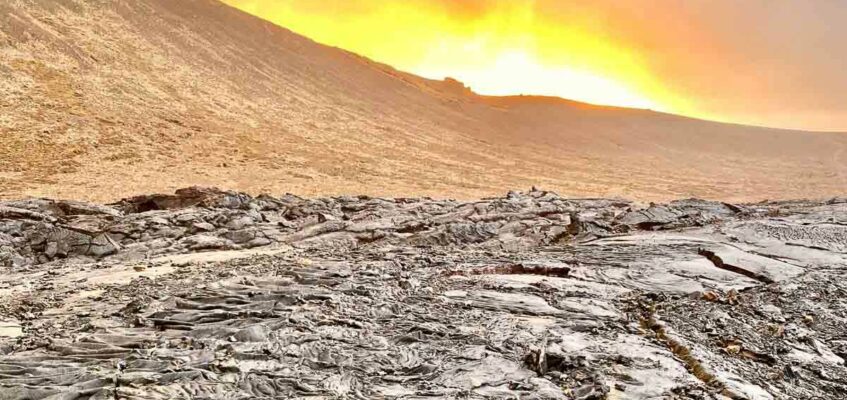
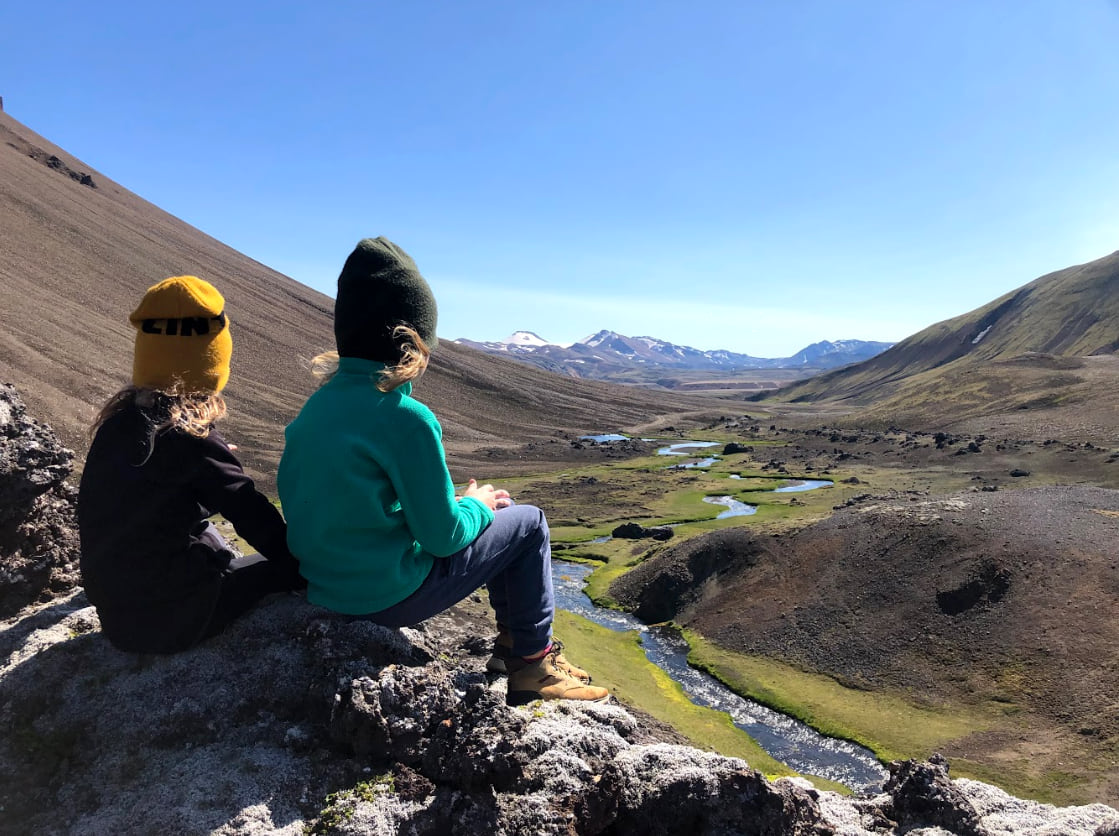
May is when Iceland begins to come alive after the long winter months. The landscapes transition from icy and barren to fresh and vibrant, with green moss reappearing and vegetation slowly returning. Waterfalls are particularly impressive during this time, fueled by melting snow from the highlands, resulting in powerful cascades and mist-filled scenery. While the country hasn’t reached its peak summer greenery, the contrast between lingering snow and emerging plant life creates a uniquely beautiful environment.
Crowds and Prices in May
May sits just before Iceland’s peak tourist season, which makes it an attractive option for travelers looking to avoid large crowds. Popular attractions are noticeably quieter compared to summer, allowing for a more relaxed and immersive experience. At the same time, accommodation and tour prices are beginning to rise, but they have not yet reached their highest levels. This combination of lower crowds and moderate pricing makes May one of the best value months to visit Iceland.
Northern Lights in May
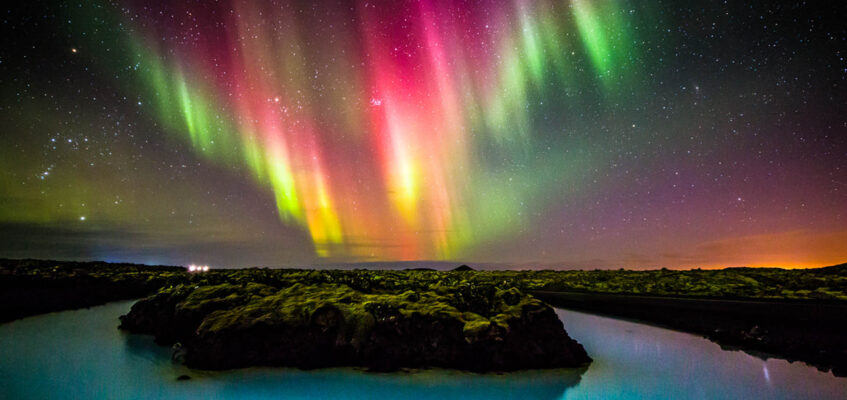
If you’re hoping to see the Northern Lights, May is not the ideal time to visit Iceland.
The extended daylight hours and bright nights make aurora sightings extremely unlikely. While it’s not entirely impossible early in the month, the conditions are generally too bright for visibility. Travelers specifically seeking the Northern Lights should consider visiting between September and March instead.
What to Pack for Iceland in May
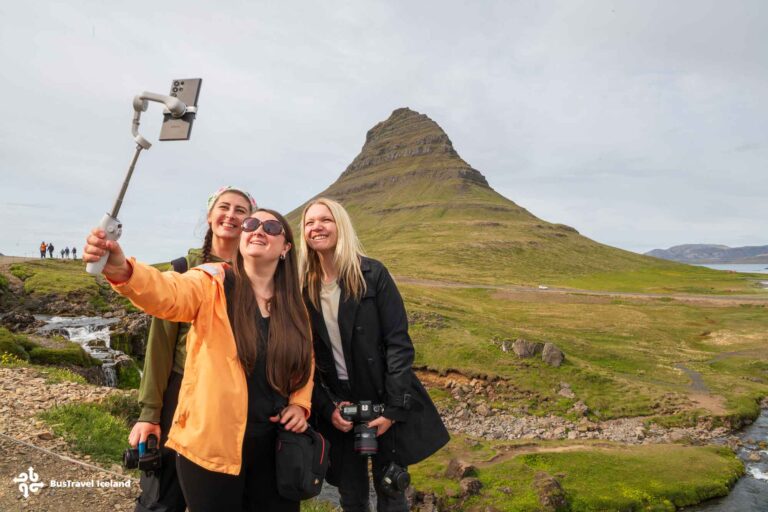
Packing for Iceland in May requires preparation for changing weather conditions. Layering is essential, as temperatures can fluctuate throughout the day. A waterproof jacket is particularly important due to frequent rain and waterfall spray, while warm layers such as fleece or wool will keep you comfortable in cooler temperatures.
Even in May, accessories like gloves and a hat can come in handy, especially in windy areas. Sturdy, waterproof shoes are also recommended for exploring Iceland’s rugged terrain.

Is May a Good Time to Visit Iceland?
May is widely considered one of the best months to visit Iceland, especially for travelers who want a balance of accessibility, natural beauty, and fewer tourists. The long daylight hours allow for extended exploration, road conditions are generally safe, and the landscapes offer a stunning mix of winter remnants and spring renewal. While you won’t have access to the highlands or reliable Northern Lights viewing, the benefits of visiting during this shoulder season far outweigh the limitations for most travelers.

FAQs About Visiting Iceland in May
Is May a good time to visit Iceland?
Yes, May is an excellent time to visit Iceland thanks to longer daylight hours, fewer crowds, and improving weather conditions, making it ideal for road trips and sightseeing.
Can you see the Northern Lights in Iceland in May?
It is very unlikely due to the bright nights and extended daylight, which prevent proper visibility of the aurora.
Is it safe to drive in Iceland in May?
Yes, driving is generally safe in May, especially on main roads like the Golden Circle and South Coast, though highland roads remain closed.
What should I wear in Iceland in May?
You should dress in layers and bring waterproof clothing, warm mid-layers, and sturdy shoes to handle changing weather conditions.
Are puffins in Iceland in May?
Yes, May marks the start of puffin season, and they can be seen at coastal cliffs such as Dyrhólaey, Borgarfjörður eystri, and Látrabjarg Cliffs.