



Top 10 Films Shot in Iceland’s Most Spectacular Locations — and How to Get There
- Good to Know
- 29 Jan 2026
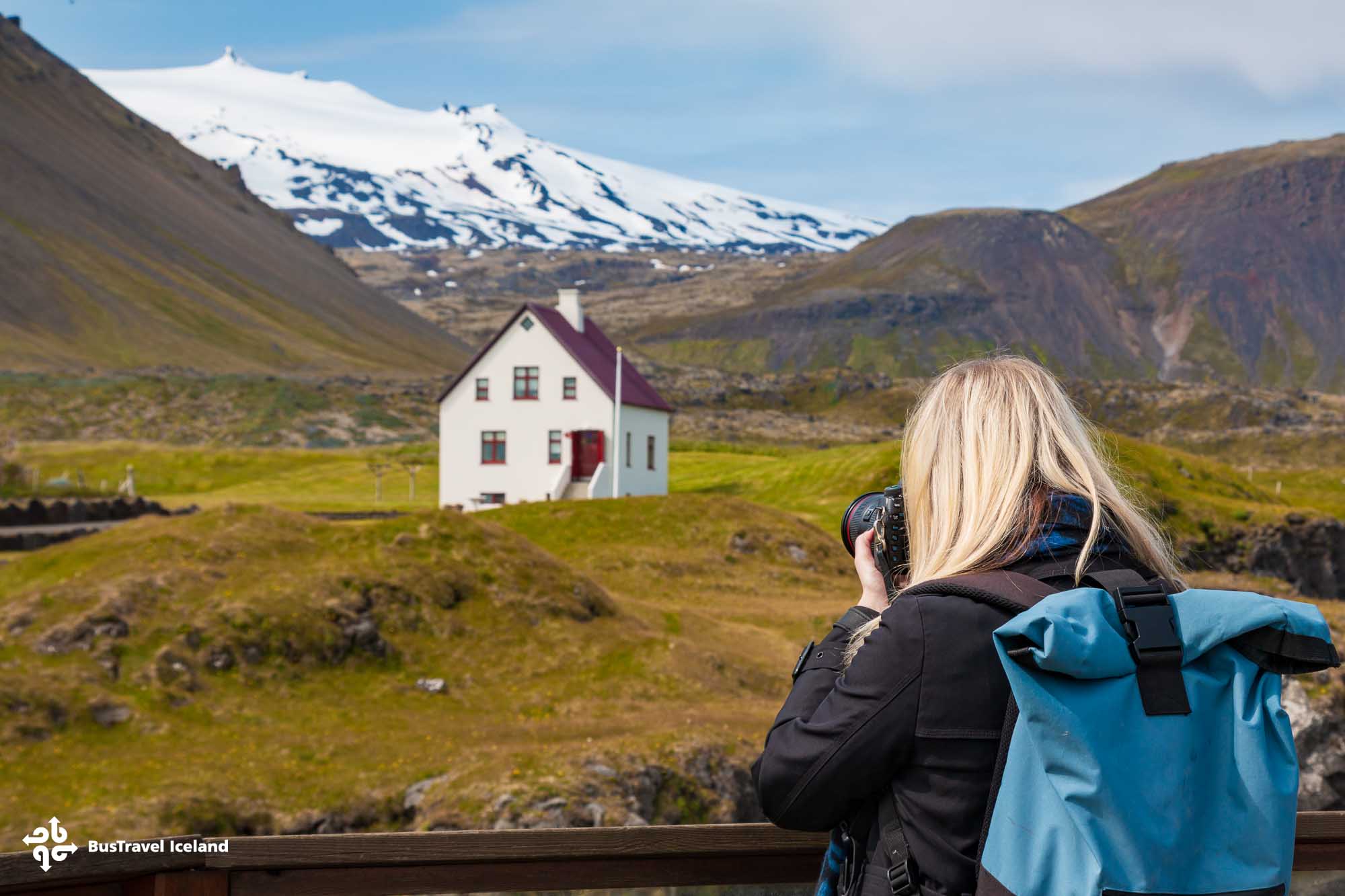
Iceland doesn’t just look cinematic — it feels cinematic. Few places on Earth offer such a dramatic concentration of landscapes, moods, and natural extremes within such a compact area. In a single day, filmmakers can move from steaming lava fields to glacial ice caves, from black-sand beaches to towering waterfalls, from moss-covered highlands to stark Arctic coastlines. The island feels less like one country and more like a catalogue of worlds.
What draws filmmakers here, again and again, is the raw authenticity of the land. Iceland’s scenery doesn’t need heavy visual effects to appear otherworldly or epic — it already is. The terrain carries a sense of scale and solitude that translates powerfully on screen, whether standing in for distant planets, ancient realms, post-apocalyptic futures, or the untouched edges of our own world. Nature is not a backdrop here; it is a character.
Light plays a vital role in shaping Iceland’s cinematic appeal. Endless summer twilights, stark winter contrasts, and ever-changing weather create shifting atmospheres — from misty mountains to snow-swept plains and wide, open skies — each offering a distinct visual mood.
Iceland is also highly practical for filmmaking, with modern infrastructure, experienced local crews, and accessible locations that retain a raw, untouched look. Epic scale is achievable without overwhelming logistics.
Beyond visuals and logistics, Iceland offers something harder to define: a sense of myth. Shaped by fire and ice, ancient stories and elemental forces linger in the land, giving it a timeless, powerful presence.
This is why filmmakers come here — not just to capture scenes, but to let the landscape itself help tell the story.
So where exactly do filmmakers go to capture this magic? Let’s step into ten of Iceland’s most striking filming locations, where the land itself becomes part of the narrative.
1. Stranger Things – Season 5 Finale – 2026 ‧ Science fiction/ Horror/Supernatural drama
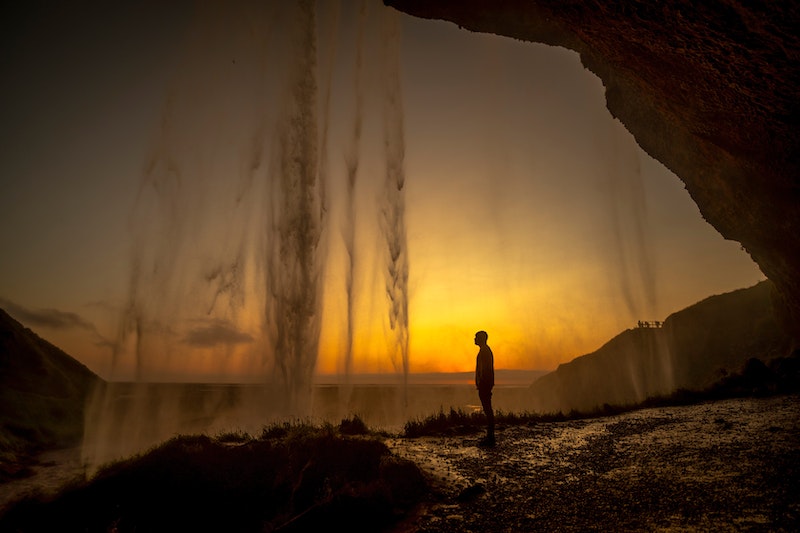
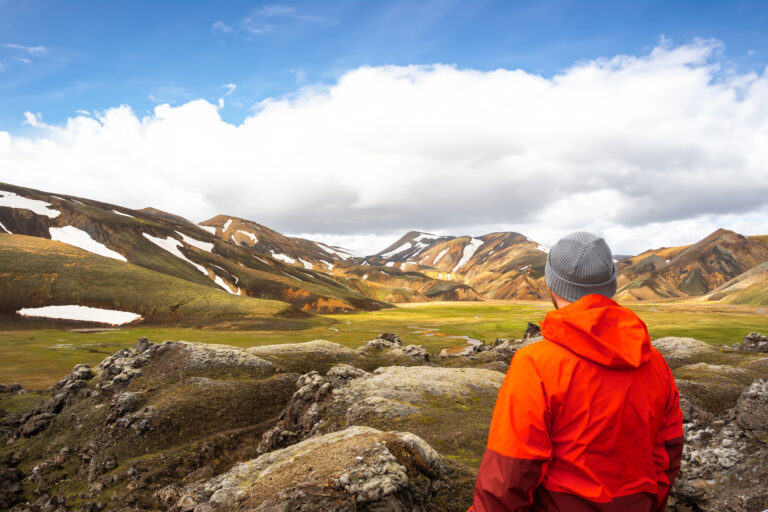
The final waterfall scene of Stranger Things, a series that blends 1980s nostalgia with supernatural horror and coming-of-age drama, was filmed not in a fictional world but in southern Iceland. Over five seasons, the show follows a close-knit group of friends as they confront otherworldly forces leaking into their small town from a parallel dimension known as the Upside Down. In the Season 5 finale, the story closes on a quiet, hopeful note — one rooted in a childhood dream of safety and peace — brought to life in the real-world landscape of Háifoss and its neighboring waterfall, Granni, hidden deep in Iceland’s Þjórsárdalur valley.
Háifoss, meaning “Tall Falls,” drops roughly 122 meters into a narrow gorge, making it one of Iceland’s highest waterfalls. Just meters away, Granni descends more delicately into the same canyon, creating a rare paired composition that feels both dramatic and intimate. The surrounding valley marks the transition between Iceland’s green lowlands and its volcanic highlands — a place shaped by glacial meltwater, ancient eruptions, and long-abandoned settlements, leaving behind a landscape that feels timeless and largely untouched.
How to get to Háifoss waterfall
Reaching Háifoss requires leaving Iceland’s main tourist routes, but access is straightforward in summer. The waterfalls lie about 130 kilometers (80 miles) east of Reykjavík, a drive of roughly 2.5 hours. From the Ring Road, travelers head inland on Route 26, then turn onto Route 32, which becomes a gravel road near the end. A small parking area sits close to the canyon, followed by a short 5–10 minute walk to the main viewpoint. Roads are typically open from late May to September, when snowmelt gives the waterfalls their greatest power and the landscape looks much as it does in the series’ unforgettable final scene.
Join these tours to visit Haifoss and take photos at the iconic place:
![Haifoss waterfall in Landmannalaugar Highlands [Photo by Danni Ardnt]](https://bustravel.is/wp-content/uploads/2025/11/Haifoss-waterfall-in-Landmannalaugar-Highlands-8802.jpg "Haifoss waterfall in Landmannalaugar Highlands-8802")
2. The Midnight Sky – 2020 ‧ Sci-fi/Thriller
The 2020 sci-fi thriller The Midnight Sky tells a quiet, introspective story about isolation and survival at the end of the world. Directed by and starring George Clooney, the film follows Augustine, a lone scientist in the Arctic who races to warn astronauts returning to Earth after a global catastrophe. With long stretches of silence and minimal dialogue, the film relies heavily on landscape to reflect humanity’s fragility and emotional distance from a world that is slowly disappearing.
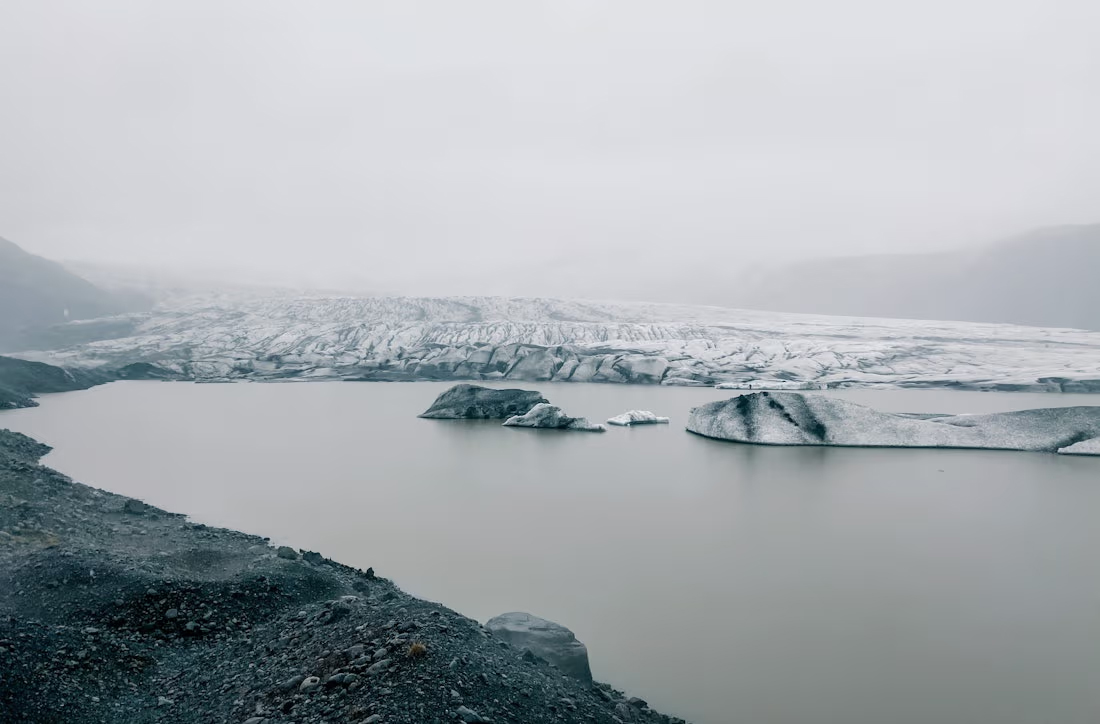
Much of the film’s Arctic setting was brought to life in Iceland, whose sub-Arctic climate and remote terrain closely resemble the far north. Key scenes were filmed at Skálafellsjökull, an outlet glacier flowing from Vatnajökull, the largest ice cap in Europe. Located in southeast Iceland, the glacier’s vast ice fields, deep crevasses, and stark emptiness required little visual enhancement, allowing the production to capture a raw, authentic sense of isolation that mirrors the film’s tone.
Skálafellsjökull lies about 460 kilometers (285 miles) east of Reykjavík and approximately 70 kilometers (43 miles) west of Höfn, making it a relatively accessible stop when traveling through southeast Iceland. The drive from Höfn takes around 1 to 1.5 hours, following Iceland’s Ring Road (Route 1) before turning onto a gravel road leading inland toward the glacier. Road conditions can be uneven and weather-dependent, so a four-wheel-drive vehicle is recommended.

How to get to Skálafellsjökull area
Visitors can reach the area on foot via the Hjallanes–Skálafellsjökull circular hiking trail, an 8-kilometer route starting at the Skálafell car park. With an elevation gain of about 140 meters, the hike is considered challenging, due more to uneven terrain and exposure than steep climbs. The path is unmarked in places, and weather can change quickly, so sturdy hiking boots, windproof layers, and good navigation awareness are essential. While the trail itself does not require glacier travel, hikers should keep a safe distance from the ice edge and avoid venturing onto the glacier without proper equipment or a certified guide.
3. Eurovision Song Contest – 2020 ‧ Comedy/Musical
The 2020 musical comedy Eurovision Song Contest: The Story of Fire Saga is a lighthearted celebration of music, ambition, and national pride. Starring Will Ferrell and Rachel McAdams, the film follows two small-town Icelandic musicians who dream of representing their country at the Eurovision Song Contest. Blending humor with heartfelt moments, the story leans heavily into Icelandic identity, folklore, and the idea of believing in something bigger than yourself.
Much of the film was shot in Iceland, with its most iconic location being the town of Húsavík, which serves as the fictional hometown of Fire Saga. Set on the shores of Skjálfandi Bay in North Iceland, Húsavík is widely known as Iceland’s whale-watching capital, where humpback whales, minke whales, and even blue whales are regularly spotted just offshore. Its colorful harbor, quiet streets, and surrounding mountains provide an authentic backdrop that grounds the film’s exaggerated comedy in a real, deeply local setting. While some large-scale performance scenes were filmed elsewhere in Europe, Húsavík became the emotional heart of the movie — a place where music, community, and the natural world come together.

How to get to Husavik
Húsavík is located in North Iceland, about 460 kilometers (285 miles) from Reykjavík, with a driving time of roughly 6–7 hours via the Ring Road (Route 1). From Akureyri, the region’s main hub, the drive takes about 1 hour east along Route 85. Travelers can also fly domestically from Reykjavík to Akureyri, then continue by car. Once in Húsavík, most filming spots are easily walkable around the harbor and town center, making it one of Iceland’s most accessible and visitor-friendly movie filming locations.
4. Interstellar – 2014 ‧ Sci-fi/Adventure
The 2014 science-fiction epic Interstellar, directed by Christopher Nolan, explores humanity’s fight for survival as Earth becomes increasingly uninhabitable. The story follows a group of astronauts traveling through a wormhole in search of a new home for mankind, blending large-scale cosmic spectacle with deeply personal themes of time, love, and sacrifice. To ground its futuristic vision, the film relies heavily on real landscapes that feel vast, alien, and emotionally overwhelming.
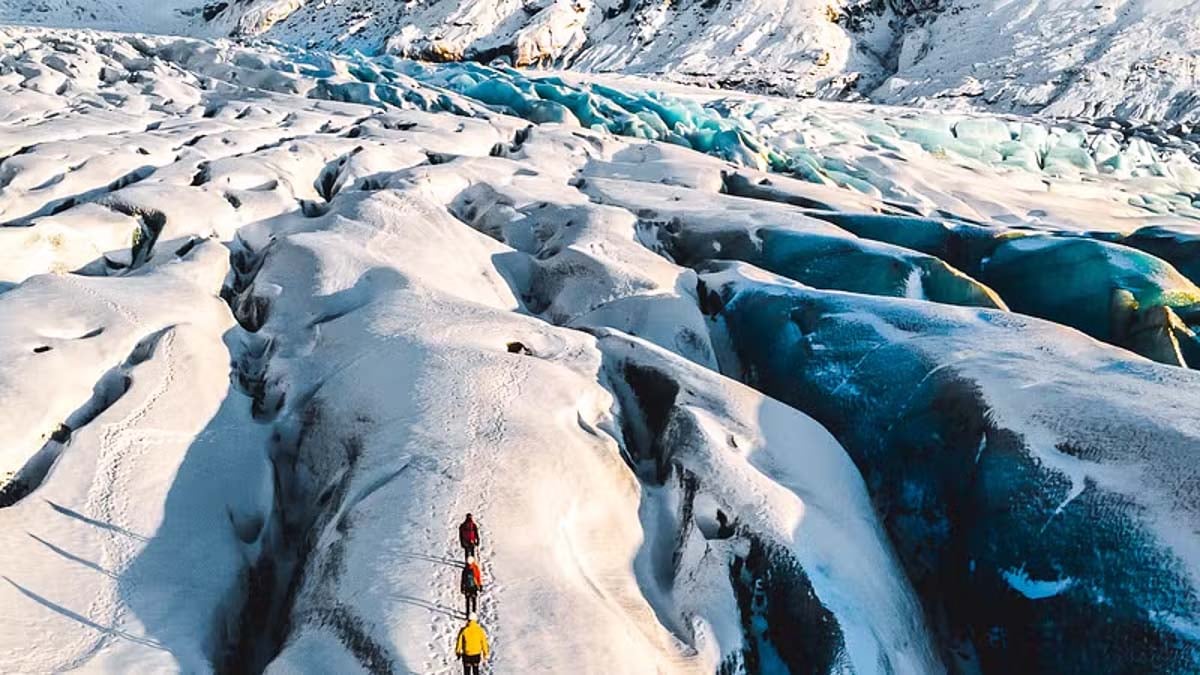
Several key scenes were filmed in Iceland, where extreme terrain stands in for alien planets. The frozen surface of Dr. Mann’s planet was shot at Svínafellsjökull, an outlet glacier of Vatnajökull, whose jagged ice formations create a hostile, otherworldly environment. The film’s iconic water planet, Miller’s Planet, was filmed at Máfabót, a low-lying stretch of land between the open Atlantic Ocean and a river. Frequently flooded and constantly reshaped by tides and runoff, Máfabót’s shallow waters and vast horizons provided a striking real-world stand-in for a planet defined by endless oceans and extreme time dilation.
How to get to Interstellar filming locations in Iceland
Both Interstellar filming locations are reached via Iceland’s Ring Road (Route 1). Svínafellsjökull lies within Vatnajökull National Park, about 330 kilometers (205 miles) east of Reykjavík and roughly 60 kilometers (37 miles) west of Höfn, with a driving time of 4.5–5 hours. A short gravel road leads from Route 1 to the glacier parking area, where marked paths provide safe viewpoints; stepping onto the ice should only be done with a certified guide. Máfabót is located along the south coast just east of Vík and can be reached in 2.5–3 hours from Reykjavík or under 15 minutes from Vík. Access is via an unmarked gravel track off Route 1, and visitors should use caution, as the low-lying area is often flooded and exposed to strong winds and unpredictable waves.
5. Secret Life of Walter Mitty – 2013 ‧ Adventure/Comedy
The 2013 adventure drama The Secret Life of Walter Mitty follows Walter, a quiet daydreamer who finally breaks free from routine to experience the world he has only imagined. Starring and directed by Ben Stiller, the film explores themes of courage, self-discovery, and the transformative power of stepping into the unknown. As Walter’s inner fantasies turn into real journeys, the landscapes themselves become symbols of freedom and possibility.
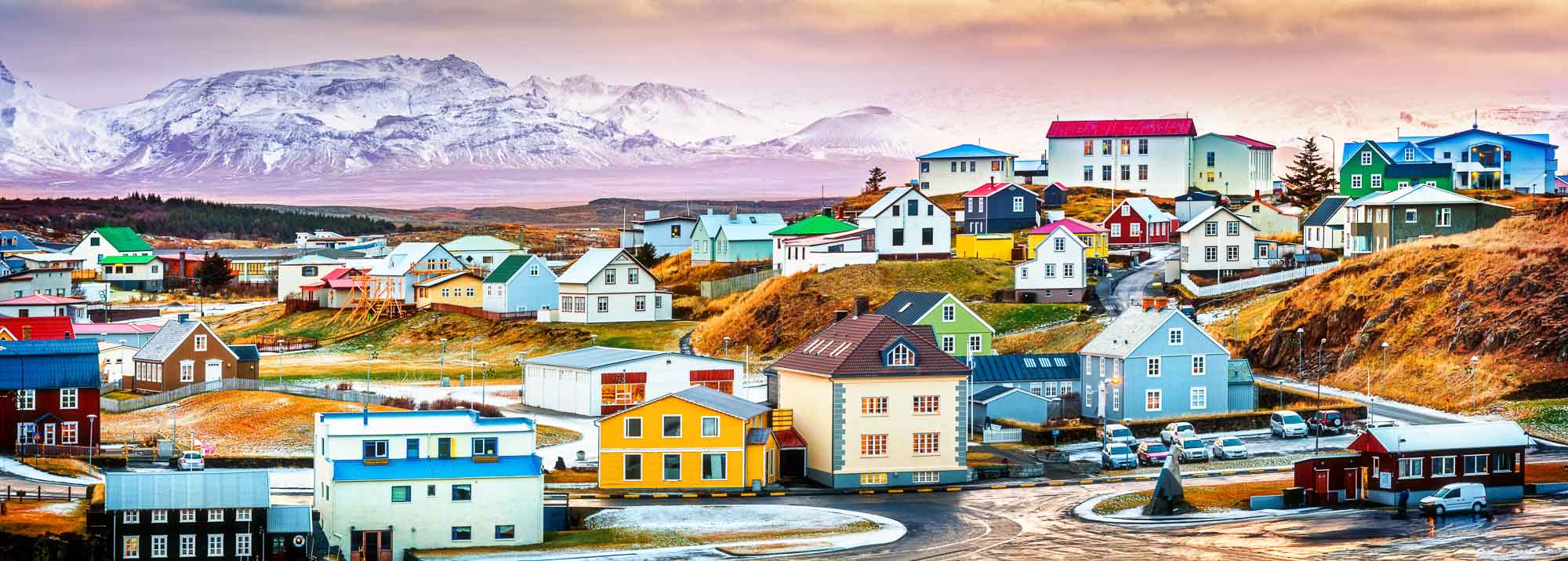
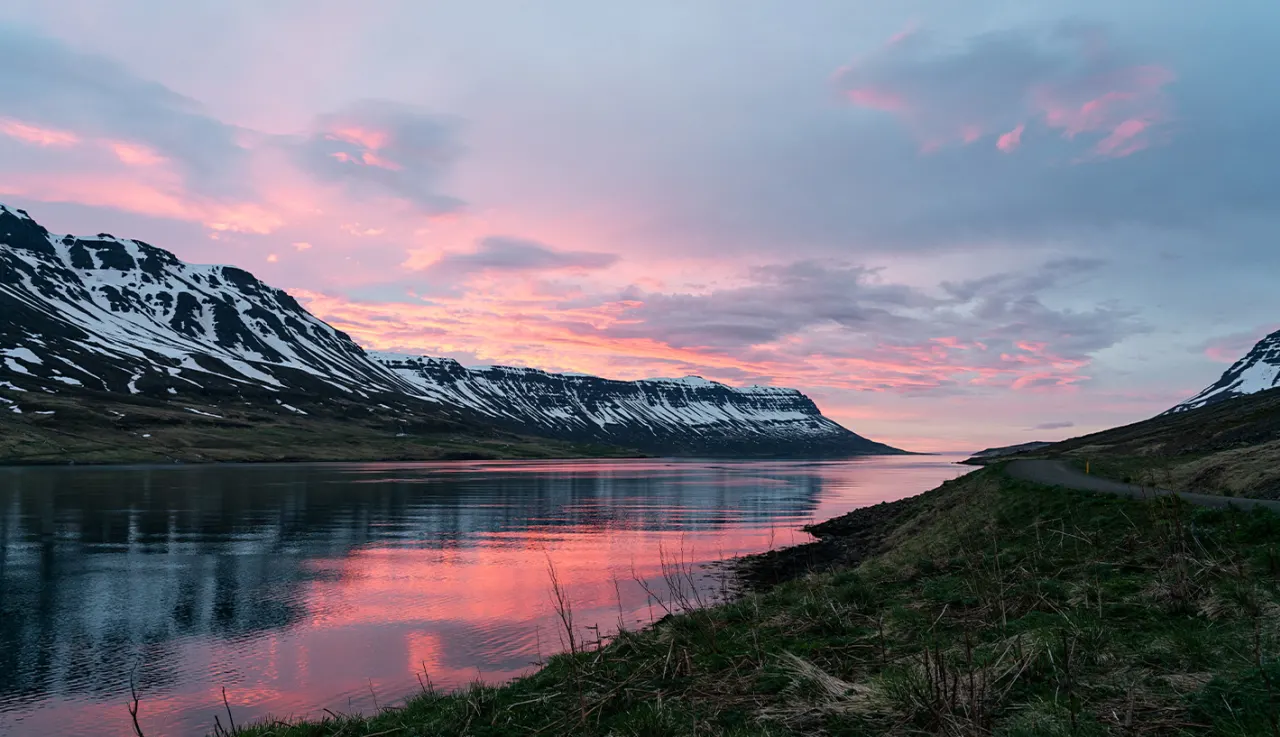
Iceland plays several key roles in the film, standing in for multiple international locations. Skógafoss appears during Walter’s hike, its sheer scale and misty power emphasizing the physical reality of his journey. The iconic longboarding scene was filmed in Seyðisfjörður, on the road descending into the fjord, transforming a quiet mountain pass into one of the film’s most exhilarating moments. Additional scenes were shot in Stykkishólmur, where the harbor and town center doubled as Nuuk, Greenland. The waterfront, ferry dock area, lighthouse, and nearby cafés all appear on screen, grounding Walter’s leap into adventure in a very real Icelandic fishing town.
How to get to the iconic locations in Secret Life of Walter Mitty
All three locations are accessible by road, though they span different regions of the country. Skógafoss is located along Iceland’s south coast, about 150 kilometers (93 miles) east of Reykjavík, and can be reached in roughly 2 hours via the Ring Road (Route 1). Stykkishólmur lies on the Snæfellsnes Peninsula, approximately 170 kilometers (106 miles) from Reykjavík, with a driving time of about 2 to 2.5 hours via Route 1 and Route 54. Seyðisfjörður is farther east, around 650 kilometers (404 miles) from Reykjavík, requiring an 8–9 hour drive along Route 1 to Egilsstaðir, followed by Route 93 over the mountain pass into the east fjord. Once there, the town and surrounding filming spots are easily explored on foot or by short drives.
6. Thor: The Dark World – 2013 ‧ Action/Fantasy
The 2013 Marvel epic Thor: The Dark World expands the Norse-inspired universe of Asgard, blending mythology with science fiction as Thor confronts the ancient Dark Elves and the threat of eternal darkness. The film’s visual identity relies heavily on vast, elemental landscapes to bring its different realms to life — from the harsh world of Svartalfheim to the grandeur of Asgard — and Iceland’s dramatic scenery proved an ideal natural stage.
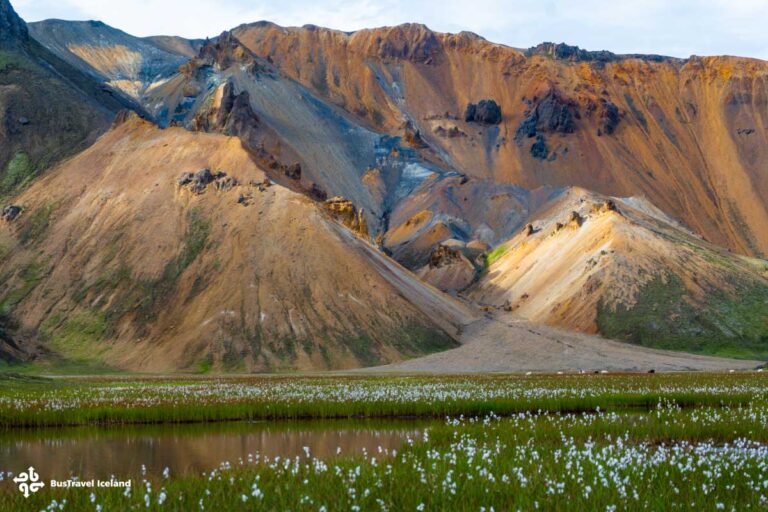
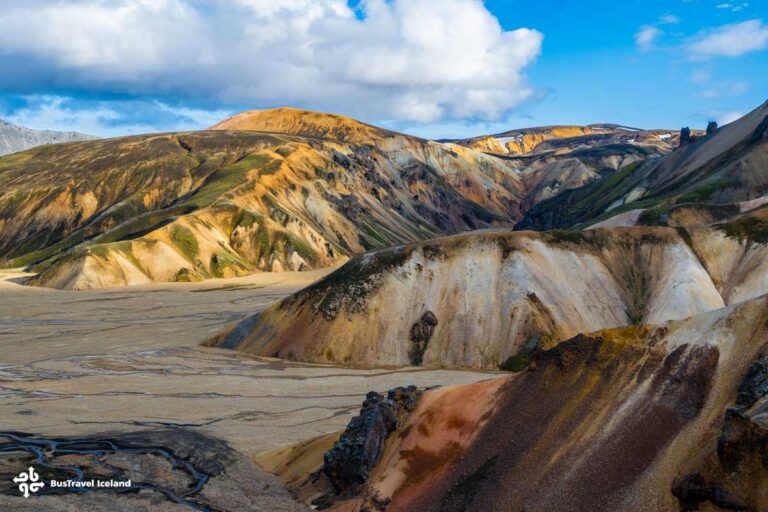
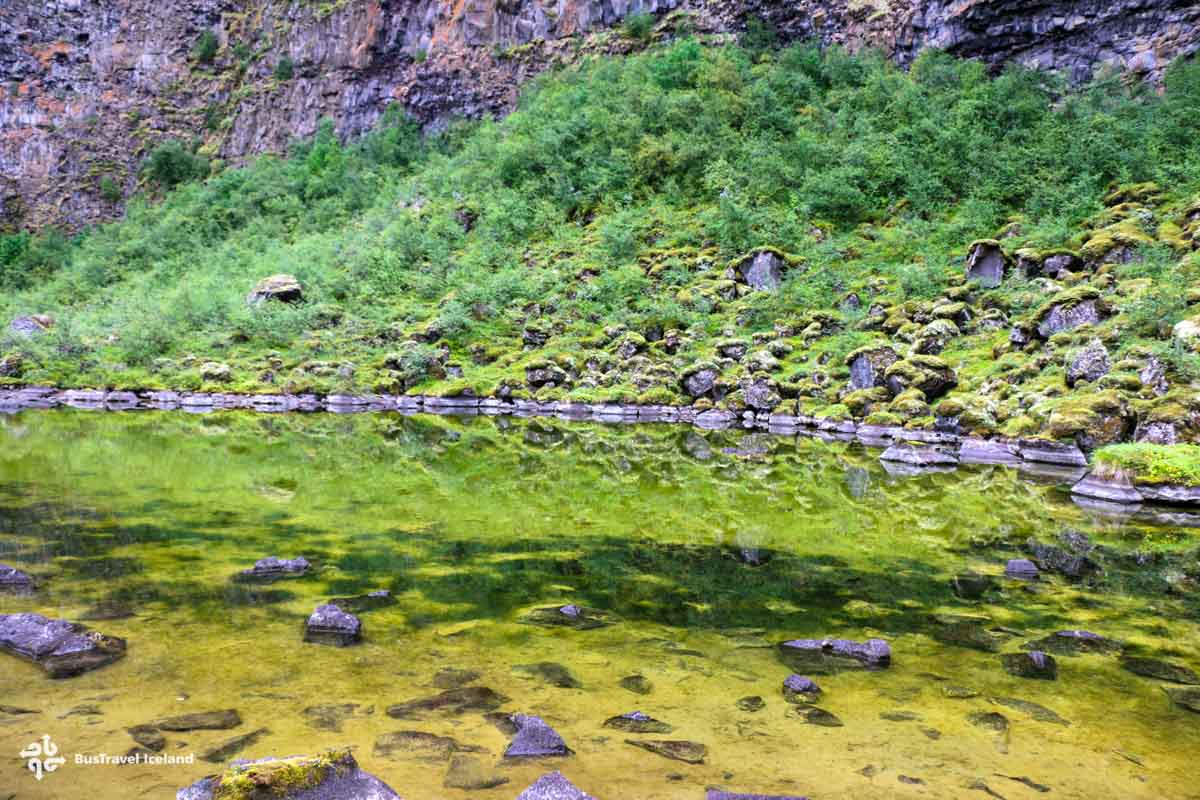
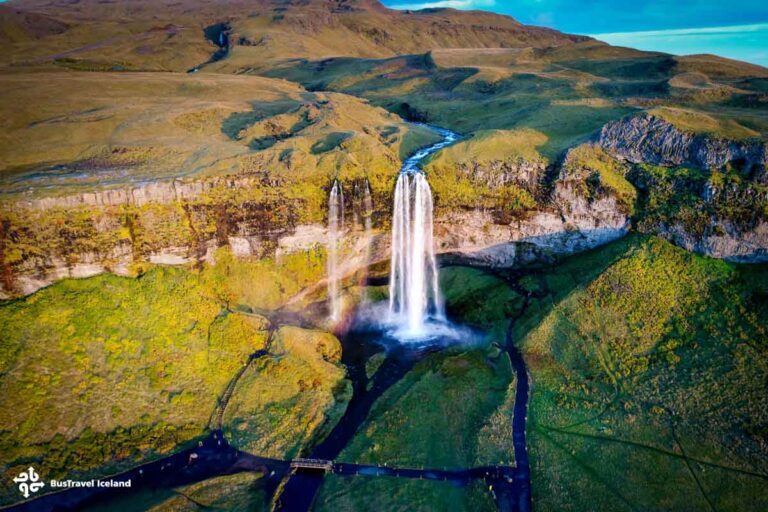
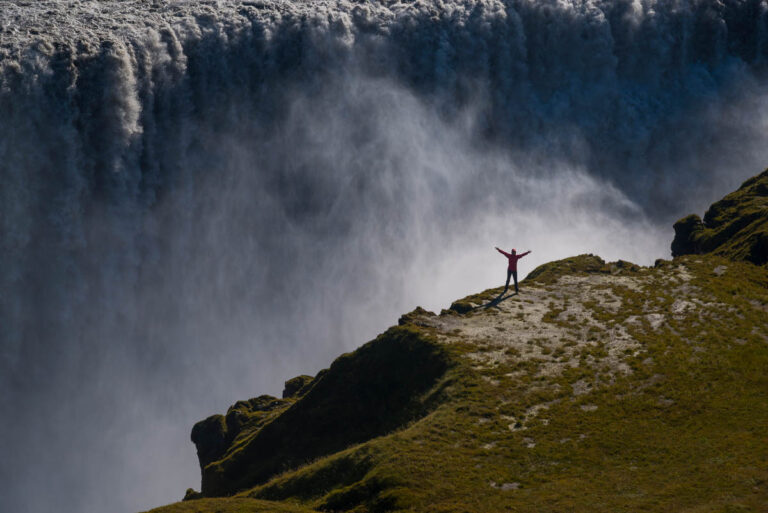
Several key realms in the film were brought to life using real locations across Iceland. Scenes set in Svartalfheim, the Realm of the Dark Elves, were filmed in Landmannalaugar, near the Hekla volcano, where colorful rhyolite mountains, lava fields, and steaming geothermal vents create an alien, hostile atmosphere. The Realm of Asgard appears in scenes filmed in North Iceland, with aerial shots of Dettifoss, Europe’s most powerful waterfall, and the horseshoe-shaped canyon of Ásbyrgi. Additional sequences were shot along the South Coast at Skógafoss and nearby Fjaðrárgljúfur, whose dramatic cliffs and river-carved curves add scale and beauty to the film’s earthly and mythic landscapes.
Hot to get to Thor: The Dark World filming locations in Iceland
These filming locations span multiple regions of Iceland but are all accessible with planning. Landmannalaugar lies in the southern Highlands and is typically reached only in summer via mountain roads, either with a four-wheel-drive vehicle or on a guided highland tour. Dettifoss and Ásbyrgi are located in North Iceland and can be reached year-round by car, though winter conditions may affect access. Skógafoss and Fjaðrárgljúfur are both along Iceland’s South Coast near the Ring Road (Route 1), making them among the easiest filming locations to visit. Together, they form a geographically diverse route through the landscapes that helped shape Marvel’s vision of gods, realms, and ancient power.
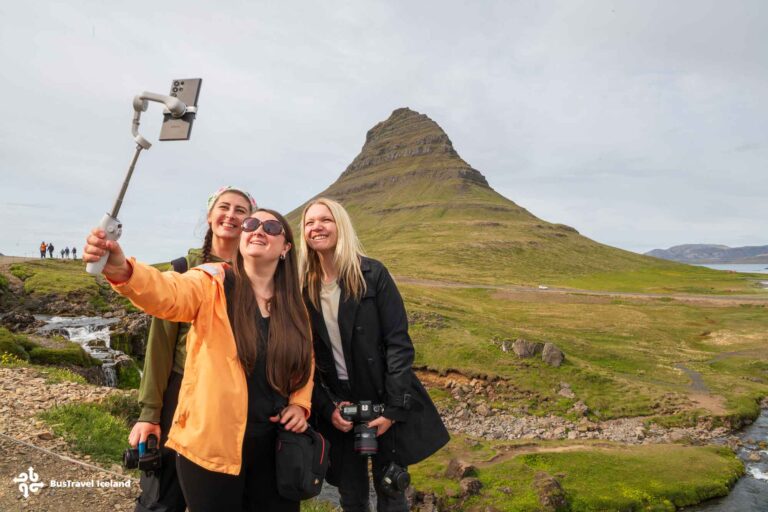
Tours that cover these regions are as follow:
7. Prometheus – 2012 ‧ Sci-fi/Horror
The 2012 sci-fi horror film Prometheus, directed by Ridley Scott, explores humanity’s search for its origins and the terrifying consequences of uncovering ancient truths. Set in the far reaches of space, the film follows a scientific expedition to a distant moon in hopes of finding humanity’s creators. Its unsettling tone and sense of cosmic dread rely heavily on environments that feel ancient, hostile, and untouched — making Iceland an ideal filming location.
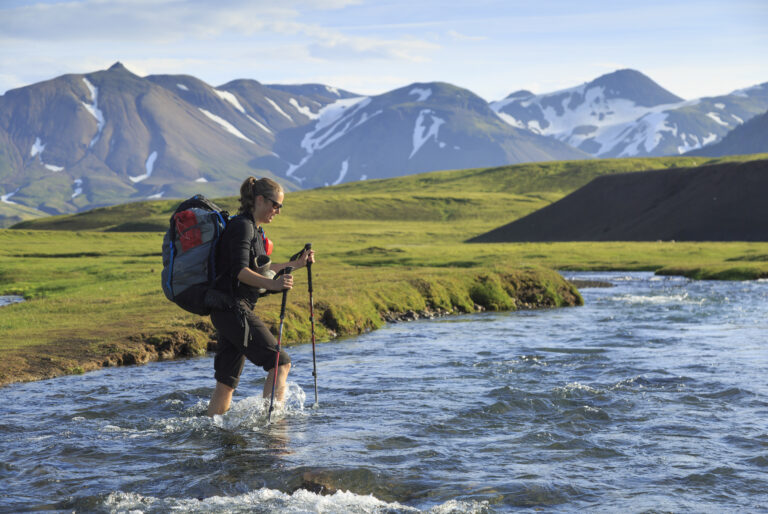
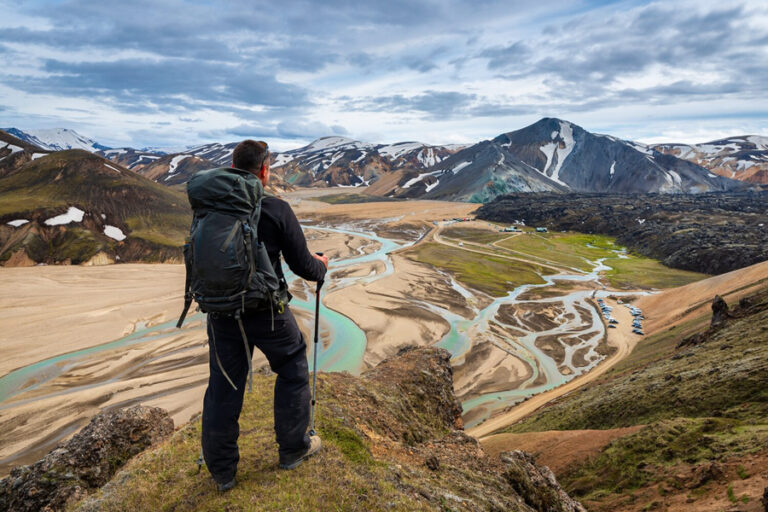
Several of the film’s most striking planetary landscapes were filmed in Iceland, where volcanic and glacial terrains stood in for the alien moon LV-223. Key locations include Hrafntinnusker, a remote geothermal region in the Icelandic highlands known for its obsidian fields, steaming vents, and snow-covered lava. Scenes were also filmed at Dimmuborgir, whose towering basalt structures create an eerie, labyrinth-like setting, and near Dettifoss, where the raw force of water and rock adds to the film’s sense of scale and danger. Together, these locations gave the alien world a physical, believable presence with minimal digital enhancement.
How to get to Prometheus filming locations in Iceland
These filming locations are spread across Iceland but can be visited with careful planning. Hrafntinnusker lies in the central highlands and is only accessible in summer, typically as part of a guided hike along the Laugavegur trail or via specialized highland tours. Dimmuborgir and Dettifoss are located in North Iceland near Lake Mývatn and are accessible year-round, though winter road conditions may vary. While remote and often harsh, these landscapes offer a rare opportunity to step into the real-world environments that shaped one of modern science fiction’s most haunting visions.
Join the tours that visit these places:
8. Game of Thrones – 2011 ‧ Drama
The fantasy series Game of Thrones brought George R. R. Martin’s world of Westeros to life through political intrigue, brutal power struggles, and an ever-present sense of danger beyond the Wall. While much of the series was filmed across Europe, Iceland played a crucial role in shaping the show’s coldest and most unforgiving settings. Its stark, untamed landscapes became synonymous with the lands north of the Wall, where nature itself is as threatening as any army.
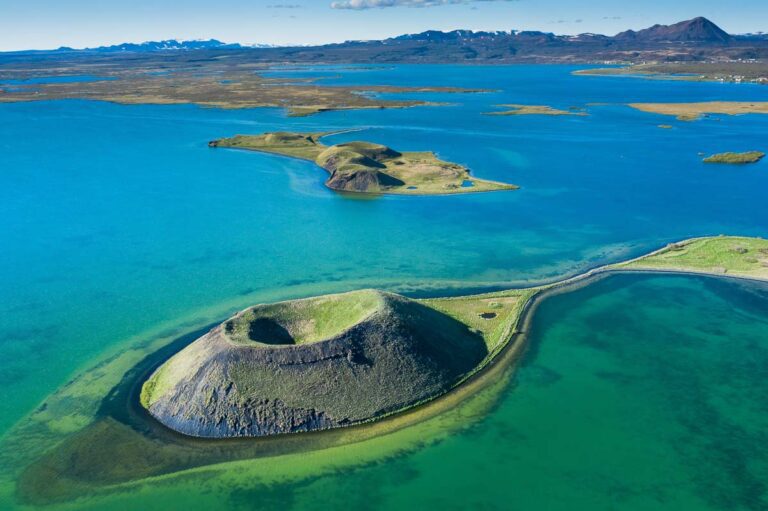
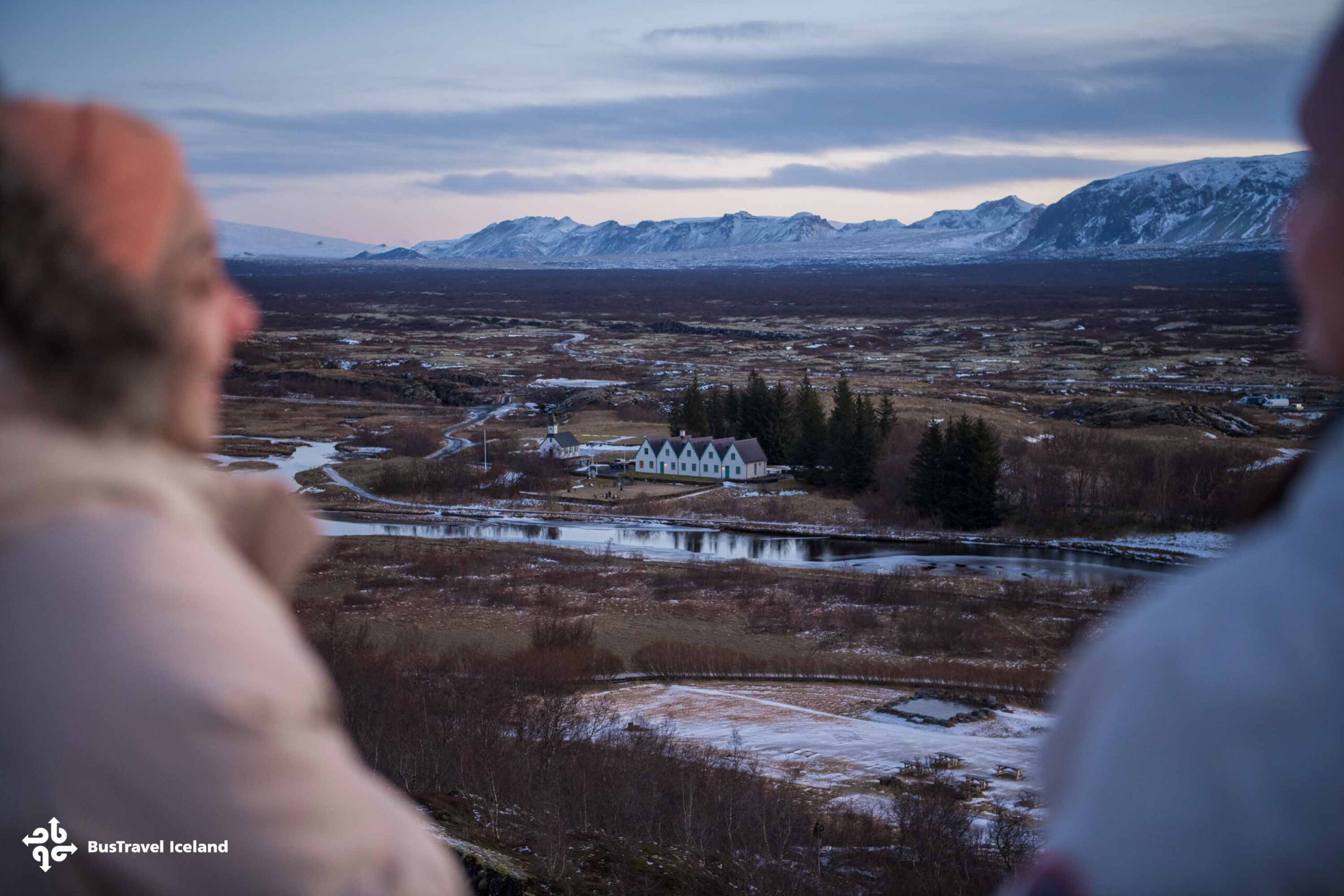
Several iconic scenes were filmed across Iceland’s dramatic terrain. Þingvellir appears as the route taken by the Night’s Watch beyond the Wall, its rift valley and lava fields creating a stark sense of exposure. Svínafellsjökull and nearby Vatnajökull glaciers were used extensively for frozen wastelands north of the Wall. Near Lake Mývatn, Grjótagjá served as the intimate cave where Jon Snow and Ygritte seek shelter, while the surrounding lava formations of Dimmuborgir became the wild and dangerous terrain inhabited by the Free Folk.

How to get to Game of Thrones filming locations in Iceland
These locations are spread across southern and northern Iceland but are accessible with planning. Þingvellir in the Golden Circle Route lies just 45 kilometers (28 miles) from Reykjavík and can be reached in under an hour by car. Svínafellsjökull is located within Vatnajökull National Park, about 330 kilometers (205 miles) east of Reykjavík and roughly 60 kilometers (37 miles) west of Höfn. Grjótagjá and Dimmuborgir are found near Lake Mývatn in North Iceland, approximately 470 kilometers (292 miles) from Reykjavík, with a driving time of 6–7 hours via the Ring Road (Route 1). While all sites can be visited year-round, winter conditions can be severe, especially in the north, making careful planning essential when exploring these legendary Game of Thrones filming locations.
9. Journey to the Center of the Earth – 2008 ‧ Family/Adventure
The adventure fantasy Journey to the Center of the Earth is built around one irresistible idea: that the world beneath our feet is still wild, vast, and unexplored. Inspired by Jules Verne’s classic novel, the story follows an expedition that descends into a hidden realm of volcanic chambers, strange landscapes, and prehistoric danger — and it begins at a place that feels like it was made for myth.
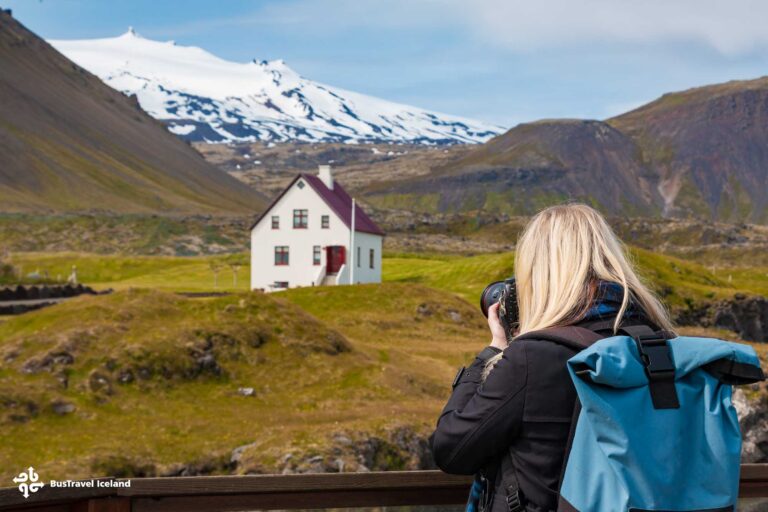
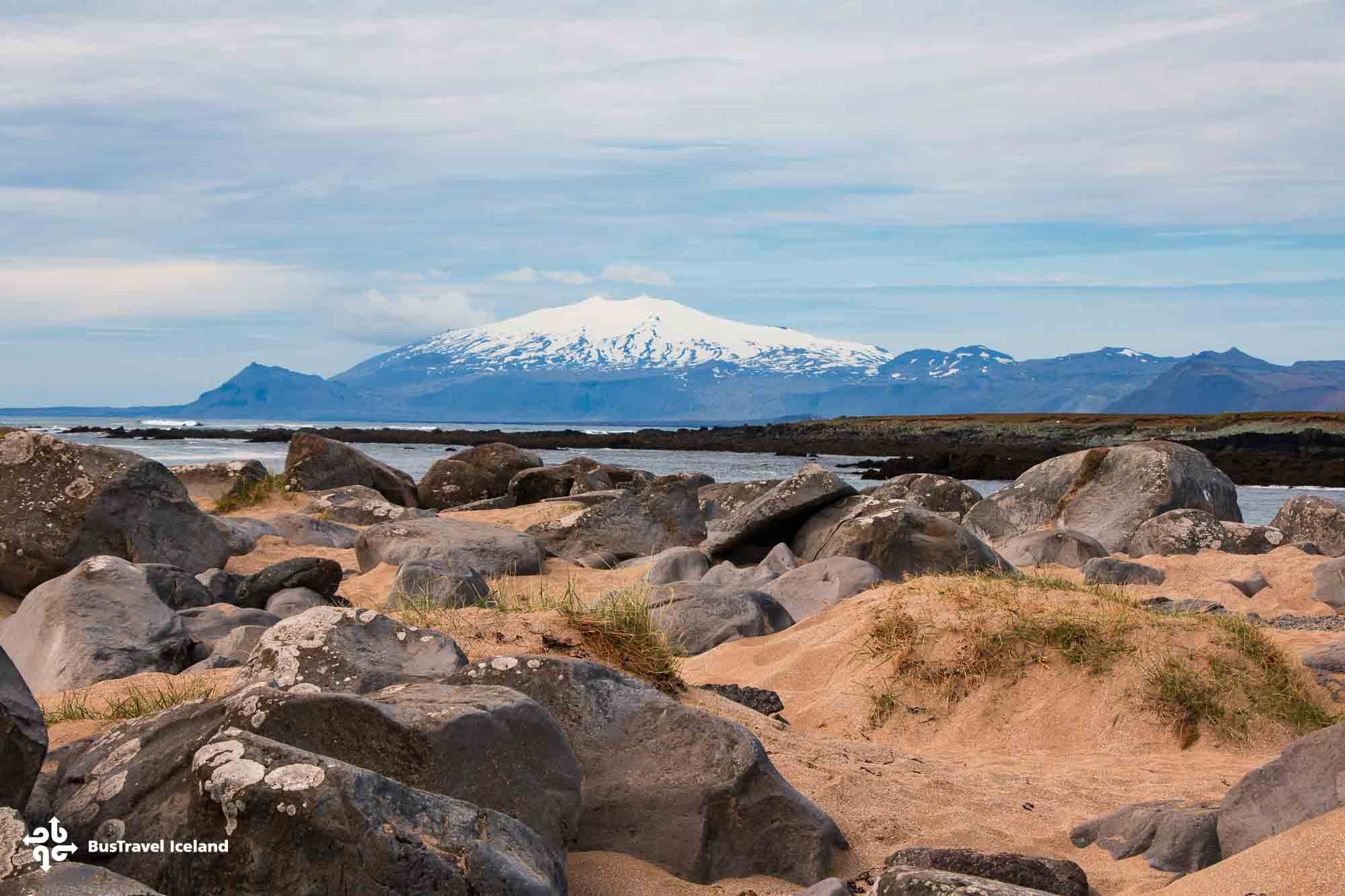
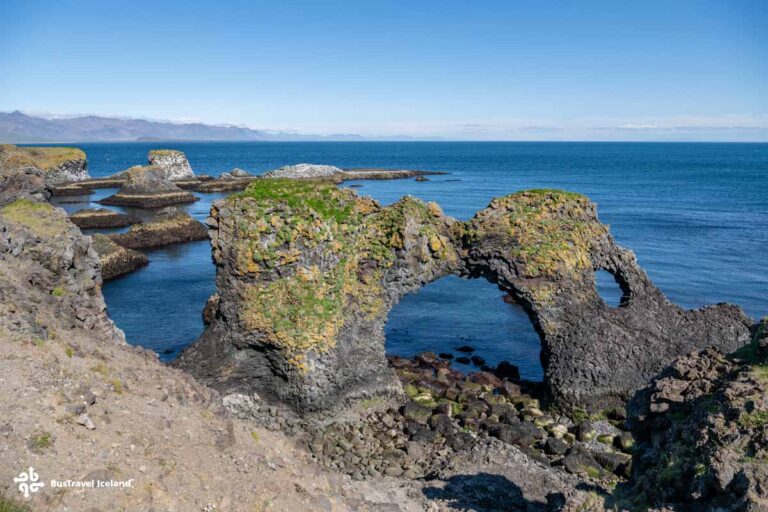
In the film, the gateway to the underworld is Snæfellsjökull, a glacier-capped volcano on Iceland’s Snæfellsnes Peninsula. This region is often called “Iceland in miniature” because it compresses so many of the country’s signature landscapes into one area — lava fields, black-sand beaches, jagged cliffs, fishing villages, and the white dome of the glacier rising above it all. Snæfellsjökull’s mix of ice and volcanic power makes it a perfect cinematic “entry point,” a place that naturally suggests tunnels, secrets, and worlds below.
How to get to Snæfellsjökull National Park
Snæfellsjökull and the Snæfellsnes Peninsula are easily reached by road from Reykjavík, making this one of the most accessible classic film locations in Iceland. The peninsula begins about 1.5 – 2 hours from the capital, and reaching the Snæfellsjökull area typically takes around 2.5 – 3 hours by car (depending on stops and weather), following Route 1 north and then Route 54 west into Snæfellsnes. From there, you can explore multiple filming-style landscapes in a single day — or take your time and treat the peninsula as a mini road trip, with short walks and viewpoints spread throughout the region.
Join these tours to visit Snaefellsnes Peninsula:

10. Die Another Day – 2002 ‧ Action/Adventure
The 2002 James Bond film Die Another Day sends 007 into a world of espionage, high technology, and icy extremes. As Pierce Brosnan’s final appearance as Bond, the film leans heavily into spectacle, culminating in some of the franchise’s most visually striking action sequences. To bring its frozen settings to life, the production turned to Iceland — a country whose glaciers and ice fields could convincingly stand in for a hostile, high-stakes Arctic environment.
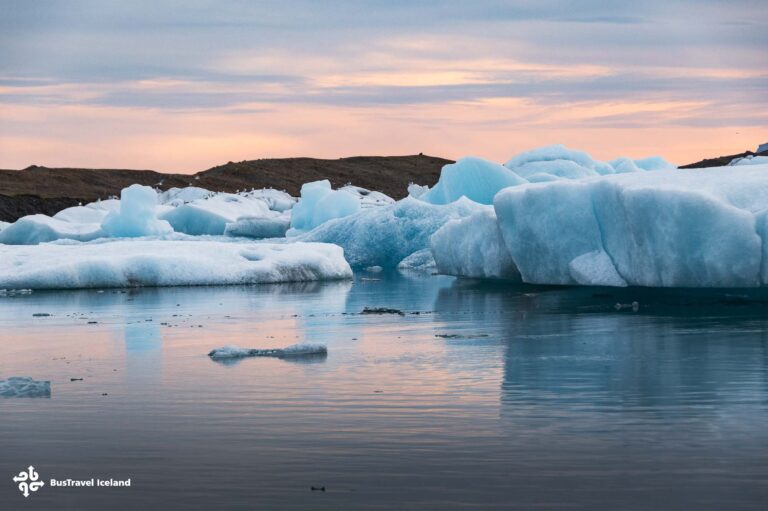
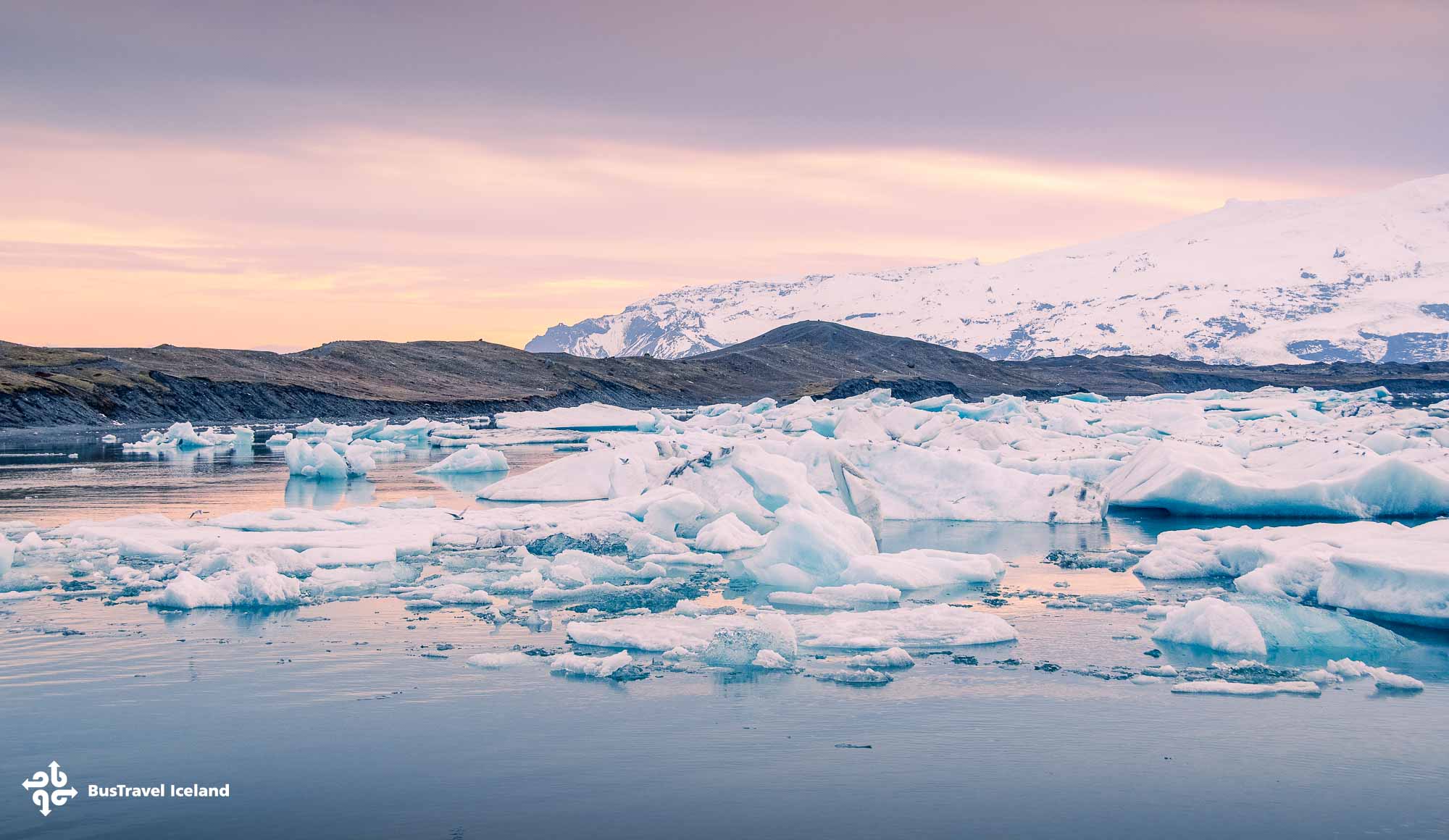
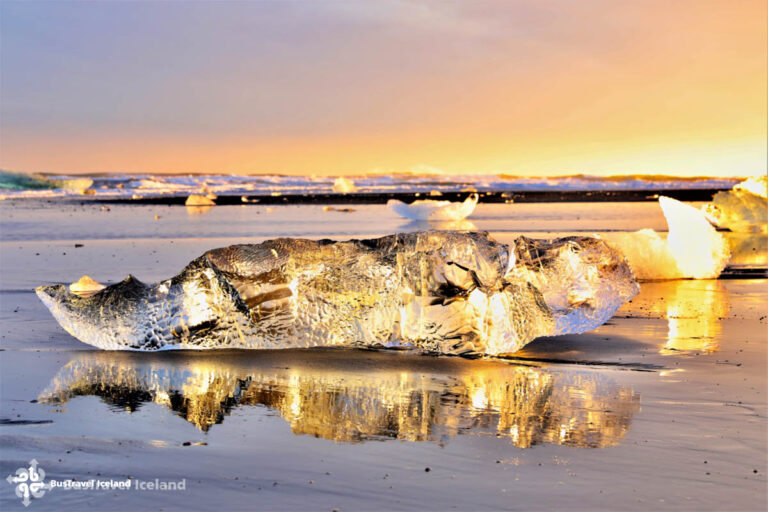
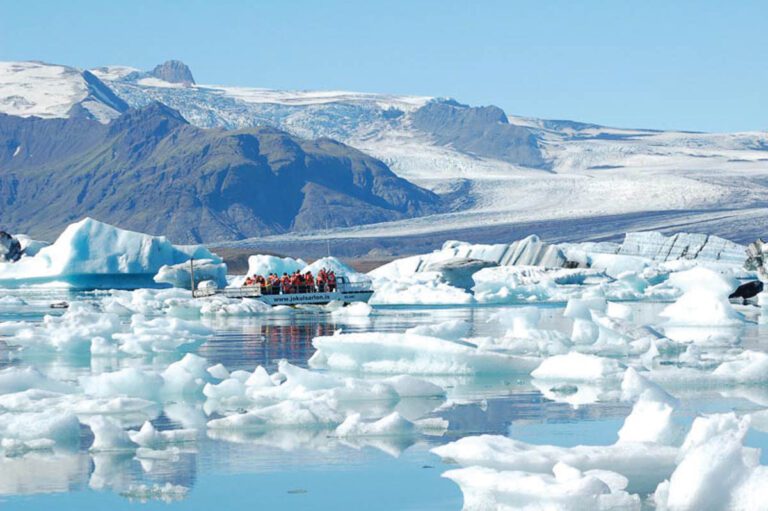
Iceland’s most iconic contribution to the film is Jökulsárlón, which appears as the setting for the villain’s dramatic ice palace. The lagoon’s floating icebergs, deep blue waters, and ever-shifting ice formations required minimal visual effects to feel otherworldly. Nearby Breiðamerkursandur, often called Diamond Beach, was also used for action scenes, with chunks of glacial ice scattered across volcanic sand creating a surreal contrast of textures and color. Together, these locations delivered a natural spectacle worthy of Bond’s climactic showdown.
Hot to get to Jokulsarlon area
Jökulsárlón and Breiðamerkursandur are located in southeast Iceland along the Ring Road (Route 1), approximately 380 kilometers (236 miles) east of Reykjavík, with a driving time of about 5–6 hours. Both sites sit directly beside the main road and are among the easiest high-impact filming locations to visit in Iceland. Parking areas and short walking paths provide close access to the lagoon and beach, making them a popular stop for travelers exploring Iceland’s south coast — and a chance to stand inside one of James Bond’s most memorable cinematic worlds.
Visit Jokulsarlon glacier lagoon on these tours:

Beyond the Top 10: More Films and Series Shot in Iceland
The films and series featured above are only a small selection of what has been created in Iceland.
Over the years, Iceland has quietly built one of the most remarkable screen résumés in the world. International productions have long been drawn here for landscapes that feel impossible to place — glaciers that become alien planets, lava fields that suggest dystopian futures, and empty coastlines that heighten drama without a single line of dialogue. Films such as Batman Begins, Rogue One: A Star Wars Story, Oblivion, and Noah all use Iceland to suggest worlds far removed from everyday reality, while still feeling grounded and physical.
Television has followed the same path. Global series like The Witcher, Sense8, and Black Mirror have relied on Icelandic locations to create atmosphere — places that feel remote, dangerous, or emotionally stripped back. In these shows, the land is rarely just scenery; it amplifies tension, isolation, and scale, often becoming inseparable from the story being told.
At the same time, Iceland’s own film and television industry has gained international recognition for using the landscape in a more intimate way. Crime dramas like Trapped (Ófærð), The Valhalla Murders, and Black Sands turn weather, darkness, and distance into narrative tools, while series such as Katla blend folklore and science fiction directly into the land itself. Icelandic films like Rams, Woman at War, and Odd Fish show a quieter, more personal relationship between people and place — where nature is not a spectacle, but something lived with every day.
Together, these productions reveal why Iceland continues to resonate with filmmakers and audiences alike. Whether portraying imagined worlds or deeply human stories, the country offers something rare: landscapes that don’t just support a narrative, but shape it — visually, emotionally, and unmistakably.