


16 Christmassy Things to Do in Iceland: Celebrate Like a Local
- Good to Know, Iceland Culture
- 26 Nov 2026
Christmas in Iceland is full of surprises. Meet the 13 Yule Lads, explore festive markets, discover hidden elf gardens and taste traditional Christmas treats. Find out how Icelanders celebrate the festive season and how you can join in...
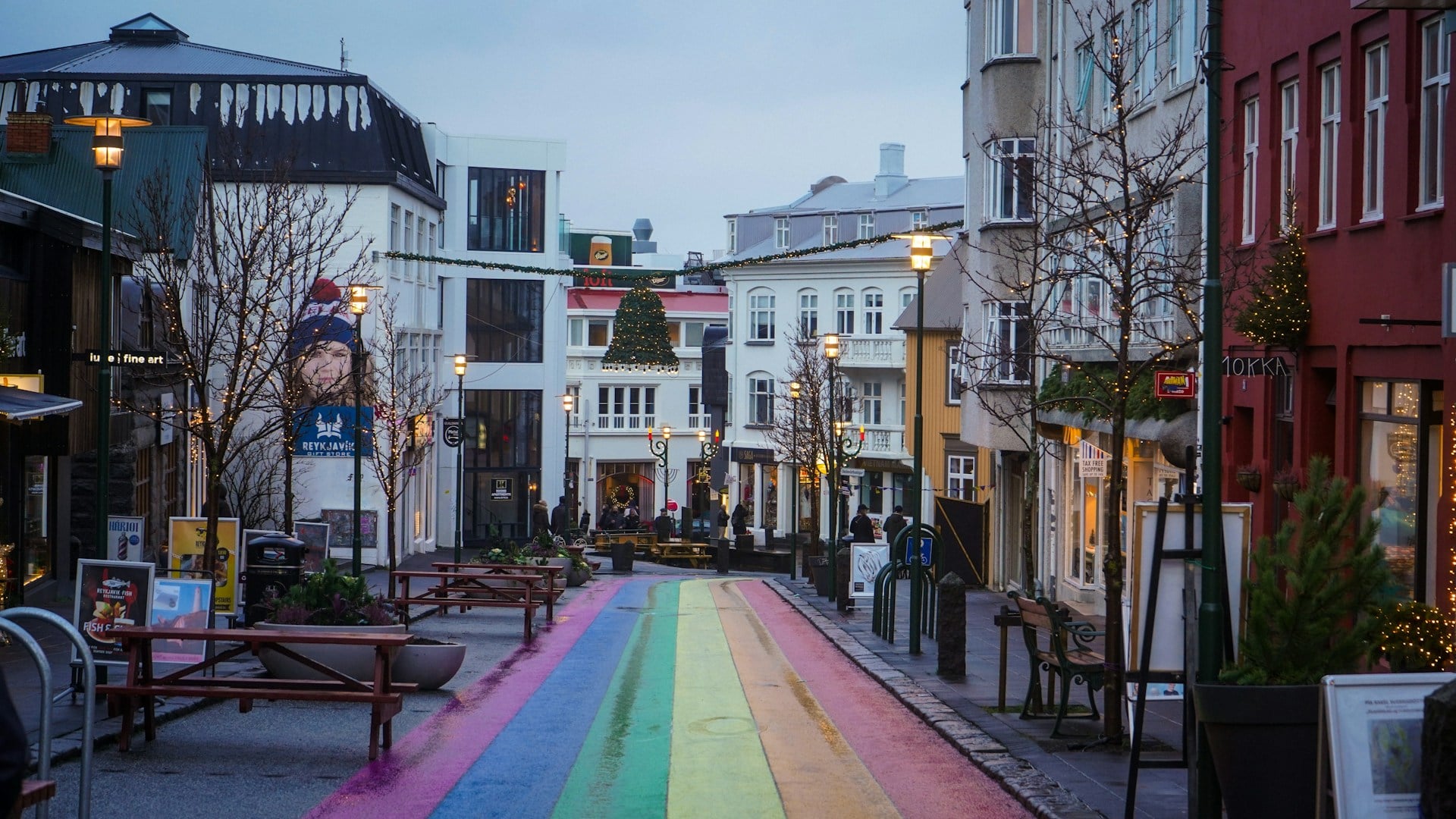
By early November, Christmas lights begin appearing on houses and buildings across Iceland, bringing warmth and colour to the increasingly dark winter days. Across the hillsides of the Reykjavík capital region, illuminated neighbourhoods form a carpet of twinkling lights against the backdrop of snow-covered Mount Esja. In the city centre, shop windows fill with festive displays, the scent of freshly baked Christmas cookies drifts from bakeries, and cafés offer a welcome refuge from the cold.
Christmas in Iceland is a celebration that extends well beyond December 25. Shaped by centuries-old folklore, distinctive culinary traditions and a lively calendar of seasonal events, the festivities continue until January 6. Thirteen mischievous Yule Lads descend from the mountains, families gather to make intricately patterned leaf bread, and books become some of the season’s most anticipated gifts.
This is the time to discover a more intimate side of Iceland — one defined not only by its dramatic winter landscapes but also by the customs, stories and everyday rituals that bring Icelanders together during the darkest weeks of the year.
Here are 1 ways to experience Christmas in Iceland, from popular festive attractions to lesser-known traditions cherished by locals.
1. Soak Up the Christmas Spirit in Downtown Reykjavík
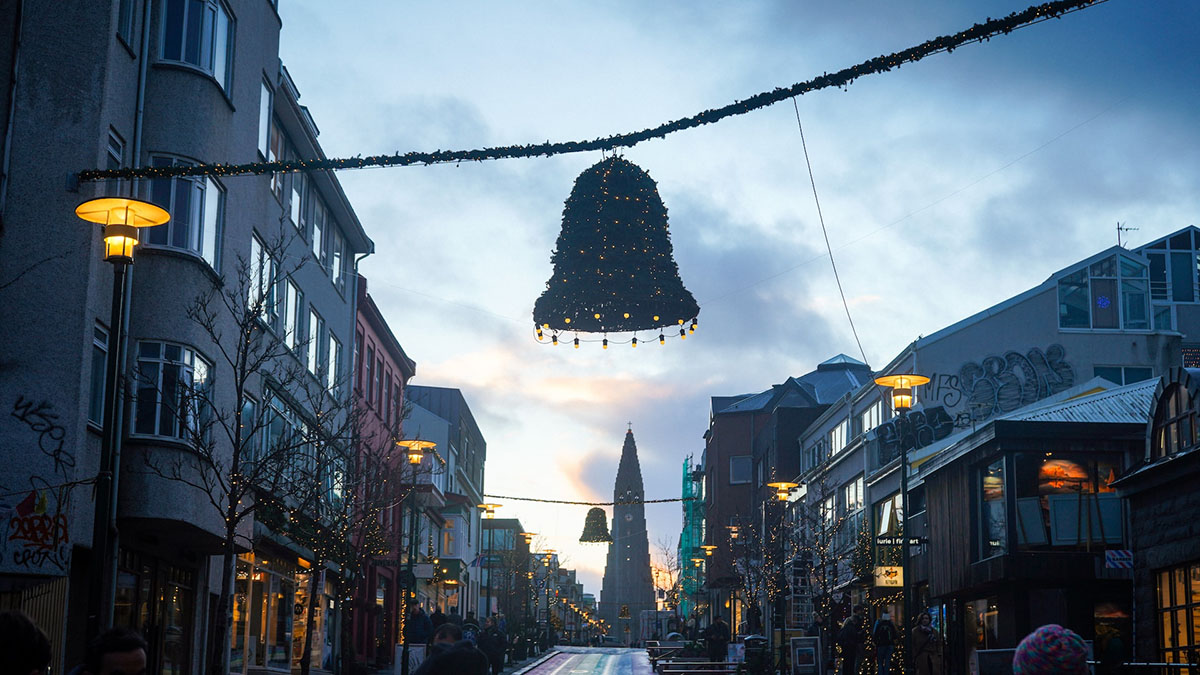
Reykjavík’s main shopping street, Laugavegur, becomes a hub of festive activity in December, with illuminated storefronts, seasonal window displays and cafés serving hot drinks and Christmas pastries.
Walk along Skólavörðustígur toward Hallgrímskirkja before heading to Austurvöllur, where the Oslo Christmas Tree stands outside the Icelandic Parliament. A symbol of friendship between Iceland and Norway, the tree is a longstanding feature of Christmas in the capital.
Look out for the enormous illuminated Christmas Cat, or Jólakötturinn, in Lækjartorg. According to Icelandic folklore, the creature devours those who fail to receive new clothes before Christmas — a rather persuasive argument for buying a pair of Icelandic wool socks.

2. Explore Iceland’s Christmas Markets
Iceland’s Christmas markets are smaller and more community-oriented than their counterparts in continental Europe, with an emphasis on local craftsmanship, food and entertainment.
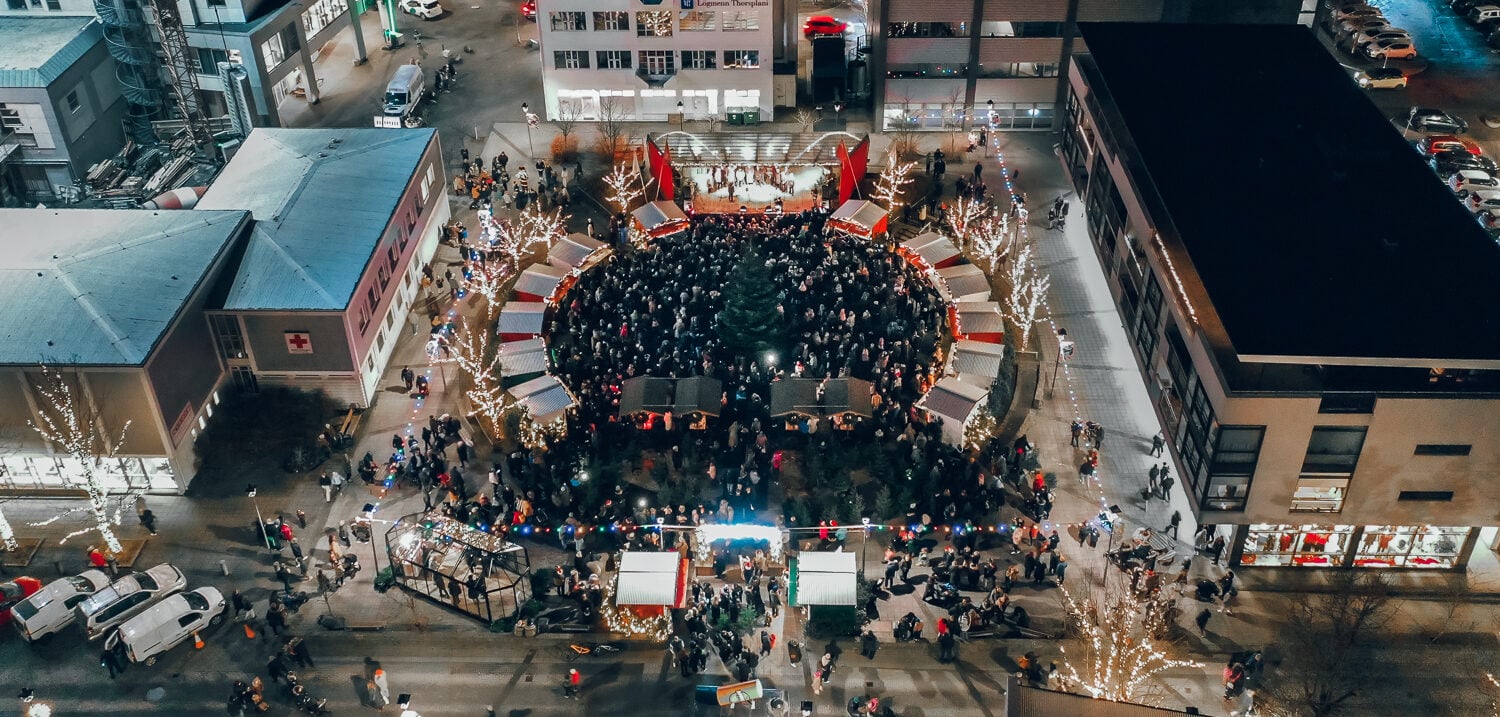
The Christmas Village (Jólaþorpið) in Hafnarfjörður, a harbour town south of Reykjavík, is among the country’s best-known festive markets. Wooden stalls sell handmade decorations, Icelandic wool products and seasonal delicacies, while musicians and costumed Christmas characters entertain visitors.
Other markets and seasonal pop-up shops operate in central Reykjavík and towns such as Selfoss. Most follow a weekend schedule during Advent, so check opening dates before visiting.
3. Meet Iceland’s 13 Mischievous Yule Lads
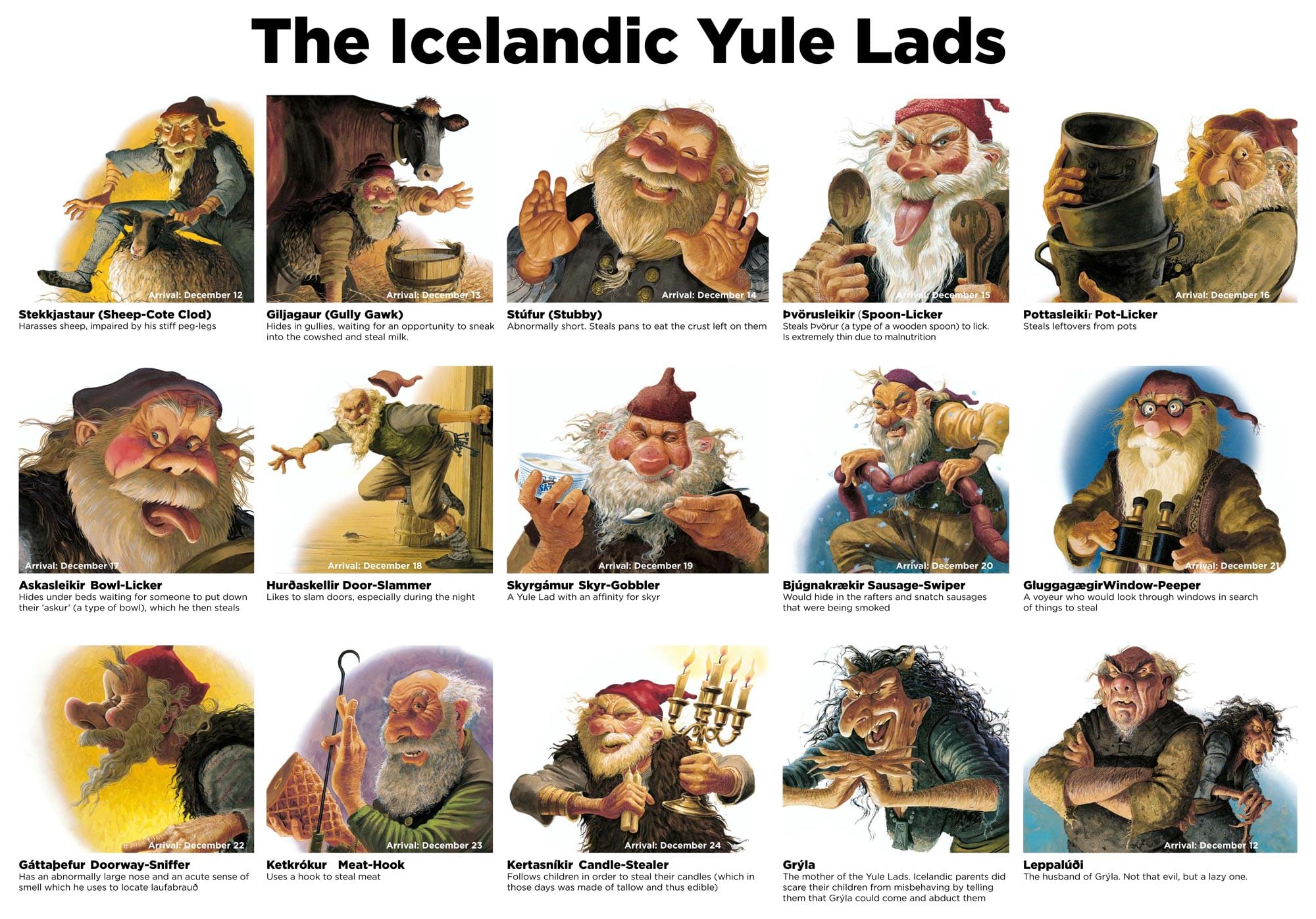
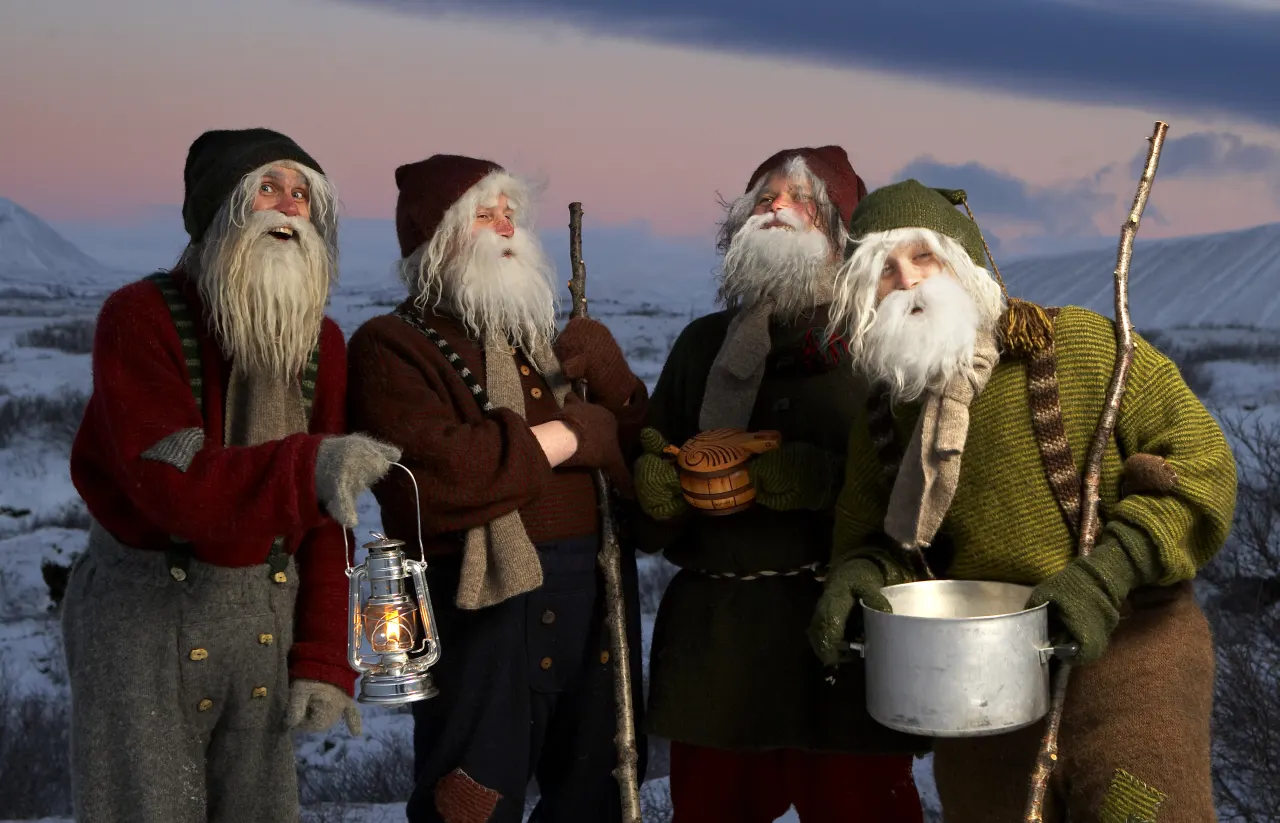
One Santa Claus is apparently not enough for Iceland. The country has 13 Yule Lads, known as Jólasveinar, who descend from the mountains individually in the nights leading up to Christmas.
Each has a distinctive personality. Door-Slammer enjoys disturbing people at night, Skyr-Gobbler has a weakness for Icelandic dairy products, and Sausage-Swiper steals sausages.
Beginning on the night of December 11, children place a shoe on their windowsill, hoping to discover a small present the following morning. Those who have misbehaved may receive a potato instead.
You can encounter the Yule Lads at Christmas markets, cultural events and seasonal gatherings. Their appearances are particularly fitting at Dimmuborgir, a landscape of unusual lava formations near Lake Mývatn in North Iceland, associated with their legendary home.
4. Visit the Christmas Forest in Heiðmörk
Buying a Christmas tree is a family outing for many Icelanders, and Heiðmörk, a forested nature reserve on the outskirts of Reykjavík, is a popular destination for the occasion.
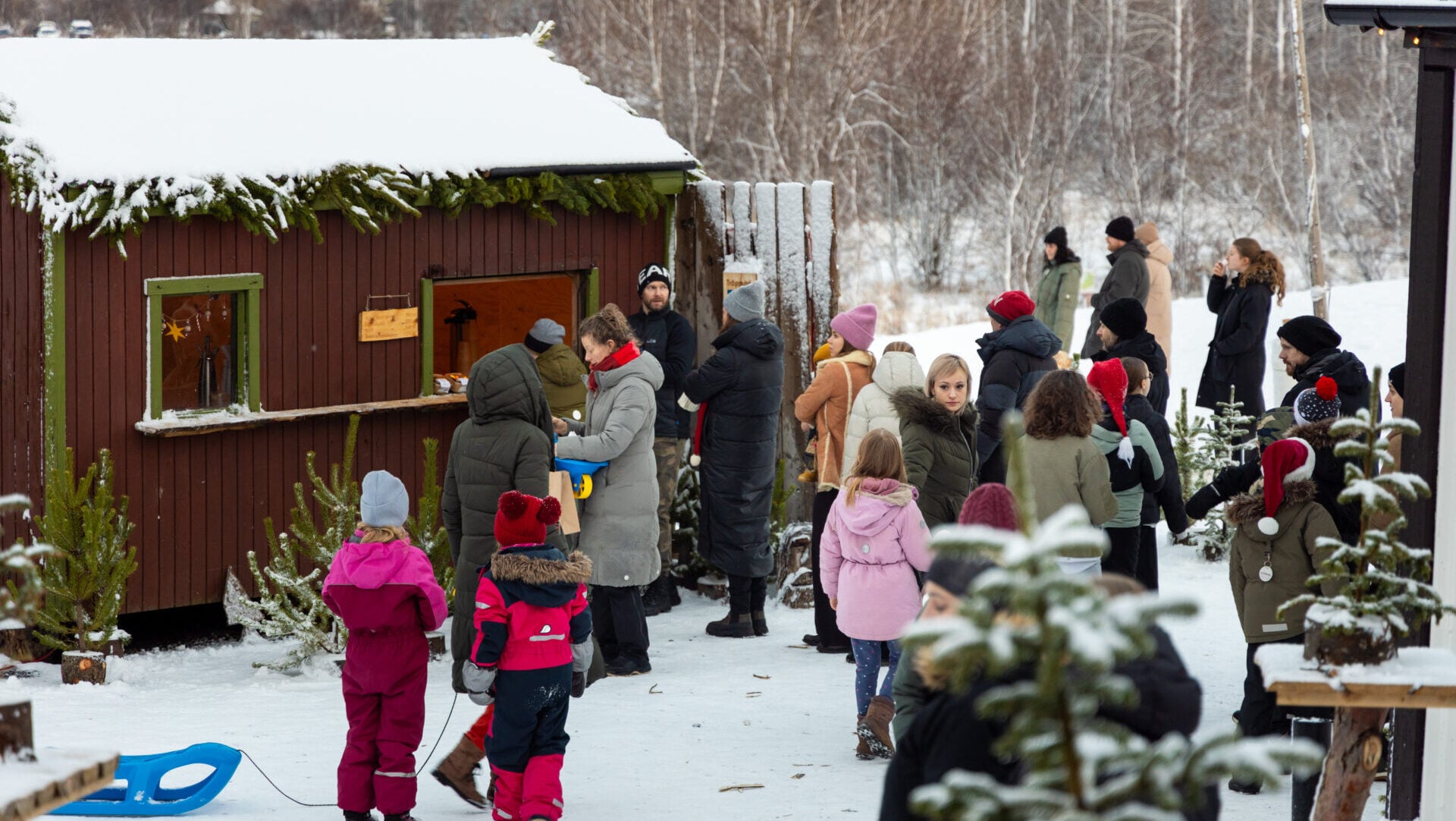
During Advent, the historic Elliðavatnsbær farmhouse hosts a Christmas market organised by the Reykjavík Forestry Association. Local artisans sell handmade goods, while seasonal activities may include readings, outdoor fires and refreshments.
At the nearby Christmas forest in Hólmsheiði, families can also cut their own Christmas trees on designated days.
If you are accustomed to Iceland’s largely treeless landscapes, a Christmas market nestled in woodland offers an unexpected change of scenery. It is also a cosy place to mingle with locals, sip hot chocolate and enjoy the festive atmosphere. Local musicians occasionally perform at the market, playing acoustic guitar and singing Christmas songs, adding to its intimate, community-oriented charm.
5. Discover Icelandic Elf Folklore in Illuminated Christmas Gardens
In North Iceland, Akureyri’s Botanical Garden (Lystigarðurinn) is home to Huldustígur, a hidden trail dedicated to Icelandic elf folklore. Among the garden’s trees and winding pathways are places said to be inhabited by hidden people, including two women named Lovísa and Pia and a farmer named Heimir. The trail also features Kærleiksstígur, or the Love Trail, a tunnel of trees believed to shelter elves and fairies throughout the year.
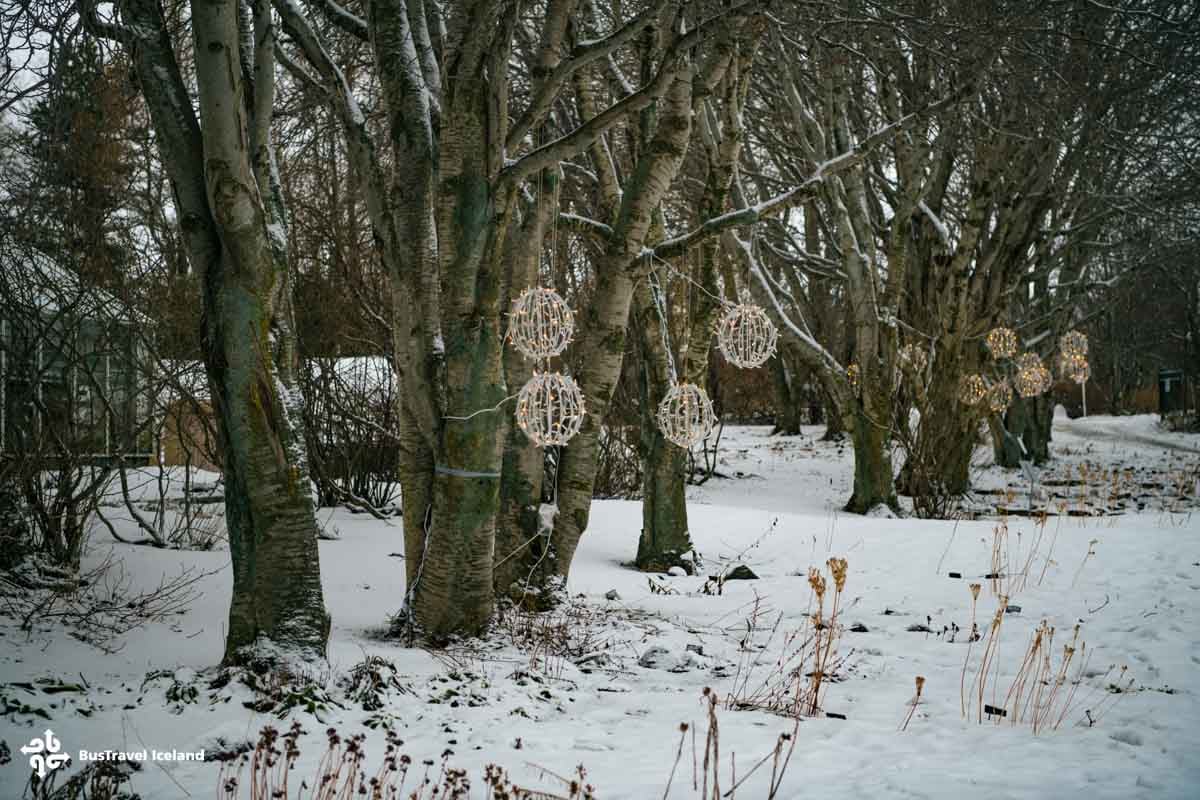
During the Christmas season, illuminated trees and pathways lend an almost otherworldly quality to the garden, particularly after a fresh snowfall. For families travelling with children, searching for these mythical inhabitants adds a sense of adventure to a festive evening stroll.
Closer to Reykjavík, the harbour town of Hafnarfjörður has a particularly strong connection to Icelandic elf culture. Much of the town is built on ancient lava fields, where numerous rock formations are believed to be inhabited by elves and hidden people, known in Icelandic as huldufólk.
One of the best places to explore this cultural heritage is Hellisgerði, a historic public garden where winding paths weave between moss-covered lava formations and mature trees. Guided elf walks introduce visitors to the local stories, legends and beliefs surrounding the garden’s mythical inhabitants.
A visit to Hellisgerði pairs naturally with an afternoon at Hafnarfjörður’s Christmas Village, offering an opportunity to combine festive celebrations with one of Iceland’s most enduring folk traditions.
6. Experience Christmas at Reykjavík’s Family Park and Zoo
For families travelling with children, Reykjavík‘s Family Park and Zoo (Fjölskyldu- og húsdýragarðurinn) in Laugardalur offers a glimpse into Icelandic rural life without leaving the capital. The park is home to Icelandic horses, sheep, goats, reindeer and Arctic foxes, making it an interesting place to learn about the country’s animals in a winter setting.
During Advent, the Reykjavík Park and Zoo transforms into a festive Christmas valley, known locally as Jóladalurinn. Thousands of Christmas lights illuminate the grounds, while weekend festivities have included live music, Christmas crafts, outdoor fires and seasonal refreshments.
Children can follow a Christmas treasure hunt through the park and venture into the mysterious hut inhabited by Jólakötturinn, Iceland’s notorious Christmas Cat. The resident reindeer are another fitting attraction during the festive season, with scheduled feeding sessions offering visitors a chance to learn more about the animals.
The park typically extends its weekend opening hours during Advent, making late afternoon a particularly atmospheric time to visit, when darkness settles over Laugardalur and the Christmas lights come into their own.
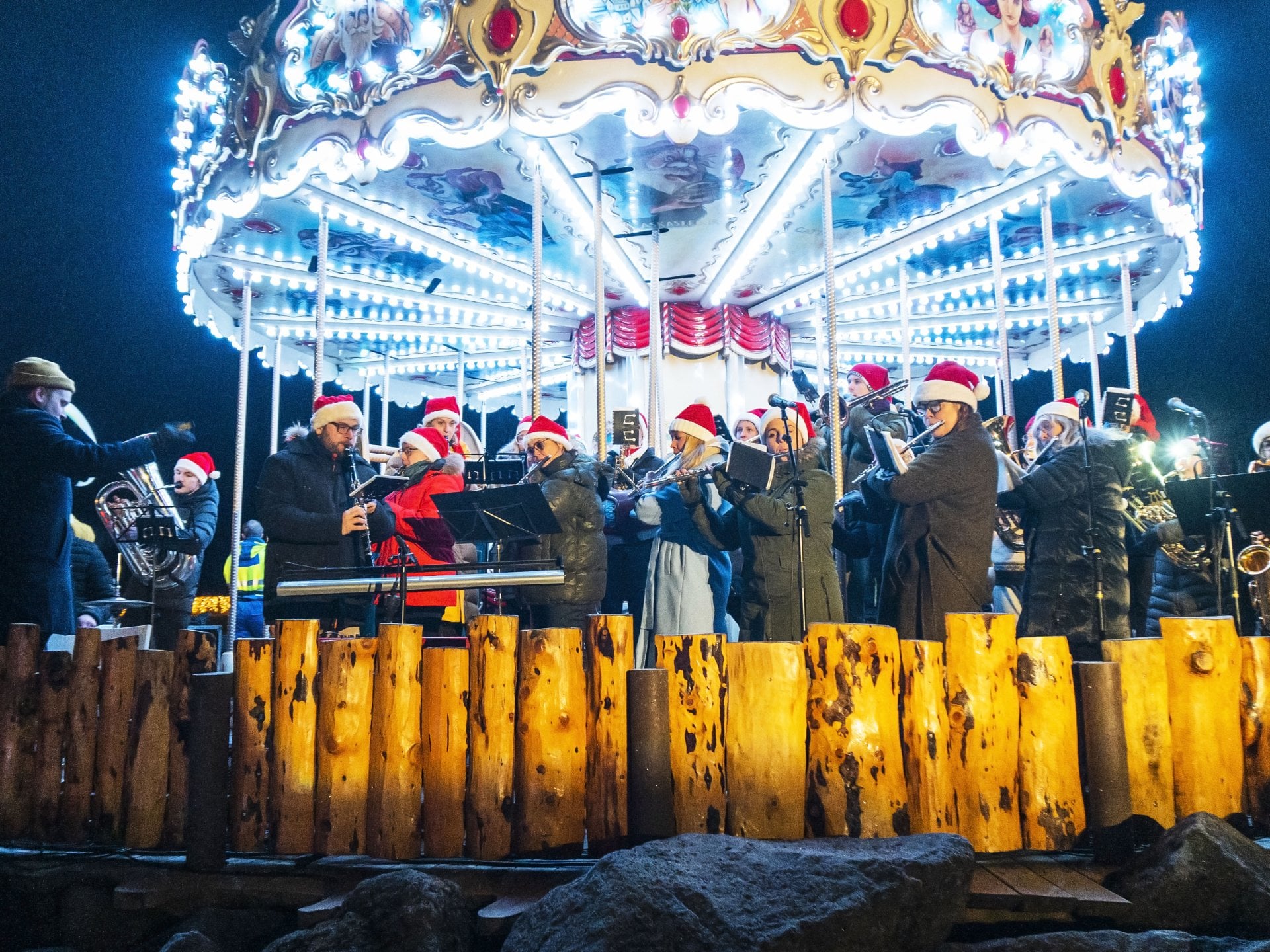
7. Indulge in a Traditional Icelandic Christmas Buffet
The jólahlaðborð, or Christmas buffet, is an institution in Iceland. Restaurants and hotels begin serving elaborate festive meals weeks before Christmas, attracting groups of friends, families and colleagues for their annual celebrations.
Traditional dishes may include hangikjöt (smoked lamb), hamborgarhryggur (cured pork loin), gravlax(salmon cured with salt, sugar, and dill), pickled herring, caramelised potatoes and an assortment of Christmas desserts.
For you, a Christmas buffet provides an opportunity to sample several Icelandic festive dishes in one sitting, including foods that are rarely served together outside the holiday season.
Reservations are advisable, particularly on Friday and Saturday evenings in December.
8. Discover the Art of Icelandic Christmas Leaf Bread
Laufabrauð, literally translated as leaf bread, is one of Iceland’s most distinctive Christmas foods.
The thin, round pieces of dough are decorated with intricate patterns cut by hand or with a specialised brass tool called a laufabrauðsjárn. Once fried, the bread becomes crisp and golden.
The tradition has strong roots in North Iceland, where families gather before Christmas to prepare batches of bread. The preparation itself is as important as the finished product, bringing several generations together around the kitchen table.
You can look for seasonal workshops and demonstrations at cultural venues or purchase ready-made laufabrauð in Icelandic supermarkets. It is traditionally served alongside smoked lamb.
9. Take Part in Iceland’s Christmas Book Flood
In the weeks before Christmas, Iceland experiences Jólabókaflóðið, an annual surge in new book publications and literary activity.
Books are a traditional Christmas gift, and many Icelanders spend part of Christmas Eve or the following days reading their latest acquisitions. Bookshops become particularly busy in December as customers search for novels, biographies, poetry and children’s literature.
You can take part in this tradition by visiting one of Reykjavík’s bookshops, choosing an Icelandic novel translated into English and spending a quiet winter evening reading. Several bookshops are located within walking distance of one another in downtown Reykjavík, including Penninn Eymundsson on Austurstræti and Skólavörðustígur, Salka, an independent bookshop and publishing house on Hverfisgata, and The Old Bookstore on Hafnarstræti. For something more unusual, visit Bókin on Klapparstígur, an antiquarian bookshop established in 1964, where shelves are filled with secondhand books and rare editions.
Pair your literary discovery with some Icelandic chocolate and a warm drink, and you have your own version of an Icelandic Christmas evening.
A book by Icelandic Nobel Prize winner Halldór Laxness makes a particularly fitting souvenir.

10. Attend an Icelandic Christmas Concert
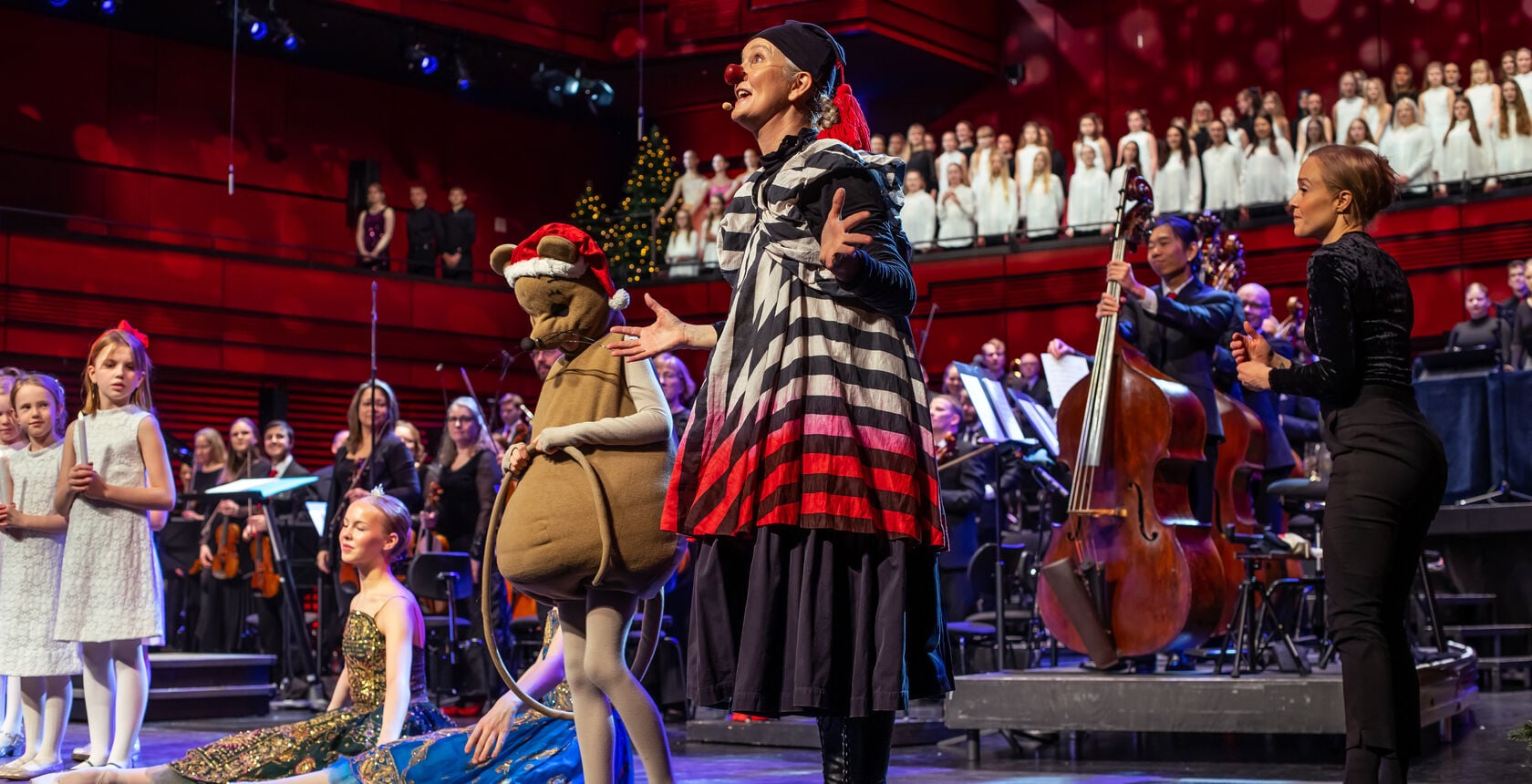
Christmas concerts, known as jólatónleikar, occupy an important place in Iceland’s December calendar.
Churches, concert halls and smaller community venues host performances ranging from classical choral music to contemporary interpretations of Icelandic Christmas songs.
In Reykjavík, notable venues include Harpa Concert Hall and Hallgrímskirkja, where the acoustics and monumental architecture provide an impressive setting for organ and choir performances.
Even without an understanding of Icelandic, a Christmas concert offers an insight into the country’s musical culture. Popular performances can sell out well ahead of Christmas.
11. Experience Þorláksmessa Like a Local
December 23, known as Þorláksmessa, is one of the busiest and most distinctive days of the Icelandic Christmas calendar.
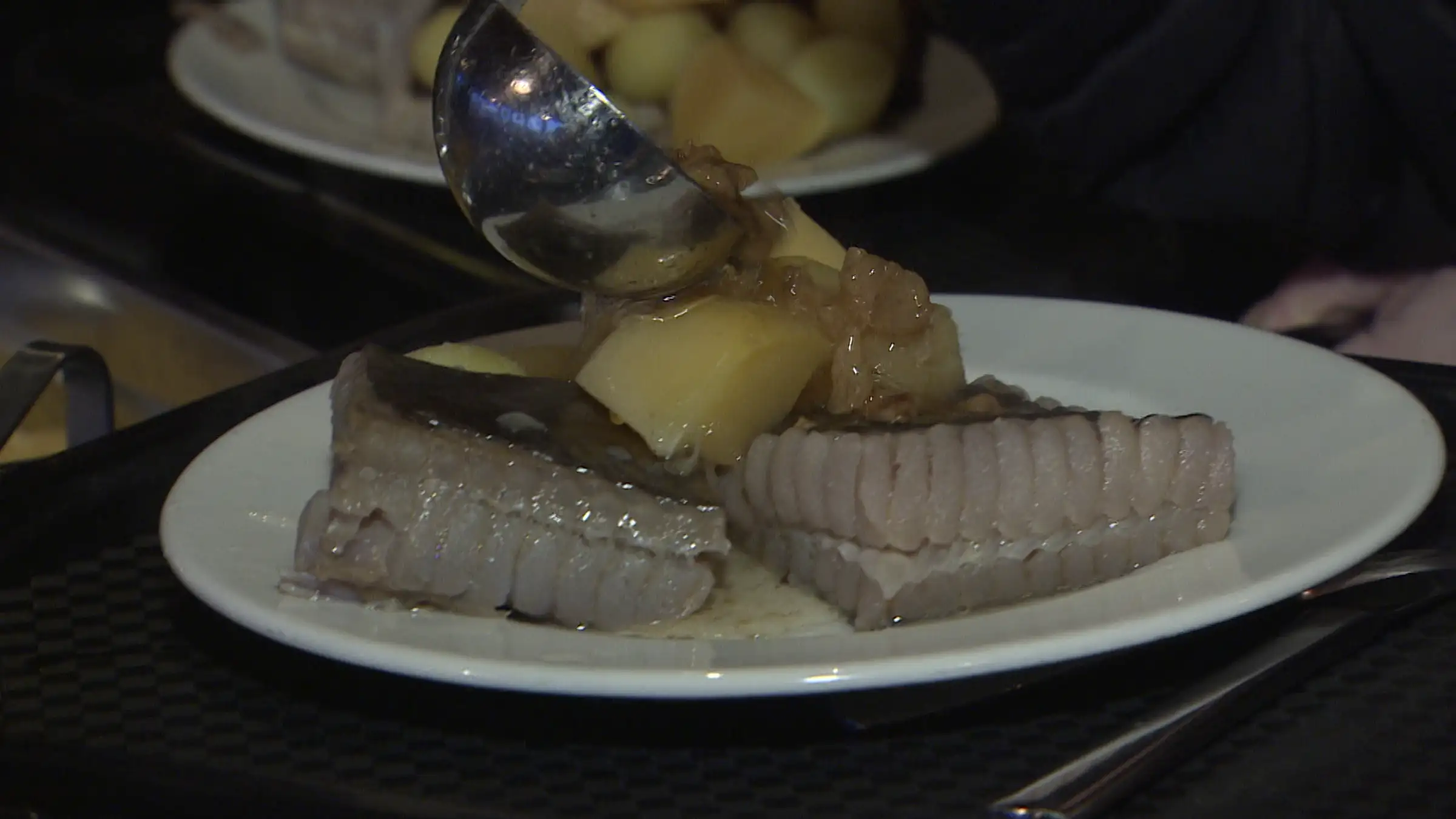
Named after Iceland’s patron saint, Saint Þorlákur, the day is associated with last-minute shopping, social gatherings and a particularly divisive culinary tradition: fermented skate.
The dish, called skata, is notable for its penetrating ammonia smell. It is traditionally accompanied by boiled potatoes and fat, and several restaurants offer dedicated skate meals on December 23.
In the evening, downtown Reykjavík fills with shoppers and groups of friends enjoying the final hours before the Christmas holidays. Even if you are unwilling to sample fermented fish, you can take part in the celebrations along Laugavegur.
12. Discover Iceland’s Christmas Drinks and Treats
Some of Iceland’s most characteristic Christmas flavours can be found not in restaurants but on supermarket shelves.
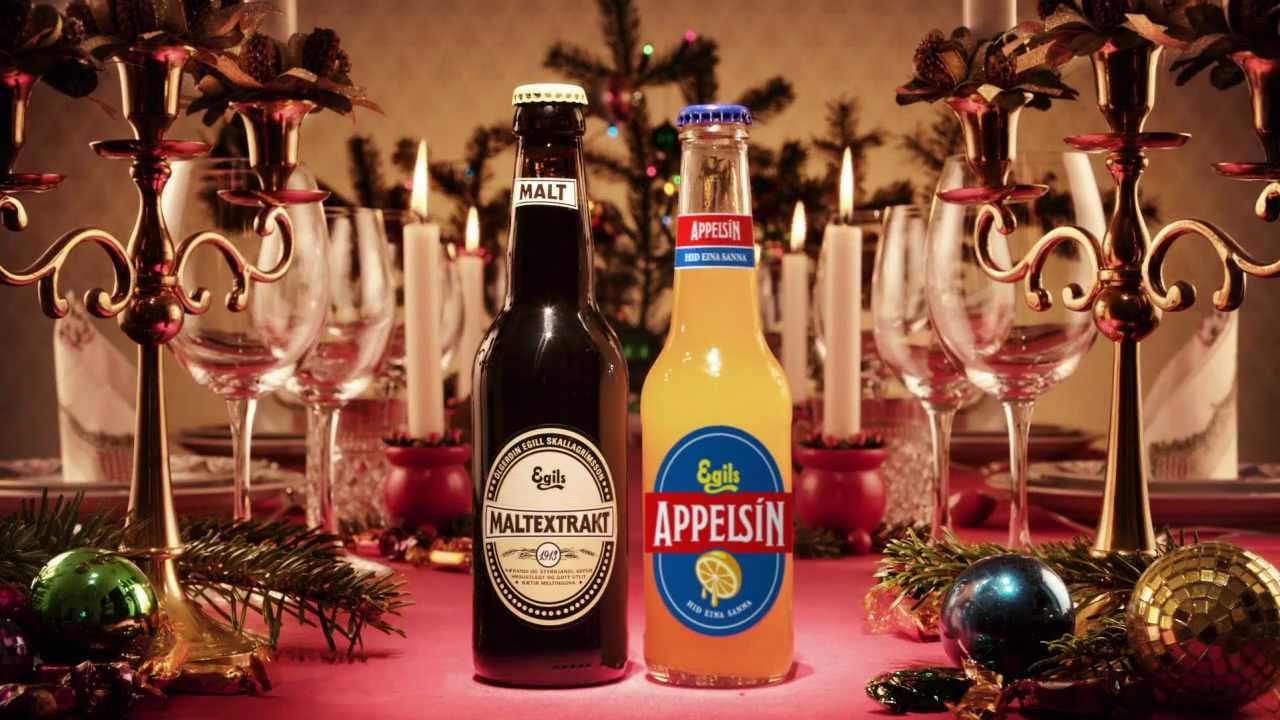
The traditional festive drink, Malt og Appelsín, combines a sweet malt beverage with orange soda. The non-alcoholic mixture is a familiar accompaniment to Christmas dinner, and Icelanders sometimes debate the ideal proportions.
Look also for sörur, small almond-based cookies topped with chocolate buttercream and covered in chocolate, as well as seasonal gingerbread, marzipan and Christmas confectionery.
Visiting an Icelandic bakery or supermarket in December is an inexpensive way to discover local holiday traditions that might otherwise escape tourists’ attention.
13. Visit the Christmas House in North Iceland
Christmas is not confined to December at Jólagarðurinn, a year-round Christmas attraction in the countryside south of Akureyri.
Also known as the Christmas Garden, Santa’s Workshop occupies a distinctive red building filled with ornaments, festive decorations, gifts and references to Icelandic Christmas folklore.
Its collection combines familiar international Christmas imagery with characters and traditions specific to Iceland.
Although the attraction welcomes visitors throughout the year, its countryside setting is especially appealing during the winter months. It is a worthwhile detour for travellers exploring Akureyri and the surrounding Eyjafjörður region.
14. Celebrate the Last Day of Christmas with Elves and Bonfires
Christmas in Iceland does not end on December 25. The season officially concludes on January 6, a day known as Þrettándinn, meaning the thirteenth.
According to folklore, this is a particularly supernatural occasion, when elves may reveal themselves to humans and the last Yule Lad returns to the mountains.
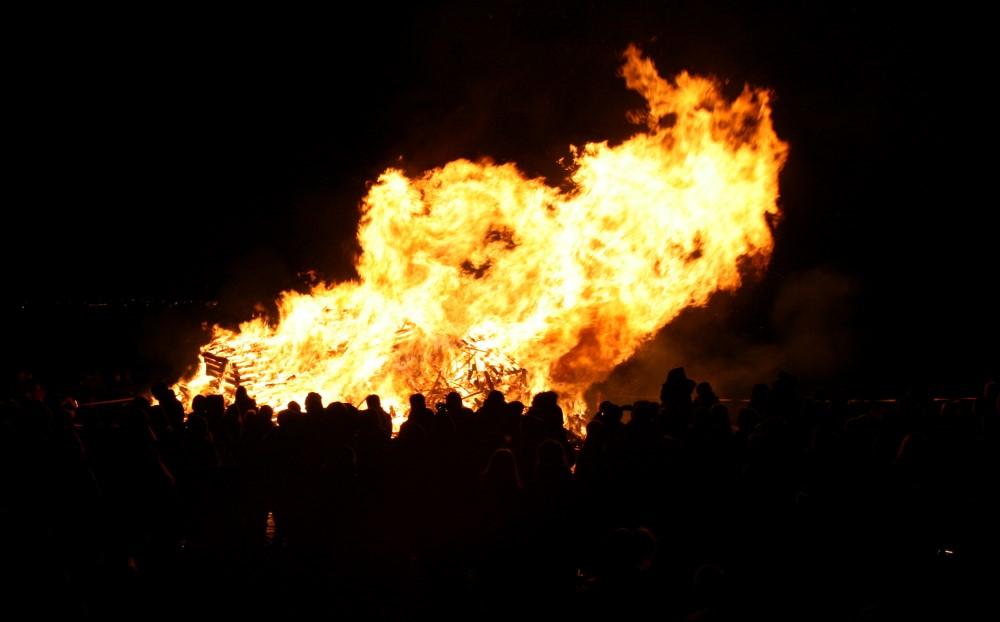
Communities across Iceland mark the occasion with bonfires, singing, fireworks and, in some places, appearances by costumed elves and trolls.
If you are visiting Iceland after New Year’s Eve, Þrettándinn offers one final opportunity to experience the country’s festive traditions. Celebrations vary by municipality and may be postponed or cancelled in severe weather.
15. Soak in a Geothermal Hot Spring During Christmas
Bathing outdoors in winter is an established part of Icelandic life rather than simply a tourist novelty. Geothermal pools provide a place to exercise, relax and socialise, even during the darkest months of the year.
You can choose between neighbourhood swimming pools in Reykjavík and geothermal lagoons in the countryside.
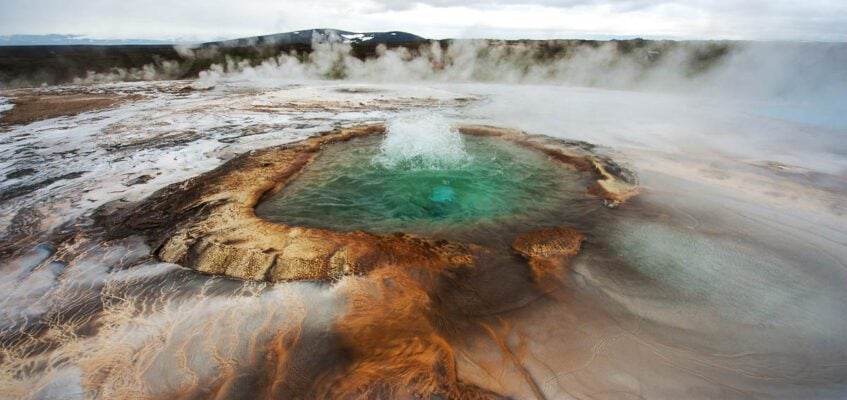
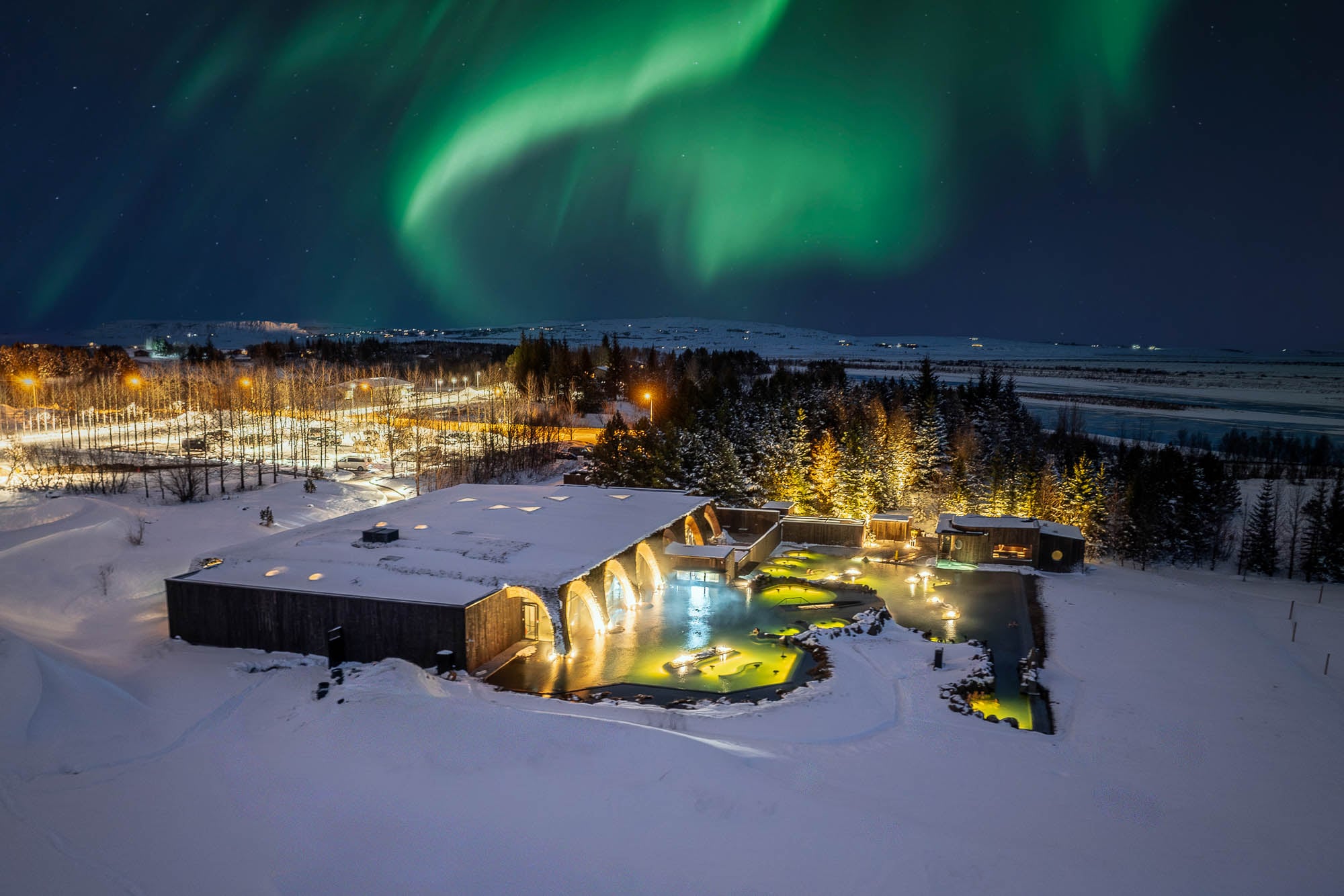
The Secret Lagoon in Flúðir, established in 1891, offers a particularly traditional setting, with naturally heated water and geothermal activity surrounding the bathing area.
Between Christmas shopping, festive meals and sightseeing, an outdoor geothermal bath offers a welcome respite from the winter cold.
Check holiday opening hours if planning a visit between December 24 and 26.
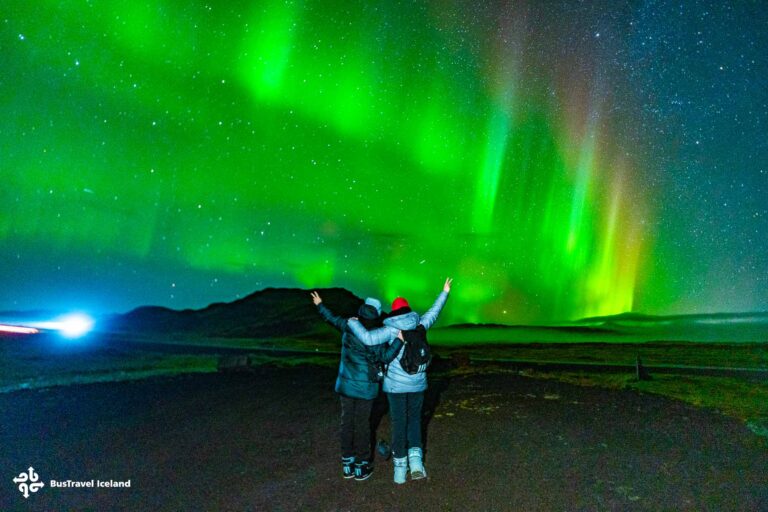
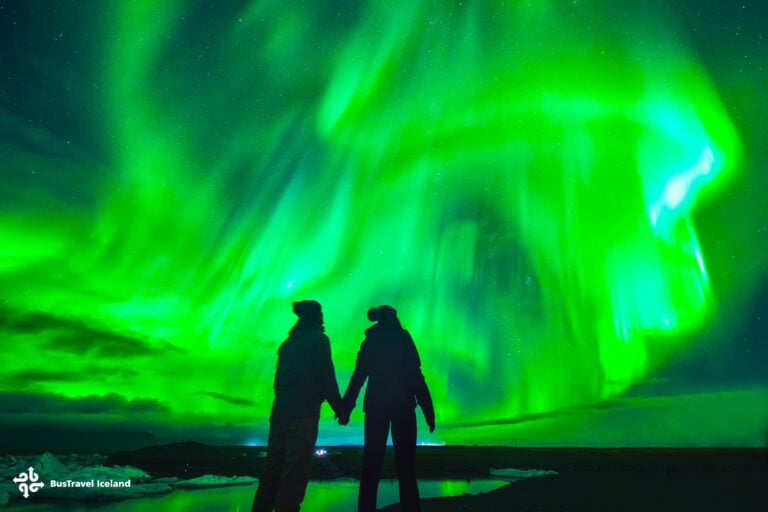
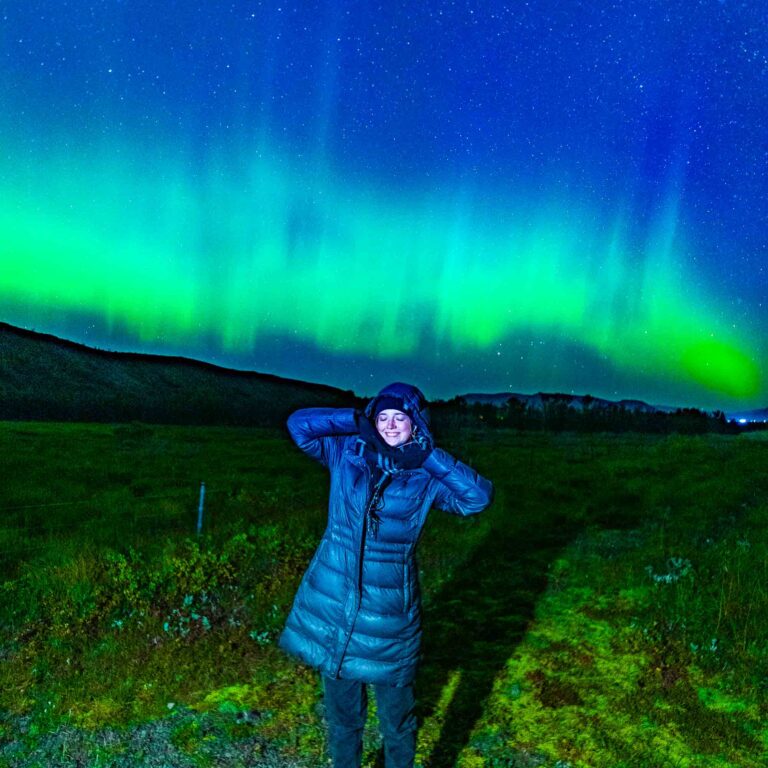
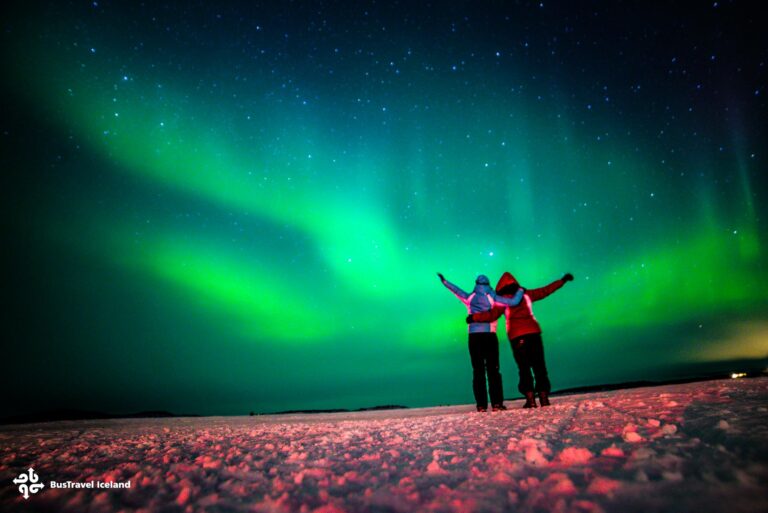
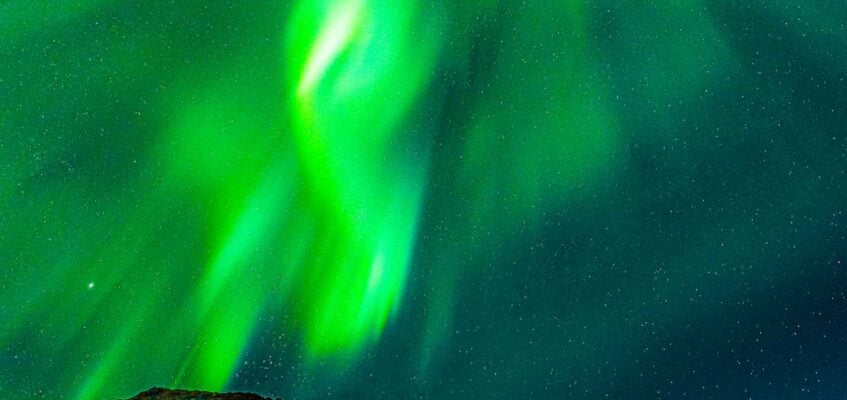
16. Chase the Northern Lights Under the Christmas Sky
With approximately four hours of daylight around the winter solstice, Reykjavík experiences some of its longest nights of the year during Christmas.
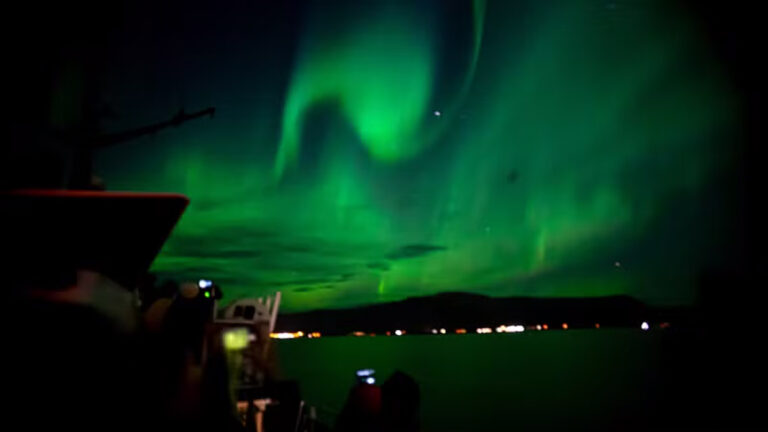
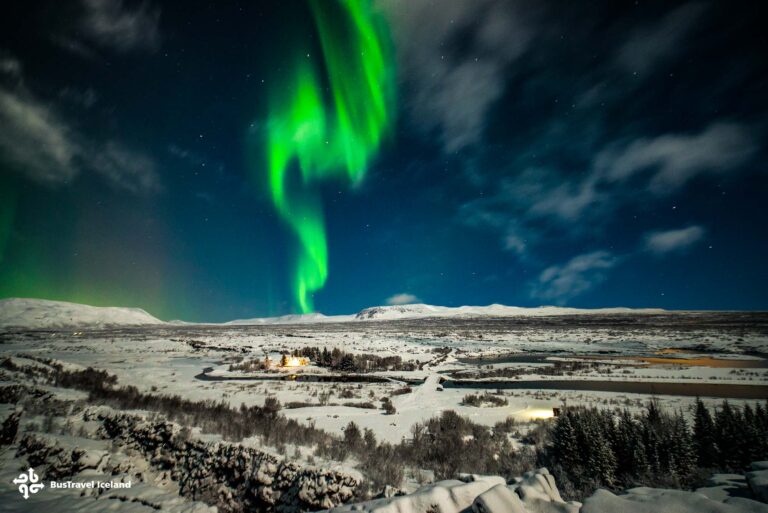
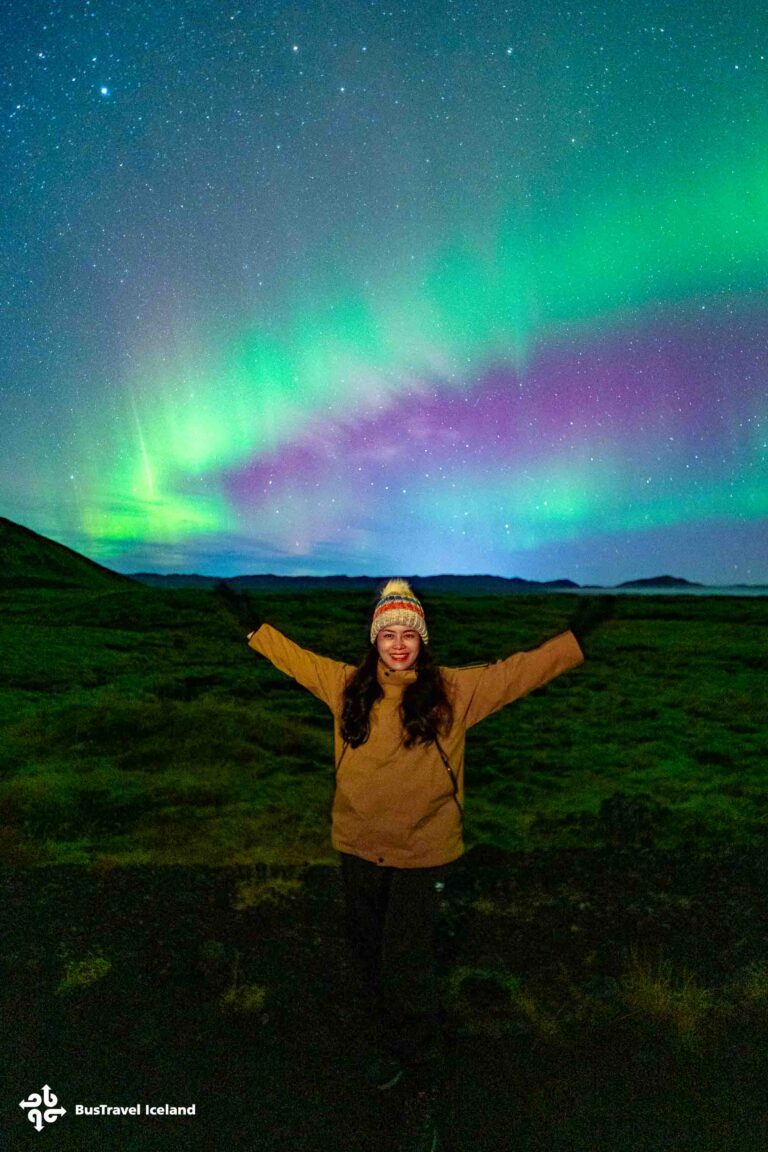
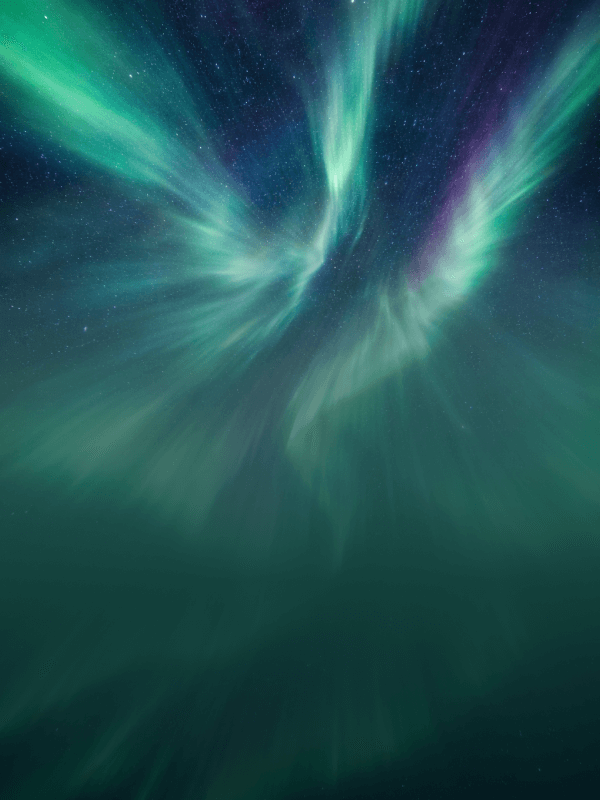
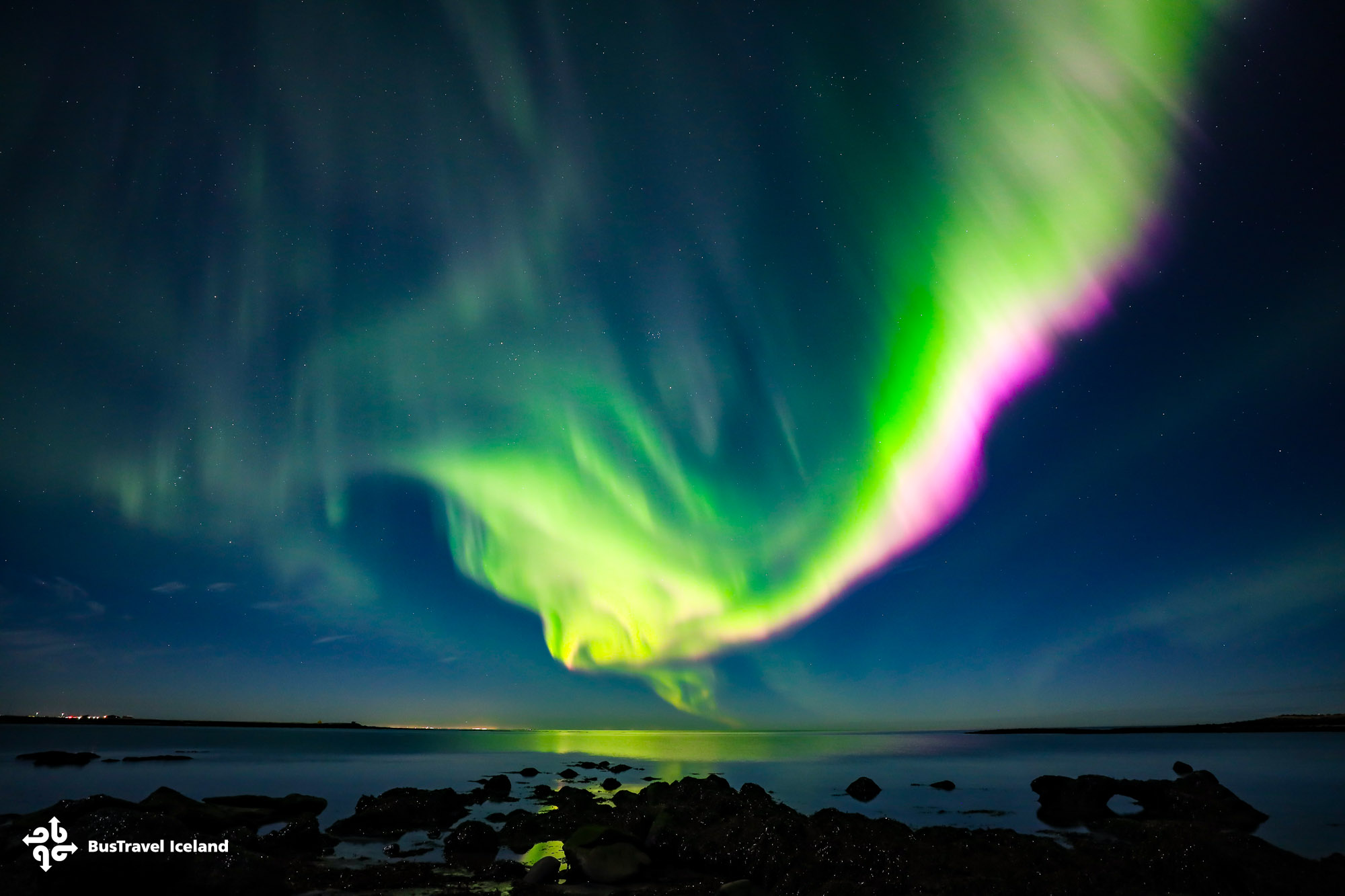
These extended hours of darkness provide ample opportunities to search for the Northern Lights, although sightings depend on cloud cover, solar activity and local weather conditions.
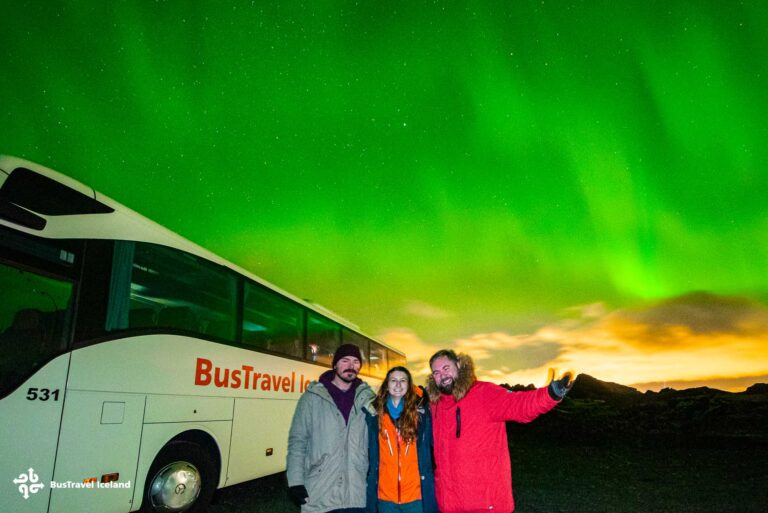
Guided Northern Lights excursions generally travel beyond Reykjavík’s urban lighting to darker countryside locations, with destinations selected according to the evening’s forecast.
The aurora borealis is not an Icelandic Christmas tradition, but for people spending the holidays far from home, witnessing the natural phenomenon can become one of the most memorable experiences of the season.
As with any winter outdoor activity in Iceland, allow some flexibility in your itinerary in case weather conditions disrupt your plans.
What to Know Before Visiting Iceland at Christmas
Christmas Eve, rather than Christmas Day, is the principal family celebration in Iceland. Festivities traditionally begin at 6 p.m. on December 24, when families gather for dinner and exchange presents.
You should plan accordingly, as many shops, restaurants and other businesses close early on Christmas Eve and remain closed or operate reduced hours on December 25 and 26.
The weeks leading up to Christmas are generally the best time to experience festive markets, concerts and public events. Between Christmas and New Year’s Eve, you can devote more time to winter sightseeing, geothermal bathing and exploring the countryside.
December weather can be unpredictable, with strong winds, icy roads and snowfall. Book essential activities and meals in advance, but leave sufficient flexibility for changes in weather.
And before you go, there is one Icelandic phrase worth learning for the festive season: Gleðileg jól! — Merry Christmas!