



Understanding Icelandic Weather: Why “If You Don’t Like It, Wait 5 Minutes” Is True
- Good to Know
- 22 Oct 2026
Iceland weather is unpredictable because the island sits in the open North Atlantic, right in the path of the low-pressure systems that sweep between Greenland and Europe. Sunshine, sideways rain and a burst of hail can all show up in one afternoon, and the next valley may be having a different day. That’s why locals […]
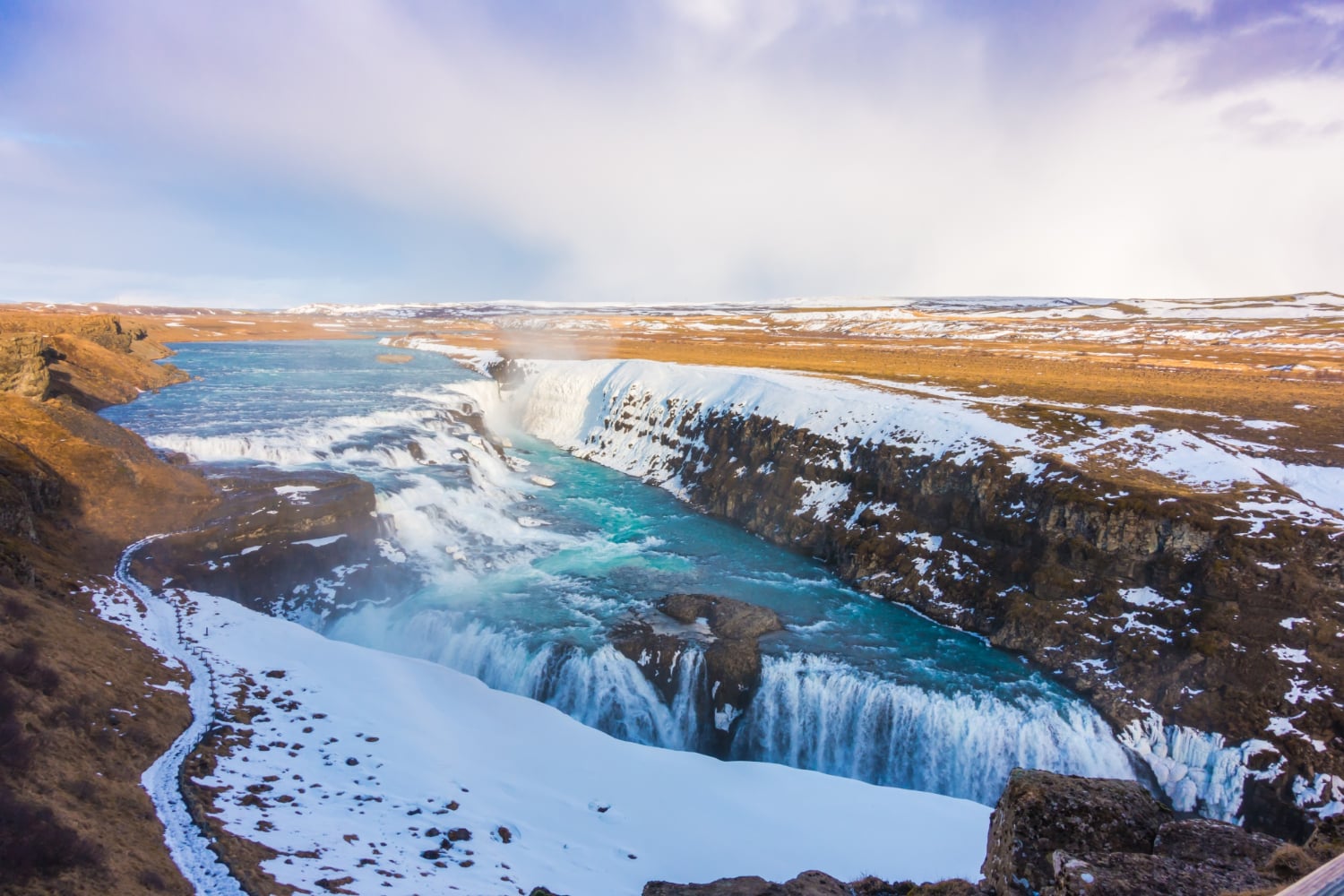
Iceland weather is unpredictable because the island sits in the open North Atlantic, right in the path of the low-pressure systems that sweep between Greenland and Europe. Sunshine, sideways rain and a burst of hail can all show up in one afternoon, and the next valley may be having a different day. That’s why locals tell visitors to wait five minutes. Here’s what drives the changes and how we plan tours around them.
Quite notes on Icelandic Weather
- Iceland weather can turn several times a day because the island sits on a busy storm track.
- Wind decides how cold it feels more than the thermometer does.
- Weather warnings come in yellow, orange and red, region by region.
- Our drivers and operations team adjust tours when conditions turn.
Why Is Iceland’s Weather So Unpredictable?
Weather systems cross open ocean with nothing to slow them before they reach Iceland, so a front can roll in within an hour of a clear sky. Mountains, glaciers and fjords then bend the wind and trap clouds, which is how one town gets rain while the next one gets sun.
The upside is that bad weather often moves on quickly, and a gray morning can turn into a bright afternoon. Pack for rain on a sunny morning, and don’t write off a day after the first shower.
How Cold Does It Get, and Why Does Wind Matter?
It’s milder than most people expect. Reykjavik sits at 64 degrees north, yet its coldest month averages about 0.7°C (33°F), thanks to the warm North Atlantic Current, and July averages around 11.7°C (53°F). Our packing list for coach tour travelers covers the layers that work in both seasons.
Wind is what catches visitors off guard. Icelandic forecasts measure it in meters per second, and 15 m/s (54 km/h) at 0°C feels closer to -8°C (17°F) on bare skin.
What Do Iceland Weather Warnings Mean?
The Icelandic Meteorological Office color-codes warnings for each region on a map on its homepage:
- Yellow: uncomfortable conditions that call for extra care on rural roads.
- Orange: dangerous weather, when non-essential travel should wait and tours may change plans.
- Red: rare, extreme conditions, with advice to stay indoors until the warning passes.
Because warnings are regional, an orange alert in the south does not mean the whole country is shut down. Check which area a warning covers before you cancel anything.
How Do Our Guides Plan Around the Weather?
Our coach drivers watch live weather radar, road status from the Icelandic Road and Coastal Administration and aurora forecasts. They work with our operations team that can cancel, divert or shorten a tour as soon as conditions turn. See why that matters in our guide to self-drive vs. guided tours in winter.
That’s the real advantage of a guided tour, since the weather call is made hours ahead by a team watching the data. Northern Lights tours work the same way, a decision on whether the Northern Lights tour will operate is made ahead of departure each day, based on cloud cover and aurora forecasts. The timing may vary, but guests will be informed in good time.
Leave the Forecast to Us This Winter
Book one of our winter tours in Iceland and spend the day watching the scenery while our team keeps an eye on the sky.
Frequently Asked Questions
When does Iceland have the calmest weather?
June to August usually brings the mildest temperatures and fewer storms. Rain and wind still happen, so pack a waterproof layer whatever the month. Winter storms are more frequent, but calm, clear days still come between them.
Is an umbrella useful in Iceland?
Rarely, because rain often arrives sideways and a strong gust can wreck an umbrella in seconds. A hooded waterproof jacket does the job far better. It also leaves your hands free for photos.
Where can I check road conditions in Iceland?
The Icelandic Road and Coastal Administration runs umferdin.is, with live road conditions and closures. SafeTravel.is posts travel alerts and safety advice for visitors. Check both before any self-drive day, especially between October and April.