




What to Wear on a Northern Lights Tour to Stay Warm
- Northern Lights
- 5 Sep 2026

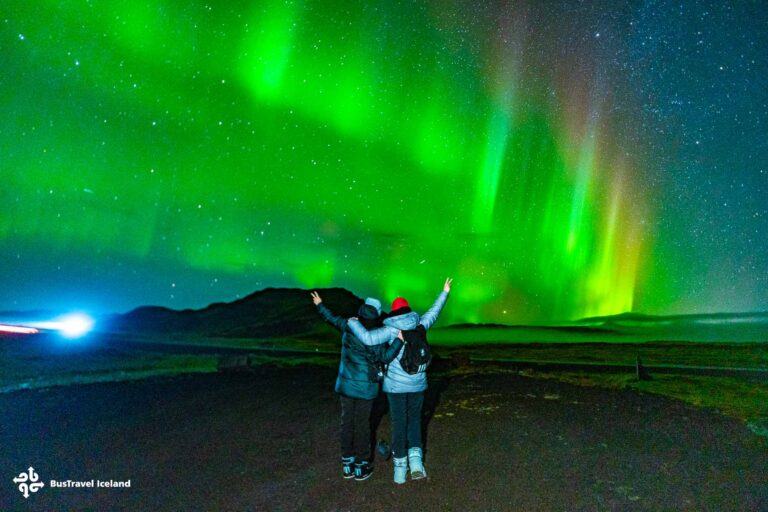
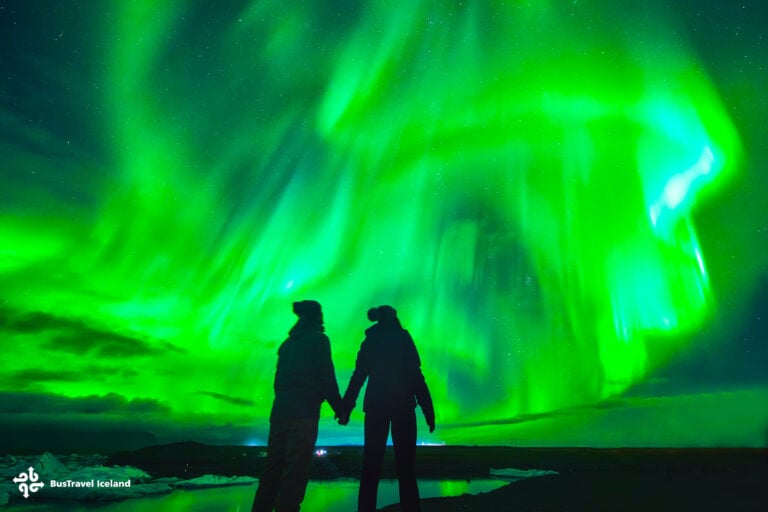
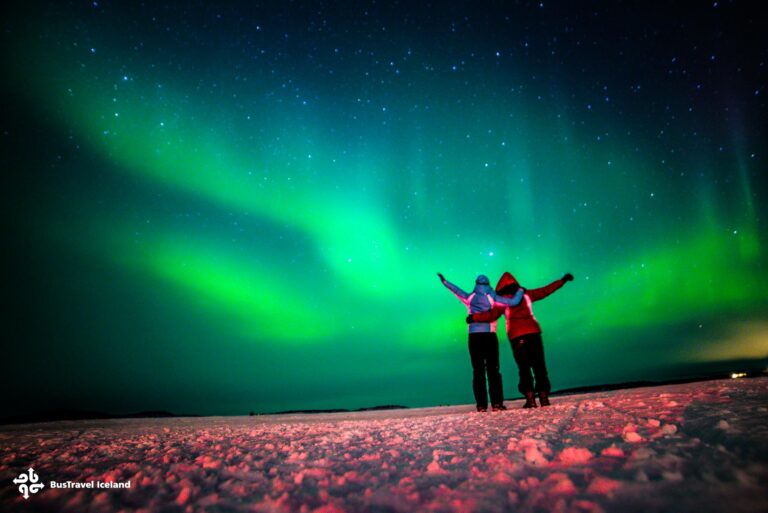
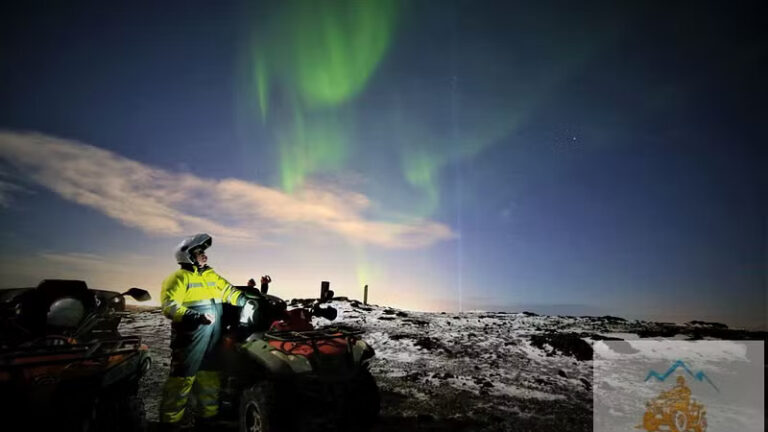
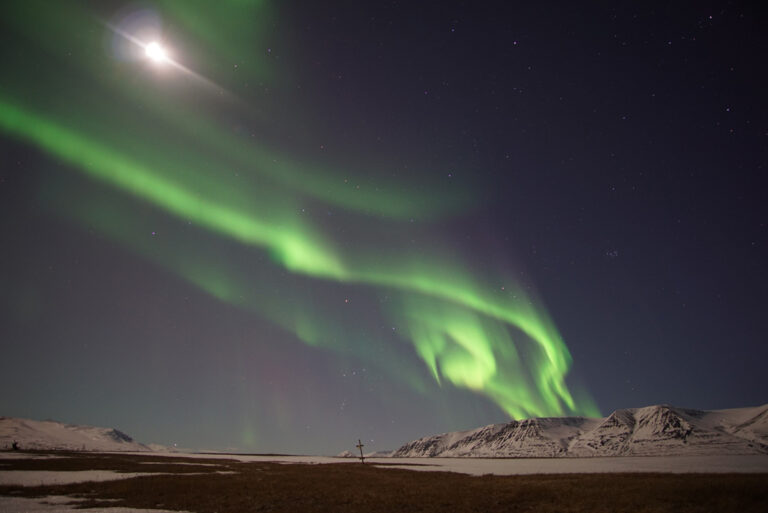
The Northern Lights can appear in Iceland from late August and September through mid-April, whenever the skies are dark and clear enough. That means aurora hunting can take place in anything from crisp autumn weather to freezing winter conditions. Unlike sightseeing from the bus, you may spend long periods standing still outside in the dark and exposed to Iceland’s wind. Get the layers right and you can stay warm and comfortable for as long as the lights keep dancing.
In this guide, you’ll learn exactly what to wear for a Northern Lights tour in Iceland, including the best layering system, essential winter clothing, footwear, gloves, and accessories to stay warm and comfortable while watching the aurora during your winter trip to Iceland.

Key Takeaways
- Aurora tours mean standing still outdoors late at night, so dressing for the cold is the key to enjoying them.
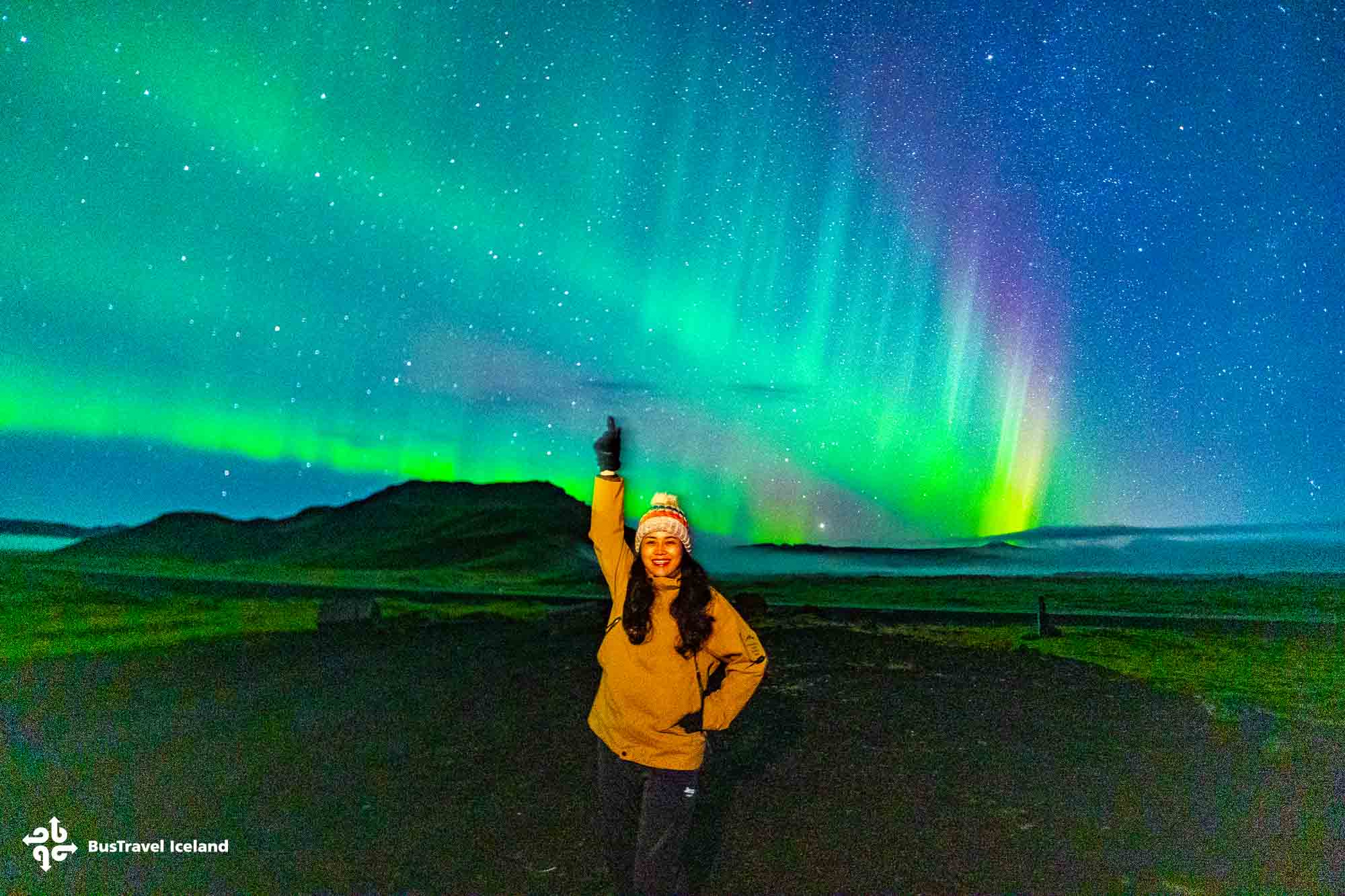
- Layering beats one heavy coat: a merino base, an insulating mid-layer, and a windproof, waterproof shell.
- Cover the extremities with a warm hat, gloves, thick socks, and waterproof boots.
- BusTravel Iceland coaches are warm between stops, so layers you can remove easily are ideal.
Start With a Merino Base Layer
Your base layer sits against your skin and manages moisture, which is what keeps you warm. Merino wool is the best choice because it insulates even when slightly damp and does not hold odor, unlike cotton, which traps sweat and chills you fast.
Wear a long-sleeve merino top and leggings under everything else. Cotton is the one fabric to avoid completely, because once it gets damp it pulls heat straight out of your body.

Add an Insulating Mid-Layer
The mid-layer traps warm air, and this is where you control how much heat you keep. A fleece or a light down or synthetic jacket works well, and on the coldest nights you can wear both.
The advantage of a separate mid-layer is flexibility. Because the coach stays warm between stops, layers you can quickly add or remove keep you comfortable all evening rather than sweating on the bus and freezing outside.
Finish With a Windproof, Waterproof Shell
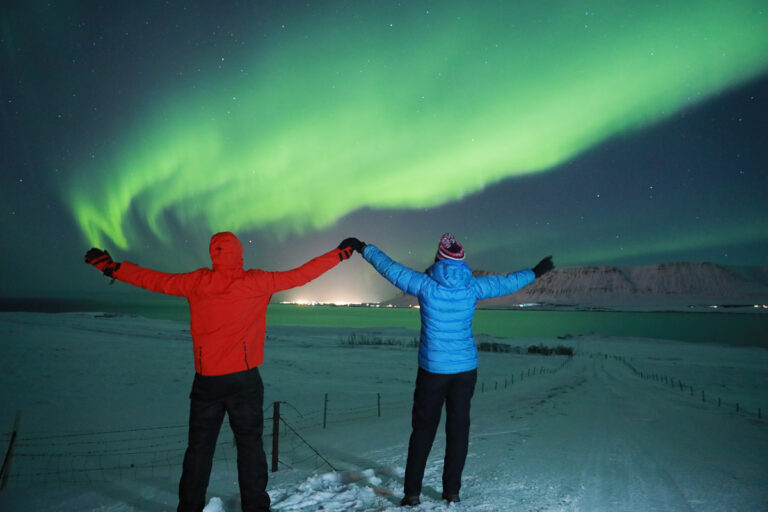
Wind is what makes an Icelandic winter night feel brutal, so your outer shell needs to block it. A windproof and waterproof jacket and over-trousers stop the wind from stripping away the warmth your other layers have built up.
Choose a shell with a hood, since wind chill at an exposed aurora viewpoint can be severe. Even on a dry night, the shell makes a noticeable difference to how long you can stand still outside.

Don’t Forget Your Hands, Feet, and Head
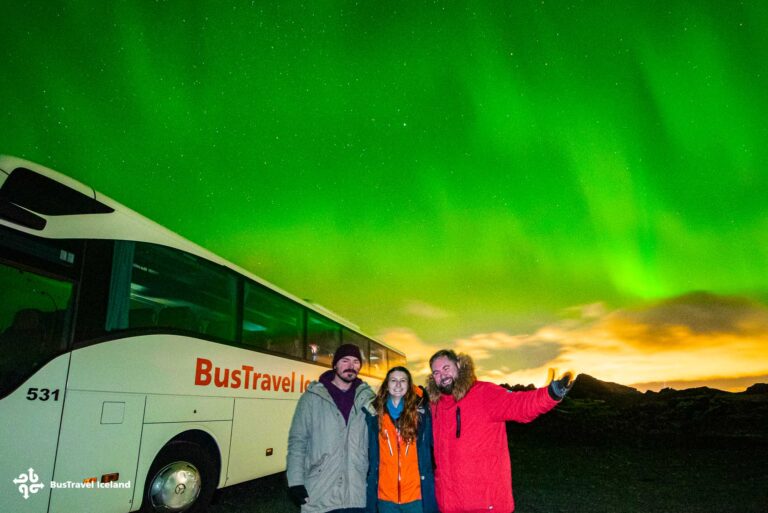
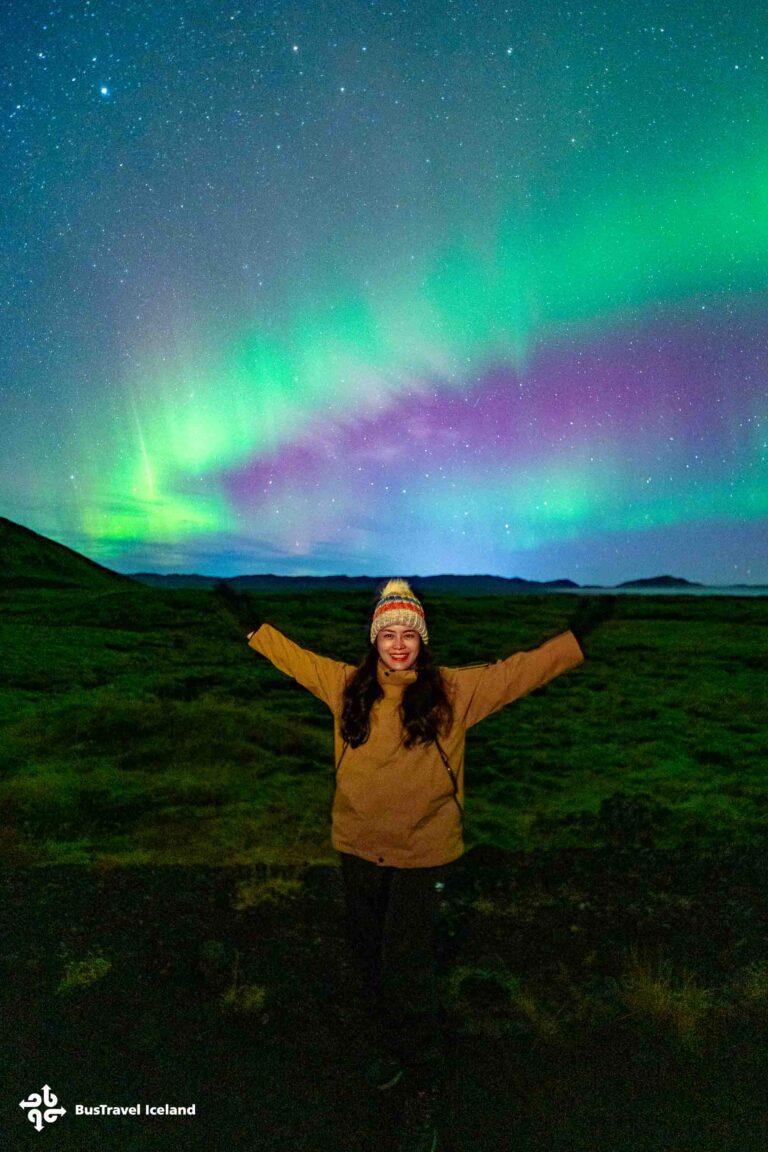
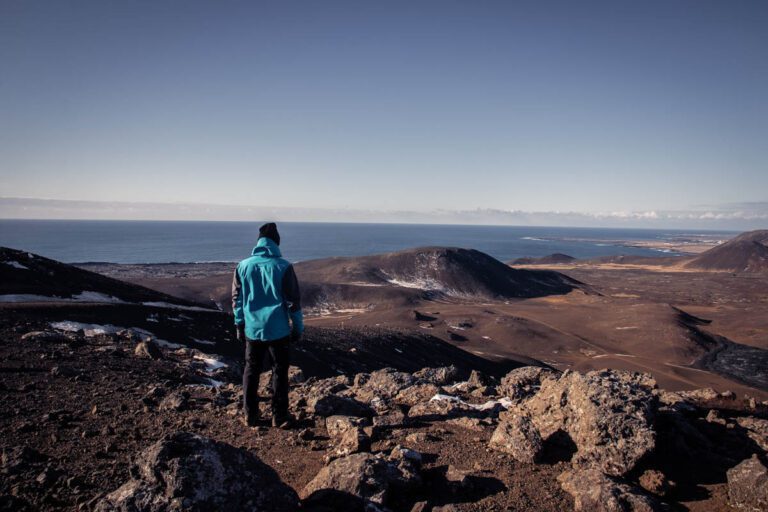
Most of your discomfort on a cold night comes from your hands, feet, and head. Pack a warm hat that covers your ears, insulated gloves, thick wool socks, and waterproof boots with good grip for icy or snowy ground.
Hand and foot warmers are cheap, pack flat, and are worth bringing if you feel the cold easily. Warm feet in particular will let you enjoy the lights instead of counting the minutes until you can get back on the bus.

Plan Your Night and Your Day Tour
Dress in these layers and a long aurora hunt becomes genuinely comfortable, which means you will stay out for the best of the show. While you are planning, take a look at our companion guide on photographing the Northern Lights with a smartphone so you come home with the shots too.
Many guests pair an evening aurora tour with daytime sightseeing. To make the most of a winter visit, book the winter version of our most popular route, the Golden Circle day tour, and join an aurora hunt the same night through our Northern Lights tours.
Frequently Asked Questions
How cold does it get on a Northern Lights tour in Iceland?
Winter nights in and around Reykjavík often sit between minus five and plus five degrees Celsius, but wind chill at an exposed viewing spot makes it feel much colder. You will also be standing still for long stretches. Proper layers are essential for staying comfortable outdoors.
What should I wear on an aurora tour?
Wear a merino base layer, an insulating fleece or down mid-layer, and a windproof, waterproof shell, plus a hat, gloves, thick socks, and waterproof boots. Avoid cotton against the skin. The goal is layers you can adjust between the warm coach and the cold outdoors.
Are BusTravel Iceland buses heated?
Yes. The coaches are warm and comfortable between stops, so you only face the cold while you are outside watching the lights. That is why easily removable layers work best, letting you cool down on the bus and bundle up outside.