



Reykjavik as a Basecamp: Best Day Trips from the Capital
- Reykjavik
- 9 Jun 2026
Key Takeaways:
- The Golden Circle covers Iceland’s three most-photographed sights in one day from Reykjavik.
- The South Coast loop packs waterfalls, black-sand beaches, and a glacier into roughly 12 hours.
- Snæfellsnes Peninsula offers a condensed version of Iceland’s landscapes without the crowds on the main routes.
- Northern Lights tours run from September through April when the forecast cooperates.
- Hotel pickup is included on most small-group tours and optional on coach tours, so renting a car isn’t necessary.
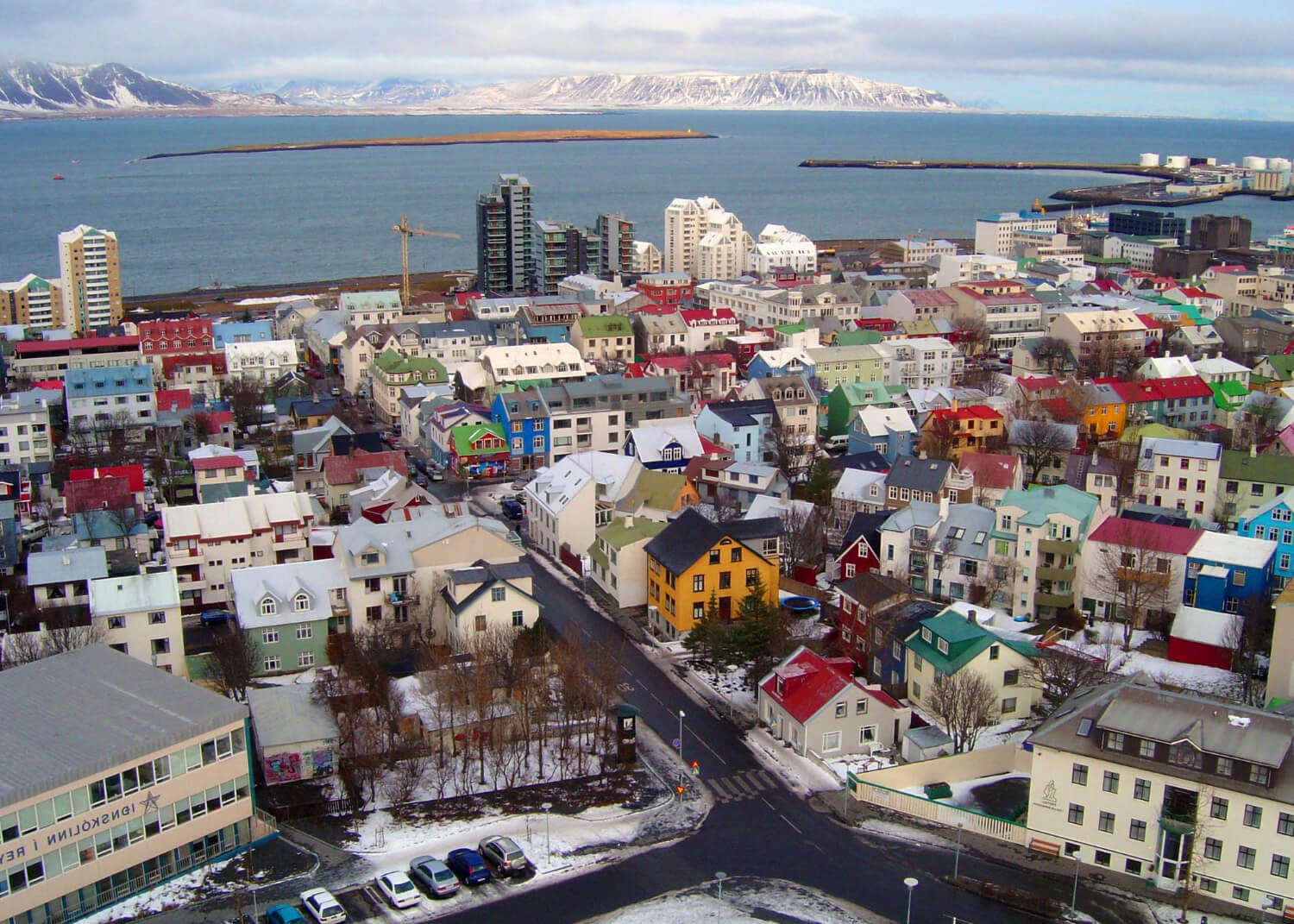
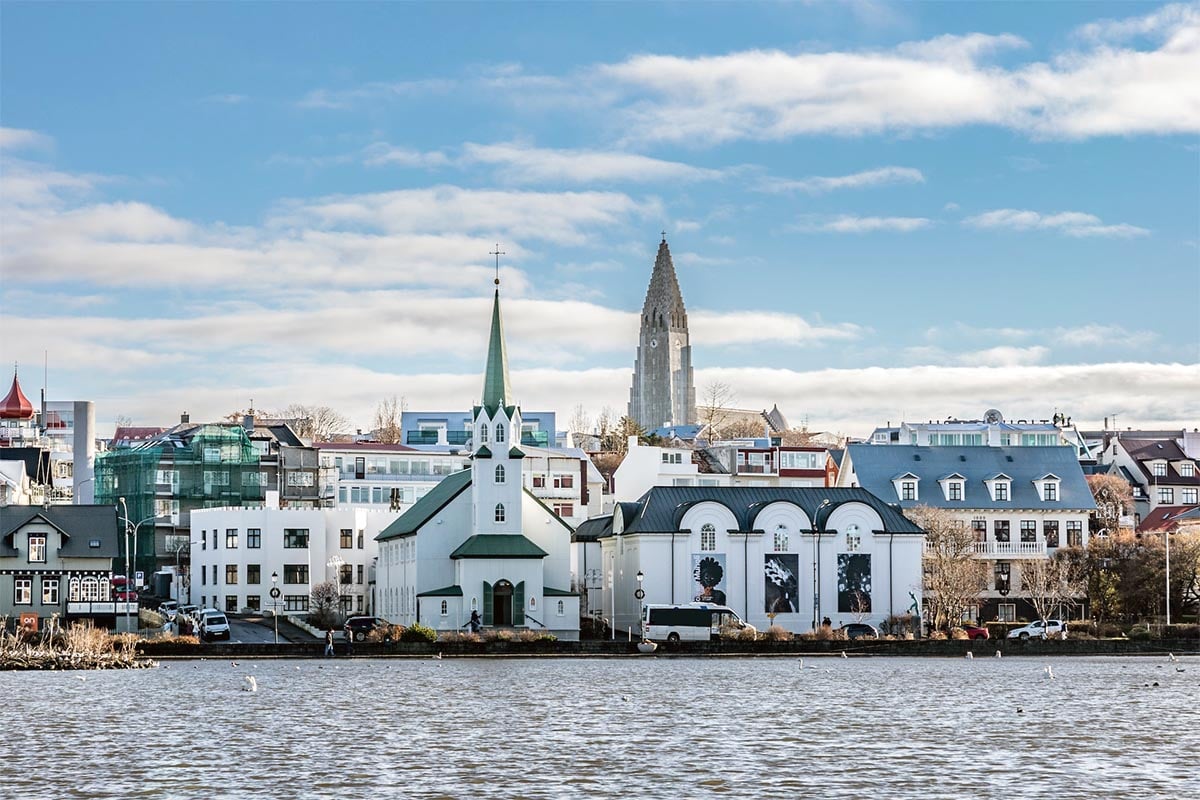
Reykjavik is a city of around 140,000 people. You can walk the downtown core, climb Hallgrímskirkja, eat a hot dog at Bæjarins Beztu, and still have your afternoon free. The Iceland you came to see, the waterfalls, the glaciers, the geysers, sits a few hours outside the city limits.
That’s where day trips come in. Sleep in your hotel, board a coach in the morning, and you’re at the waterfalls and glaciers by lunch, no rental car, no navigation.

Why Reykjavik Works as a Basecamp
Most of Iceland’s big-name sights cluster within a four-hour drive of the capital. The Ring Road runs 1,322 kilometers around the country, but you don’t need to drive all of it. Three regions, the Golden Circle, the South Coast, and Snæfellsnes, hold most of the postcard scenery, and all three are reachable as a round-trip from Reykjavik. You can see Iceland’s headline landscapes without ever changing hotels, which saves luggage drag and rebooking hassle.
Reykjavik’s airport access, the dense supply of guided tours, and a downtown small enough to cross on foot make the case for staying put.
The Golden Circle: Iceland’s Most Photographed Loop
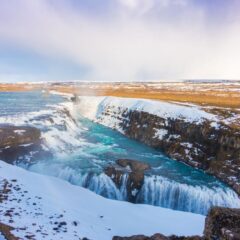
The Golden Circle is the route most first-timers do on day one. It covers Þingvellir National Park, where the North American and Eurasian tectonic plates pull apart, the Geysir geothermal area where Strokkur erupts every six to ten minutes, and Gullfoss, a two-tier waterfall on the Hvítá river.
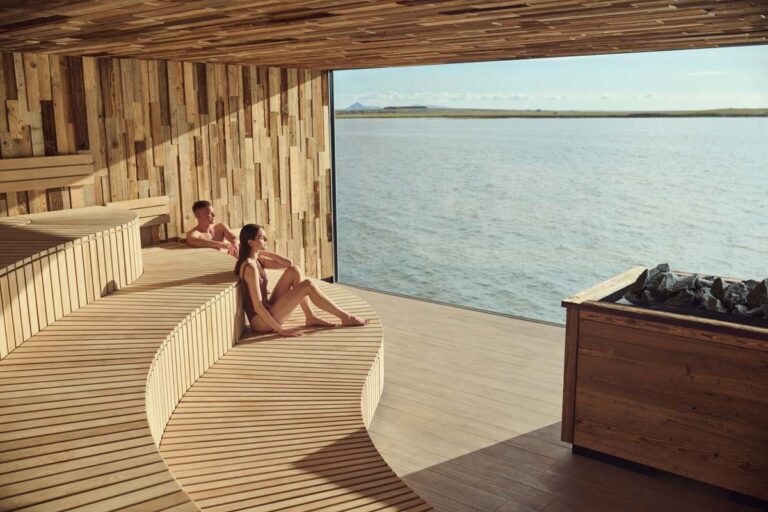
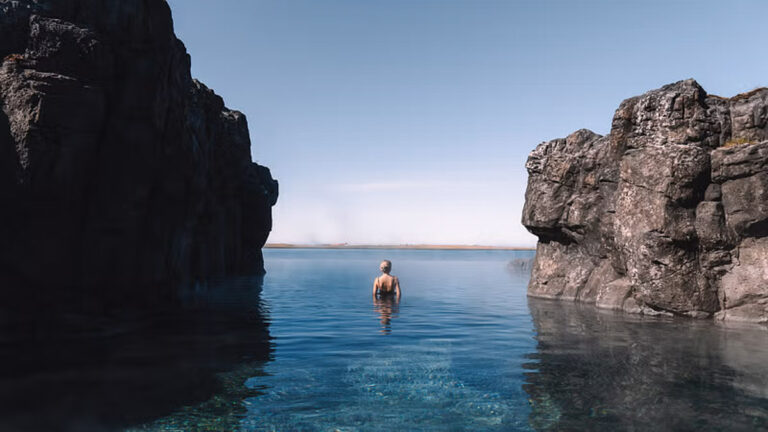
The full loop runs about 230 kilometers, and most guided tours wrap in eight to nine hours, including stops. If you only have one full day outside Reykjavik, this is the one. Many operators add a stop at the Secret Lagoon or the Friðheimar tomato farm to round out the day.

The South Coast: Waterfalls, Black Sand, and a Glacier
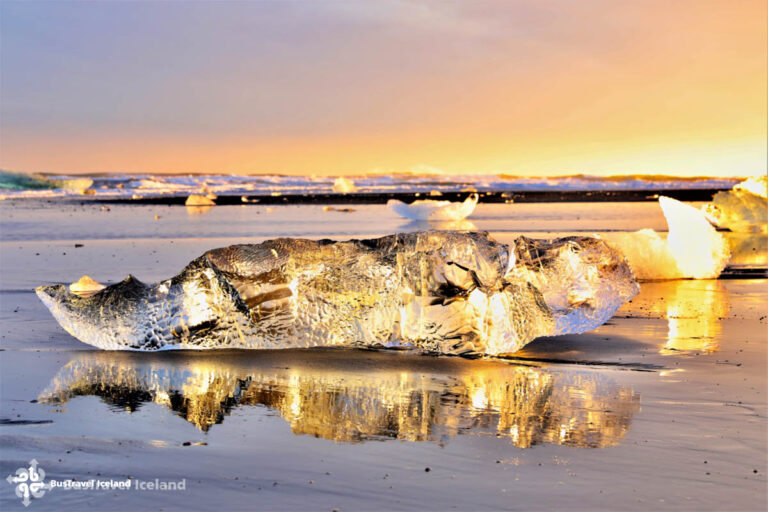
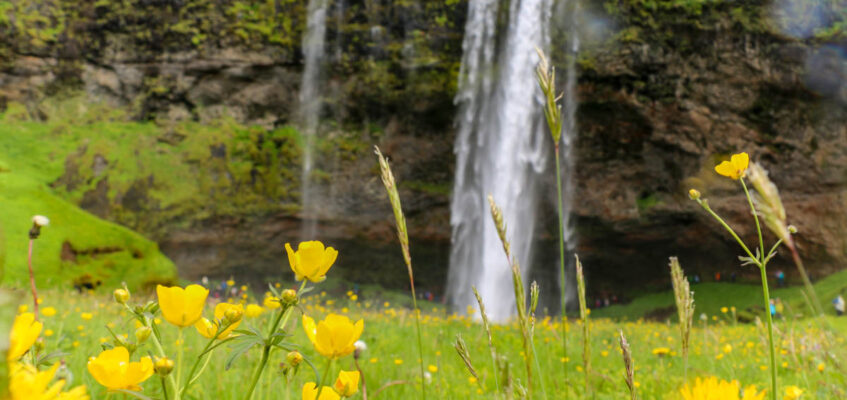
The South Coast is louder, wetter, and more dramatic than the Golden Circle. A typical day trip covers Seljalandsfoss (the waterfall you can walk behind), Skógafoss (a 60-meter wall of water), the Reynisfjara black-sand beach near Vík, and a roadside glacier viewpoint at Sólheimajökull.
You’re looking at roughly 400 kilometers round-trip and twelve hours on the coach. The South Coast feels like Iceland in concentrate, four landscapes in one day. Bring waterproofs; the spray off the falls will soak you in summer and freeze on you in winter.

Snæfellsnes Peninsula: Iceland in Miniature
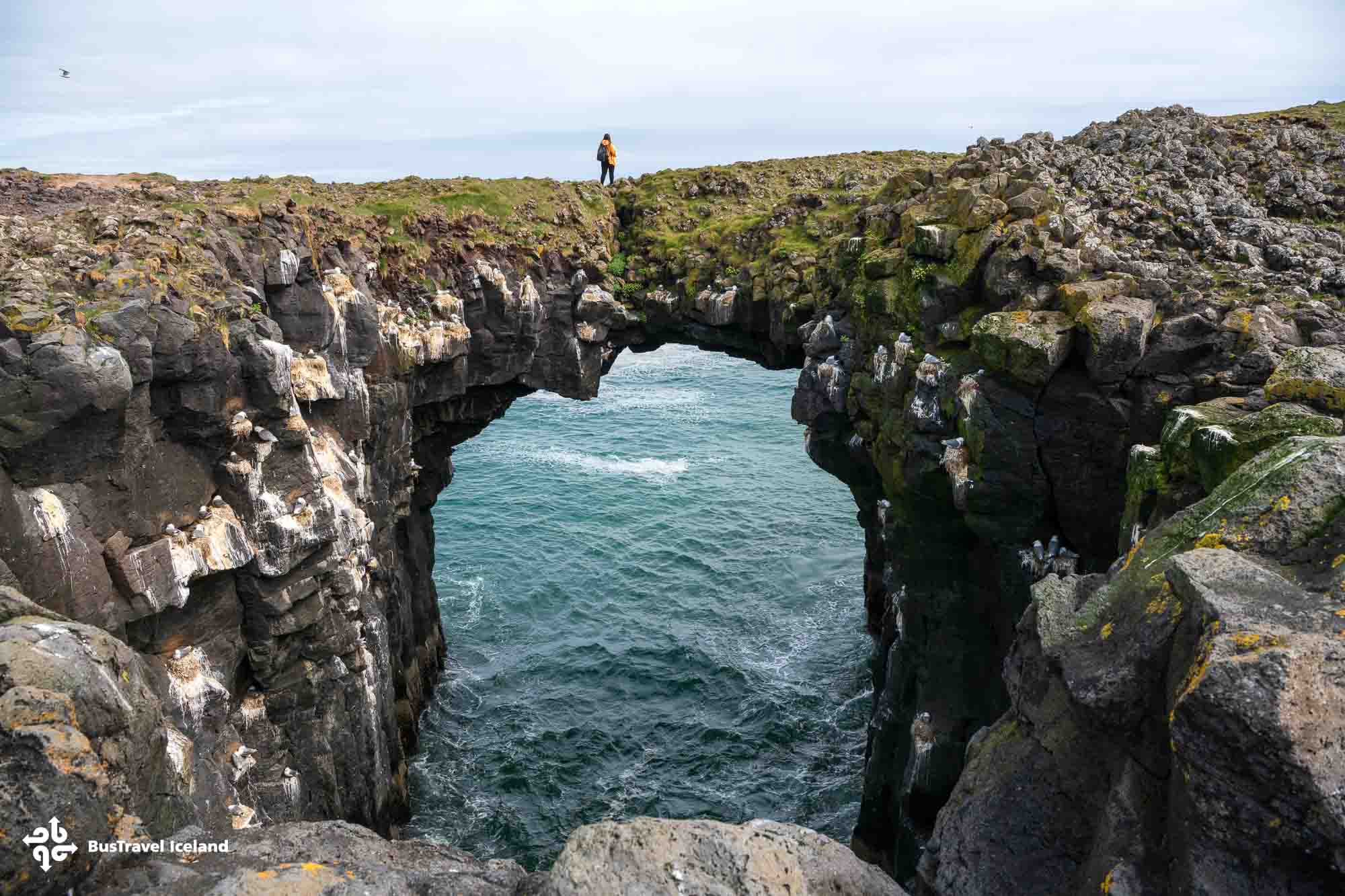
Snæfellsnes earns its “Iceland in miniature” tag because it stacks lava fields, fishing villages, sea cliffs, black-pebble beaches, and a glacier-capped volcano into one peninsula. The day trip from Reykjavik is long, around twelve hours, but it skips the South Coast crowds. The headline stop is Kirkjufell, the cone-shaped mountain you’ve seen on every Iceland Instagram feed, and the full route takes in Arnarstapi cliffs, Búðakirkja black church, and the lava tunnel at Vatnshellir if your operator includes it.
Northern Lights, Whale Watching, and Other Half-Day Trips from Reykjavik
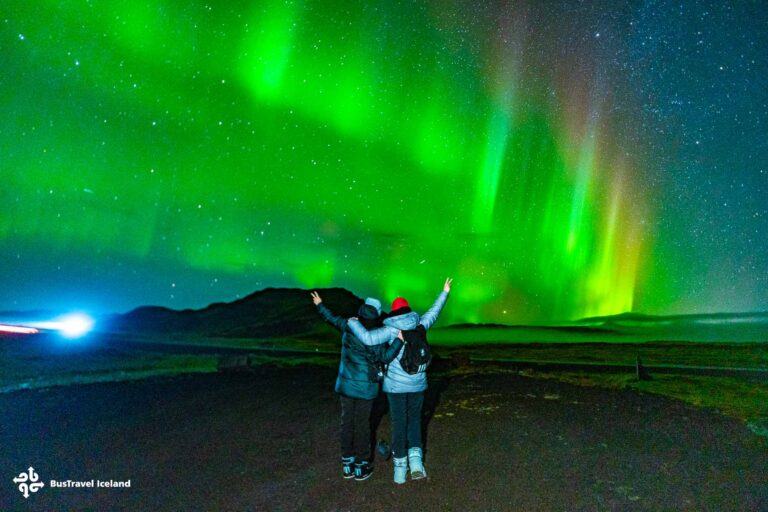
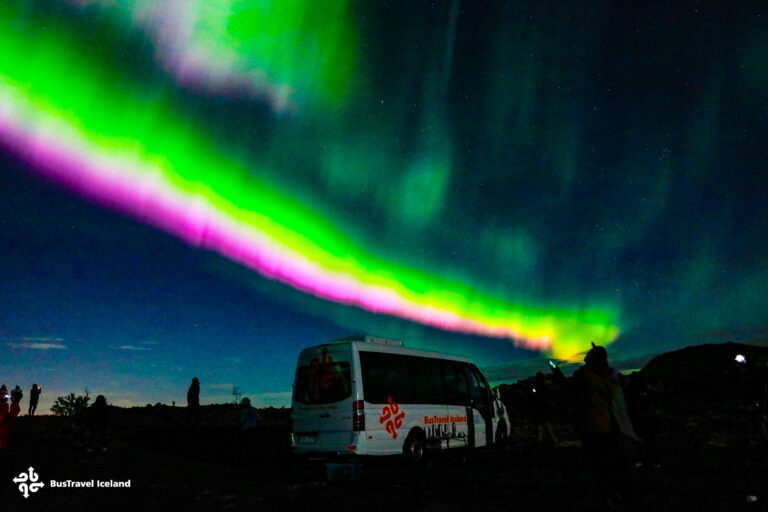
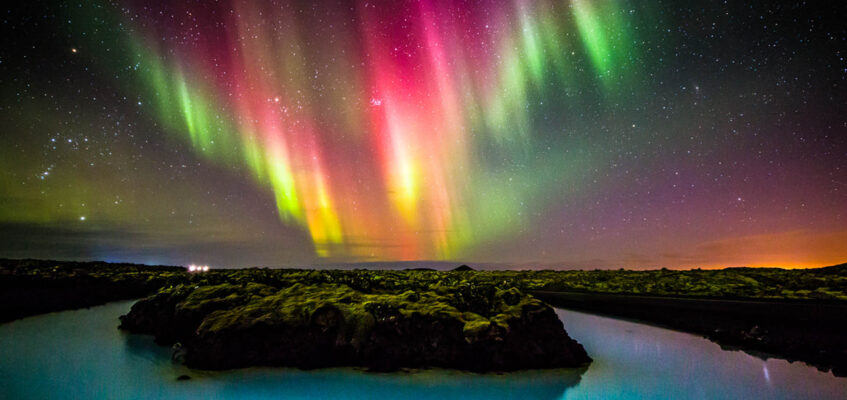
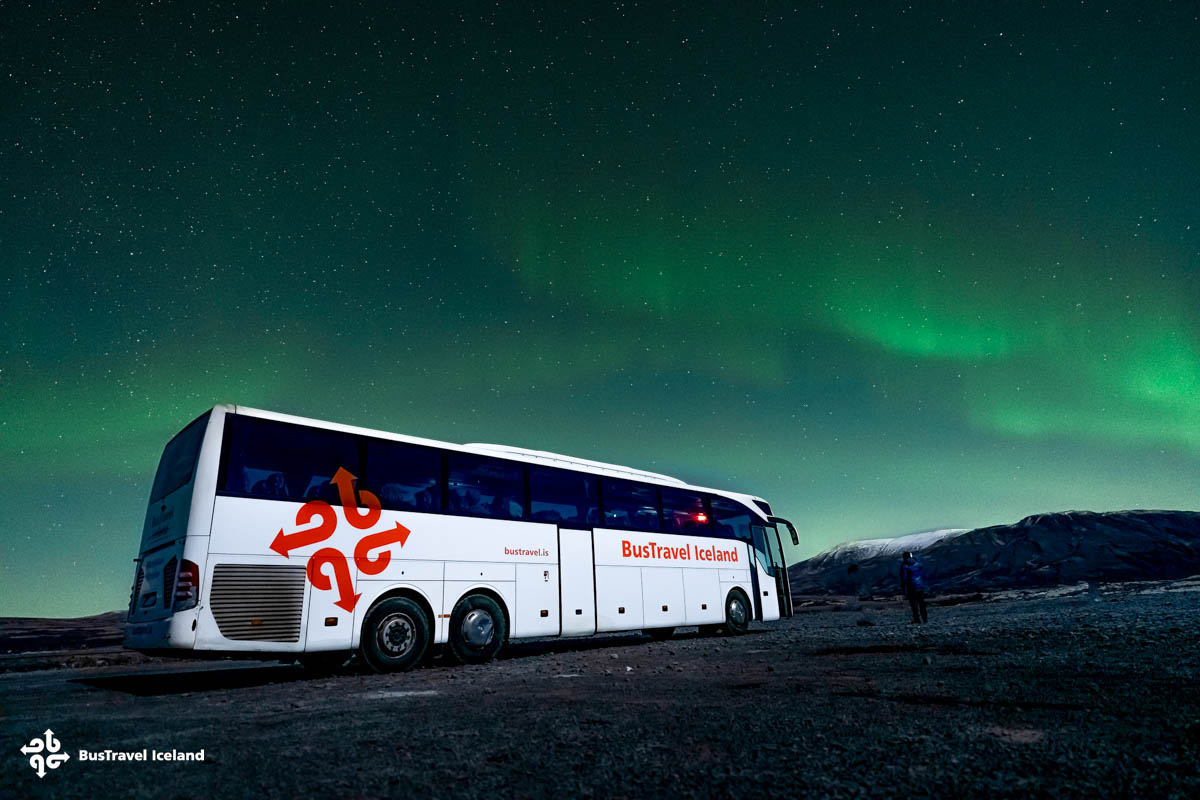
Not every day trip has to eat up your whole day. Northern Lights tours run from late September through early April, leaving Reykjavik in the evening and chasing clear skies for three to four hours. Whale watching boats sail year-round from the Old Harbor; minkes and humpbacks are common in summer, and you’ll often spot dolphins.
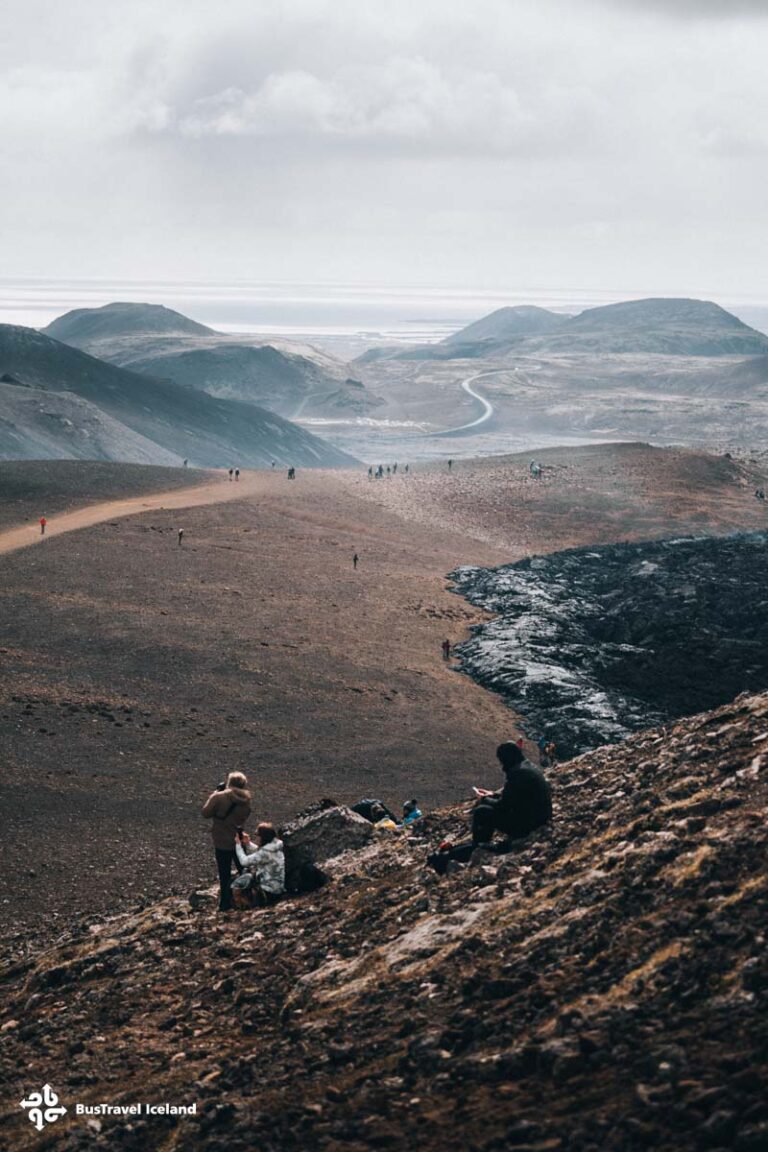
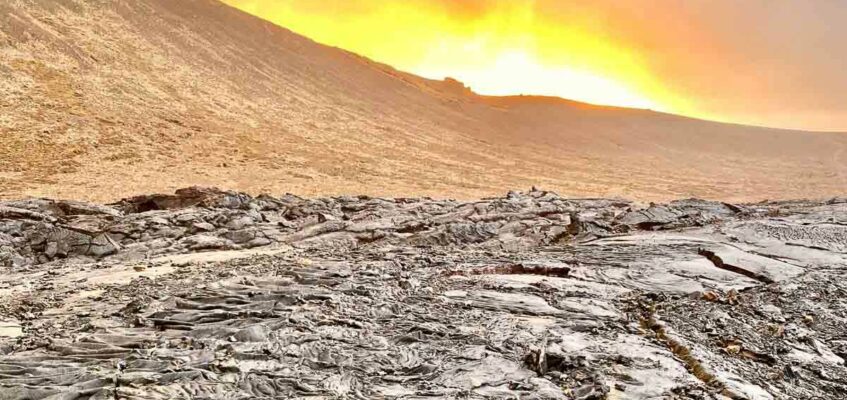
Reykjanes Peninsula tours, lava fields, geothermal spots, and the Bridge Between Continents are short half-day options if your flight leaves in the afternoon. Half-day tours work especially well as bookends to longer trips, slotting in around your arrival or departure day.
Plan your Reykjavik basecamp around guided coach tours and skip the rental-car logistics. BusTravel Iceland runs daily departures to the Golden Circle, the South Coast, and Snæfellsnes with hotel pickup included. Book your day trips before you fly out. The popular routes fill up fast in summer and during the Northern Lights season.
Frequently Asked Questions
How many day trips can I fit into a week in Reykjavik?
Five is realistic without burning out. A standard plan is the Golden Circle on day one, the South Coast on day two, a rest or city day on day three, Snæfellsnes on day four, and a half-day tour, such as whale watching or a Reykjanes tour, on day five. Leave one day flexible for weather changes.
Do I need a rental car to do day trips from Reykjavik?
No. Guided coach tours cover all the major routes with hotel pickup, expert commentary, and no parking headaches. A rental car gives you flexibility but costs more once you factor in fuel, insurance, and the stress of driving on Iceland’s exposed roads in winter.
Are day trips from Reykjavik worth it in winter?
Yes, with caveats. Daylight runs as short as four hours in December, so most tours start in the dark and end in the dark. The trade-off is that winter brings the Northern Lights and quieter sites, snow-covered waterfalls, and frozen geyser basins that are spectacular if you dress for the cold.