



The Best Travel Guide to Iceland in September
- Iceland by Month
- 27 Aug 2026
September is one of the most interesting months to visit Iceland. Summer has not quite disappeared, but autumn is already making itself known. The days become shorter, the landscapes begin to change colour, and the first proper chances of seeing the Northern Lights return to the night sky.In this guide, I will walk you through […]
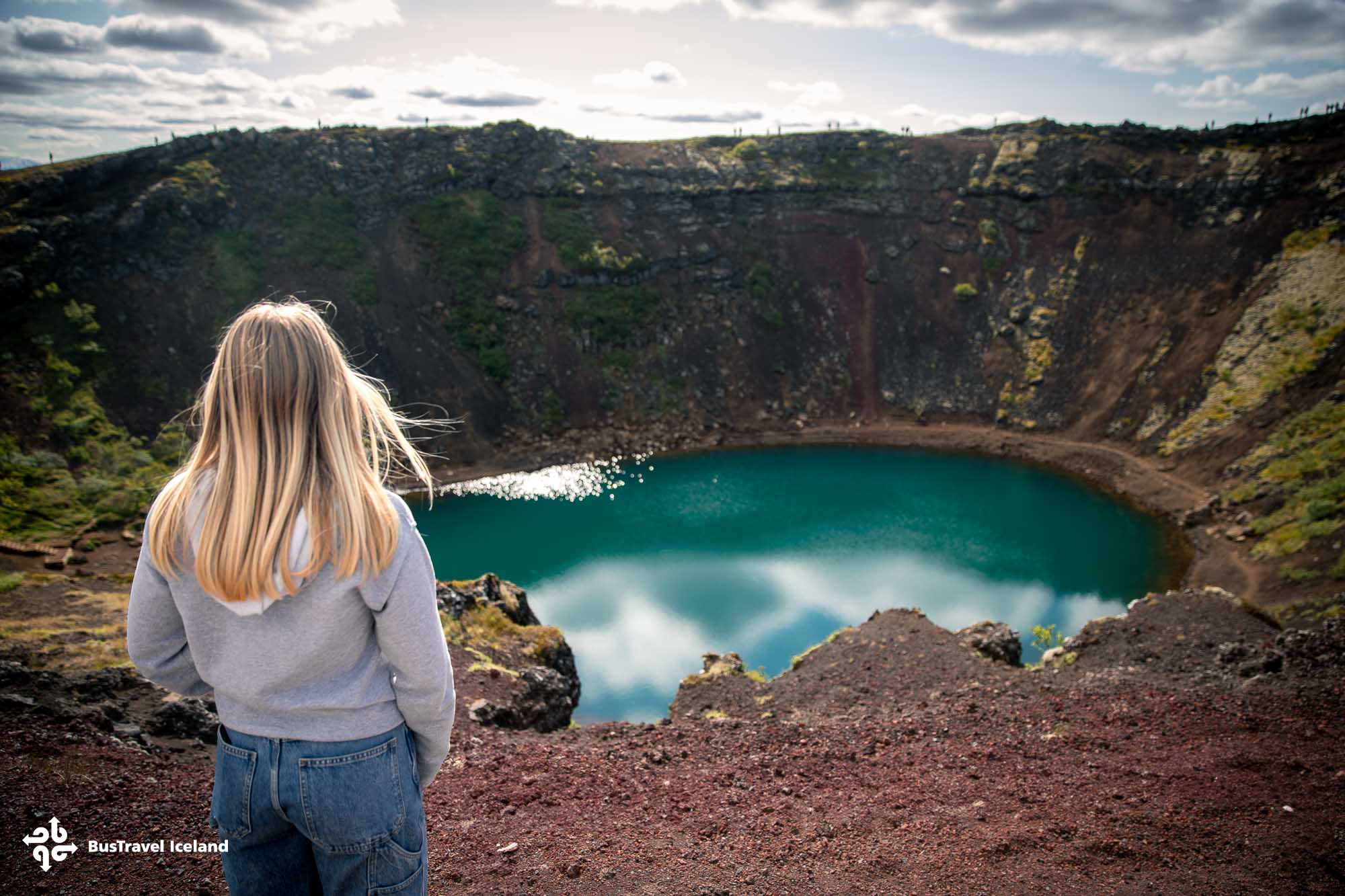
September is one of the most interesting months to visit Iceland. Summer has not quite disappeared, but autumn is already making itself known. The days become shorter, the landscapes begin to change colour, and the first proper chances of seeing the Northern Lights return to the night sky.
In this guide, I will walk you through what Iceland is like in September, including the weather, daylight hours, Northern Lights, road conditions, what to pack, where to go and the best things to do during your trip.
What Is Iceland Like in September?
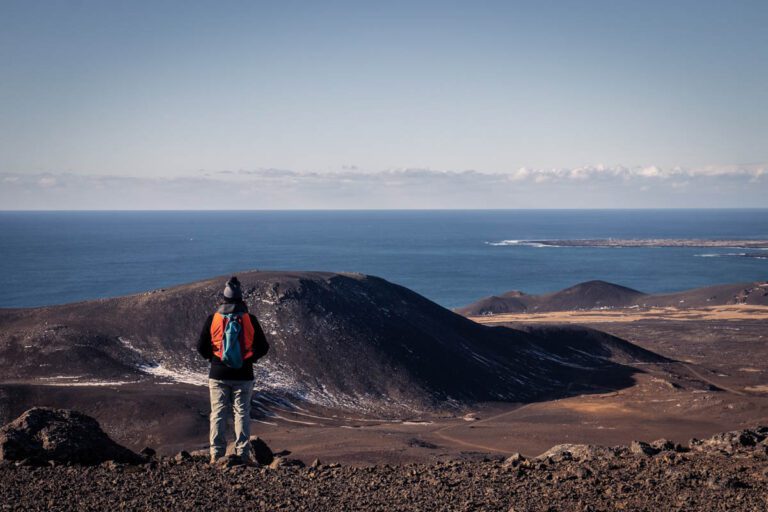
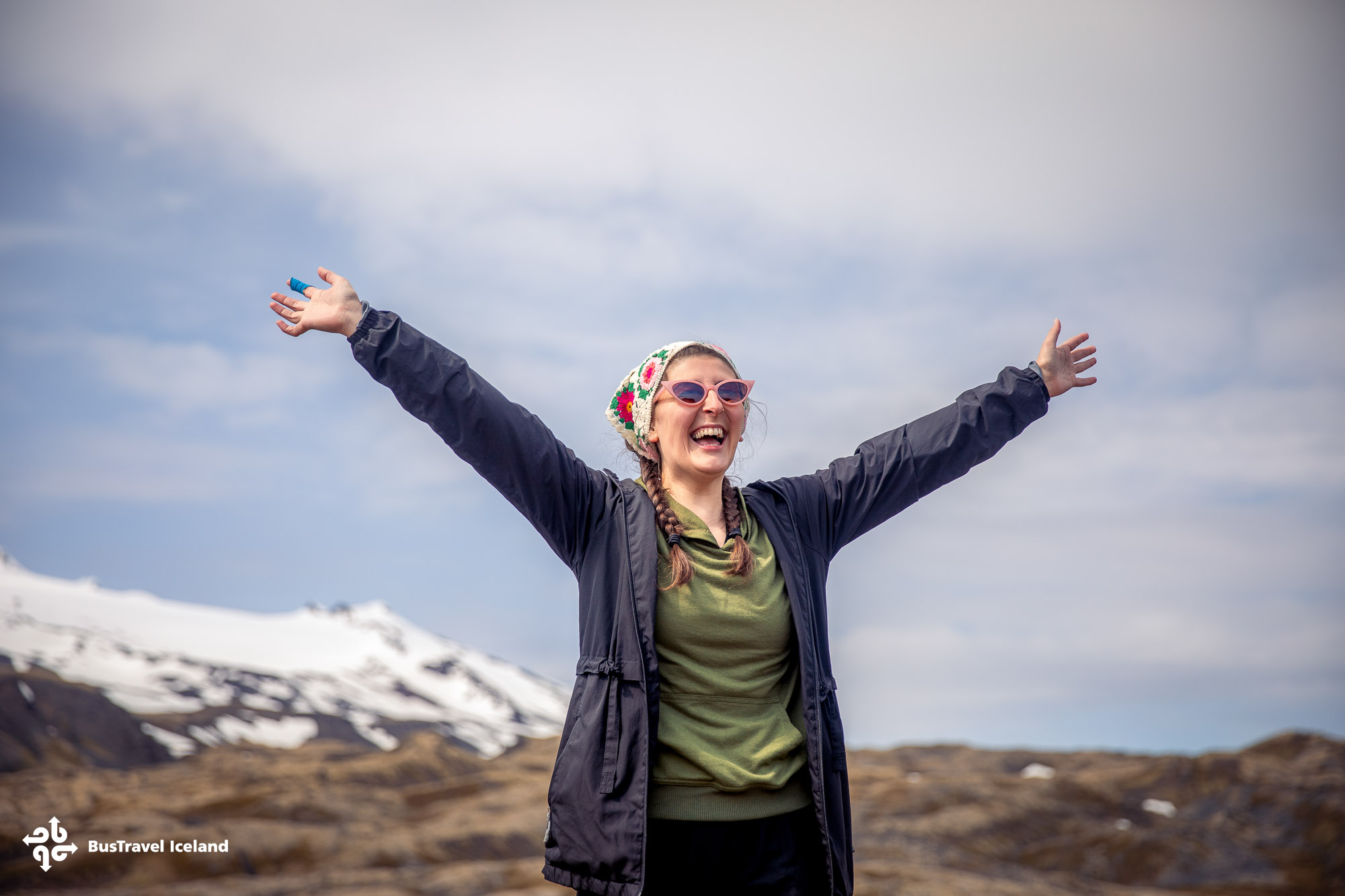
After living in Iceland for 10 years, September has come to mean something quite different to me. It is the month when we finally get proper days and nights again. The almost endless light of summer is beautiful, but every year, I find myself looking forward to this change. The air turns crisper, autumn colours begin appearing across the landscape, and there is a noticeable shift in the atmosphere. For photographers, it is also a particularly beautiful time of year, with a brief window to capture Iceland’s autumn colours before the season moves on.
September sits between Iceland’s short summer and the beginning of autumn. Early in the month, you can still feel surprisingly summery on a calm, sunny day, while later September it often brings cooler temperatures, stronger winds and more changeable weather.
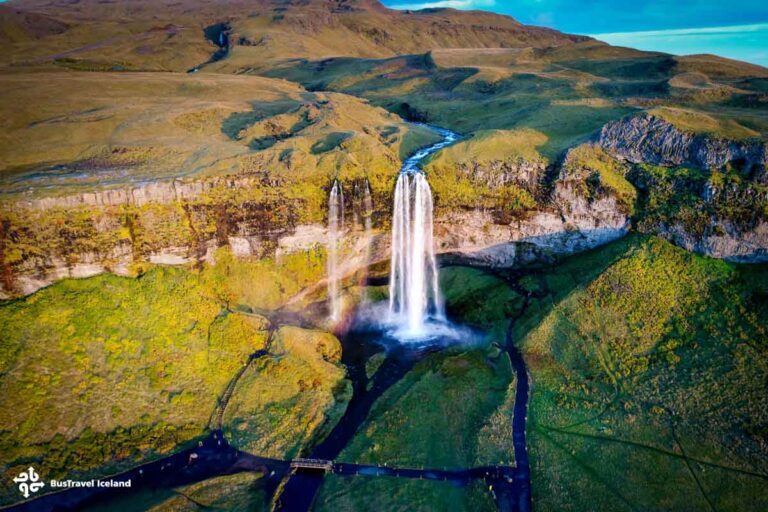
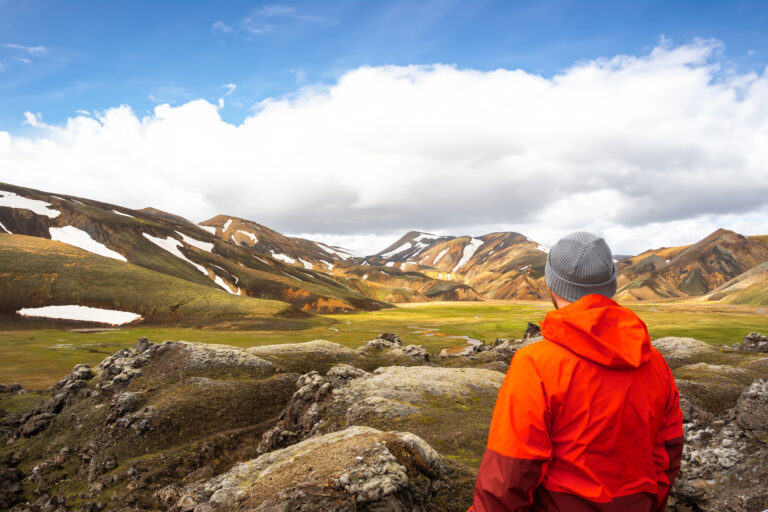
This transition is exactly what makes the month interesting. Green summer landscapes gradually take on shades of yellow, red, gold and brown. Mountains can receive their first dusting of snow, particularly in the north and at higher elevations, while waterfalls and rivers remain powerful after the summer melt.
You also get a useful combination of daylight and darkness. There is still plenty of time to explore during the day, but the nights are finally dark enough for the Northern Lights to become a realistic possibility.

Iceland Weather in September
September weather in Iceland is unpredictable, a perpetual theme for weather in Iceland, even by Icelandic standards. Temperatures in Reykjavík typically sit somewhere around 5–11°C (41–52°F), although warmer and colder days are both possible.
Rain is common, and wind can make the temperature feel considerably colder. You may experience sunshine, rain and strong winds within the same afternoon. In the mountains and northern parts of Iceland, early snow is also possible.
Rather than planning around a perfect forecast, prepare for several kinds of weather every day. Waterproof clothing and warm layers make a much bigger difference than a heavy winter coat alone.
Daylight Hours in September
One of the biggest changes during September is the rapidly shortening daylight.
At the beginning of the month, Iceland still has roughly 14 hours of daylight. By the end of September, this falls to around 11½ hours. Around the autumn equinox, day and night are close to equal length.
For travellers, this is still plenty of daylight for sightseeing. You can comfortably spend a full day exploring the Golden Circle, South Coast, Snæfellsnes Peninsula or other regions without the very short days that arrive later in winter.
The darker evenings also bring an important bonus: Northern Lights season.

Can You See the Northern Lights in Iceland in September?
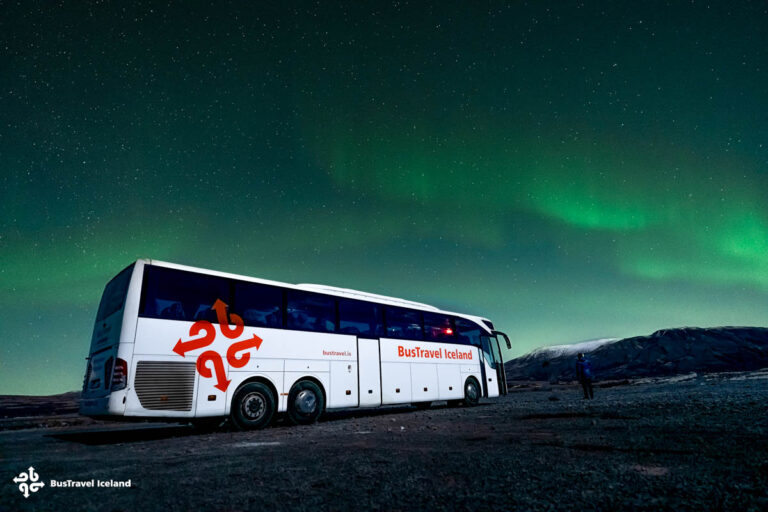
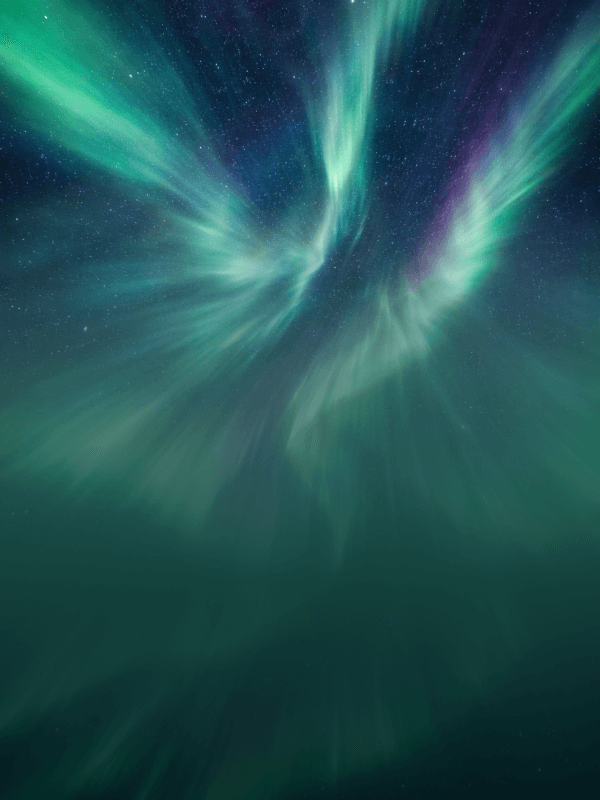
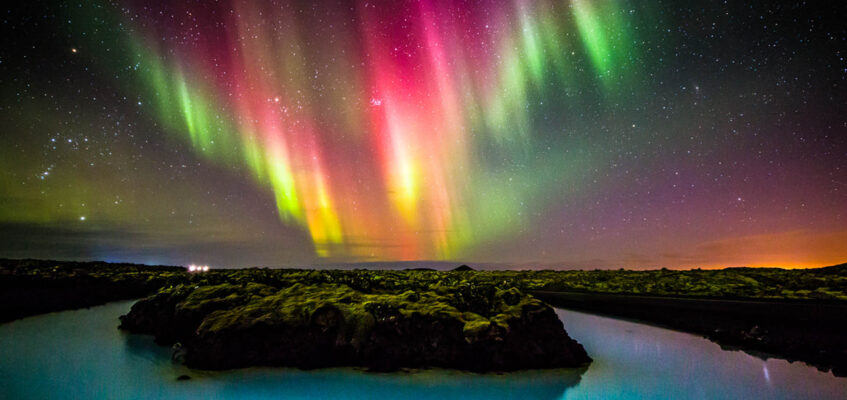
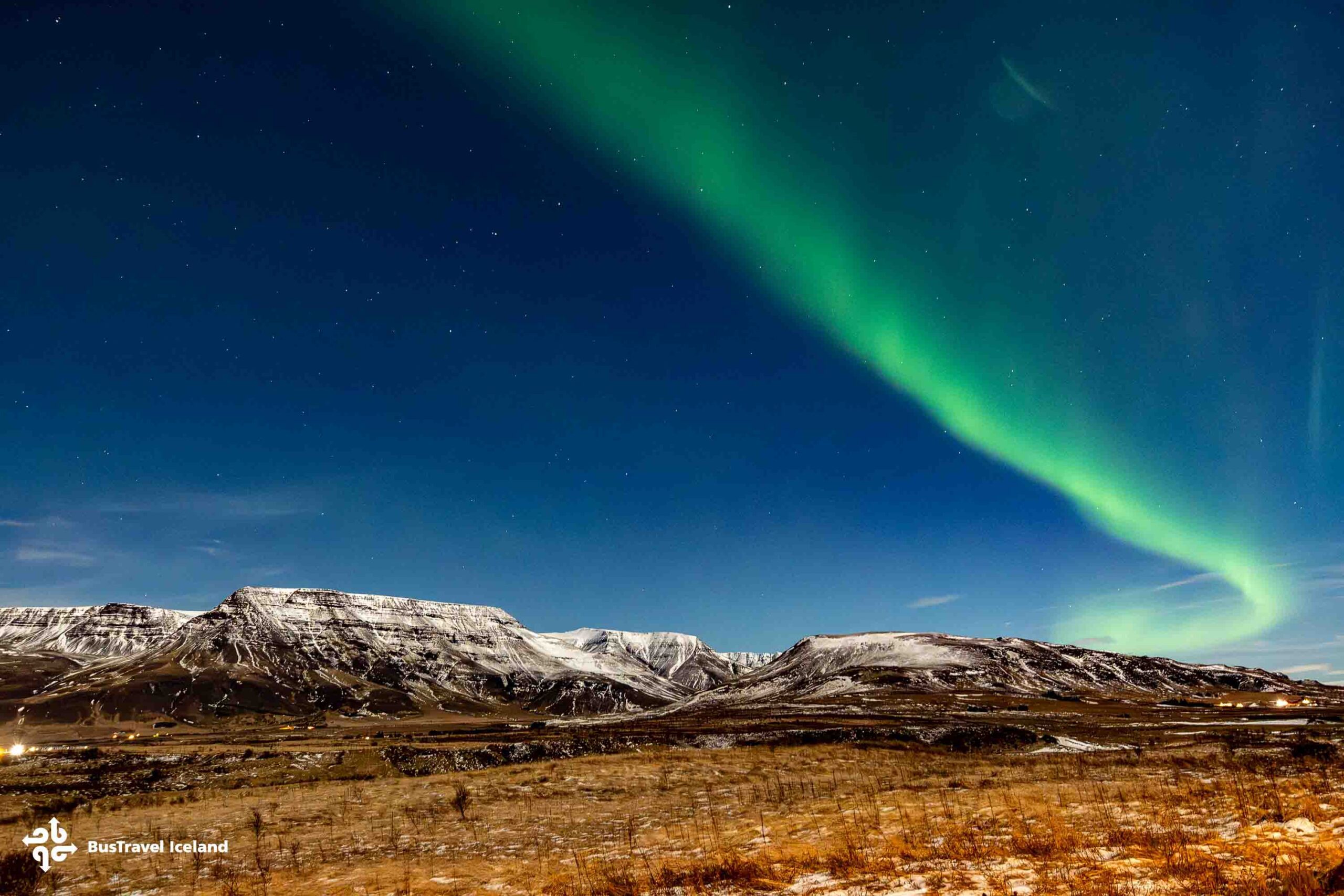
Yes. September is the beginning of one of the best periods of the year for seeing the Northern Lights in Iceland.
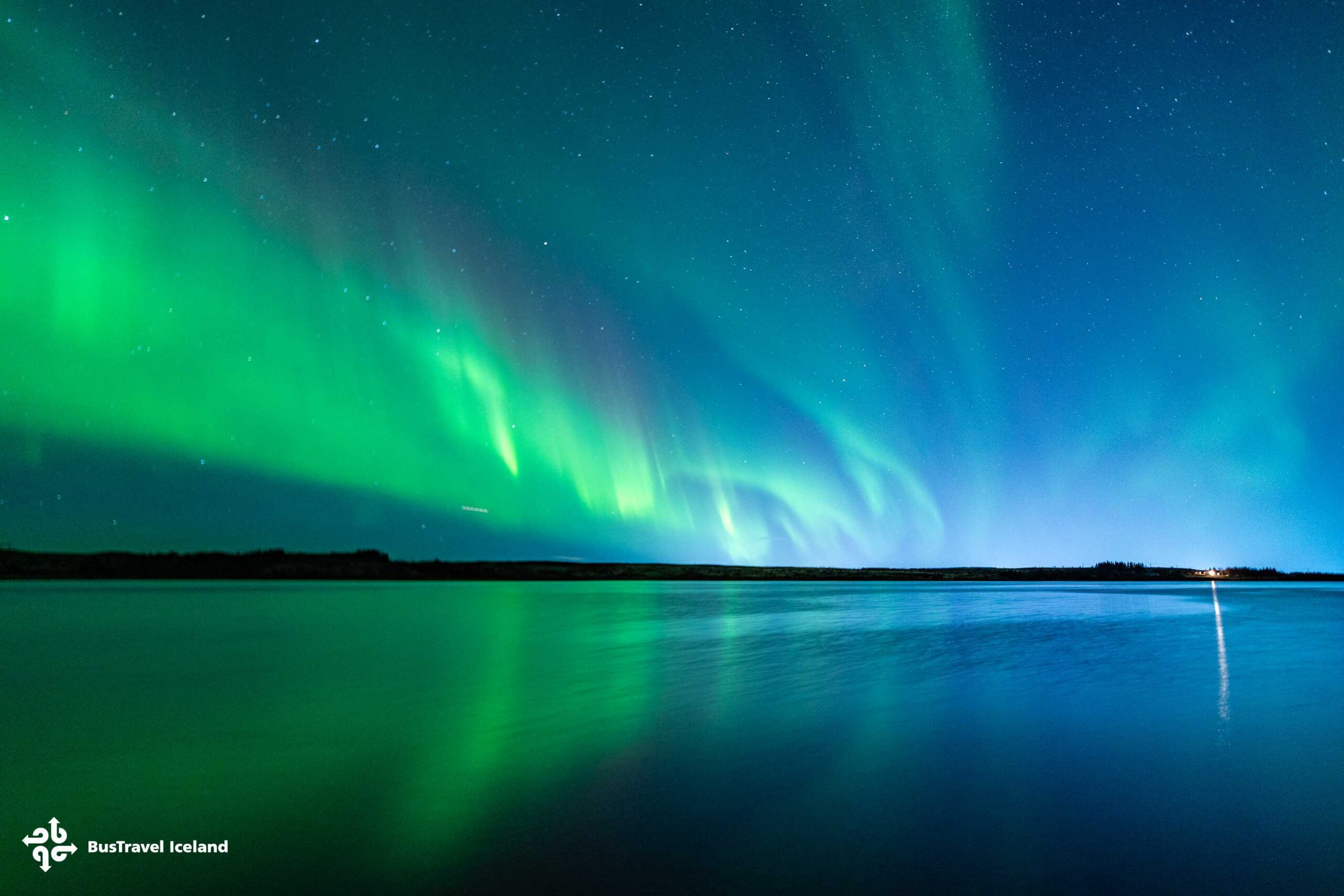
By September, the sky becomes properly dark again at night, particularly as the month progresses. To see the aurora, however, you need more than darkness. You also need sufficient solar activity and, crucially, gaps in the cloud cover.
There is never a guarantee that the Northern Lights will appear on a particular night. If seeing them is important to you, staying several nights in Iceland gives you more opportunities to wait for suitable conditions. Especially, staying in the countryside, far away from the light pollution, you might have a better chance to catch the lights.
Best Things to Do in Iceland in September
September keeps many of Iceland’s summer possibilities open while adding some distinctly autumn experiences.
The idea is good, especially bringing in what September specifically changes at these places rather than simply listing attractions. I’d smooth out the grammar and keep some of your descriptive personality:
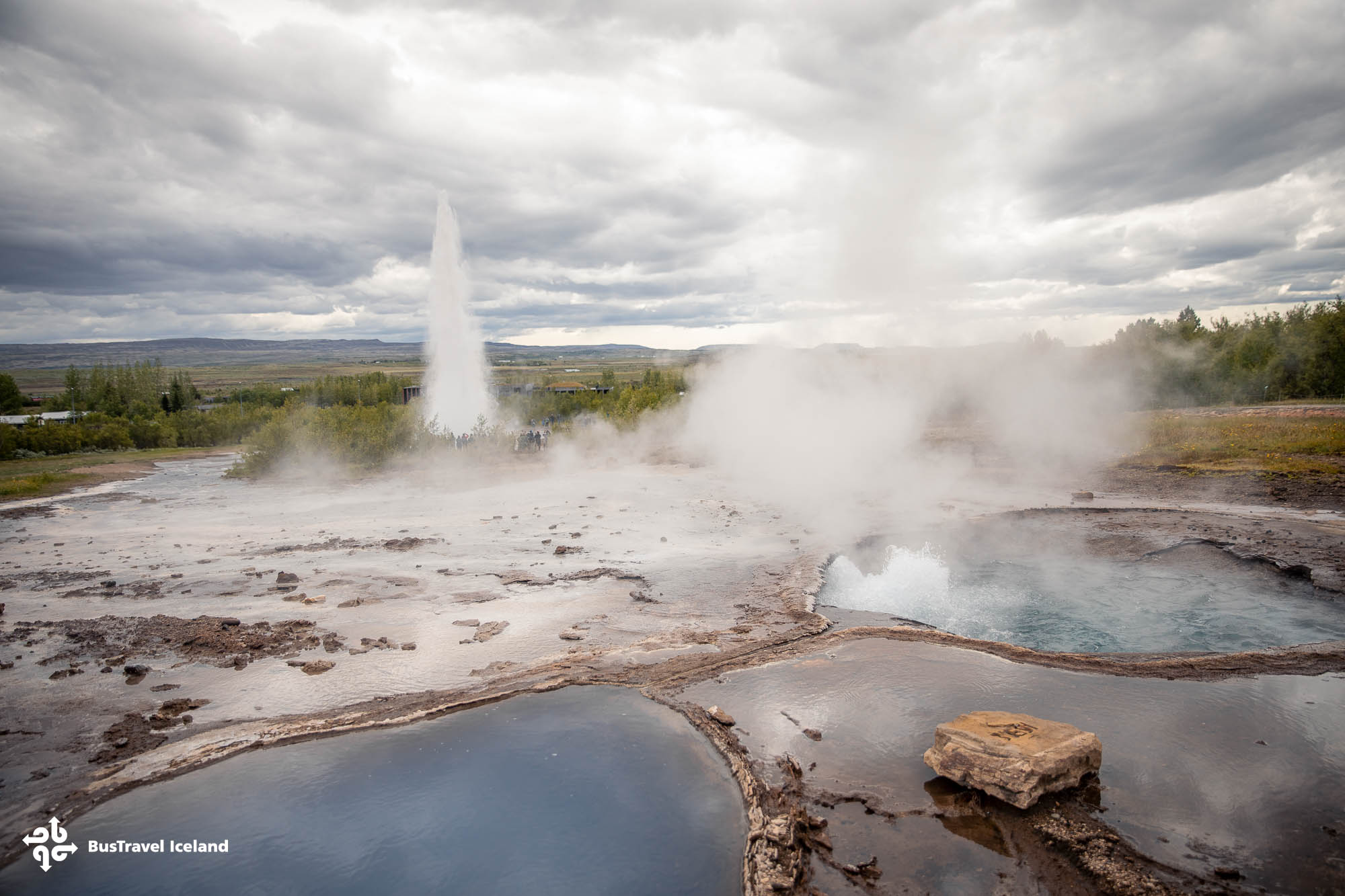
The Golden Circle remains an excellent introduction to the country. At Þingvellir National Park, Iceland’s wild vegetation is beginning to take on its autumn colours, while the Geysir geothermal area and Gullfoss waterfall are often easier to enjoy with fewer crowds than in peak summer. The South Coast is another strong choice, with waterfalls, glaciers and the black-sand beaches around Vík. These are classic, must-see sights, but September gives them a different character, with dramatic — and, depending on the weather, wonderfully moody — Icelandic scenes.
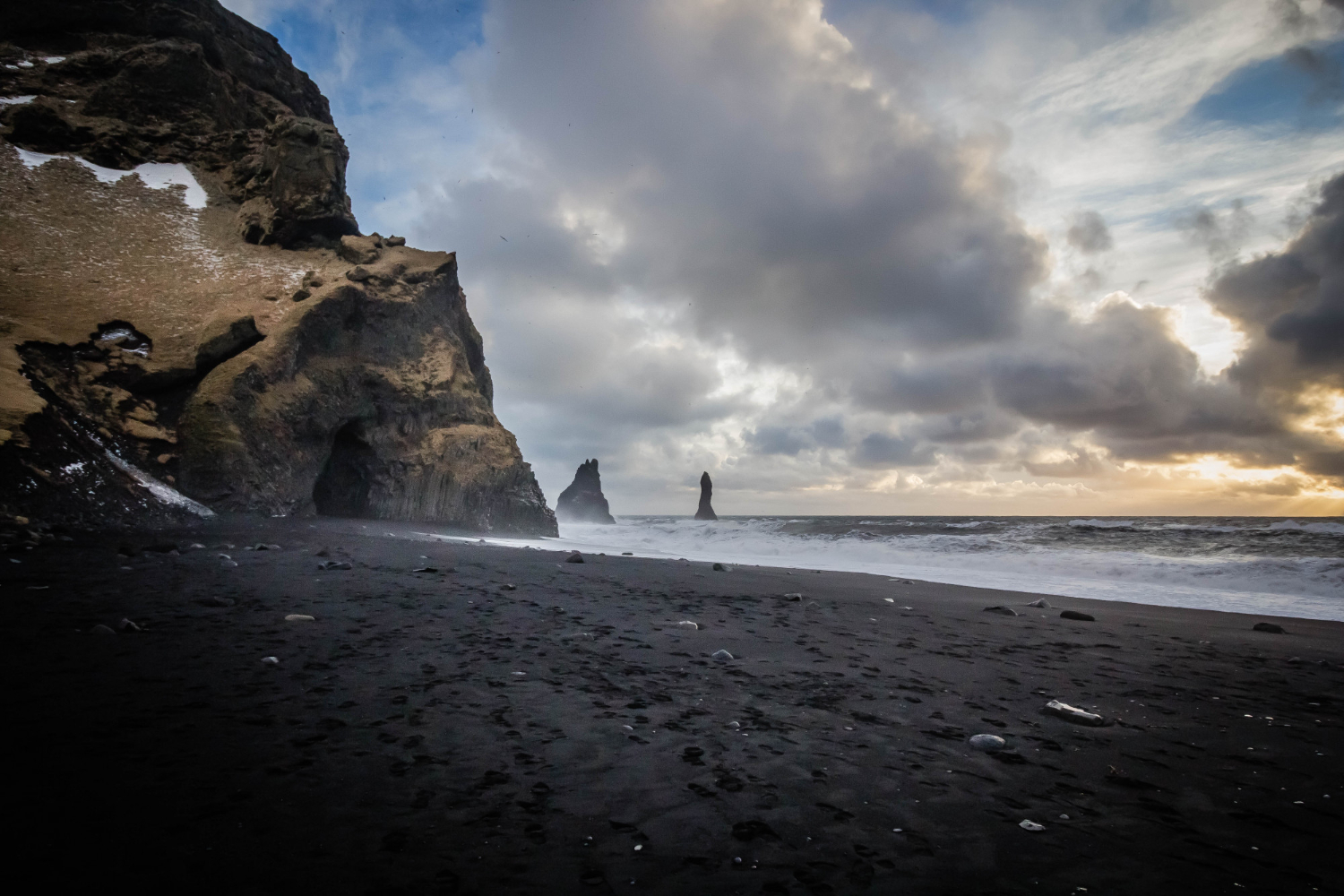
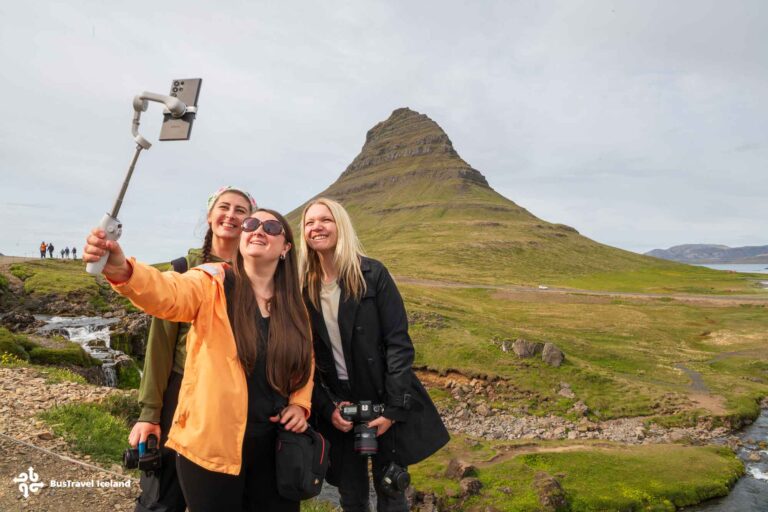
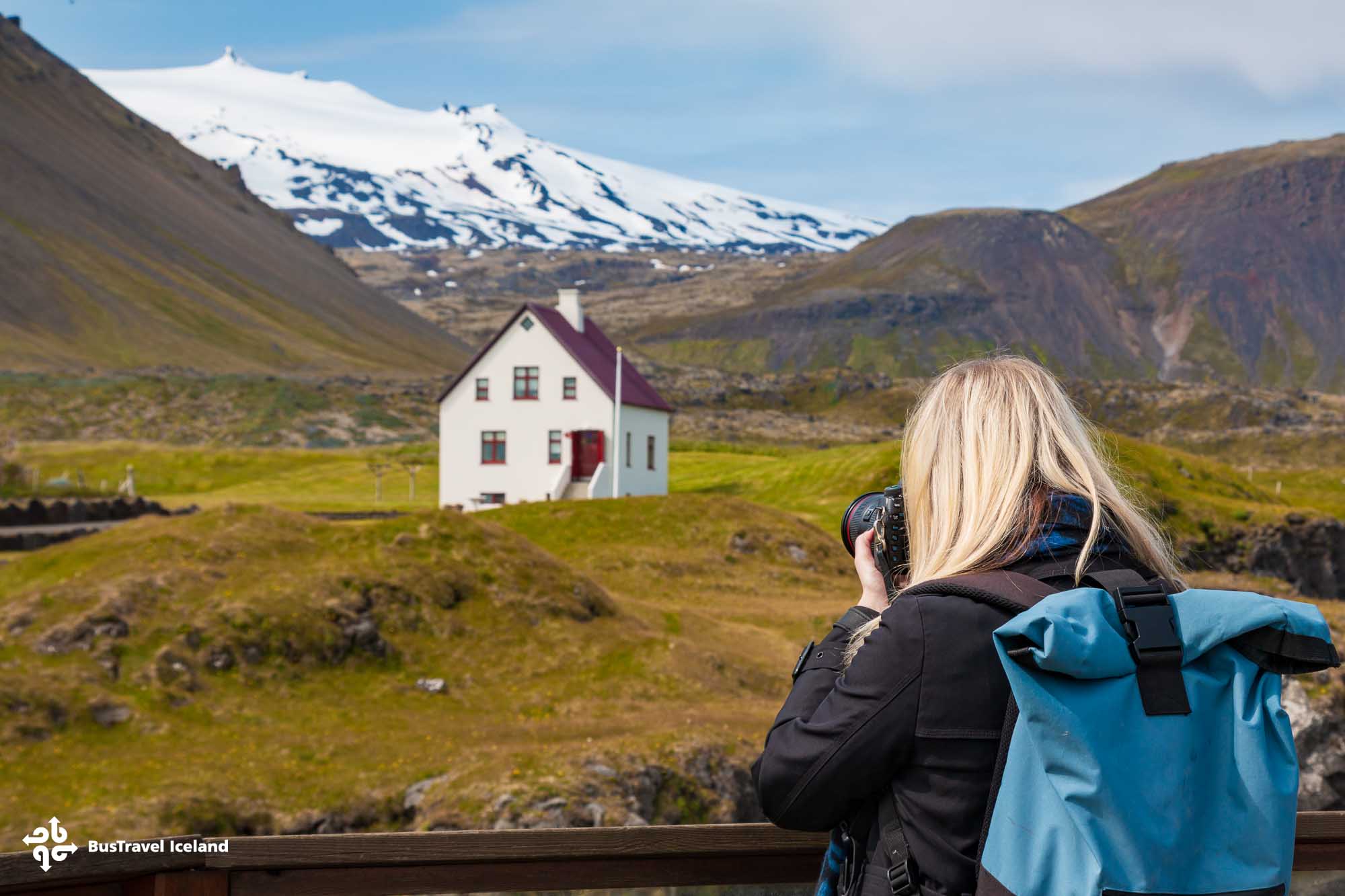
For a longer day trip, the Snæfellsnes Peninsula brings together an extraordinary variety of Icelandic landscapes: mountains, lava fields, seal-watching beaches, Arnarstapi fishing villages, black-pebble shores, the famous black church at Búðir, a picturesque red-roofed church, and the distinctive Snæfellsjökull volcano and glacier. With so much packed into one peninsula, it is easy to see why Snæfellsnes is often referred to as “Iceland in Miniature.”
September is also a good time for glacier hiking. Guided glacier experiences operate throughout the month, and cooler autumn conditions can make being on the ice feel particularly atmospheric.

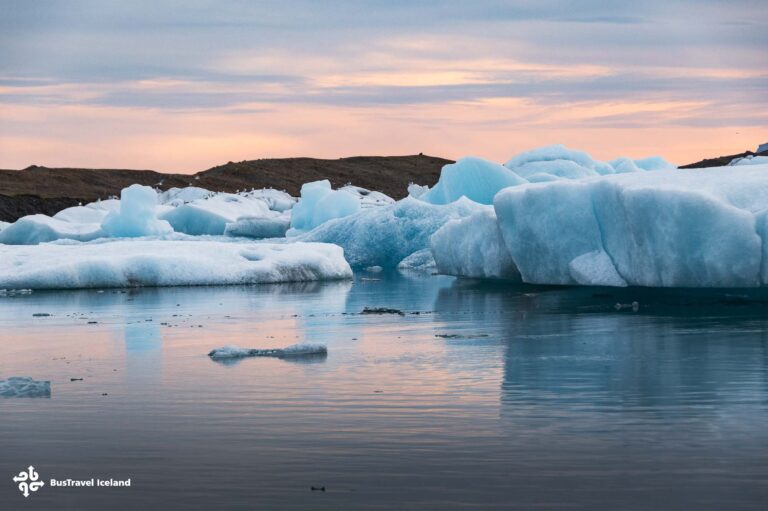
Whale watching continues from Reykjavík and North Iceland in September, although sightings always depend on nature. By this time, most puffins have left Iceland and returned to the open ocean, but wildlife encounters are certainly not over. You may spot seals swimming among the icebergs at Jökulsárlón Glacier Lagoon before taking a walk along nearby Diamond Beach, where pieces of glacial ice wash up on the black sand.

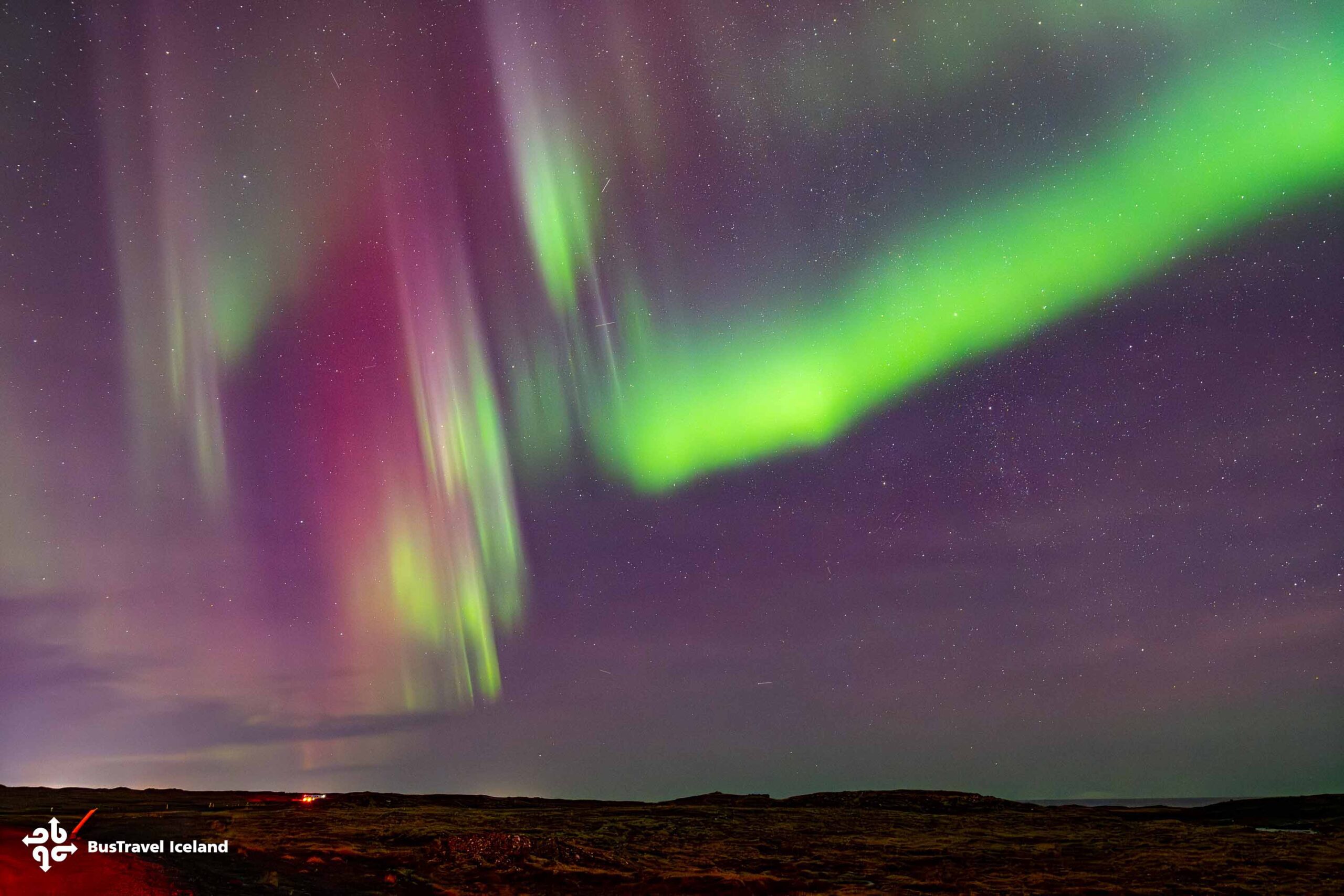
And once darkness falls, it is time to start watching the sky for the Northern Lights. September marks the proper beginning of Iceland’s aurora season, and the return of dark nights is something many of us look forward to every year. That said, the Northern Lights do not follow a calendar. They can occasionally be spotted as early as August, once the sky becomes dark enough.
Can You Visit the Icelandic Highlands in September?
Possibly, but this is where September’s changing conditions become particularly important.
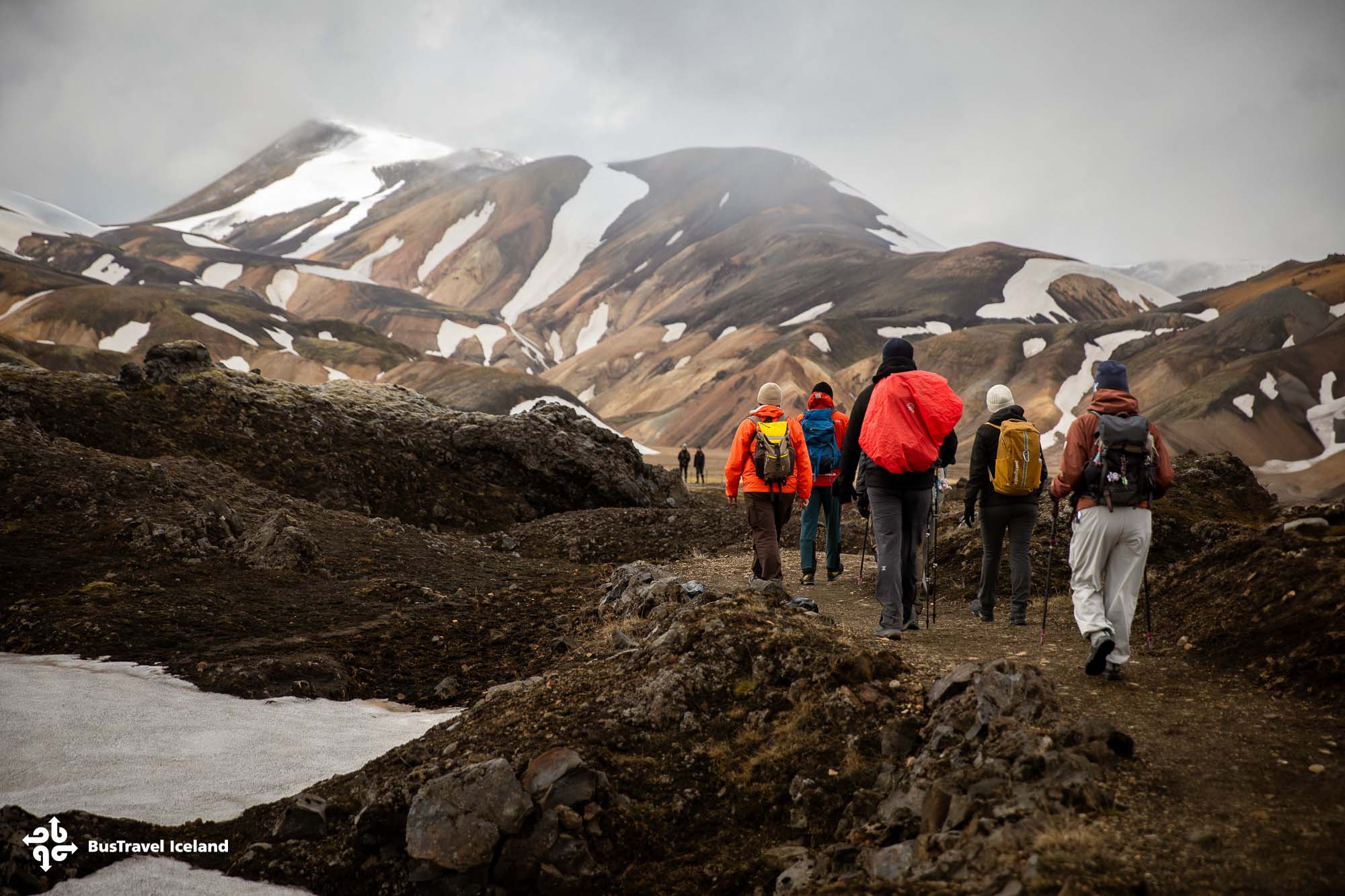
Highland areas such as Landmannalaugar may still be accessible early in September, depending on the weather and road conditions. As autumn progresses, conditions can change quickly and Highland roads can close.
If the Highlands are a major reason for your trip, early September generally gives you better odds than the end of the month. But never assume an F-road is open simply because it was accessible a few days earlier. Check current road and weather conditions before travelling, as weather conditions can change rapidly.
For most visitors, September is better treated as the end of the Highland season rather than a guaranteed Highland month.
Driving in Iceland in September
Driving conditions are usually easier than in winter, but September should not be treated exactly like summer.
The Ring Road and main sightseeing routes are generally accessible, but rain, strong winds and occasional early snow can affect travel. Conditions in North Iceland, the Eastfjords and mountain passes may also be very different from Reykjavík.
Check the weather and road conditions each morning before setting out, especially if you are travelling long distances.
If you would rather not plan around road conditions yourself, guided day tours are an easy alternative. You can explore during the day without having to think about navigation, parking or changing driving conditions.

What to Pack for Iceland in September
Packing for Iceland in September is mainly about layers. And this is a general rule when it comes to dressing for Icelandic weather.
Bring a waterproof and windproof outer jacket, warm mid-layers such as fleece or wool, comfortable waterproof footwear, warm socks — preferably wool — gloves and a hat. A light thermal base layer is also useful, particularly if you plan to spend long periods outdoors. If you are planning to snorkel at Silfra Fissure in Þingvellir National Park, you will need to wear a thermal base layer underneath the dry suit.
Sunglasses and sunscreens are still worth packing, as are swimwear and a quick-drying towel if geothermal pools are on your itinerary.
Avoid relying on an umbrella. Icelandic wind has a habit of making umbrellas considerably less useful than you might expect. I’ve experienced it myself — struggling to hold onto an umbrella with both hands while the wind pushed it upwards and the rain came at me from the side. At that point, the umbrella was doing very little to keep me dry. It was quite miserable…
Where to Go in Iceland in September
September is still suitable for exploring much of Iceland.
First-time visitors can easily combine Reykjavík with the Golden Circle and South Coast. With more time, Snæfellsnes makes an excellent addition, while a longer road trip can take you around the Ring Road through North and East Iceland.
The Westfjords can also be beautiful in September, particularly early in the month, but travelling there requires more attention to weather and road conditions.
As September progresses, flexibility becomes increasingly useful. Instead of trying to fit too many distant regions into a short itinerary, leave enough time to adjust your plans if the weather changes.
Is September a Good Time to Visit Iceland?
For many travellers, yes.
September offers a particularly useful balance: reasonable daylight, autumn landscapes, fewer visitors than peak summer and the return of dark nights for Northern Lights hunting. Most of Iceland’s classic sightseeing routes remain accessible, while many outdoor activities are still operating.
The trade-off is the weather. September is not a month for expecting predictable sunshine. Conditions can change quickly, and the later you travel, the closer you move toward Iceland’s winter season.
Come prepared for that uncertainty, however, and September can give you a little of both sides of Iceland: the accessibility of summer and the atmosphere of autumn.
Visiting Iceland in September: Final Tips
Give yourself some flexibility when planning your days. Check the weather before long journeys, bring proper waterproof clothing and avoid packing your itinerary so tightly that one stormy afternoon causes problems.
If the Northern Lights are high on your list, stay for several nights rather than relying on a single evening. If you want to visit the Highlands, aim for earlier in September and keep alternative plans ready.
Most importantly, do not think of September simply as the month after summer. It has its own character. Autumn colours begin to spread across the landscape, darkness returns to the evenings, and Iceland starts shifting toward a quieter and more dramatic time of year.
Frequently Asked Questions About Iceland in September
Is September a good time to visit Iceland?
Yes, September is a great time to visit Iceland. You will have a mix of autumn scenery, reasonable daylight hours and the possibility of seeing the Northern Lights. Most major sightseeing routes and activities are still accessible, while the busiest summer travel period is beginning to ease.
What is the weather like in Iceland in September?
The weather in September feels cool and it can be really changeable, with typical temperatures in Reykjavík around 5–11°C (41–52°F). Expect a mixture of rain, wind, sunshine and colder spells, sometimes all within the same day.
Can you see the Northern Lights in Iceland in September?
When conditions are favorable, yes. September marks the return of sufficiently dark nights for Northern Lights viewing. You will still need clear or partly clear skies and sufficient aurora activity. As a natural phenomenon, the Northern Lights are never guaranteed.
Does it snow in Iceland in September?
While in the capital region and southern part of Iceland, September snow is rather uncommon, it is more likely to experience rain. Snow is more likely in the mountains, highland regions, and northern parts of Iceland, However, early snowfall at lower elevations is possible, particularly later in the month.
How many hours of daylight does Iceland have in September?
Iceland has roughly 14 hours of daylight at the beginning of September, decreasing to around 11½ hours by the end of the month. This still leaves plenty of daylight for sightseeing and increasingly dark evenings for Northern Lights hunting.
What should I wear in Iceland in September?
Dress in layers and bring a waterproof and windproof outer shell, fleece or wool mid-layers, waterproof shoes, warm socks, gloves and a hat. A thermal base layer is useful for colder days and longer outdoor activities.
Can you drive the Ring Road in Iceland in September?
Generally, yes. September is still a popular time for Ring Road trips, but weather conditions can change quickly. Check road and weather conditions every day and allow some flexibility in your itinerary.
Are Iceland’s F-roads open in September?
Some may remain open in early September, but there is no fixed closing date. Highland roads close according to weather and road conditions, so travellers should always check their status before setting out.
Can you visit the Blue Lagoon in September?
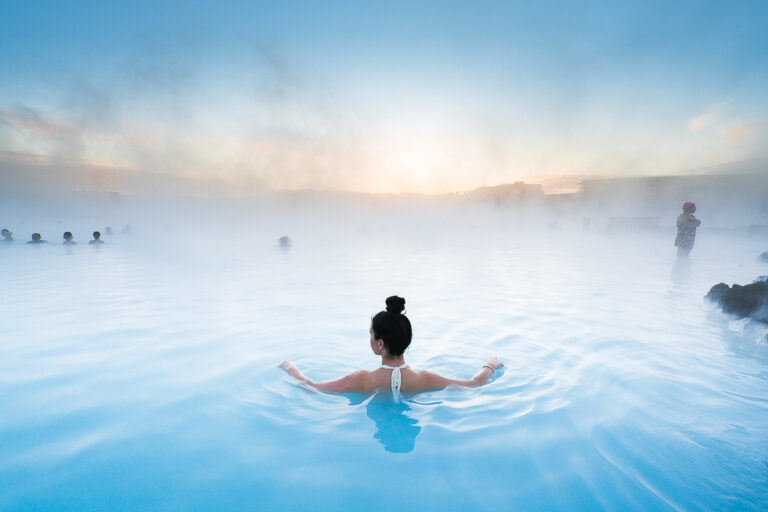
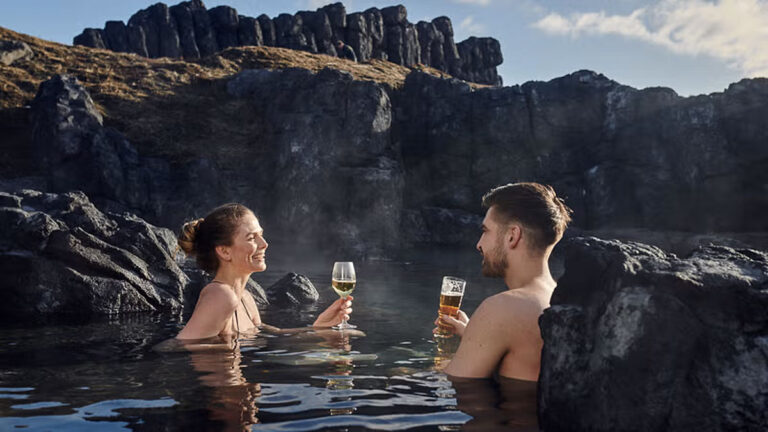
Yes. Geothermal bathing is available year-round, and September’s cooler air can make soaking in warm geothermal water particularly enjoyable. Other geothermal pools and spas around Iceland are also open during the month.
Can you see puffins in Iceland in September?
September is generally too late for reliable puffin watching. Most puffins leave Iceland for the open North Atlantic by late August, although a few may occasionally remain into early September. If seeing puffins is a priority, summer is a much better time to visit.
Is Iceland crowded in September?
September is generally quieter than July and August, particularly later in the month. Popular attractions such as the Golden Circle and South Coast still receive plenty of visitors, but the overall atmosphere tends to become less busy as the summer season ends.
Is September considered summer or winter in Iceland?
Neither, really. September is an autumn month in Iceland and a transition between the main summer and winter travel seasons. That means you can encounter conditions associated with both seasons, especially toward the end of the month.