



Iceland Ice Cave Safety Guide: When and How to Visit
- Good to Know, South Iceland
- 12 Sep 2026
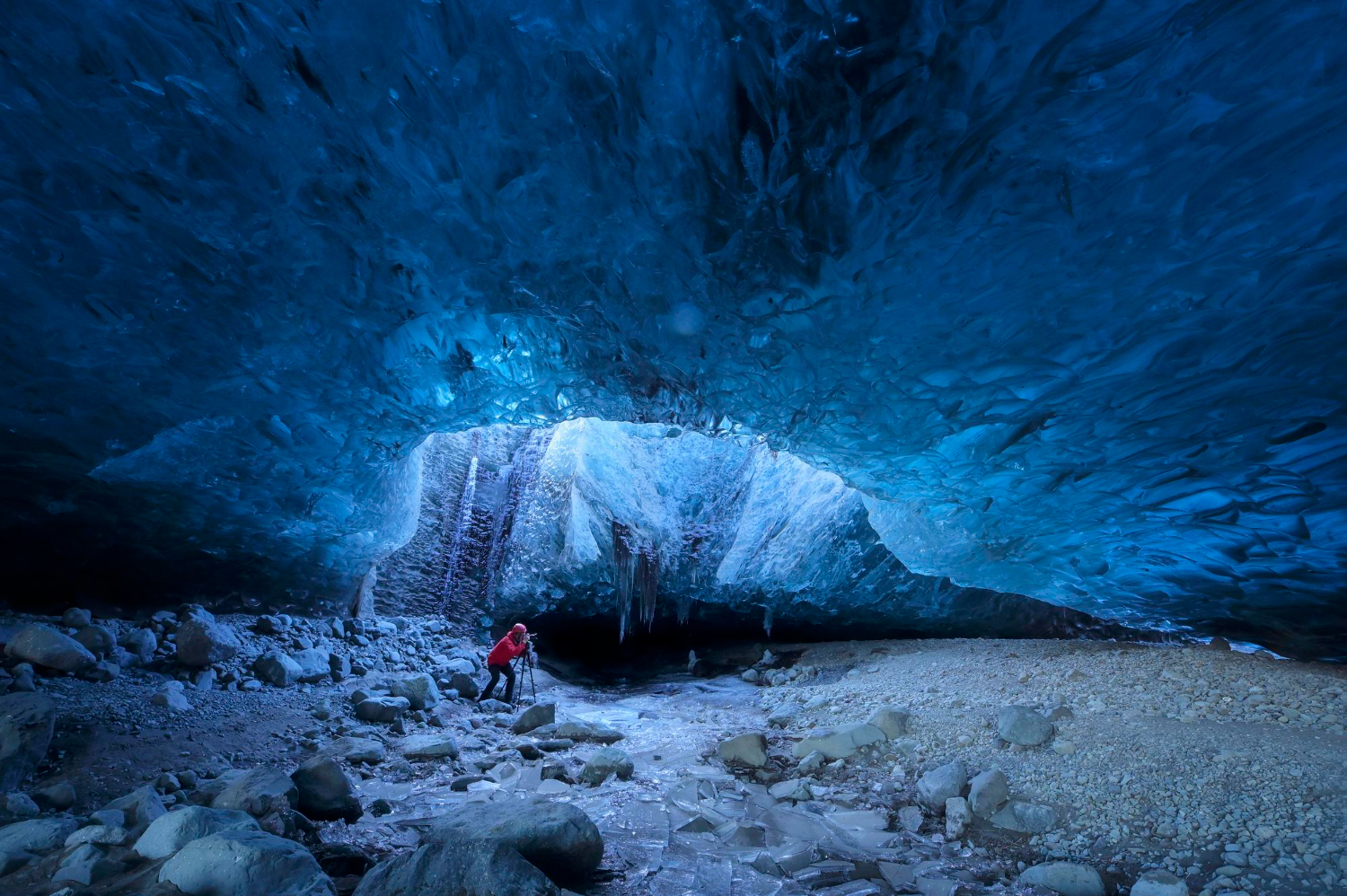
Is it safe to visit an ice cave in Iceland? Can you enter one without a guide, and what time of year are Iceland’s ice caves safe to explore? These are important questions to answer before adding an ice cave tour to your trip.
Iceland’s natural ice caves are constantly changing. Meltwater, temperature, glacier movement and weather can reshape a cave throughout the season, which means a cave that was safe to enter yesterday still needs to be assessed again today. Visiting safely comes down to choosing the right season, going with a qualified glacier guide, using the proper equipment and understanding that conditions ultimately decide whether a cave can be entered.
This guide covers how to visit Iceland’s ice caves safely, including the best time to go, where the main caves are found, what equipment you need, what to expect on a guided tour and why you should never enter a natural ice cave alone.
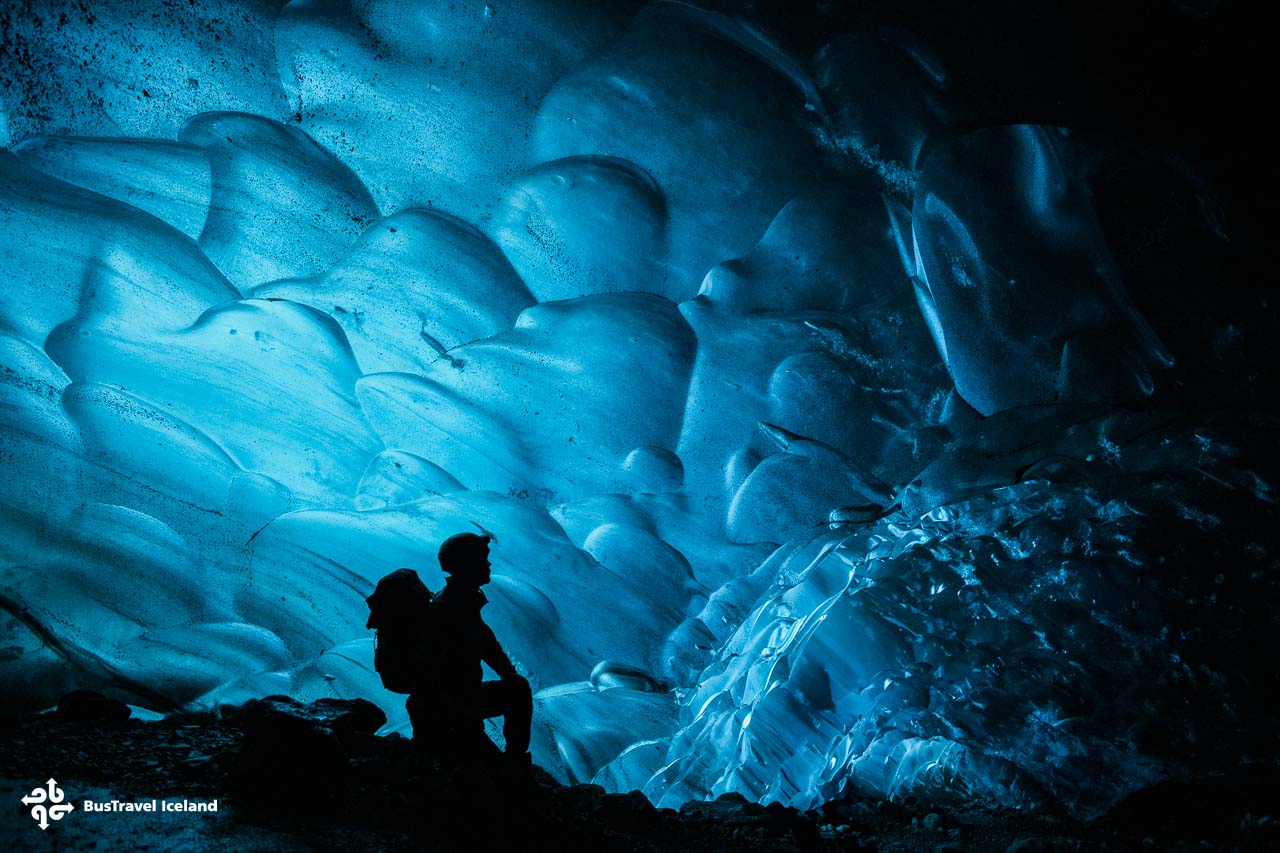
Ice Cave Safety at a Glance
- Natural ice caves form and reshape every year, so last winter’s cave is rarely this winter’s cave.
- The cave season runs roughly from November through March, when the meltwater stops, and the ice stabilizes.
- A certified glacier guide and proper equipment are not optional; they are how you stay alive inside.
- The largest caves sit inside Vatnajökull, Europe’s largest glacier.
- Katla and Vatnajökull host the most accessible cave tours from the south coast.
How Natural Ice Caves Form
Meltwater carves channels through Iceland’s glaciers every summer. Streams flow down through the ice, hollowing tunnels and chambers that drop deep below the surface. When winter arrives and temperatures drop, the meltwater stops, and the cavities refreeze enough to walk into safely.
Each cave’s structure depends on that summer’s melt rate, the glacier’s slope, and the underlying geology. That is why no two seasons produce identical caves, and why cave hunters with experienced guides scout new caves every autumn before commercial tours begin in November.
The Difference Between Blue Ice and Crystal Ice Caves
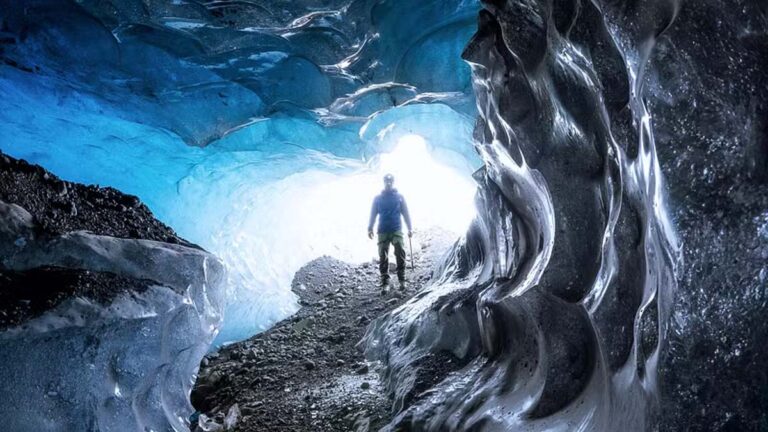
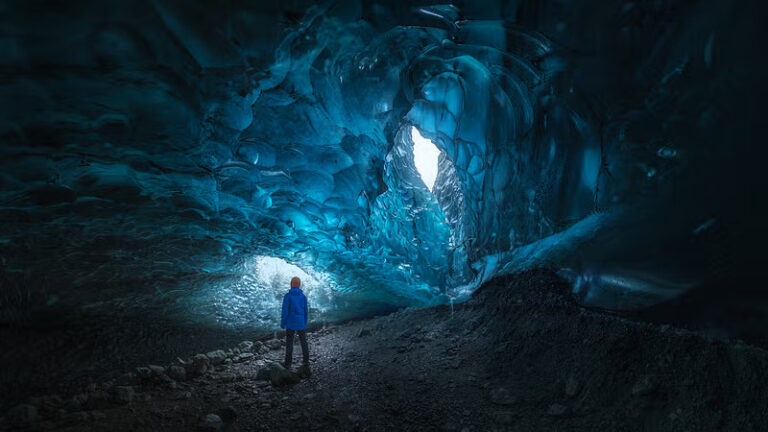
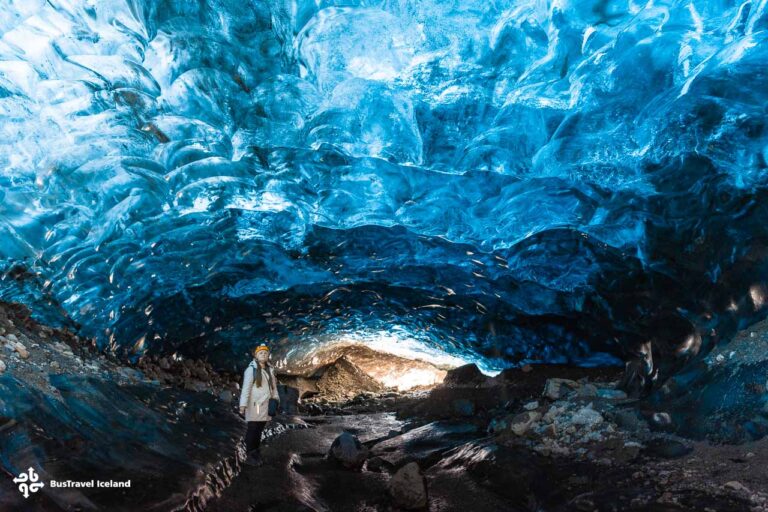
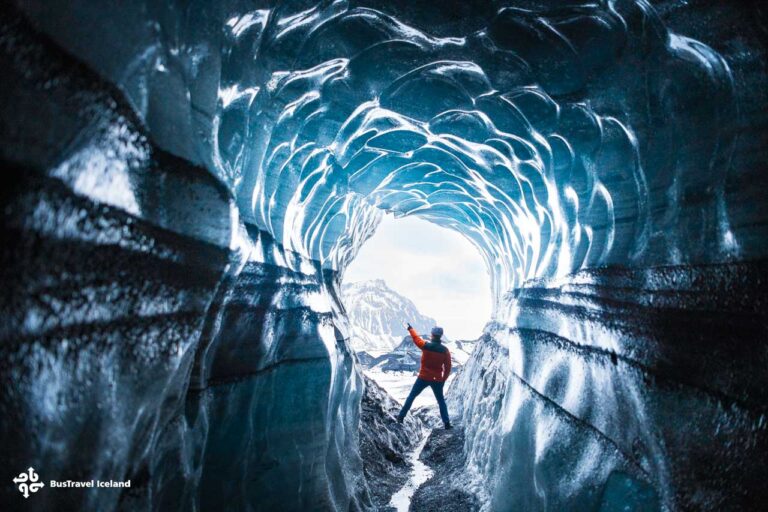
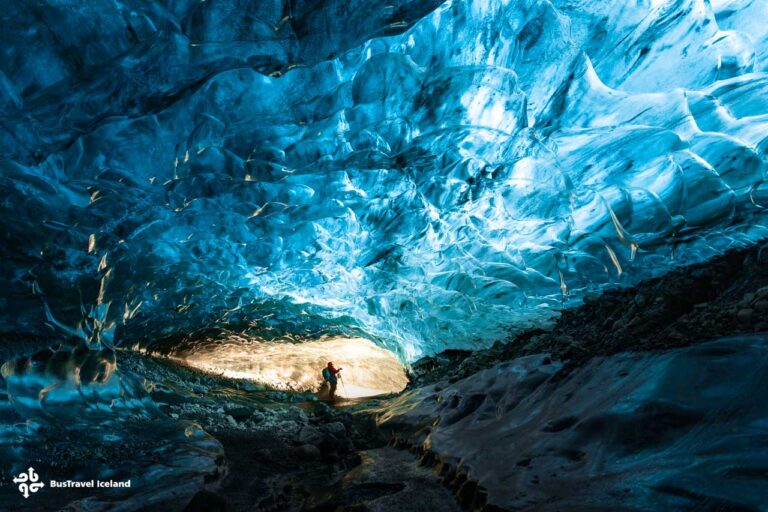
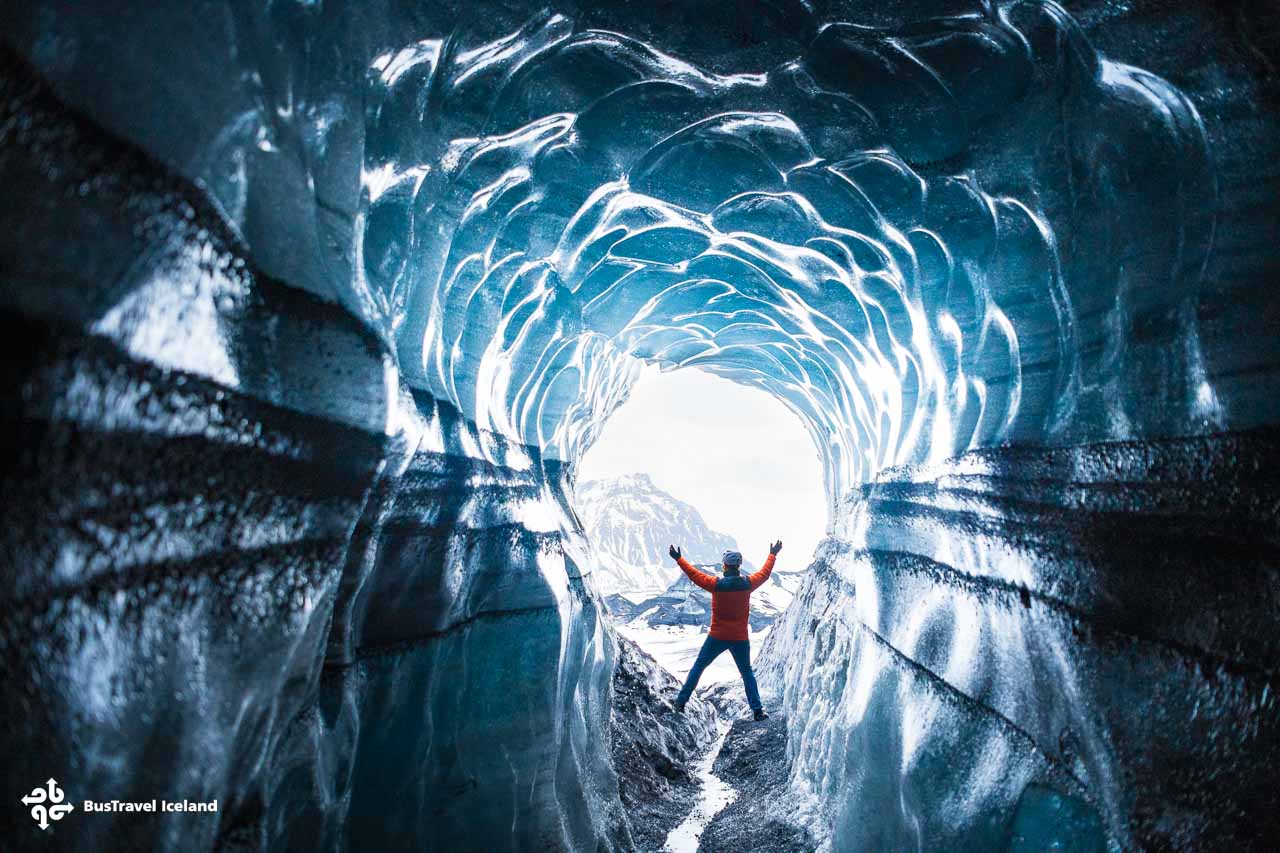
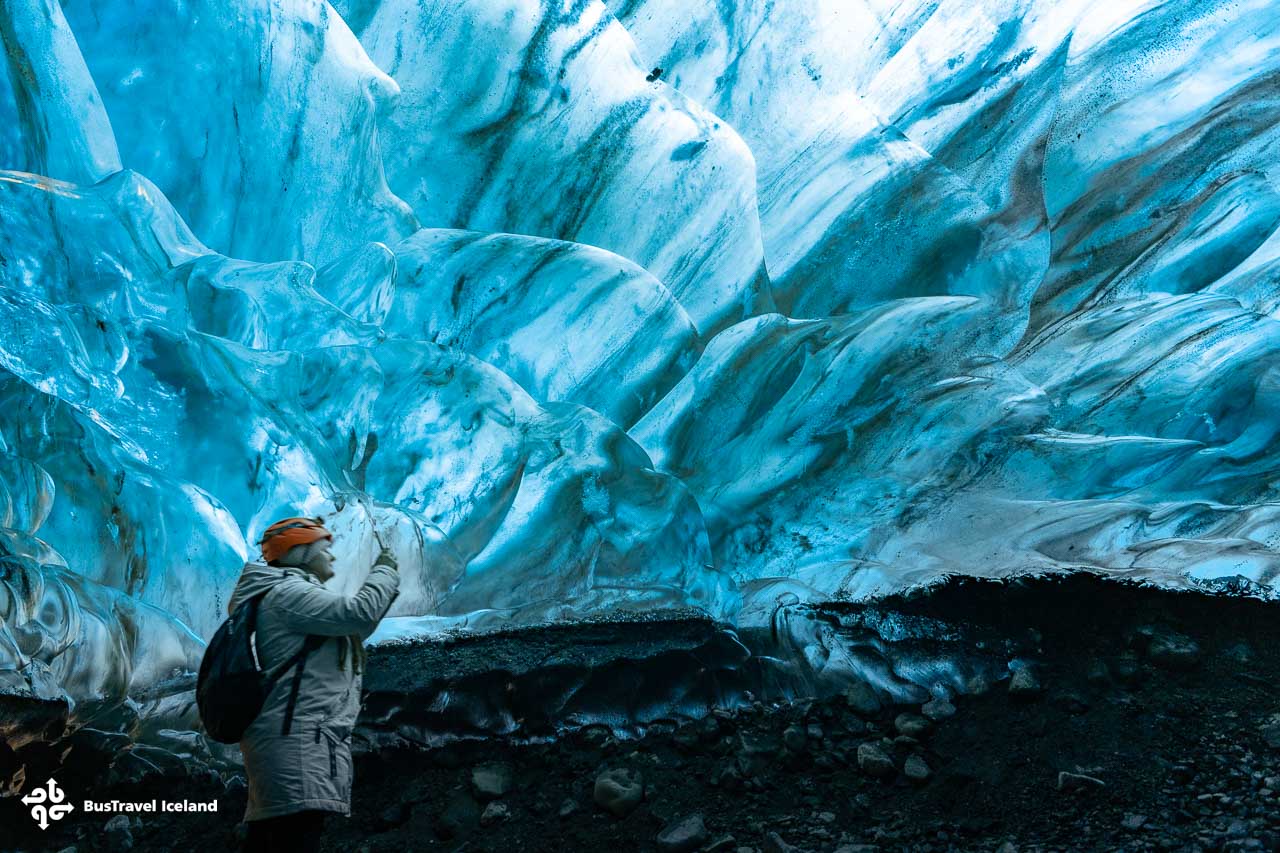
Blue ice caves get their color from compressed, bubble-free ice that has been buried for hundreds of years. The pressure squeezes out the air and changes how the ice transmits light, leaving only the deep-blue end of the spectrum visible. The walls glow.
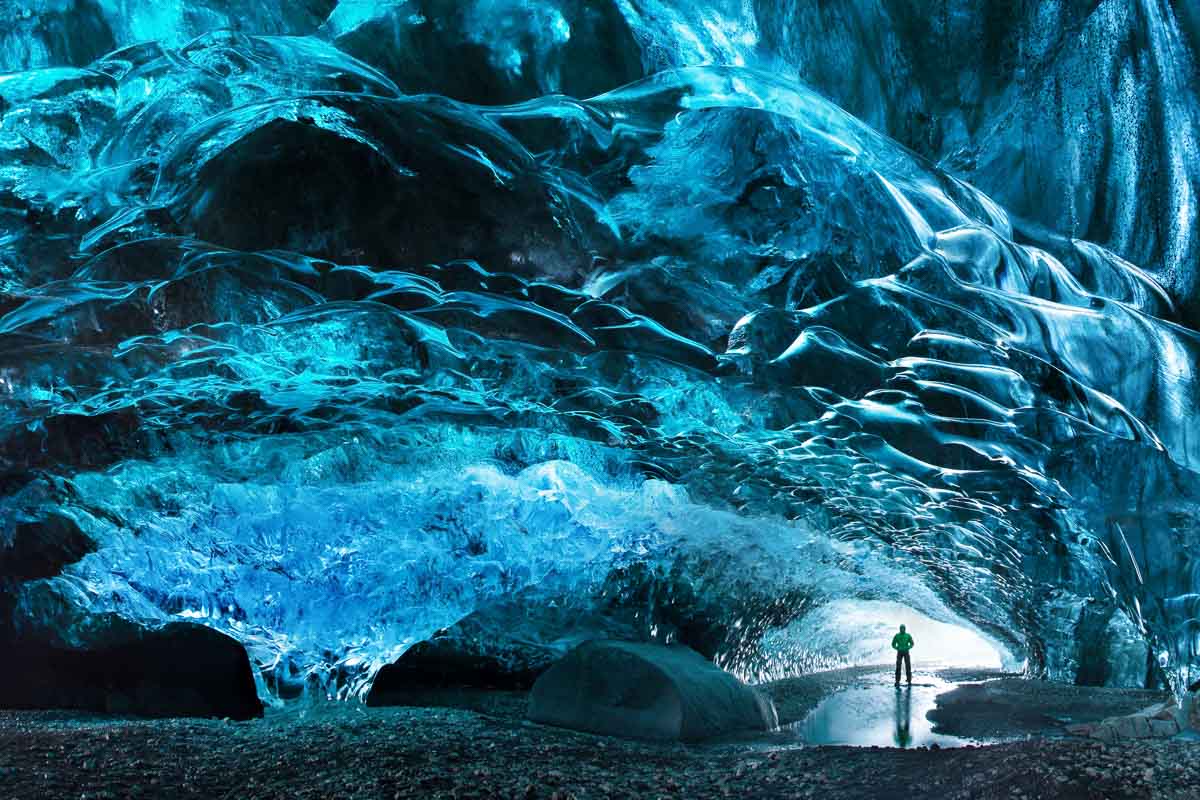
Crystal ice caves form from newer, transparent ice. The walls look glassy rather than blue, the light inside reads brighter, and the same glacier often hosts examples of both types in different years.
When Ice Caves Are Safe to Visit
The standard cave season runs from November to March. By April, rising temperatures restart the meltwater flow, and even stable-looking ceilings can collapse without warning. Most operators close cave tours by mid-March in warmer winters.
A mild December can also force early closures. Caves rely on hard frozen temperatures to stay structurally sound, so tour operators stay in close contact with glacier guides and call off visits the moment a cave shows any sign of weakness.
Where the Main Ice Caves Are
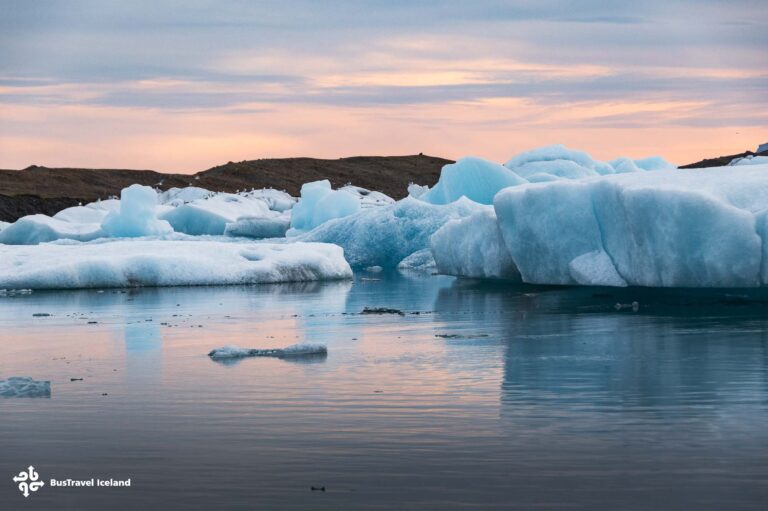
Vatnajökull, Europe’s largest glacier, hosts the headline cave tours. The blue ice caves accessed from Jökulsárlón glacier lagoon are the photogenic ones most travelers come to see, and the super jeep blue ice cave tour from Jökulsárlón is one of BusTravel Iceland’s most-booked winter day trips.
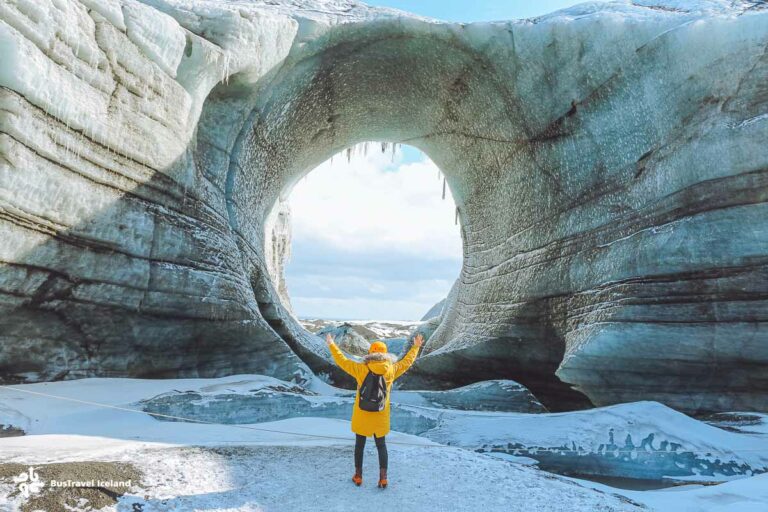
Katla, sitting under Mýrdalsjökull on the south coast, offers a different cave experience. The ice mixes with volcanic ash to produce dark, striped walls, and Katla caves remain stable longer than pure blue ice caves, making them one of the few near-year-round options.
Langjökull has a man-made ice tunnel that runs year-round. The experience is different from that of a natural cave, more like an underground hall than a glacial cavity, but it is the only true cave option from May through October.
Why You Cannot Visit Alone
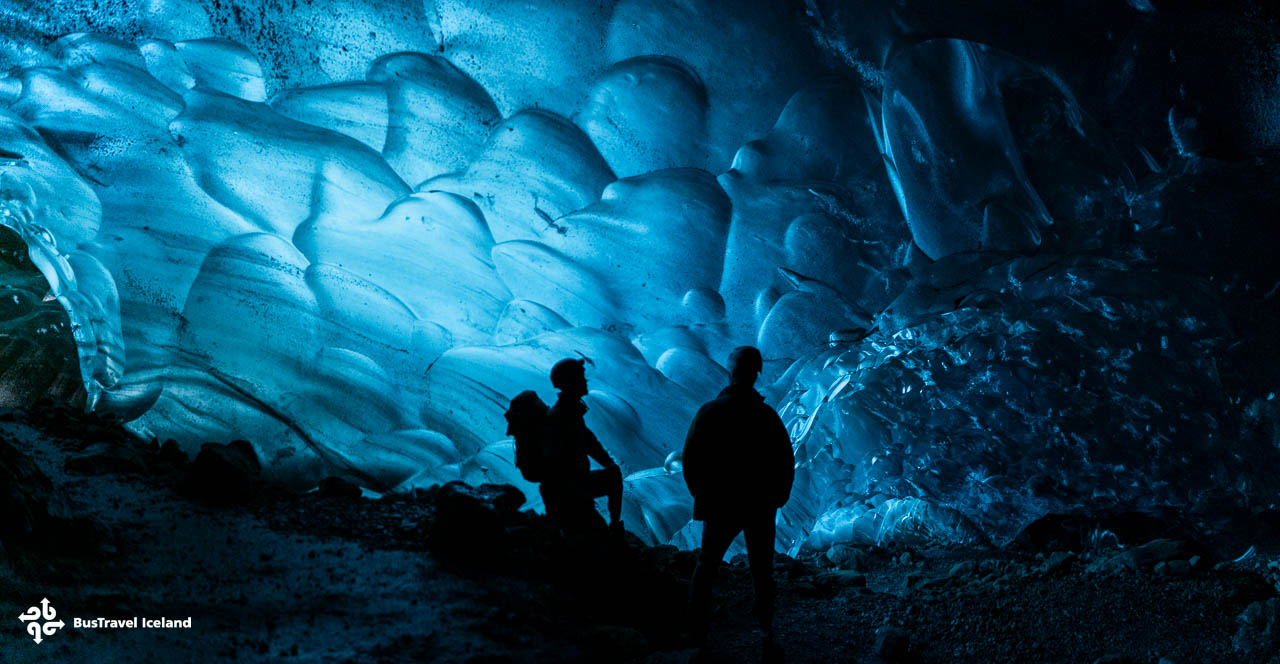
Glaciers have crevasses. Some are visible, some sit under thin snow bridges that look identical to safe ground. A single wrong step is fatal. Certified glacier guides train for years to read the surface, and they carry rescue equipment for when the training is not enough.
Inside the cave itself, ceiling integrity is the main risk. Loose ice and falling icicles cause more injuries than crevasses do, which is why a helmet and crampons are mandatory on every reputable tour, and the guide personally checks each set.
What a Typical Ice Cave Tour Looks Like
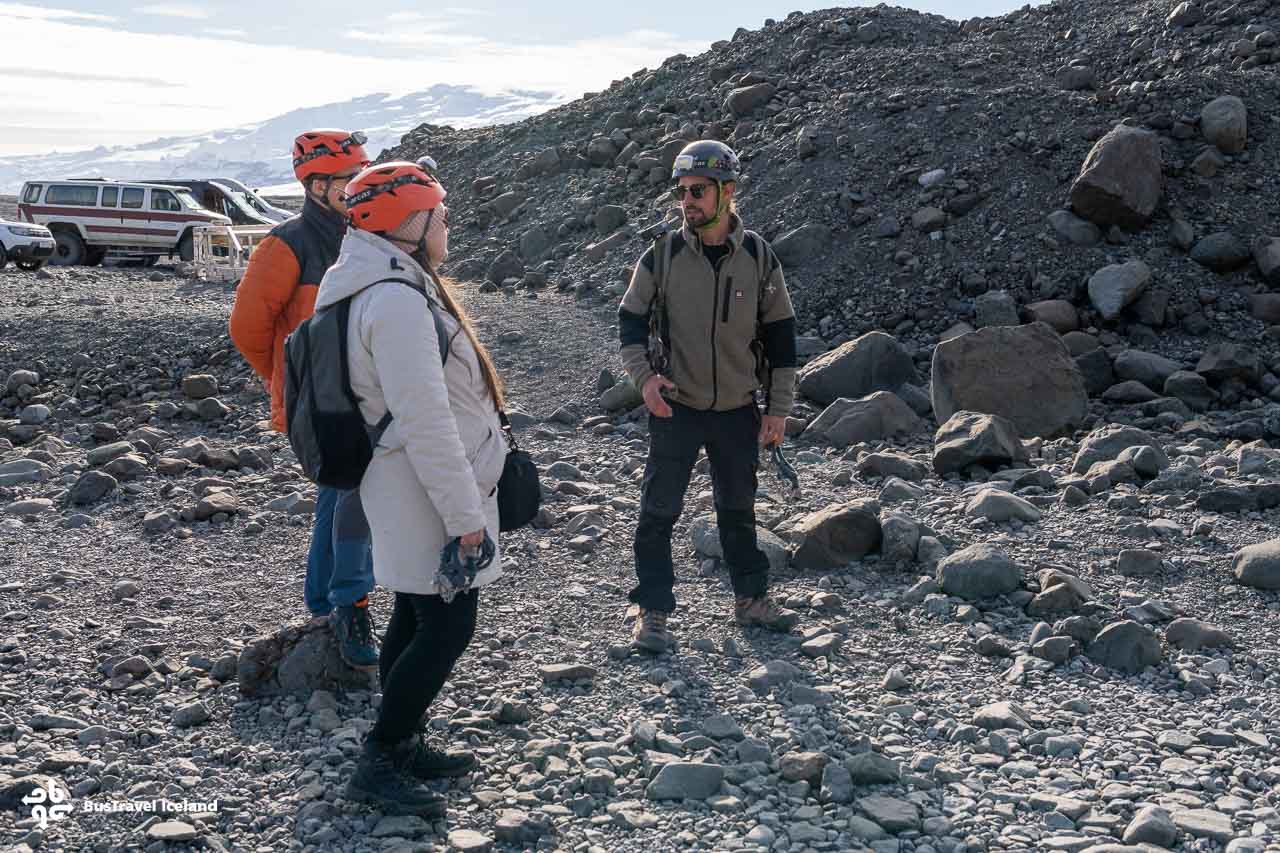
Most tours start with a transfer from a meeting point near the glacier. Super jeeps or modified 4×4 vehicles take you across the moraine and onto the ice. The cave entrance may sit anywhere from a 5-minute walk to a 40-minute drive from the lot.
Helmets and crampons are fitted on site. Time inside the cave is usually between 30 and 60 minutes, depending on the cave’s size, and the better tours give you genuine time to take it in rather than rushing the next group through.
Pick a certified tour, book ahead, and treat the cave as the rare seasonal moment it is. Compare BusTravel Iceland’s ice cave day tours and longer 4-day Wonders of Iceland winter tour with cave stops to find one that matches your trip dates.
Frequently Asked Questions
Can you visit ice caves in Iceland in summer?
Natural ice caves are unsafe in summer. The Langjökull man-made ice tunnel runs year-round and is the only true cave option from May through October.
How long is a typical ice cave tour?
Most tours run between two and three hours total, with 30 to 60 minutes spent inside the cave itself. Longer tours combine the cave with glacier hiking or other stops along the south coast.
Are ice cave tours suitable for children?
Most operators set a minimum age of 8 or 10, depending on the cave. Children need to use crampons and a helmet, and the glacier walk is uneven, so check the specific tour’s age limit before booking.