





The Ultimate Iceland Packing List for Coach Tour Travellers
- Good to Know
- 12 Apr 2026
Ready for your adventure? Get the ultimate Iceland winter packing list and expert advice on what to pack for Iceland. Our guide simplifies bus tour packing so you know exactly what to pack for Iceland tour essentials. Stay prepared for every waterfall and glacier!
Key Takeaways
- Layering is the foundation of any Iceland packing list: a base layer, a mid-layer, and a waterproof shell cover every condition.
- Coach tour travellers need a compact bag that stows easily on a bus, not a hiking pack designed for a multi-day wild camp.
- Merino wool base layers outperform cotton in wet conditions and take up less space than synthetic alternatives.
- Waterproof gloves, a warm hat, and good ankle-height hiking boots are the three most commonly underestimated items.
- A refillable water bottle, a small daypack, and a portable charger round out the essentials for any day on an Iceland tour.
Packing for Iceland is not about bringing the most gear. It is about bringing the right gear in the right order so you can add or remove a layer at every stop without holding up the group. On a coach tour, speed and efficiency matter more than on almost any other type of trip.
What to Pack for Iceland: The Layering System That Works
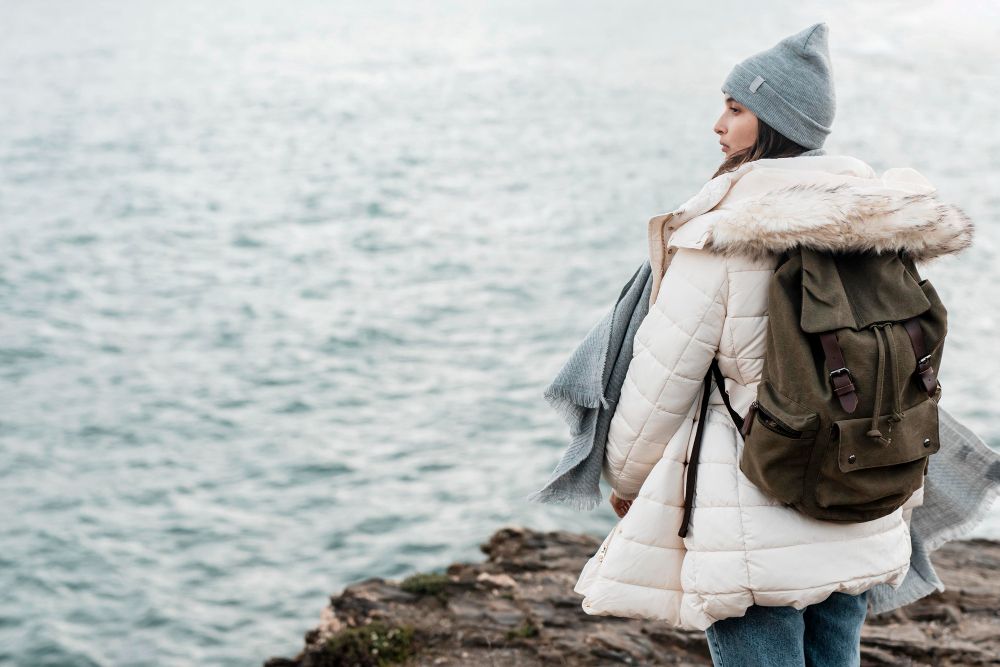
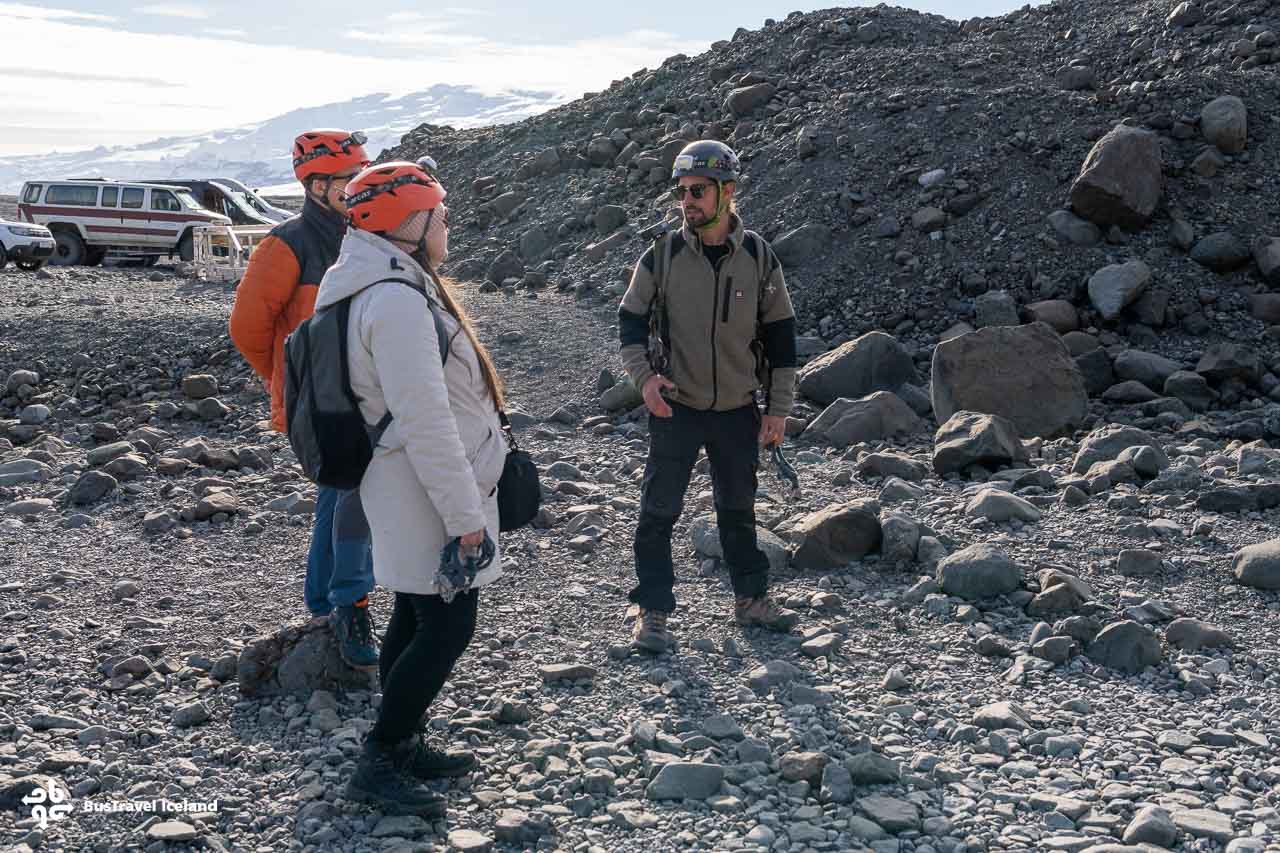
Iceland’s weather can shift from sunshine to horizontal rain within thirty minutes. The layering system used by Icelanders and experienced travellers alike starts with a moisture-wicking base layer worn directly against the skin. Merino wool is the most effective material: it regulates temperature, does not hold sweat odour, and packs down smaller than synthetic equivalents.
Over that goes a mid-layer for insulation, typically a fleece or lightweight down jacket. The outer layer, your shell, needs to be fully waterproof and windproof, not just water-resistant. A standard poncho offers no protection against Icelandic wind, and umbrellas are useless on exposed cliff paths and waterfall viewpoints.

Iceland Winter Packing List: Cold-Weather Essentials
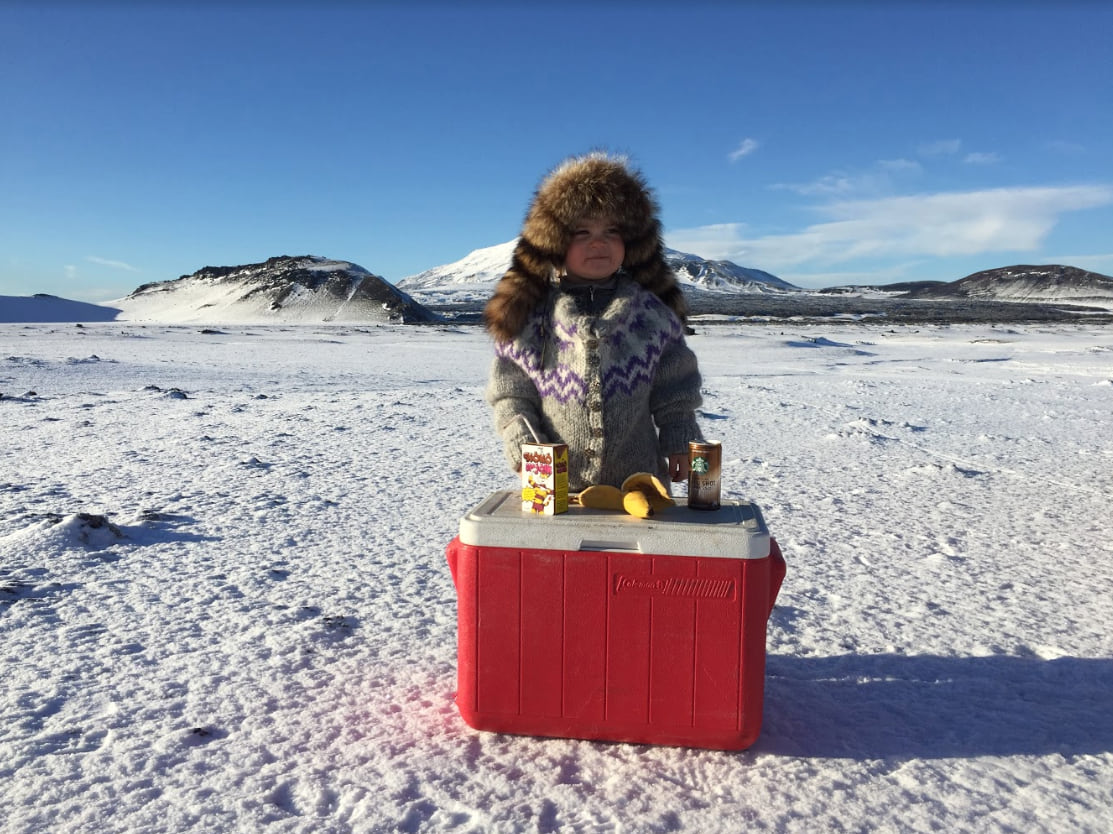
For winter tours between November and March, add a heavier mid-layer and swap thin gloves for insulated waterproof ones. Temperatures in Reykjavik rarely drop below -10°C, but wind chill at glacier viewpoints and along the South Coast can make it feel significantly colder. A balaclava or neck gaiter is worth carrying even if it spends most of the trip in your pocket.
Waterproof boots with ankle support are essential on any Iceland winter packing list. Many sites have icy or uneven paths, and grip is crucial on black-sand beaches and frozen viewpoint platforms. Light crampons or ice cleats, available cheaply at outdoor shops in Reykjavik, are a sensible add-on if you are visiting in January or February.
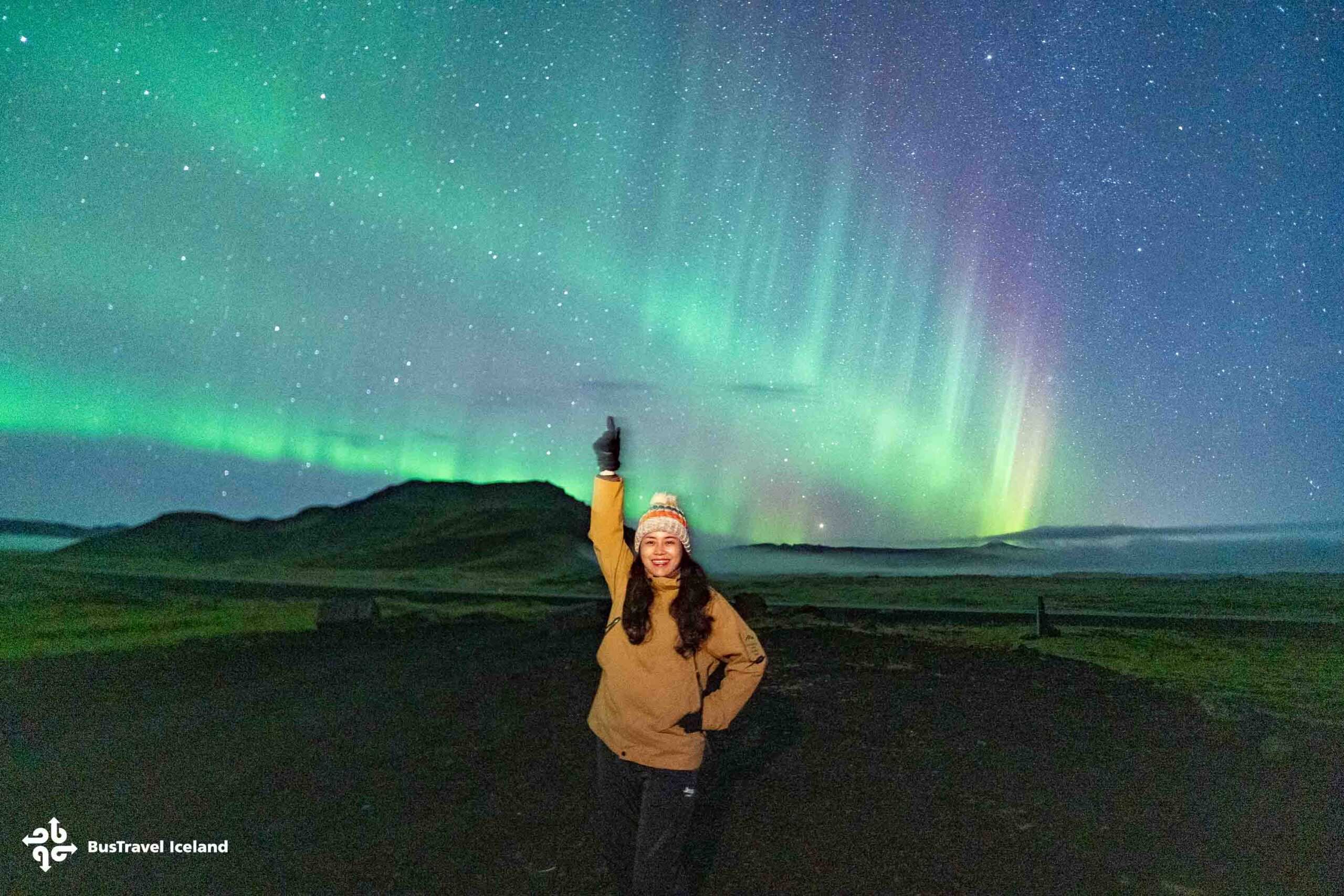
If your tour includes a Northern Lights tour, pack hand warmers and a thin balaclava. Waiting outdoors for the aurora in sub-zero temperatures for up to two hours requires more warmth than most people anticipate.
What to Pack for Iceland Bus Tours Specifically
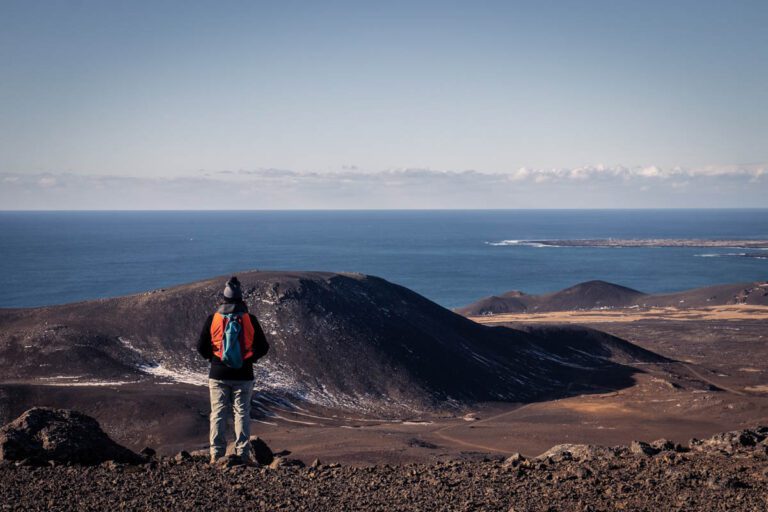
Coach tour packing differs from hiking or camping packing in one important way: your main bag stays on the bus. You carry a small daypack with you at each stop, which should hold your camera, a water bottle, a snack, your outer shell in case the weather turns, and any medication you might need during the day.
Keep your main bag to a manageable size, as overhead lockers on coaches are limited. A large rolling suitcase creates problems on rural stops where the bus cannot always pull into a proper bay. A 40-litre soft-sided bag or a compact wheeled case is the practical sweet spot for a multi-day coach itinerary.
Check BusTravel Iceland’s Iceland travel information for site-specific notes on footwear and equipment before each tour departs.

Things Most Travellers Forget to Pack for an Iceland Tour
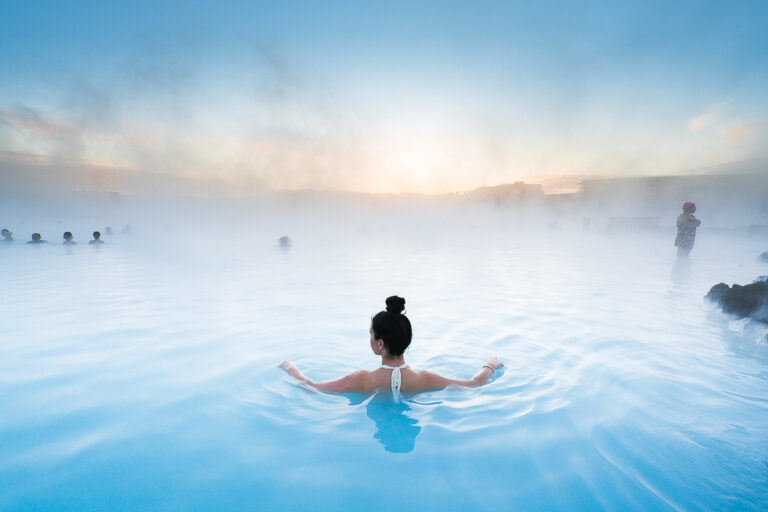
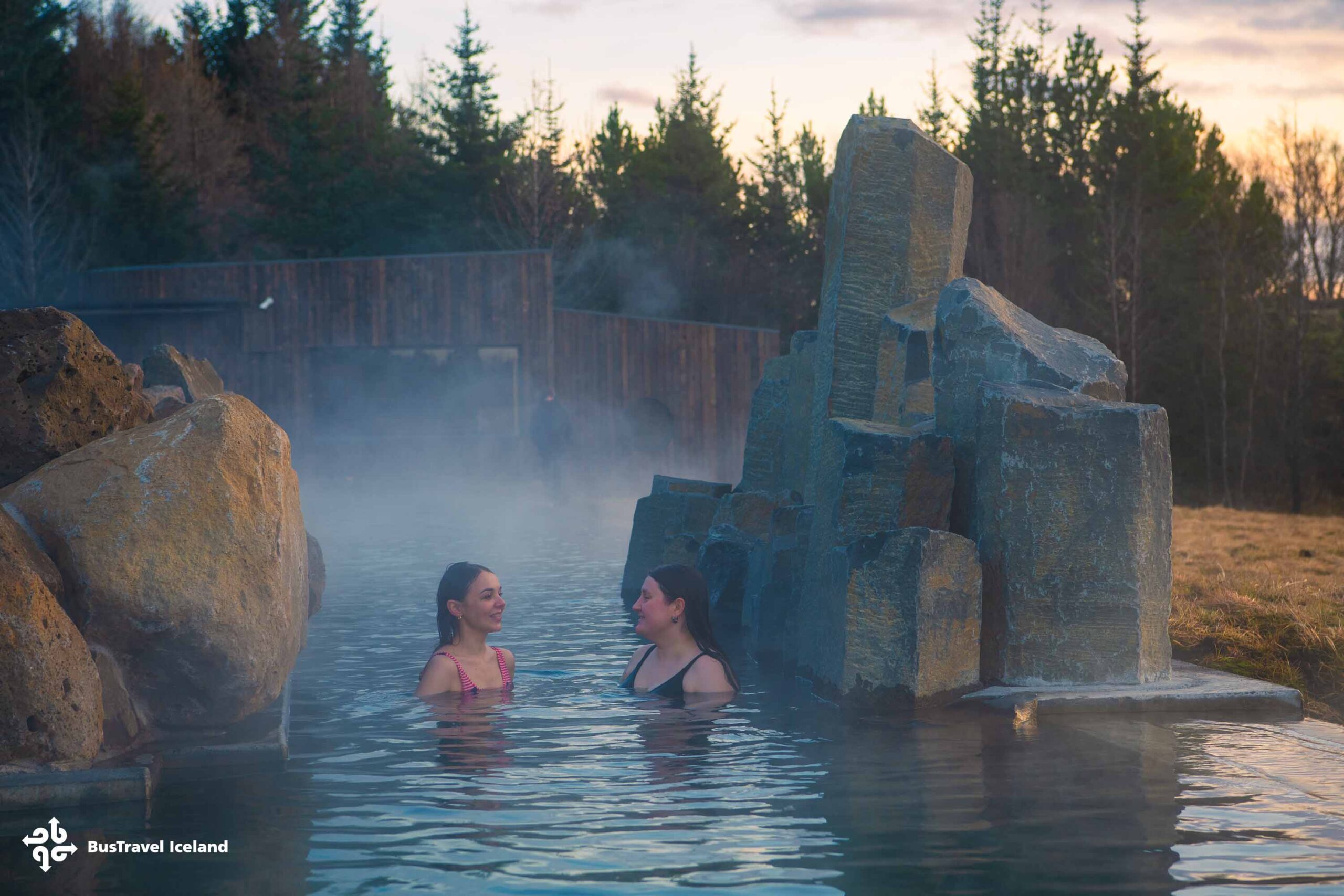
A swimsuit and a small towel are often overlooked. Iceland’s geothermal pools are part of the culture, and most tours that include the Blue Lagoon, Secret Lagoon, Sky Lagoon, and Laugaras Lagoon assume you have these with you. Rental towels are available at most venues, but they add to the cost of the day.
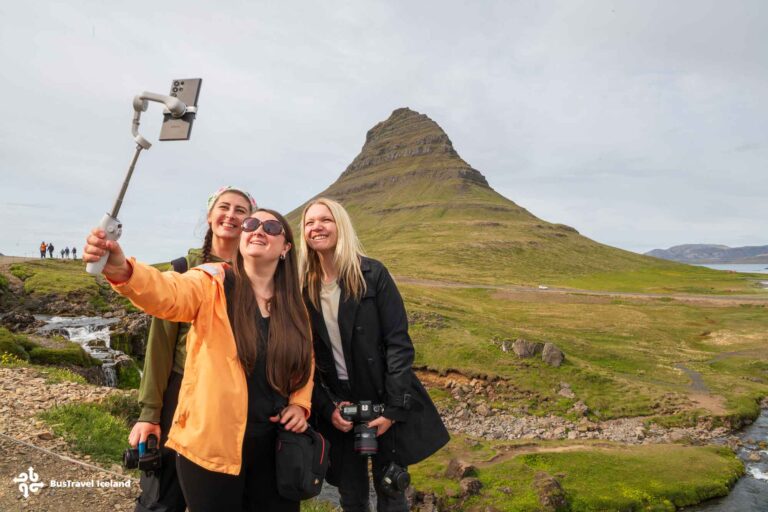
A portable phone charger is worth adding to your list, particularly on full-day tours where you will be photographing landscapes for ten hours, and the bus may not have USB sockets. Sunglasses matter year-round: winter sun sits low on the horizon and reflects brightly off snow, and summer light is intense from 4 am to midnight. Eye protection is not a luxury item on an Iceland coach tour.
Packing well means arriving at each stop prepared, comfortable, and ready to spend the time looking around rather than fussing with layers. Browse BusTravel Iceland’s day tours to find the right trip, then pack accordingly.
Frequently Asked Questions
What is the single most important item to pack for Iceland?
Should I pack differently for summer versus winter tours in Iceland?
Is there anything I should avoid bringing on an Iceland bus tour?