



Why You Need a Local Guide for Iceland’s Black Sand Beaches
- South Iceland
- 15 Sep 2026
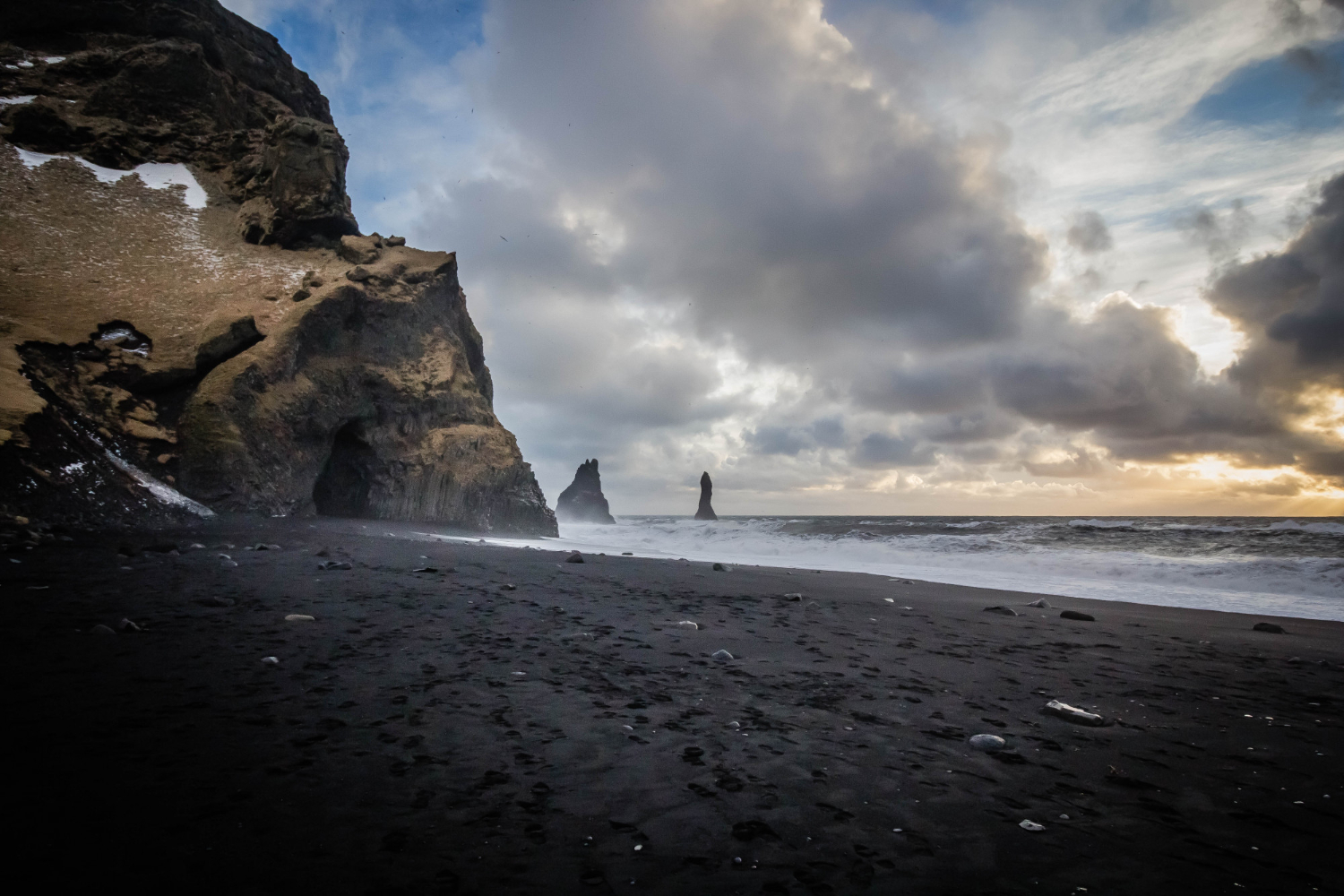
Reynisfjara is the most photographed black sand beach in Iceland—and one of its most underestimated natural attractions. The dramatic basalt columns, powerful Atlantic waves, and iconic Reynisdrangar sea stacks draw visitors toward the shoreline, but that’s exactly where the danger lies. Year after year, warning signs and rescue callouts tell the same story: the ocean reaches much farther up the beach than most people expect.
In this guide, you’ll learn about the real dangers of Reynisfjara Black Sand Beach, including sneaker waves and strong currents, along with essential Reynisfjara safety tips and how exploring with a local guide can help you enjoy one of Iceland’s most famous beaches safely and confidently.
Before You Visit Reynisfjara
- Reynisfjara is one of Iceland’s most beautiful beaches and one of its most dangerous, mostly because of sudden sneaker waves.
- Those waves are driven by long Atlantic swells and a steep shoreline, so they cannot be predicted from the tide chart alone.
- A local guide reads the day’s conditions, sets a safe distance from the water, and explains the science and the stories behind the place.
- Weather, wind, and wave conditions can change quickly, which is why local guides provide tailored safety instructions for the day, explain what the warning signs mean, and show you where it’s safe to explore and take photos.
The Beauty That Pulls You Toward the Water
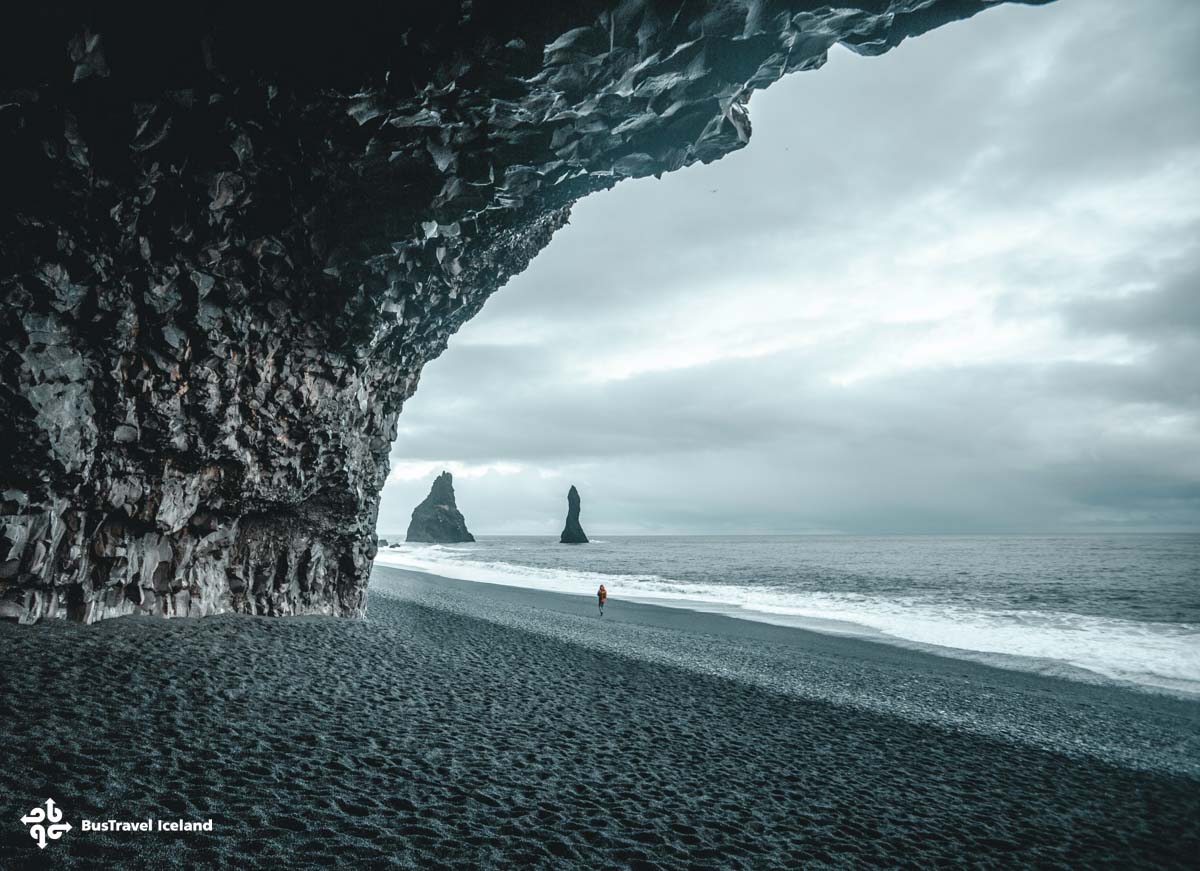
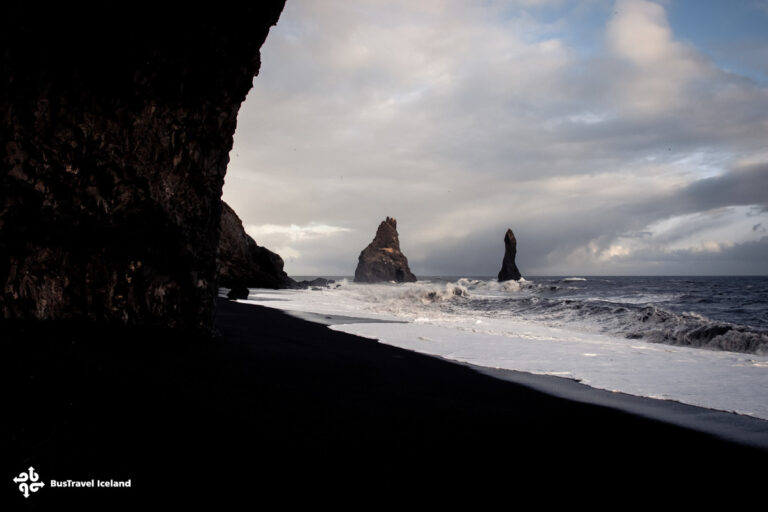
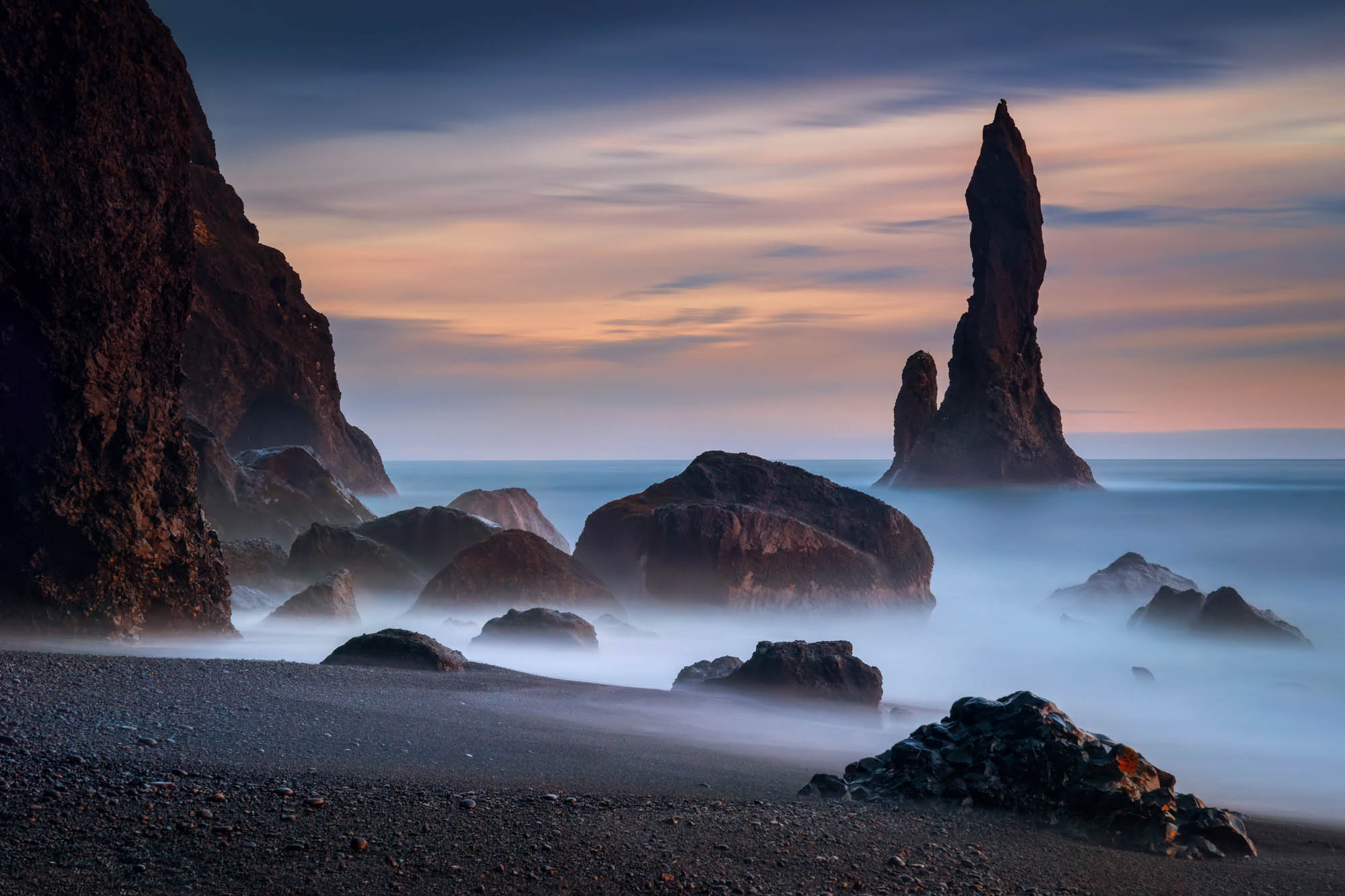
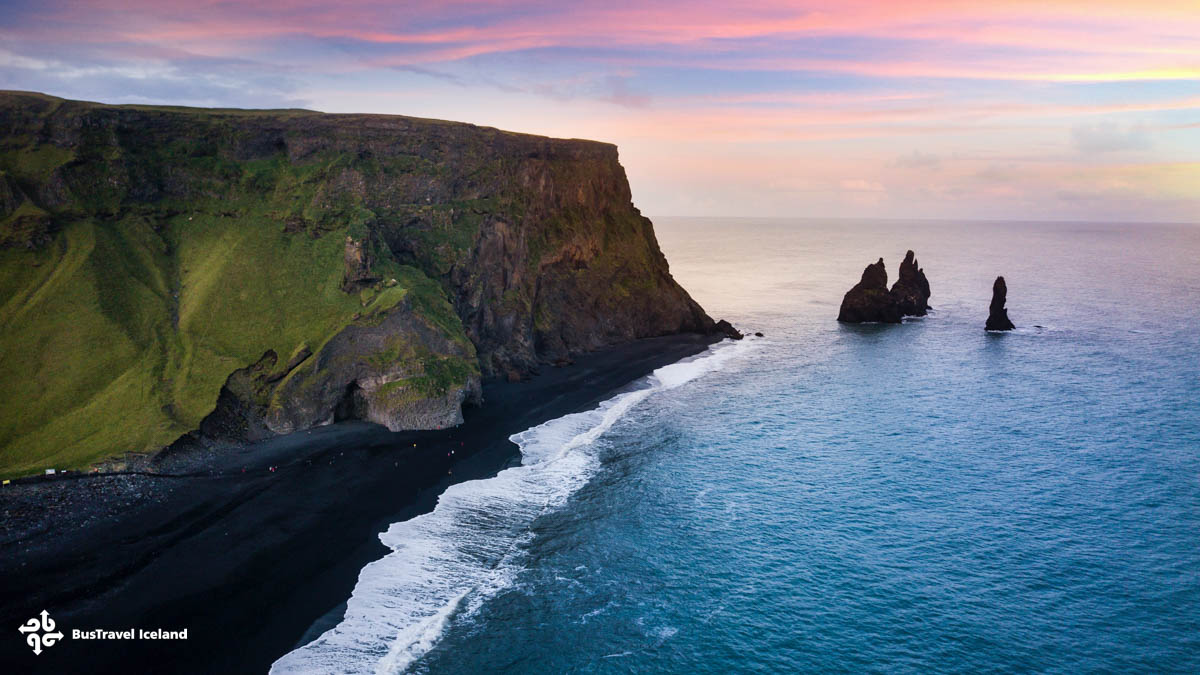
Reynisfjara, near the village of Vík, is a stretch of jet-black volcanic sand framed by hexagonal basalt columns and the Reynisdrangar sea stacks offshore. On a clear winter day, with snow on the cliffs and surf against the black shore, it is one of the most unique, and dramatic places in Iceland.
That drama is the problem. The scene draws you in to walk to the edge of the water for a photo, and the sand gives no clue about where the safe line sits. The most striking spot on the beach is also the one where the sea can reach you in seconds.
Sneaker Waves, and Why They Catch People Off Guard
Sneaker waves are unusually large waves that surge far up the beach with little warning, often after a series of smaller, ordinary-looking ones. At Reynisfjara they are made worse by a long, unbroken Atlantic fetch and a steeply shelving shore that lets water rush up and drag back hard.
They do not follow the tide in a way you can read at a glance, and the water is cold enough to cause shock within moments. People have been swept off this beach and lost, almost always because they turned their back on the sea or stood too close for a picture. A guide’s first job here is knowing where the line is on that particular day.

What a Local Guide Reads Before You Step Onto the Sand
Conditions at Reynisfjara change with the swell, the wind direction, and the forecast, none of which are obvious to a first-time visitor. BusTravel Iceland guides check the day’s sea state before arrival and set a clear safe distance once you are on the sand, so you can focus on the view instead of the risk. You can see the team behind this on the meet our guides page.
This is the part a self-drive stop cannot give you. A guide who has stood on this beach hundreds of times can tell the difference between a normal swell and a dangerous one before it ever reaches the shore.

Folklore That Makes the Place Stick
Science keeps you safe, but the stories are what you remember. Icelandic folklore says the Reynisdrangar stacks are two trolls frozen by the sunrise as they tried to drag a ship to land. A good guide weaves that legend together with the geology of the basalt and the power of the North Atlantic, turning a quick photo stop into the story of the trip. That blend of safety and storytelling is the whole point of going with someone local rather than alone.
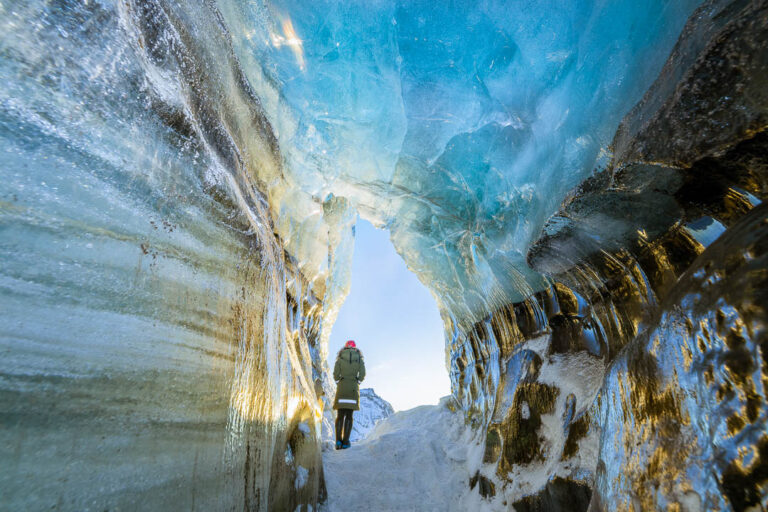
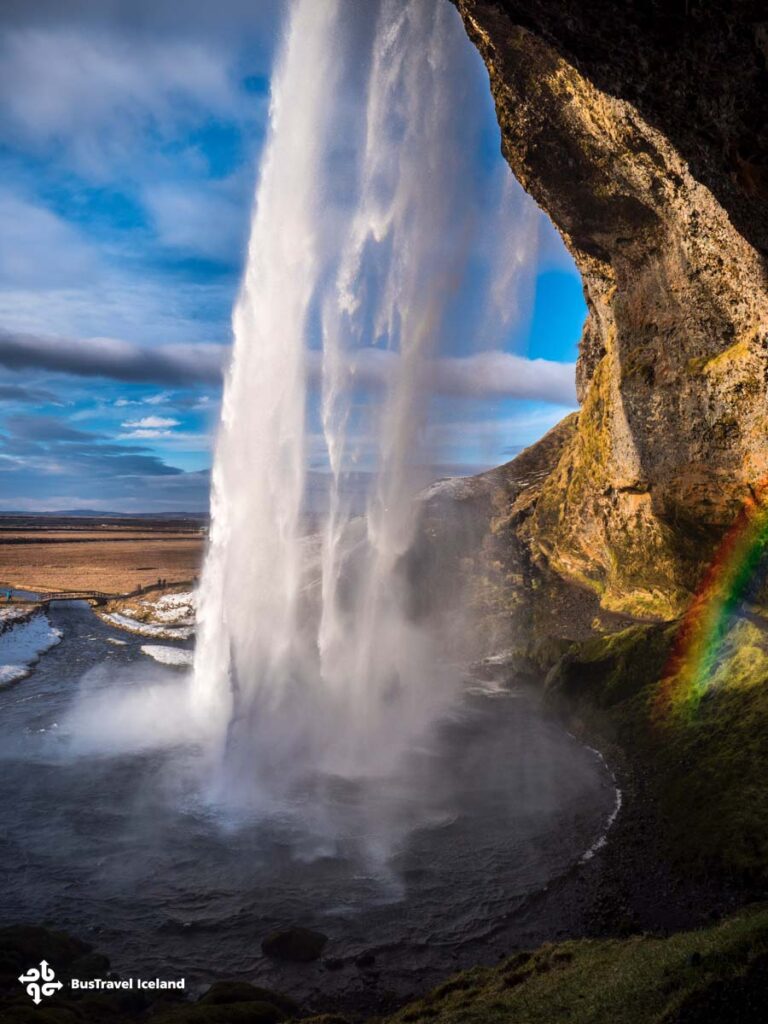
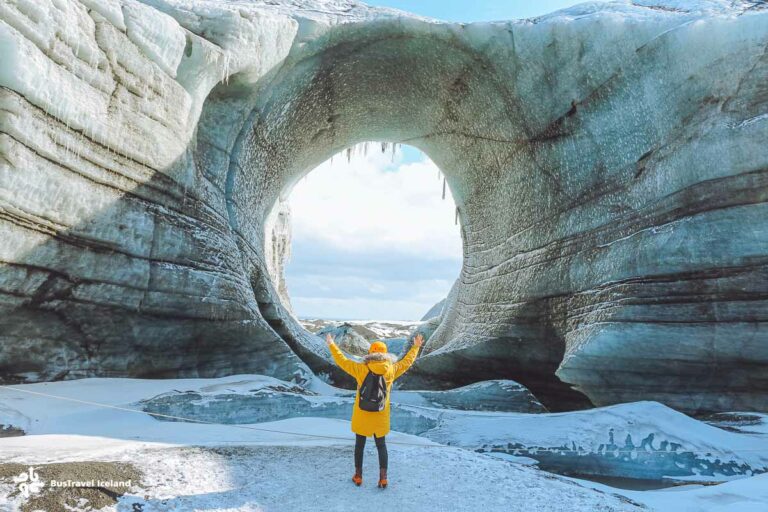
Reynisfjara is best experienced as part of a full day along the coast, alongside waterfalls and glaciers. Explore the options on our South Coast tours, or pair the beach with a winter highlight on an ice cave tour and let an expert handle the timing and the tides.

Frequently Asked Questions
Is Reynisfjara black sand beach safe to visit?
It is safe when you keep a healthy distance from the water and follow local guidance, but it has a real record of serious accidents from sneaker waves. The danger comes from getting close to the surf for photos. Going with a guide who monitors the sea removes most of that risk.
What are sneaker waves and why are they dangerous?
Sneaker waves are sudden, oversized waves that rush much further up the beach than the waves before them, often without warning. At Reynisfjara the cold water and strong backwash make them especially hazardous. They are the single biggest safety concern on Iceland’s south coast beaches.
Can I visit the black sand beach without renting a car?
Yes. Reynisfjara is a standard stop on guided South Coast day tours from Reykjavík, so you do not need to drive the icy roads yourself. A guided tour also means someone is watching conditions at the beach while you enjoy it.