




How to Plan a Stress-Free Iceland Vacation in 2026
- Good to Know
- 17 Apr 2026
Planning an Iceland vacation in 2026 doesn’t have to feel overwhelming. From chasing the Northern Lights to soaking in geothermal lagoons and exploring dramatic volcanic landscapes, Iceland offers unforgettable experiences at every turn—but smart planning is the key to enjoying it all without the stress.

Key Takeaways
- Planning a trip to Iceland in 2026 is most effective when tours, transfers, and key attractions are booked months ahead.
- Iceland’s weather changes quickly and unpredictably, so layered clothing and flexible itineraries are essential.
- Bus tours and guided day trips remove the stress of driving unfamiliar roads in poor conditions.
- Reykjavik is the natural starting point for planning an Iceland vacation, with routes fanning out to every major region.
- Budgeting honestly for food, transport, and entry fees prevents unpleasant surprises once you arrive.
Planning a trip to Iceland for 2026 is one of the more rewarding travel projects you can take on. The country packs volcanic craters, glacier lagoons, and the aurora borealis into a single island, and nearly all of it is reachable on a well-structured itinerary.
When to Visit Iceland in 2026: Iceland Vacation Planning by Season
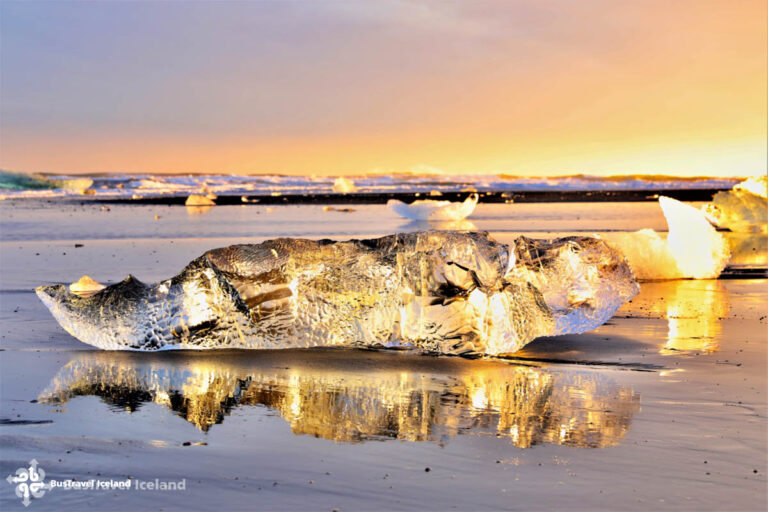
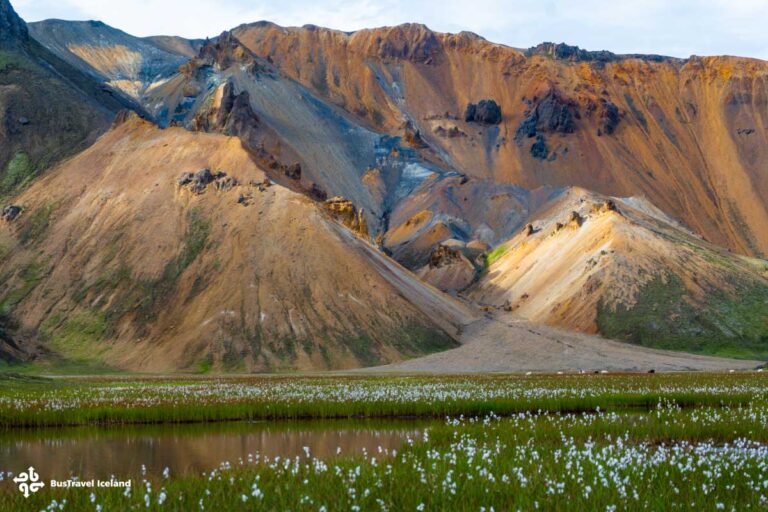
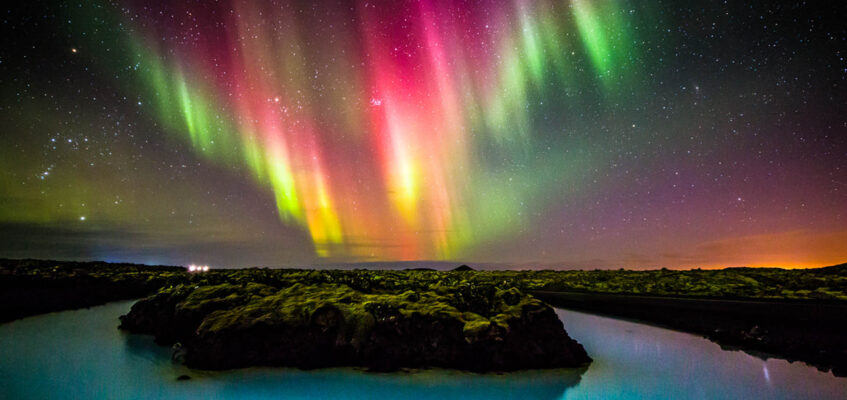
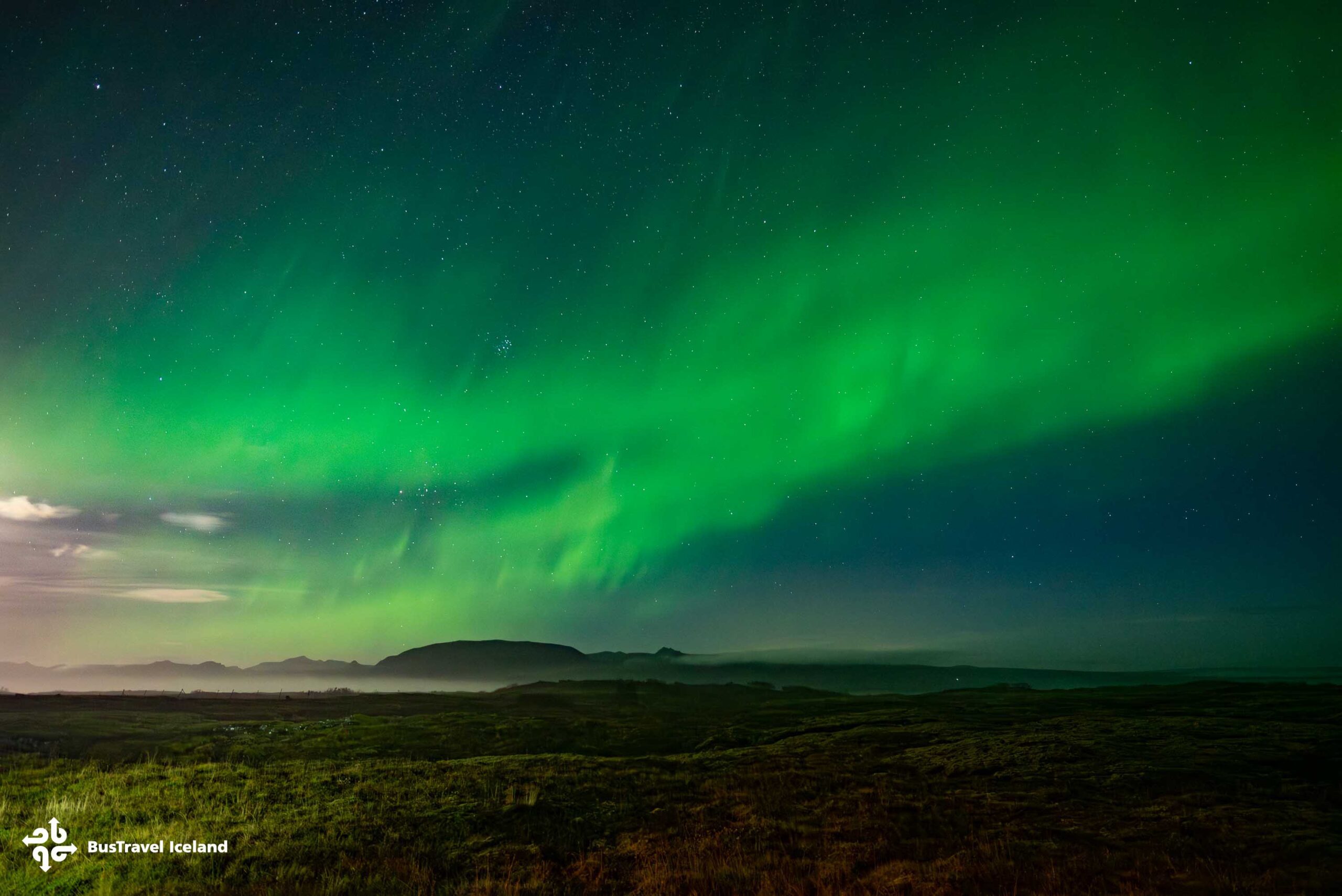
Iceland does not have a bad season, but each one delivers a different experience. Summer (June to August) gives you long daylight hours, wildflowers on the hillsides, and access to highland roads that close in winter. Winter (November to March) brings snow, ice-cave tours on Vatnajökull, and the best conditions for the Northern Lights. Spring and autumn offer a middle ground: quieter sites, reasonable fares, and unpredictable weather that can produce spectacular light.
For 2026, the total solar eclipse on 12 August adds an unusual reason to consider a summer visit. The path of totality crosses the western coast of Iceland, and viewing points with volcanic and glacial backdrops are already attracting significant interest. Booking well in advance for any August 2026 trip is strongly advised.

Building Your Iceland Trip Itinerary Step by Step
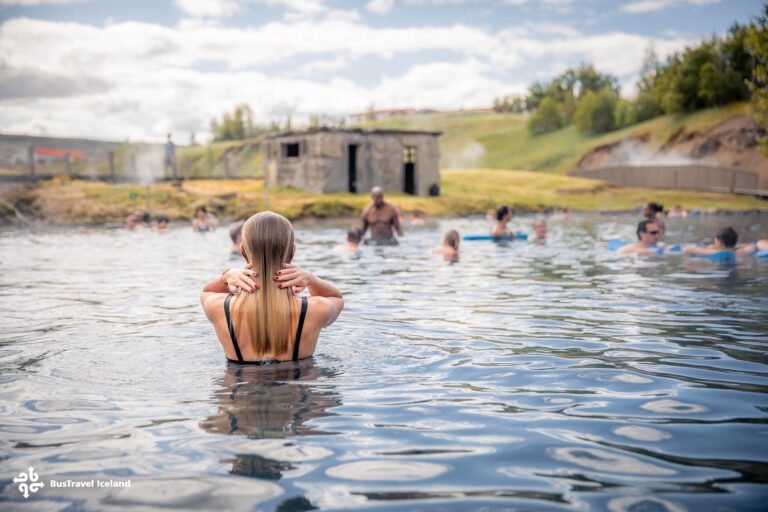
Start with your must-see list and work backwards. The Golden Circle, the South Coast, and the Northern Lights are the three pillars of most Iceland itineraries. From there, consider whether you want to add the Snæfellsnes Peninsula, glacier ice caving, whale watching, or a geothermal soak at the a nice spa, such as the Blue Lagoon, Sky Lagoon, Secret Lagoon, or the Laugaras Lagoon.
BusTravel Iceland’s day tours from Reykjavik cover each of these individually, while the multi-day tours bundle multiple regions into a single booking with accommodation arranged. A structured multi-day package is the most efficient format for first-time visitors and those with limited holiday time.

Getting Around Iceland Without the Stress of Self-Driving
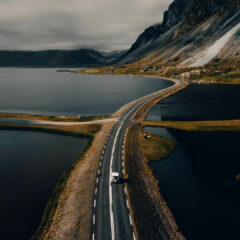
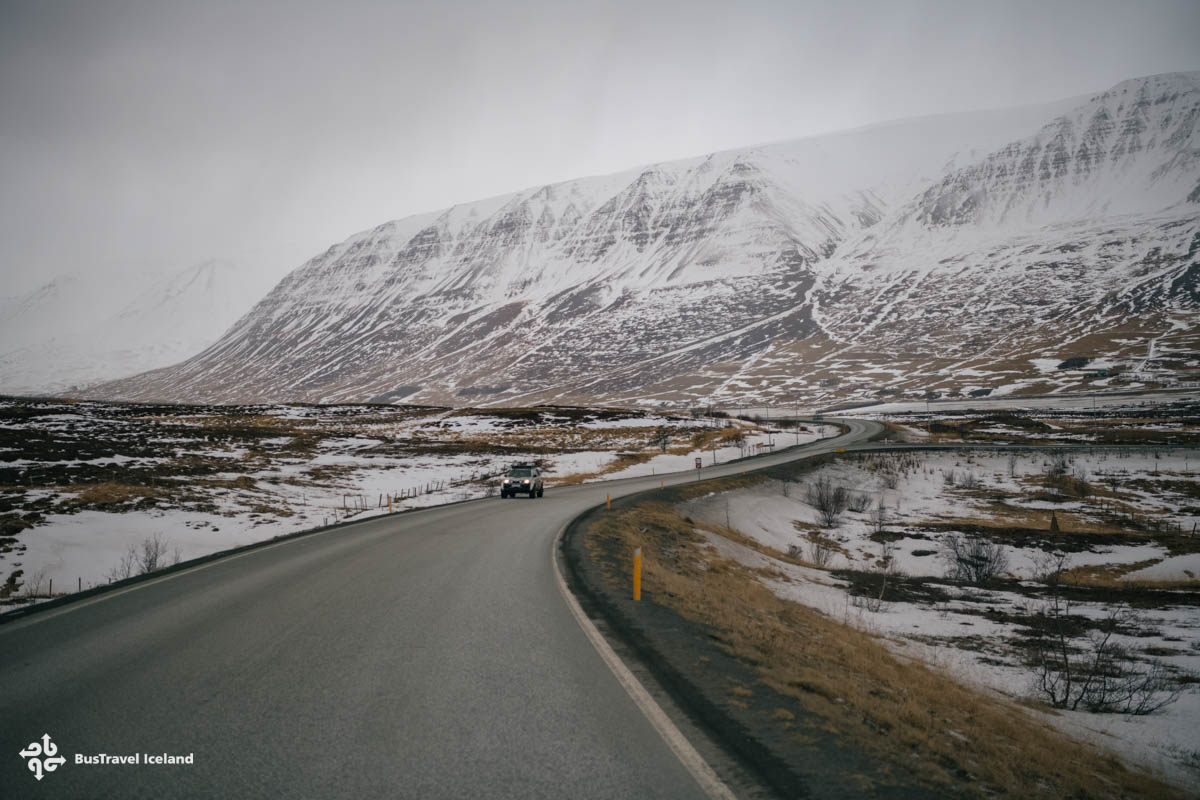
Driving in Iceland is enjoyable in good conditions and dangerous in bad ones. Road 1, the Ring Road, is paved and well-maintained, but secondary roads, mountain passes, and F-roads (highland tracks) require experience and, in many cases, a 4×4 with high clearance. Black ice, sudden fog, and crosswinds are all part of the Icelandic driving experience.
For visitors who prefer not to handle that uncertainty on holiday, guided bus tours offer a straightforward alternative. Your driver is experienced on local roads in all seasons, and tour departures run regardless of weather, provided conditions are safe. You see everything on the itinerary without spending mental energy on navigation.
What to Budget When You Plan a Trip to Iceland
Iceland sits at the upper end of European travel costs. Budget realistically for accommodation (Reykjavik hotels range from around $120 to $325 per night), restaurants (a main course in a mid-range restaurant runs $25 to $40), and tour fees. Entry to some attractions, including the Blue Lagoon, requires a booking and is added to the total.
Watching for early bird deals and seasonal promotions can make a meaningful difference. BusTravel Iceland regularly lists special offers on Iceland tours, particularly in the shoulder months of March, April, October, and November. Booking ahead also reduces the risk of sold-out tours on dates that matter to you. Locking in popular experiences two to three months before travel is a reasonable rule of thumb.
Planning a trip to Iceland — whether for a full vacation or a short layover — does not need to be complicated. Start with the dates, build around a handful of key experiences, and book the transport early.
Frequently Asked Questions
How far in advance should I plan a trip to Iceland?
Is Iceland worth visiting in 2026?
Do I need travel insurance for a vacation in Iceland?