



Hidden Gems of Snæfellsnes
- Snaefellsnes
- 16 Sep 2026
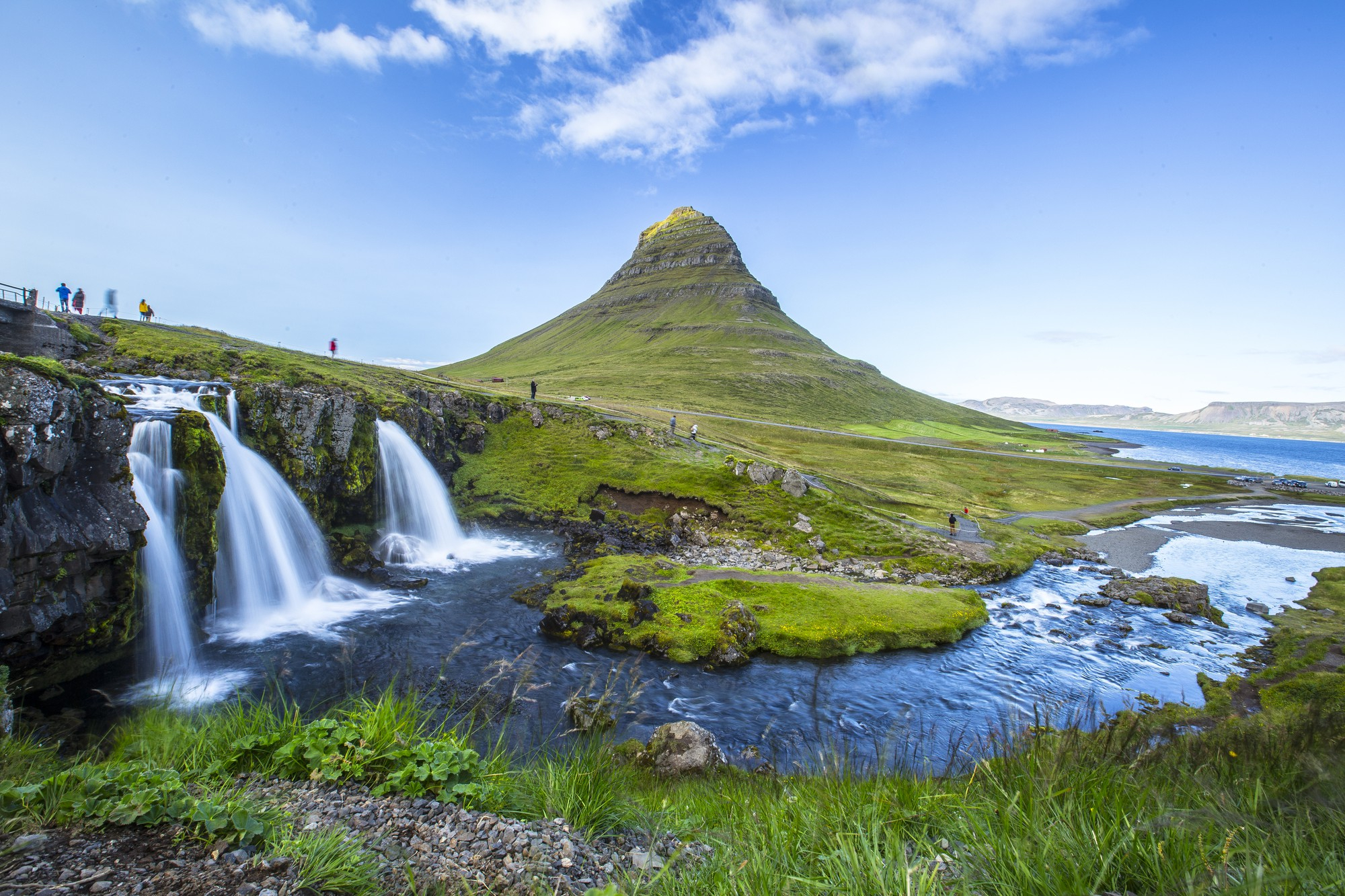
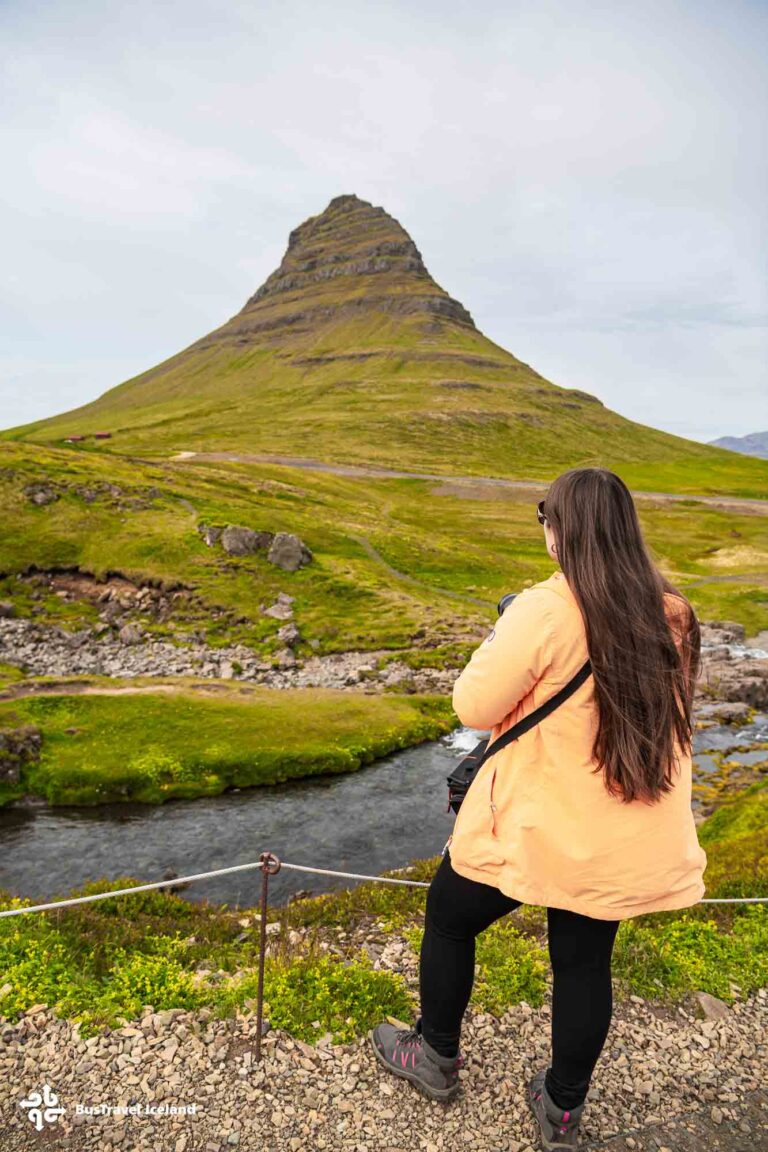
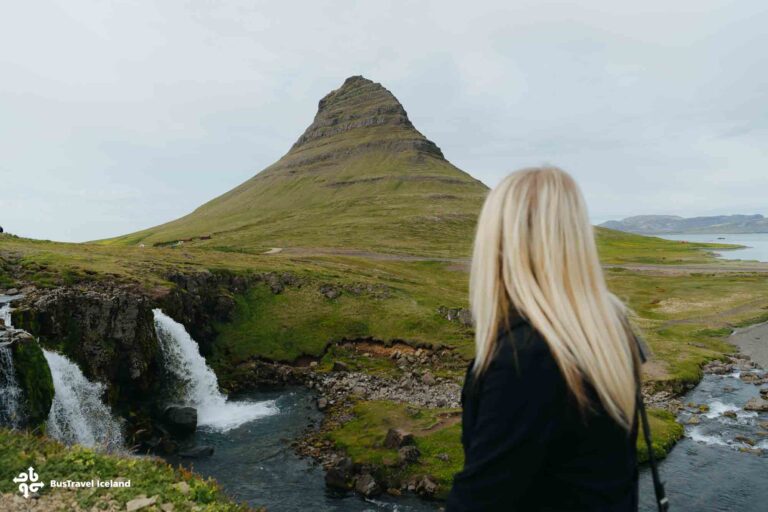
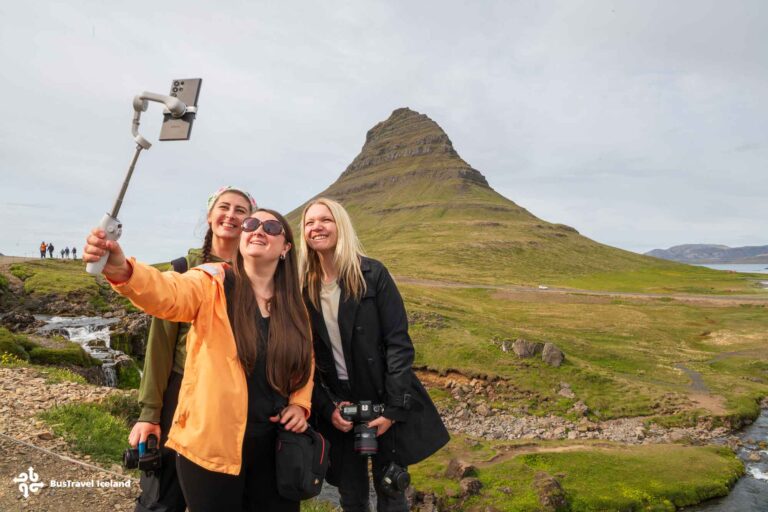
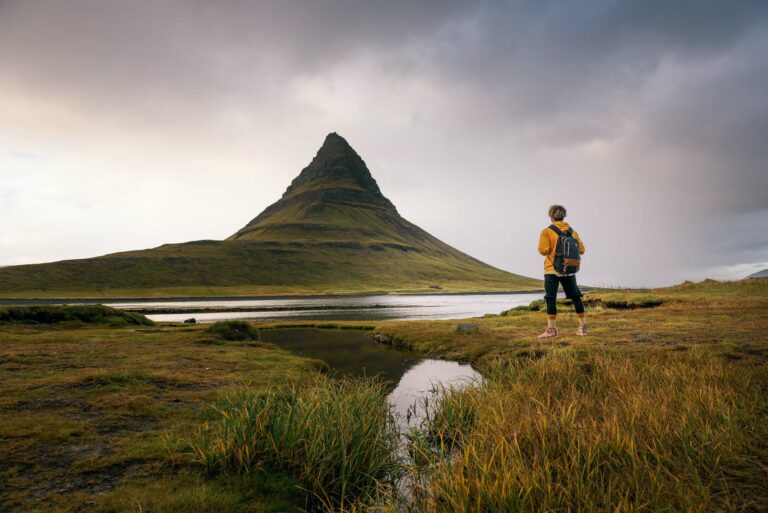
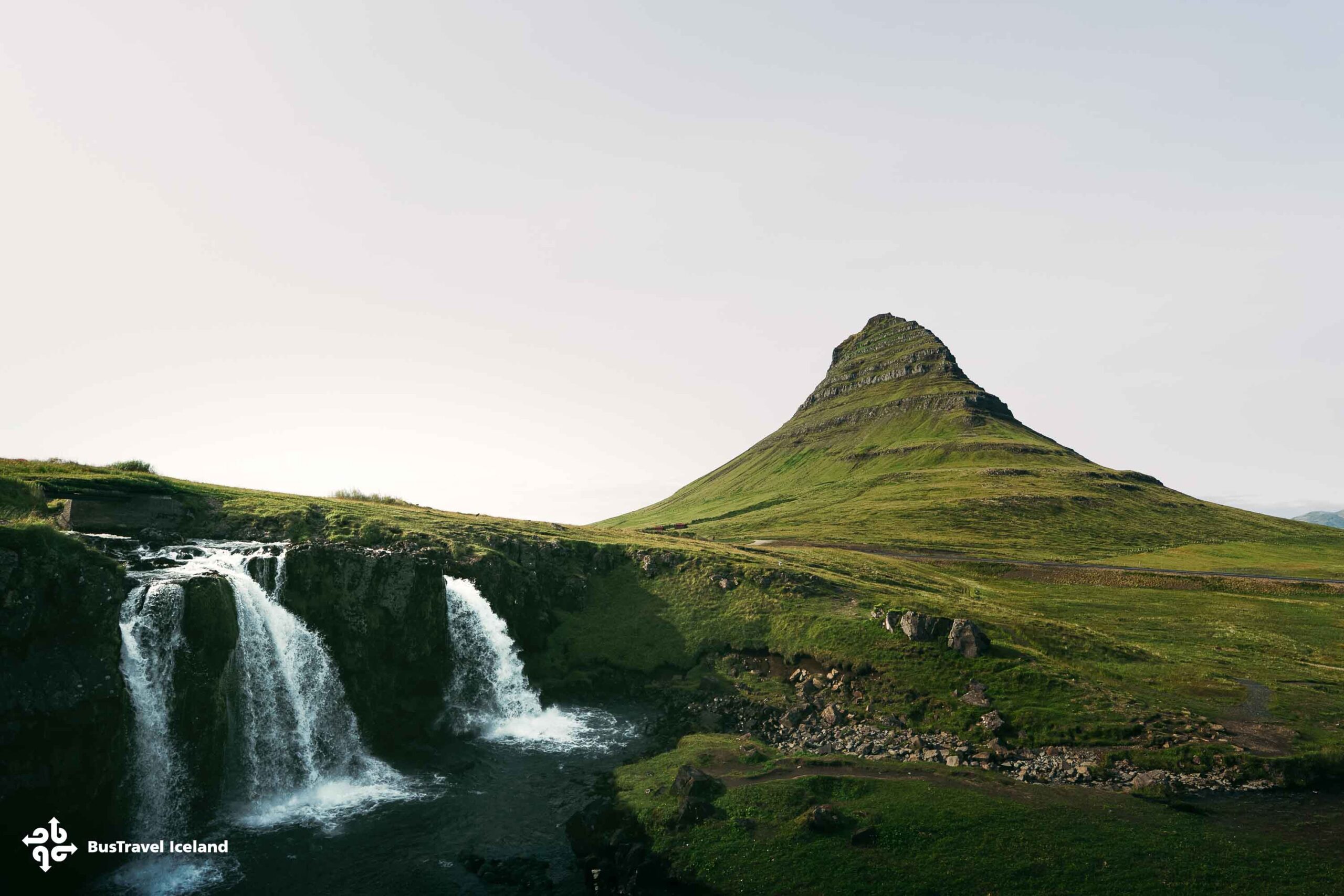
Every Snaefellsnes peninsula tour stops at Kirkjufell, and it deserves the attention. Away from the famous mountain, the peninsula hides a lava tube you can walk into, a cliff of basalt columns most people drive straight past, and a small red-roofed white church that many visitors swear they have seen before, in an optician’s eye-test machine.
Key Takeaways
- Vatnshellir is a lava tube formed around 8,000 years ago, below Snæfellsjökull, the glacier Jules Verne chose as his entrance to the center of the Earth.
- Ytri Tunga is one of the few beaches in Iceland where seals haul out reliably in summer.
- Ingjaldshólskirkja, near Hellissandur, is widely claimed to be the church of optometrists’ eye test machines.
- Malarrif Lighthouse
- Ytri Tunga and Búðir are on the scheduled day tour. Vatnshellir, Gerðuberg and Ingjaldshólskirkja need a private tour or your own car.
Which Landmarks Do Most Visitors Drive Past?
Vatnshellir Cave
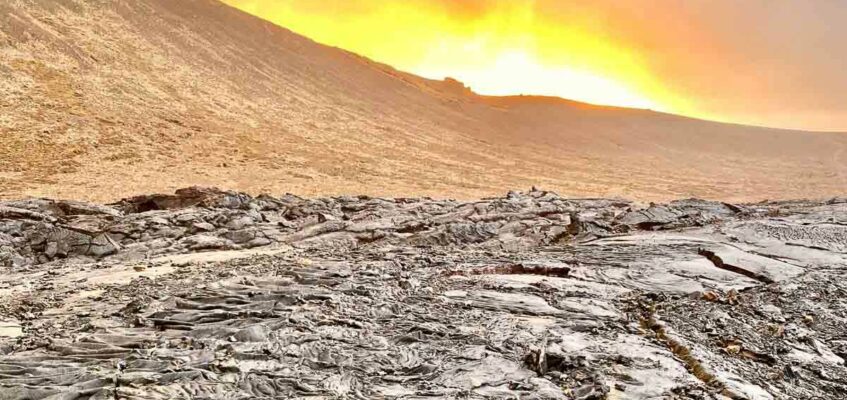
An 8,000-year-old lava tube in the lava field from the Purkhólar craters, entered by a spiral staircase. The literary connection belongs to Snæfellsjökull above it, since Jules Verne sent his explorers down the glacier’s crater in Journey to the Center of the Earth. Our Vatnshellir cave guide covers the descent and what the formations look like.

Malarrif Lighthouse
Malarrif Lighthouse stands on the rugged southern coast of the Snæfellsnes Peninsula, within Snæfellsjökull National Park. The distinctive white concrete tower was built in 1946, replacing an earlier lighthouse from 1917, and rises about 24 metres above the surrounding lava landscape. Once an important navigational aid for ships travelling along Iceland’s western coast, Malarrif is now also a popular stop for visitors exploring the national park, with walking trails leading through old lava fields toward dramatic sea cliffs and views of Snæfellsjökull glacier on clear days.

Gerðuberg Basalt Columns
A long wall of remarkably regular hexagonal basalt columns rises from the open farmland on the southern side of the Snæfellsnes Peninsula. Gerðuberg was formed when a thick flow of basaltic lava cooled and contracted, cracking into the geometric pillars known as columnar basalt; today, the tallest columns reach around 14 metres. The landscape around the cliff is surprisingly green, with low-growing sub-Arctic vegetation including mosses, grasses and dense patches of bilberry, blueberry and crowberry bushes. In late summer and early autumn, the abundance of berries also makes the area a popular place for local berry picking. There is no visitor centre or major infrastructure here—just a small parking area and a short path towards the columns—giving Gerðuberg the feel of a quiet geological landmark hidden among the farms rather than a developed tourist attraction.

Ytri Tunga
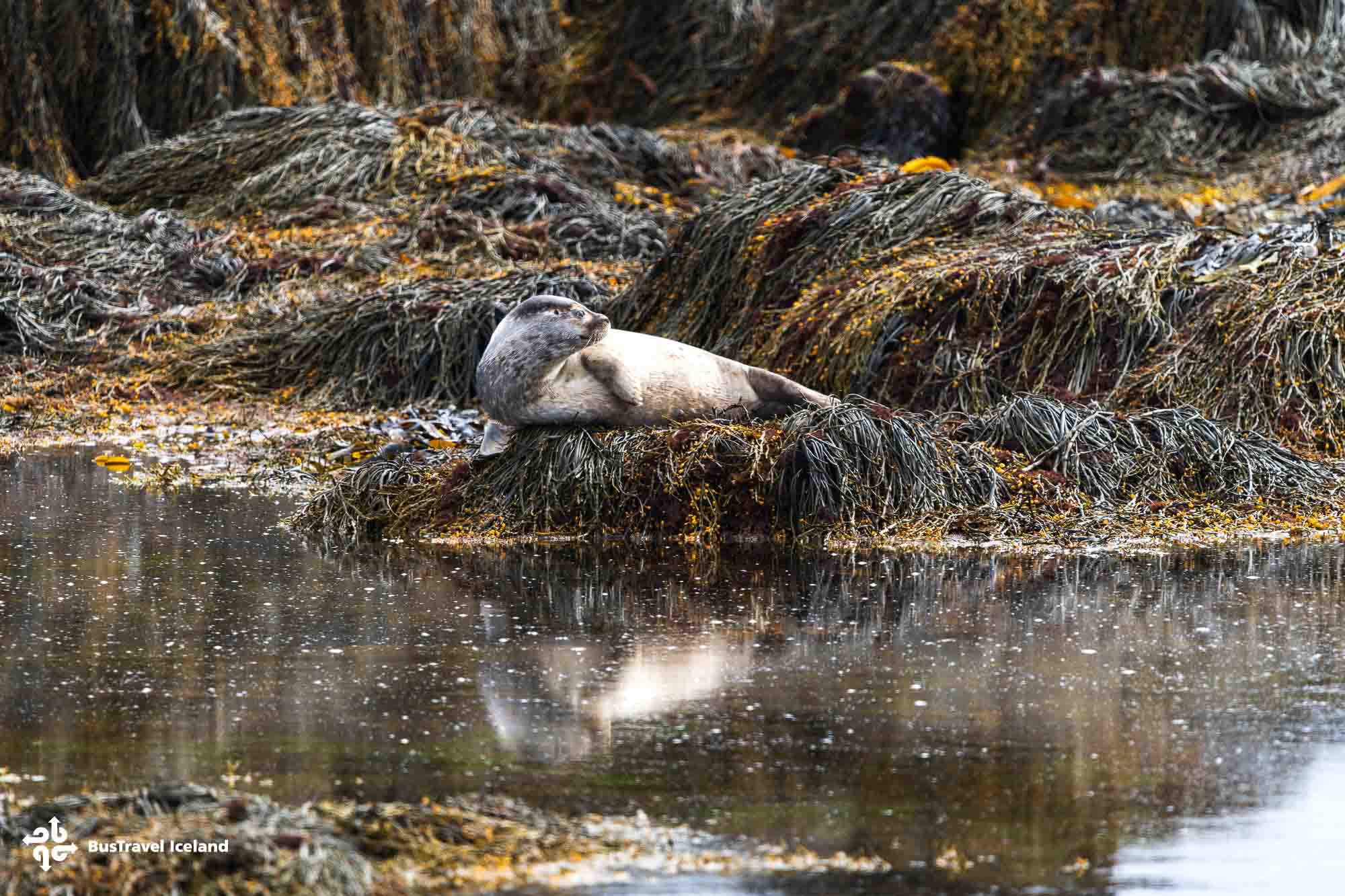
A golden sand beach on a coastline otherwise defined by black volcanic sand, and the most dependable place on Snæfellsnes to see seals. They haul out on the rocks through summer, with May to July the best window, and this one is a scheduled stop on the day tour.
The Church That Turns Up in Eye Tests
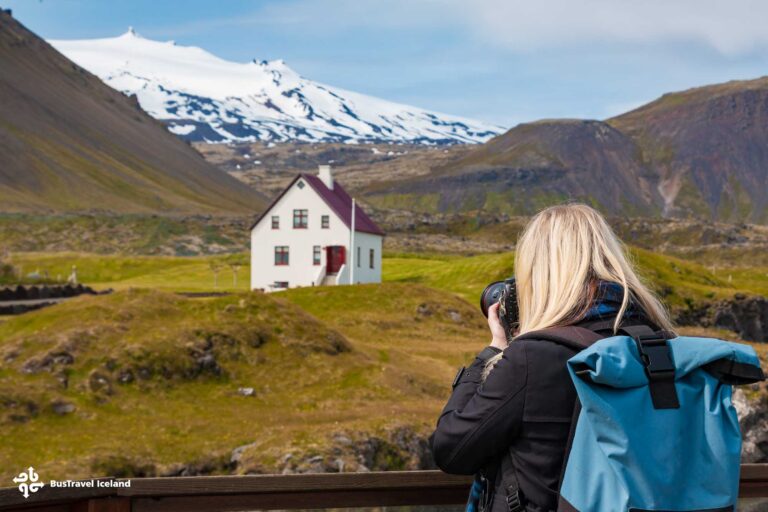
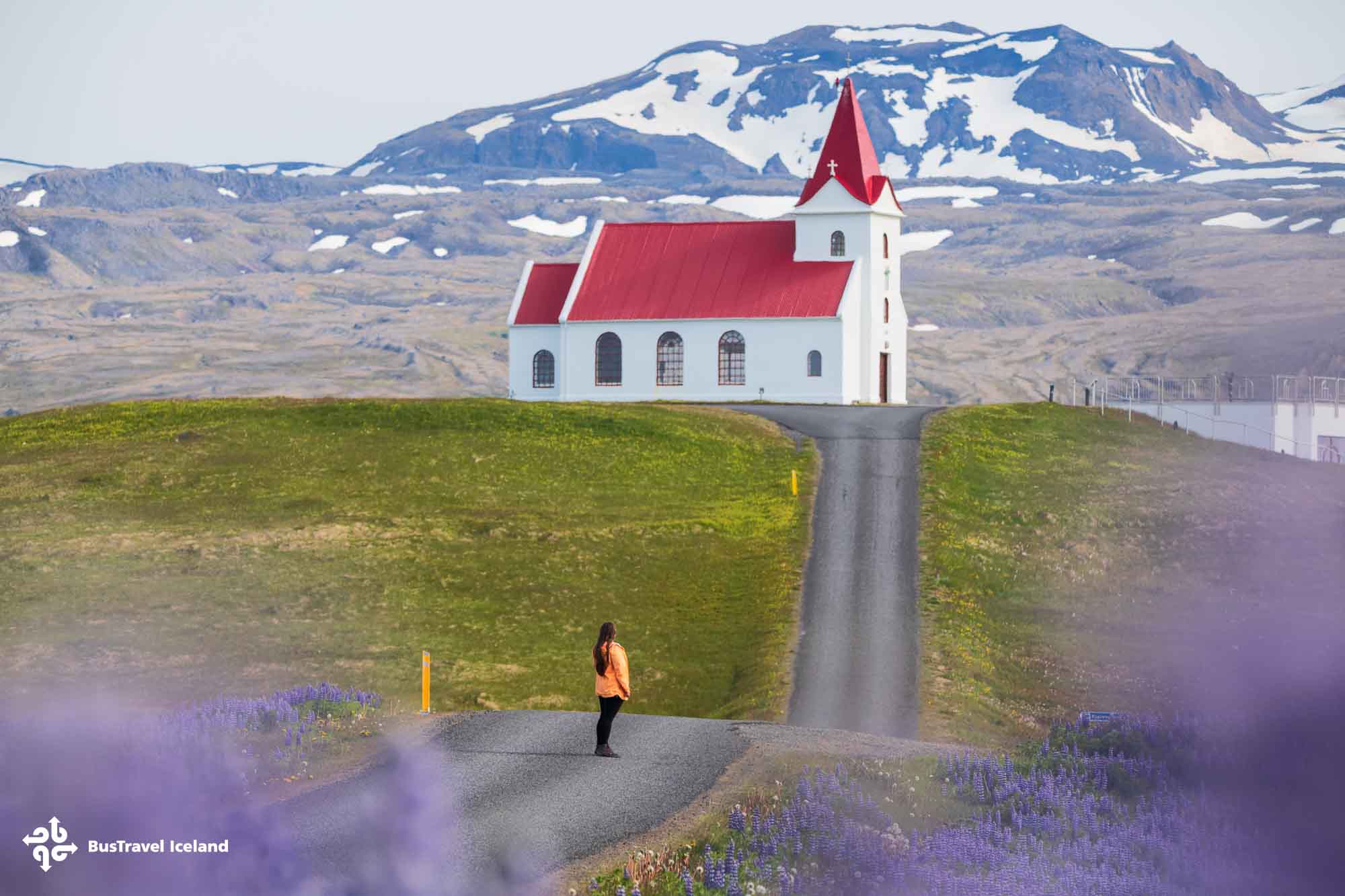
Ingjaldshólskirkja stands on a rise between Hellissandur and Rif: a white concrete church with a red roof, built in 1903 and protected as a heritage building since 1990. It is often described as the first concrete church in Iceland.
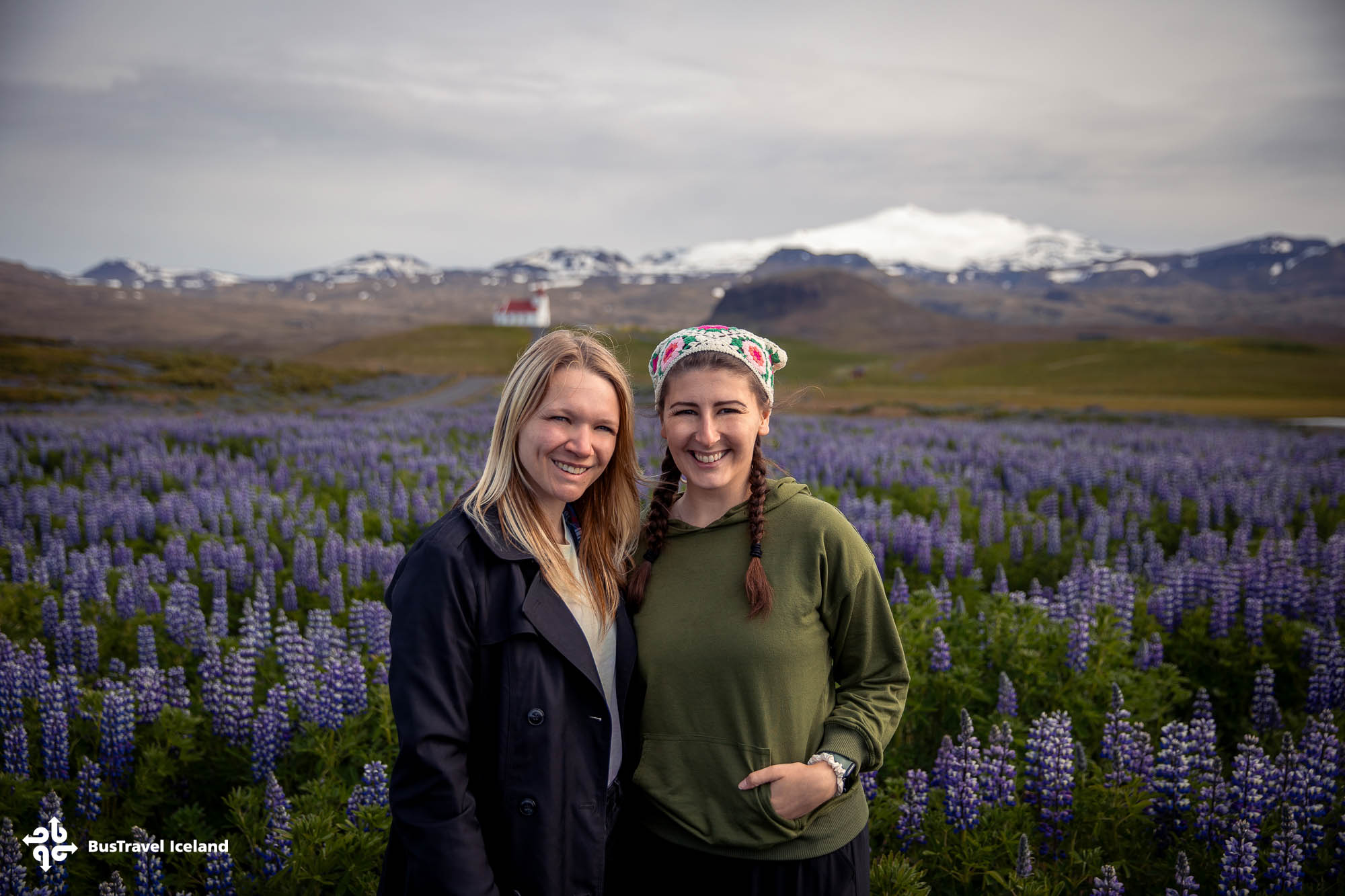
Many visitors also know it as the building in the auto-refractor machine at the optician. The image used in those machines shows a red-roofed house at the end of a long straight road against green hills and distant mountains, and the resemblance is striking enough that the church has become a photo stop, especially for visitors from China, who line up for the shot from the bottom of the road.
No optical manufacturer has confirmed the connection, so treat it as a very good story rather than a fact. The church sits away from the main scheduled stops on most day tours. It is easiest to visit with a private tour or rental car, although some of our guides may occasionally stop here as an unscheduled surprise when time and conditions allow.
What Fits Into One Day?
An eleven-hour day tour covers the western loop comfortably: the Berserkjahraun lava field, Kirkjufell, Snæfellsjökull National Park with Djúpalónssandur and the Lóndrangar pinnacles, the village of Arnarstapi, plus Ytri Tunga and the black church at Búðir.
The rest take a little planning. Vatnshellir, Gerðuberg, and Ingjaldshólskirkja sit off that fixed route, so seeing them takes a private departure or a second day on the peninsula. The gaps between landmarks here are short, and Stykkishólmur on the north coast, which the day tour does not visit, is about an hour’s drive from Búðir in the south.
Which Tour Format Suits You?
If you have already done the Golden Circle, Snæfellsnes makes a natural second day trip from Reykjavík, trading geysers and waterfalls for lava fields, sea cliffs and a glacier-capped volcano. Coach departures, small group departures and private tours all run the peninsula. Only a private departure can add the stops that sit off the scheduled route. Compare them on the Snæfellsnes Peninsula tours page.
Frequently Asked Questions
Can I go inside Vatnshellir cave?
Yes, but only on a guided tour, as the national park does not allow unguided visits. Helmets and lights are provided, and sturdy boots and gloves are recommended. None of the scheduled day tours include it, so book it directly if you are driving, or ask about it when arranging a private tour.
When can I see seals at Ytri Tunga?
Summer is the reliable season, when seals haul out on the rocks close to shore. Sightings are never guaranteed, since these are wild animals on an open coastline. Bring binoculars and keep your distance.
Is the eye test church open to visitors?
It is an active parish church rather than a museum, so access inside varies. The exterior and the setting are what most visitors come for. Check locally before planning a visit around the interior.