



Shore Excursions from Grundarfjorður Port
Jökulsárlón Glacier Lagoon & the Diamond Beach are two of Iceland´s most iconic and beloved natural wonders. Until now, these attractions were out of touch as shore excursions – it takes around 14 hours to journey there and back from Reykjavík after all. Now that more and more cruise ships have added the small East Iceland village of Djúpivogur as a port of call, the glacier lagoon and its icebergs are finally within reach. Our shore excursion from Djúpivogur takes, and adds other stops and a scenic drive to the mix for good measure.
Introducing our Djúpivogur Shore Excursion

About Djúpivogur
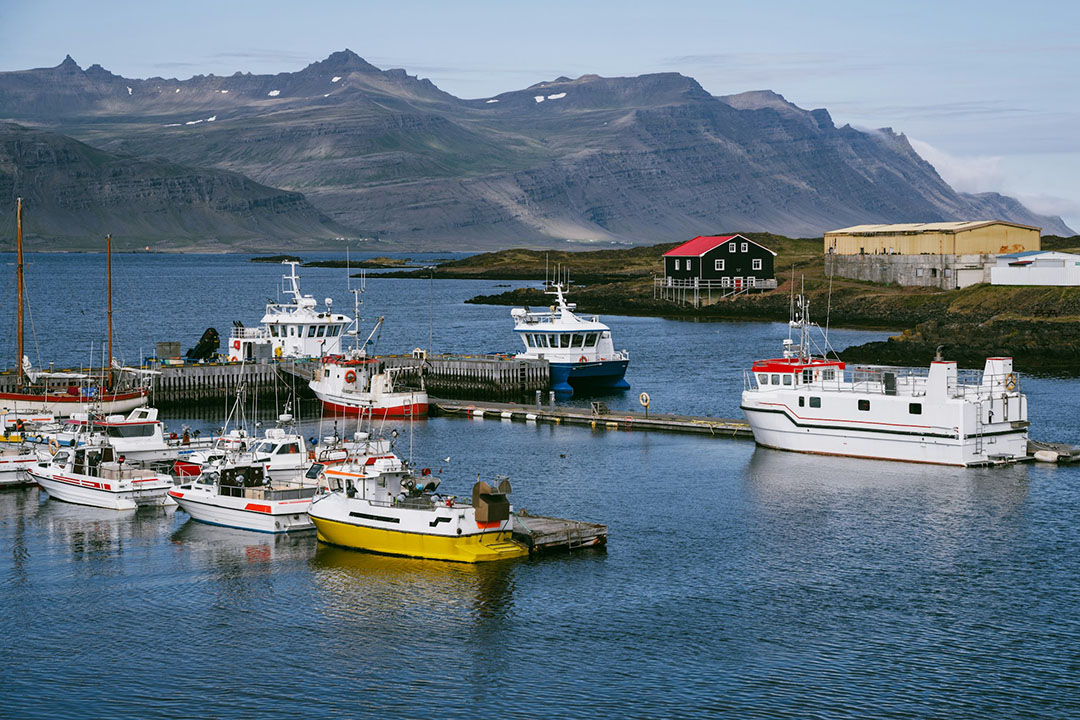
Djúpivogur is a tiny fishing village of around 400 souls in south-east Iceland, located around the half-way point between the larger towns of Seyðisfjörður and Höfn. It is on the Búlandsnes Peninsula and the snow-capped mountain of Búlandstindur looms large over the few streets of the sleepy hamlet. The town developed as a Danish trading post in the 19th century – its east Iceland location is much closer than Reykjavík after all.
Life revolves around the small harbour, with fishing accounting for a large proportion of the local economy. In recent years tourism services have increased, especially in summer when self-drive travel is much more common than in the winter months.
Highlights from our Glacier Lagoon & Diamond Beach Tour From Djúpivogur Port
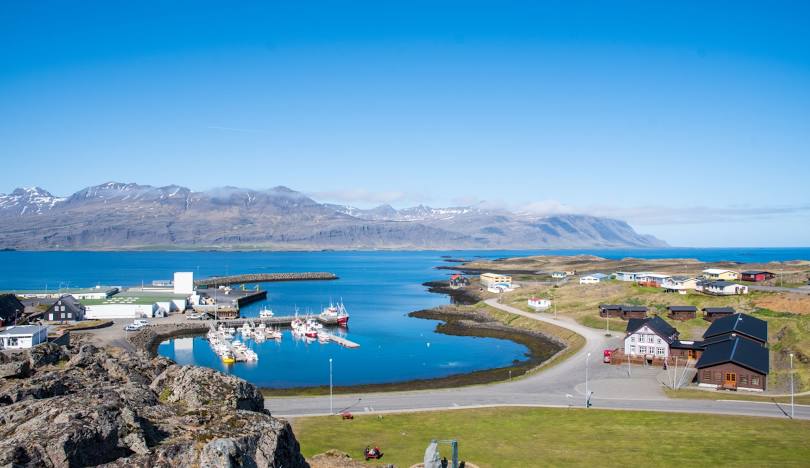
Jökulsárlón Glacier Lagoon
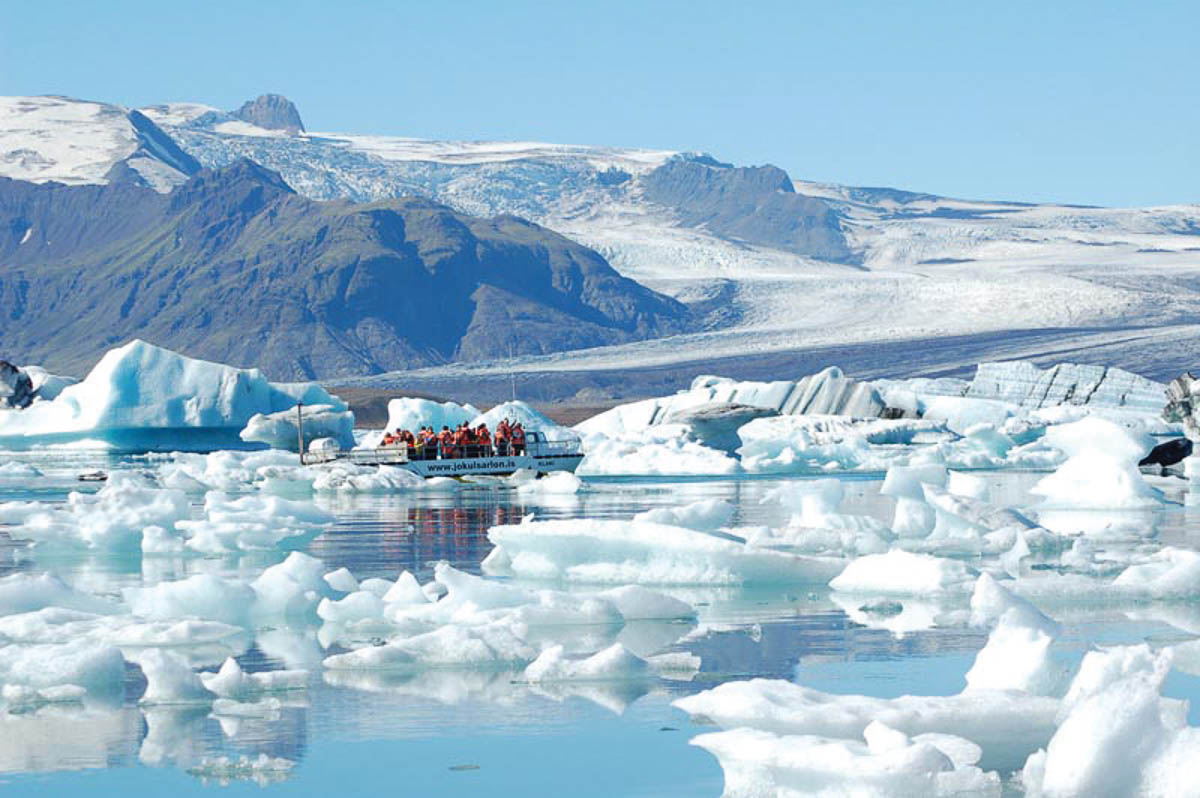
Jökulsárlón is a stunning natural lagoon famous for the massive icebergs that float through it on the way out to sea. The icebergs have calved off the massive glacier to the north. Popularly known by visitors as just “the Glacier Lagoon”, it has become one of south-Iceland´s premier destinations.
Jökulsárlón was formed when Breiðamerkurjökull glacier began to retreat in the 1930´s. Massive amounts of meltwater formed a small lake on the outwash plain, as well as a black sand beach. As ice calving continued over the years, more meltwater filled the basin. After several decades, Jökulsárlón developed into Iceland’s deepest natural lake, reaching a maximum depth of about 285 meters.
The Diamond Beach
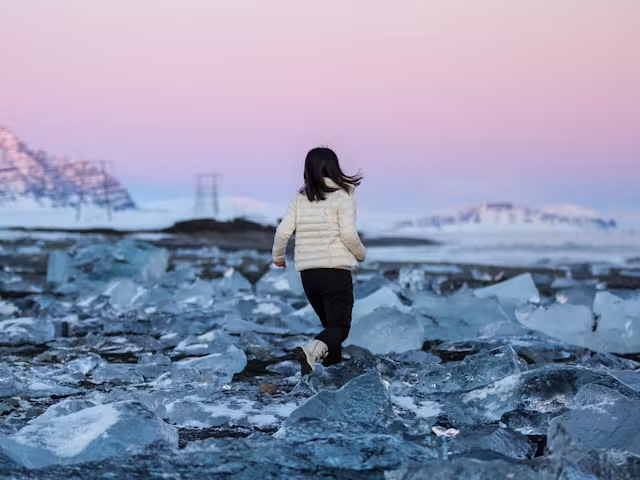
Diamond Beach is one of Iceland’s most iconic natural attractions and a popular photo stop. It also offers insight into the life cycle of glacial ice. Icebergs that break off from Vatnajökull drift through the glacier lagoon, pass beneath the bridge, and head out to sea where they gradually melt. However, when tides and currents align, many are carried back onto Fellsfjara’s black sand shore, where scattered chunks of ice can cover the stark volcanic landscape.
Scattered across the deep black sand, these fragments of ancient glacial ice glisten like scattered jewels: each one unique, slowly melting, and quietly disappearing.
Eystrahorn Mountain
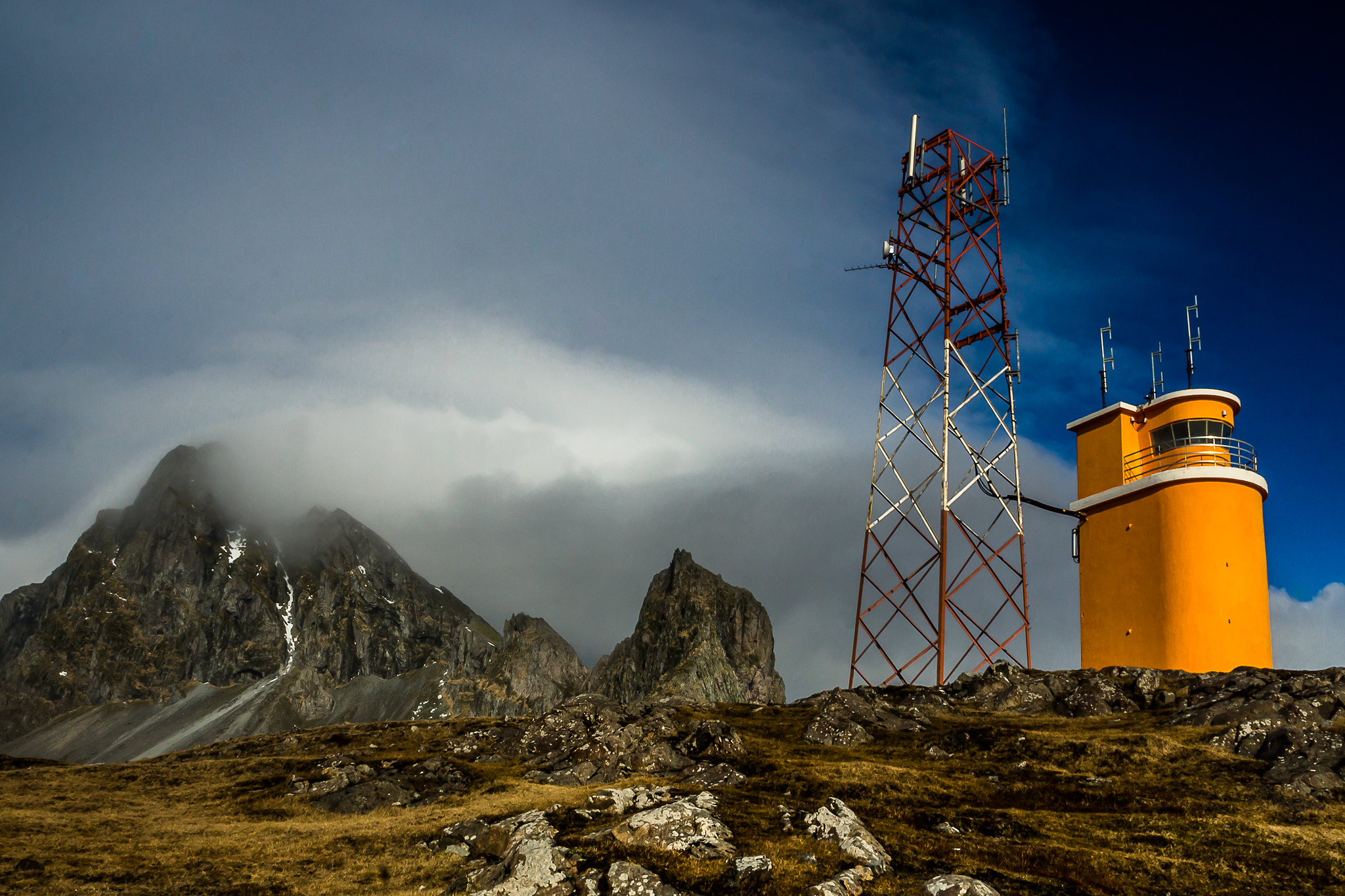
Eystrahorn is one of Iceland’s most striking mountain, yet remains a hidden gem. Rising sharply from the coastline, its jagged, horn-shaped peaks are made of dark gabbro rock, giving it a dramatic, almost otherworldly appearance that stands apart from Iceland’s more common basalt mountains.
Eystrahorn overlooks the remote Hvalnes peninsula, where a solitary yellow lighthouse stands against the vast Atlantic backdrop. Here, powerful North Atlantic waves constantly crash against the coast, shaping the black sand beaches and windswept dunes that stretch out toward the mountain. This area is a dreamscape for photographers – on calm days, Eystrahorn reflects beautifully in the shallow tidal pools.
Share your experience with others.